
La citadelle de Jérusalem — História e Análise
When did color learn to lie? In the depths of this painting, an unsettling truth emerges, cloaked beneath the vibrant strokes. Look to the horizon where the golden hues of the sun bleed into the muted blues of the sky, illuminating the architectural silhouettes of Jerusalem's citadel. The artist employs a stark contrast in color that leads your eye across the canvas, from the warm, inviting tones of the sunlit structures to the cooler, shadowy recesses that hint at something darker lurking within. Notice how the finely textured brushwork creates a palpable sense of dimension, making the fortress both a sanctuary and an ominous presence. As you explore further, subtle details begin to unfurl their significance: the way the light dances across the walls, suggesting a history of both protection and conflict.
The looming citadel stands as a powerful symbol of resilience, yet the encroaching shadows whisper of fear and uncertainty that may lie within its walls. This duality—of beauty and dread—forces the viewer to grapple with their own perceptions of safety and danger. Created in 1852, Stroobant painted this work during a period of fluctuating political tensions in Europe and the Middle East. Living in Belgium, he was influenced by the Romantic movement, which emphasized emotional depth and dramatic landscapes.
The artwork reflects his engagement with the tumultuous atmosphere of his time, blending a fascination for exotic locations with an undercurrent of unease that resonates through history.
Mais obras de François Stroobant
Ver tudo →
Interior of the church of Notre Dame du Sablon at Brussels
François Stroobant
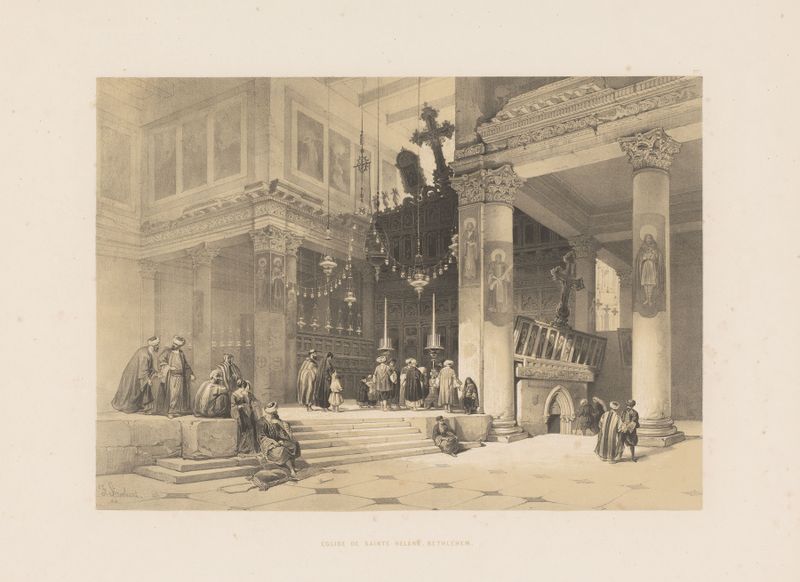
Église de sainte Hélène. Bethléhem
François Stroobant
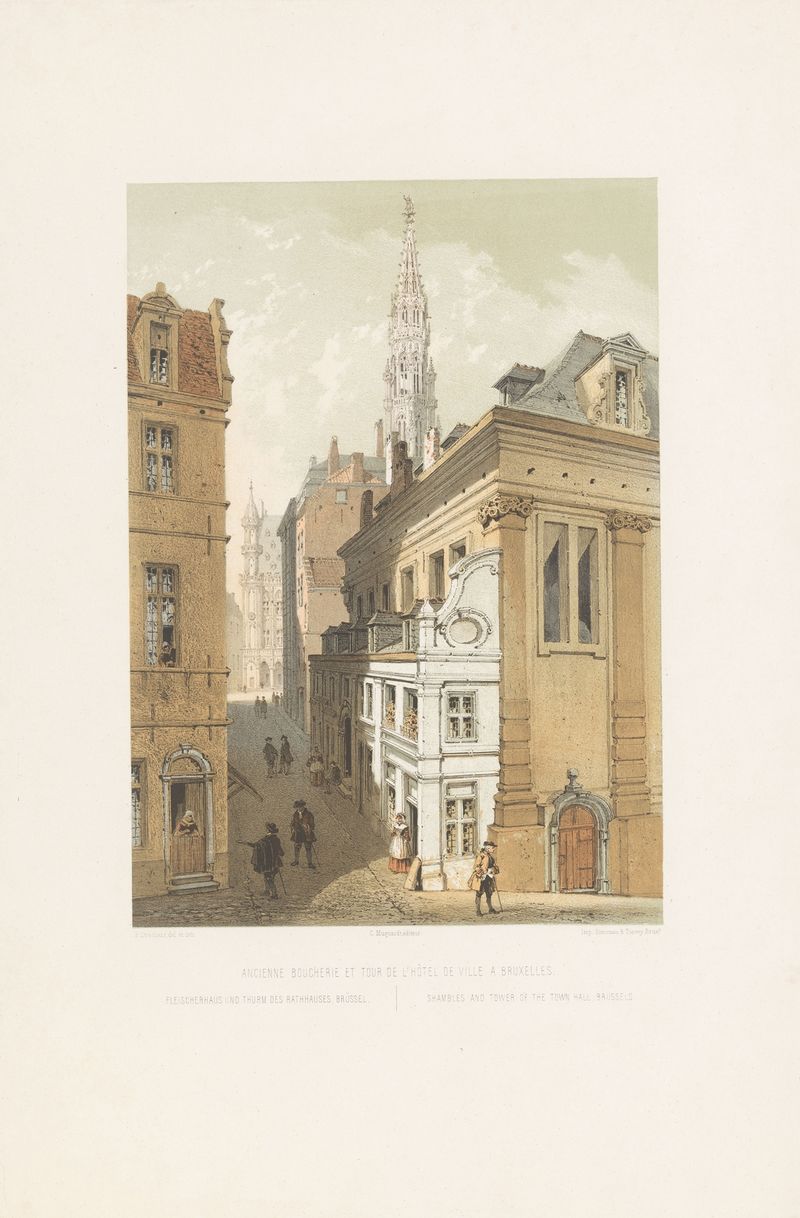
Shambles and tower of the town hall, Brussels
François Stroobant

Intérieur de l’église Grecque du Saint-Sépulcre
François Stroobant
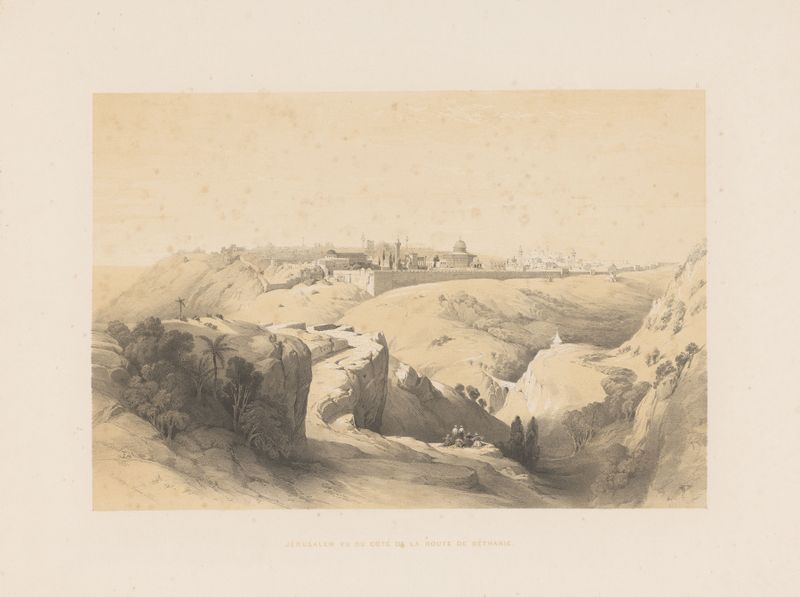
Jérusalem vu du coté de la route de Béthanie
François Stroobant

Le tabernacle du Saint-Sépulcre
François Stroobant

Town hall Brussels
François Stroobant

Fontaine de Jacob à Sichem
François Stroobant
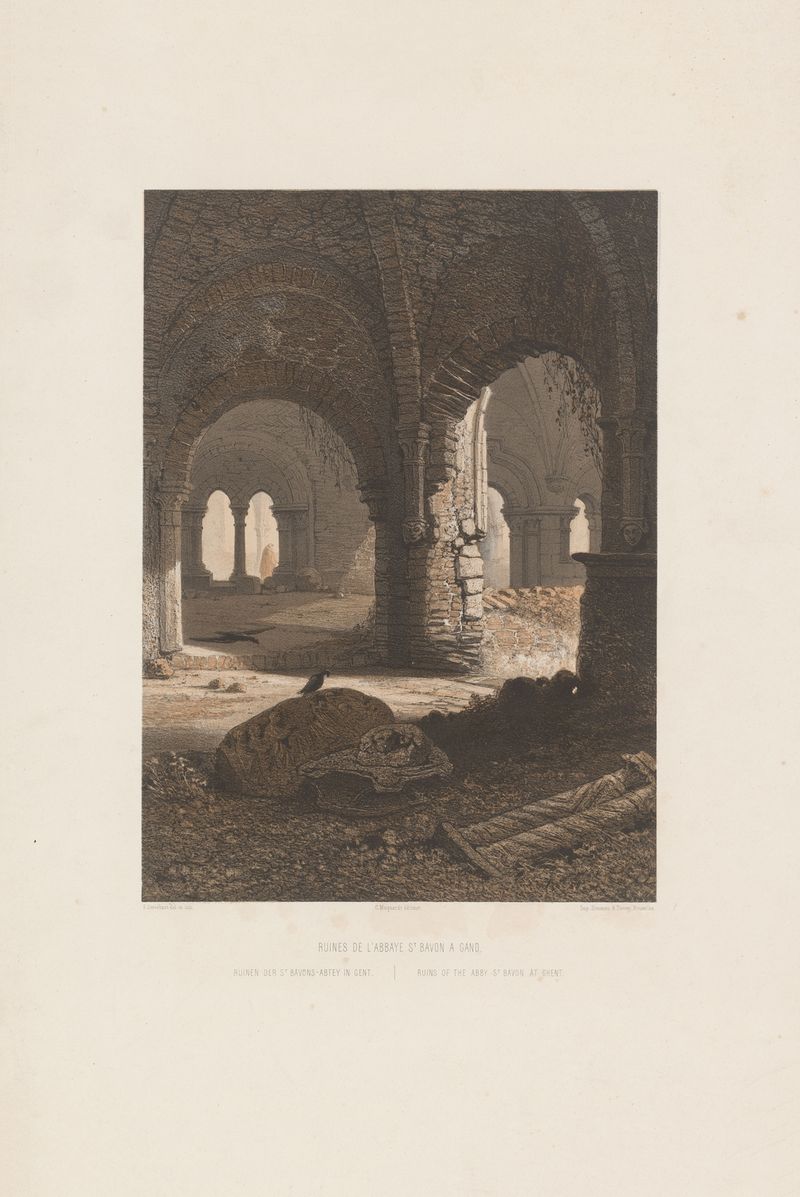
Ruins of the abby St Bavon at Ghent
François Stroobant

Vue de Naplouse
François Stroobant
Mais arte de Arquitetura
Ver tudo →
The statue of Liberty
Frédéric Auguste Bartholdi

View of Houses in Delft, Known as ‘The Little Street’
Johannes Vermeer

View of Houses in Delft, Known as ‘The Little Street’
Johannes Vermeer

The Cathedral in Rouen. The portal, Grey Weather
Claude Monet

The yellow house
Vincent van Gogh

The Church in Auvers-sur-Oise, View from the Chevet
Vincent van Gogh