
La ferme de Bienheureux — História e Análise
Can beauty exist without sorrow? This question echoes through the contours and colors of the canvas, inviting a reflection on the moments that shape our memories. Look to the left, where the thatched roof of the farmhouse dips gently into the earth, its muted browns harmonizing with the rich greens of the overgrown grass. Notice how the light filters through the trees, casting a speckled shade on the weathered path that winds its way to the entrance. The understated color palette reveals an earthiness that feels both nostalgic and melancholic, as though time itself has paused to breathe. As you delve deeper, the juxtaposition of the rustic charm and the encroaching wildness speaks to the duality of existence.
The solitary farmhouse, a symbol of home, stands resilient yet vulnerable against nature's relentless reclaiming. It embodies the tension between human endeavor and the inevitability of decay, evoking a sense of longing for what once was and what may never return. The scattered wildflowers hint at the delicate beauty that blooms amidst neglect, reminding us that even in loss, there exists a quiet grace. During the early years of the 20th century, Alphonse Legros created this work while embracing a shift in the art world towards realism and symbolism.
Living in Paris, he was immersed in a landscape of artistic experimentation and evolution, reflecting on themes of memory, loss, and the passage of time. This painting encapsulates not only his personal contemplation but also the broader conversation about the relationship between humanity and nature in a rapidly changing world.
Mais obras de Alphonse Legros
Ver tudo →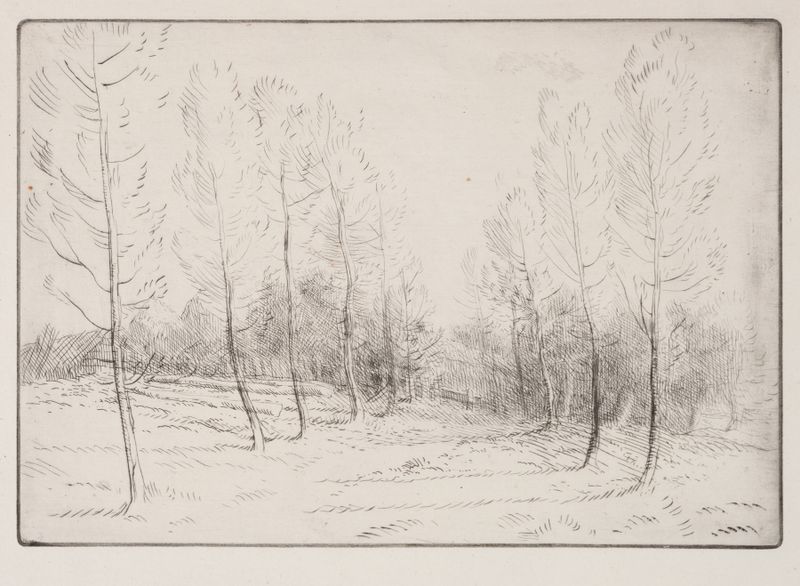
Avenue of Poplars
Alphonse Legros
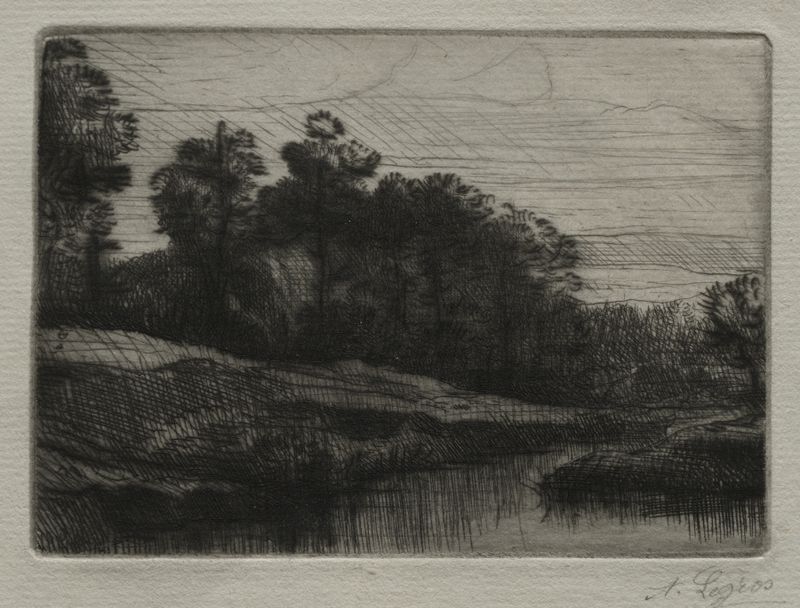
Evening
Alphonse Legros

The Fish in the Hoop Net
Alphonse Legros

The Little Beggar
Alphonse Legros
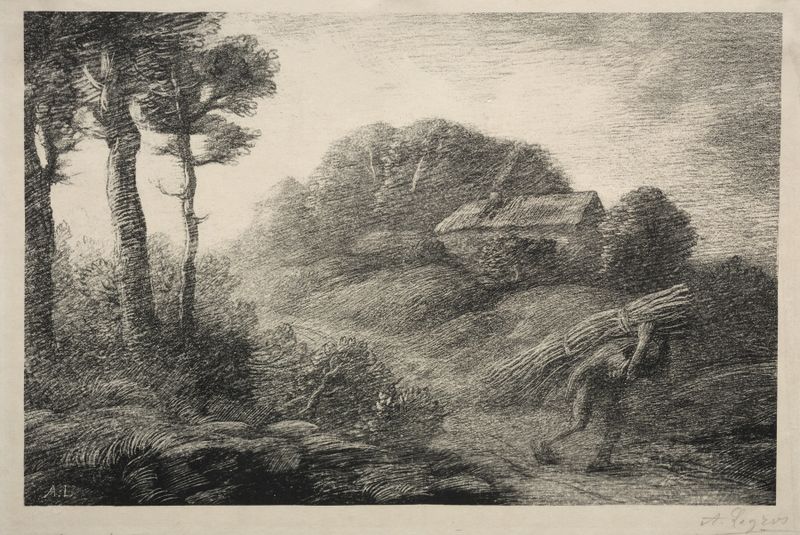
The Return of the Fagot Gatherer
Alphonse Legros

Storm
Alphonse Legros
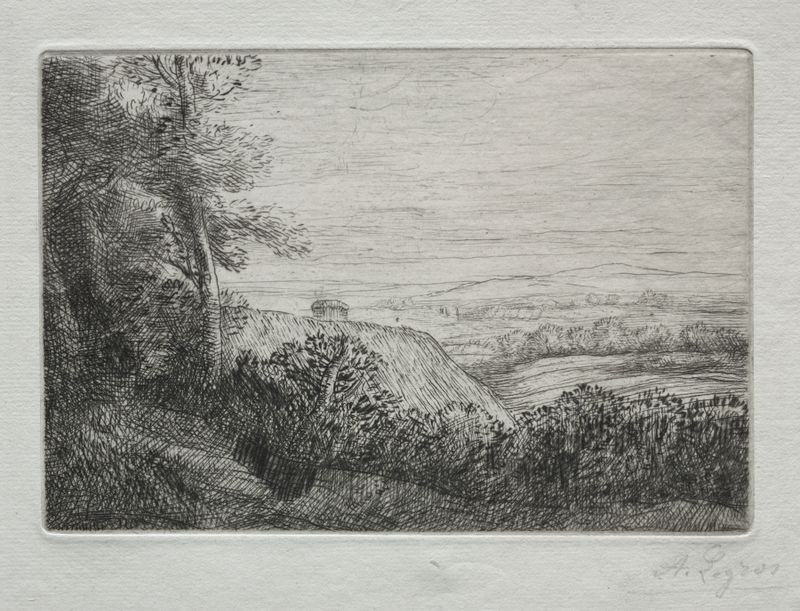
Les dernière Rayons de Soleil
Alphonse Legros
The Traveler Stretched out on the Grass
Alphonse Legros
Guard House
Alphonse Legros

Death of a Vagabond
Alphonse Legros





