La Montagne — História e Análise
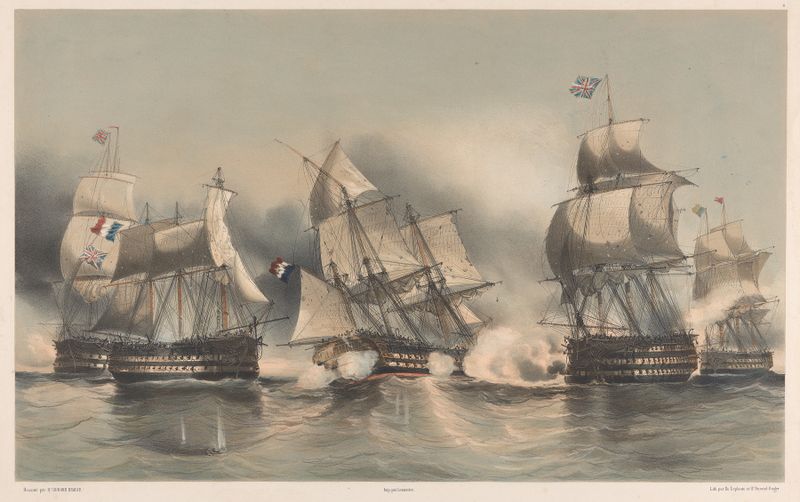
Did the painter know this moment would outlive them? The stillness of nature often echoes louder than the lives we lead, capturing both beauty and the weight of loss in its embrace. Focus on the sweeping landscape that reveals the grandeur of the mountain range, its peaks rising majestically against a vast, muted sky. Notice how the artist uses shades of gray and soft blues to evoke a sense of tranquility and melancholy. The delicate brushwork creates a subtle texture that captures the undulating forms of the mountains, while a gentle play of light illuminates the scene, drawing the viewer's gaze toward the horizon. Amidst the expansive beauty, there lies an undercurrent of loss, perhaps symbolized by the obscured valleys cloaked in shadow.
Each mountain, towering yet distant, can be seen as a metaphor for the challenges and sorrows of life, suggesting a sense of longing. The quiet atmosphere invites contemplation, allowing us to reflect on our own experiences of absence and memory, while the vibrant earth tones ground us in the present moment. Henri Durand-Brager created La Montagne in 1844, during a time when Romanticism was beginning to shape the artistic landscape of France. Emerging from the turmoil of the July Revolution of 1830, Durand-Brager found solace and inspiration in nature, immersing himself in landscapes that resonated with emotional depth.
His work reflects both personal introspection and the broader cultural shift towards appreciating the sublime beauty of the natural world.