
La passerelle de la Concorde — História e Análise
This reflection encapsulates the essence of a moment caught in the balance between chaos and contemplation, evoking the silent revolution of thought and form present in art. Focus first on the sweeping arch of the bridge that slices through the composition, a metaphorical link between past and present. Notice how the gentle interplay of muted blues and soft grays envelops the scene in an atmosphere of stillness, allowing the structure to emerge like a beacon of resilience amid uncertainty. The artist’s brushwork creates a sense of depth in the water below, mirroring the sky’s subdued palette and grounding the viewer in a world arrested in time. In this painting, the bridge stands as a symbol of transition, hinting at the transformative period between the two World Wars.
The quietude of the surface belies an undercurrent of tension, invoking the viewer to consider the revolution of ideas and societal change brewing just beneath the surface. The juxtaposition of solid architecture against the fluidity of the water captures the delicate dance between stability and uncertainty, a reflection of a world on the brink of reinvention. Ferdinand Boberg created this captivating piece in 1926, a time when Europe was navigating the aftermath of the First World War, grappling with the disillusionment and hope of new beginnings. Living in France during this dynamic period, Boberg was influenced by the avant-garde movements that challenged traditional forms, positioning him at the forefront of artistic exploration.
His work resonates with a search for identity, encapsulating the spirit of a society poised for change.
Mais obras de Ferdinand Boberg
Ver tudo →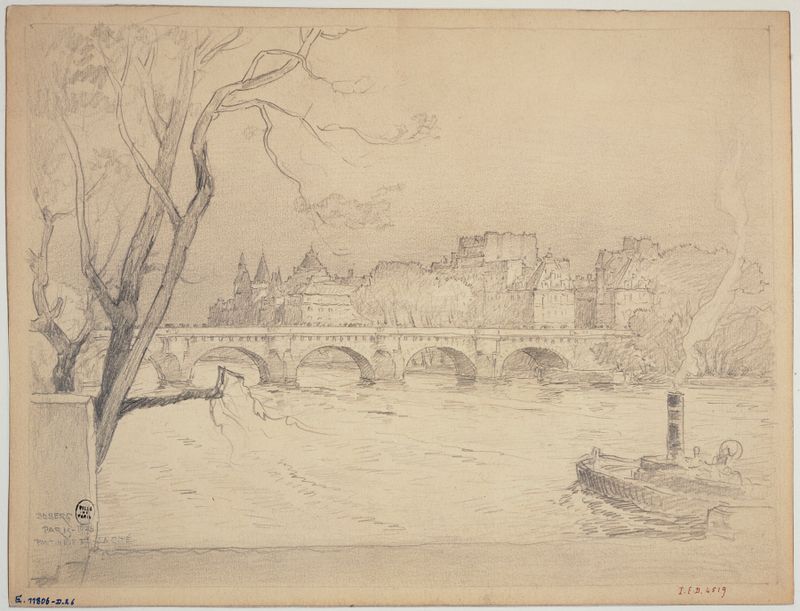
Le Pont-Neuf et la Cité
Ferdinand Boberg
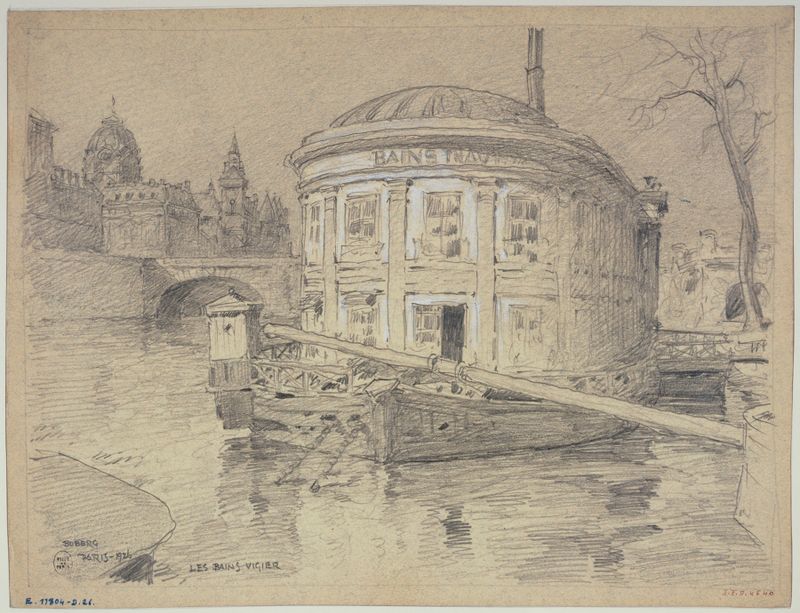
Les bains Vigier au Pont-Neuf
Ferdinand Boberg
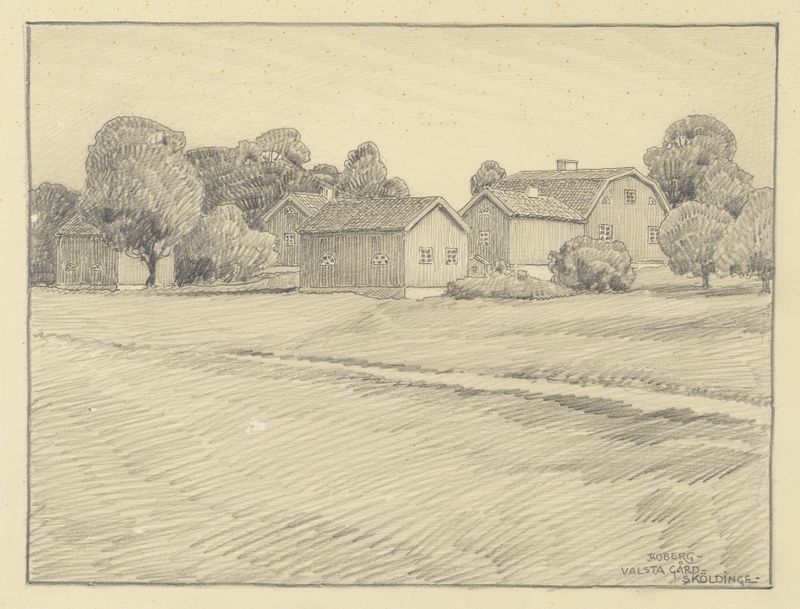
Valsta Gård
Ferdinand Boberg
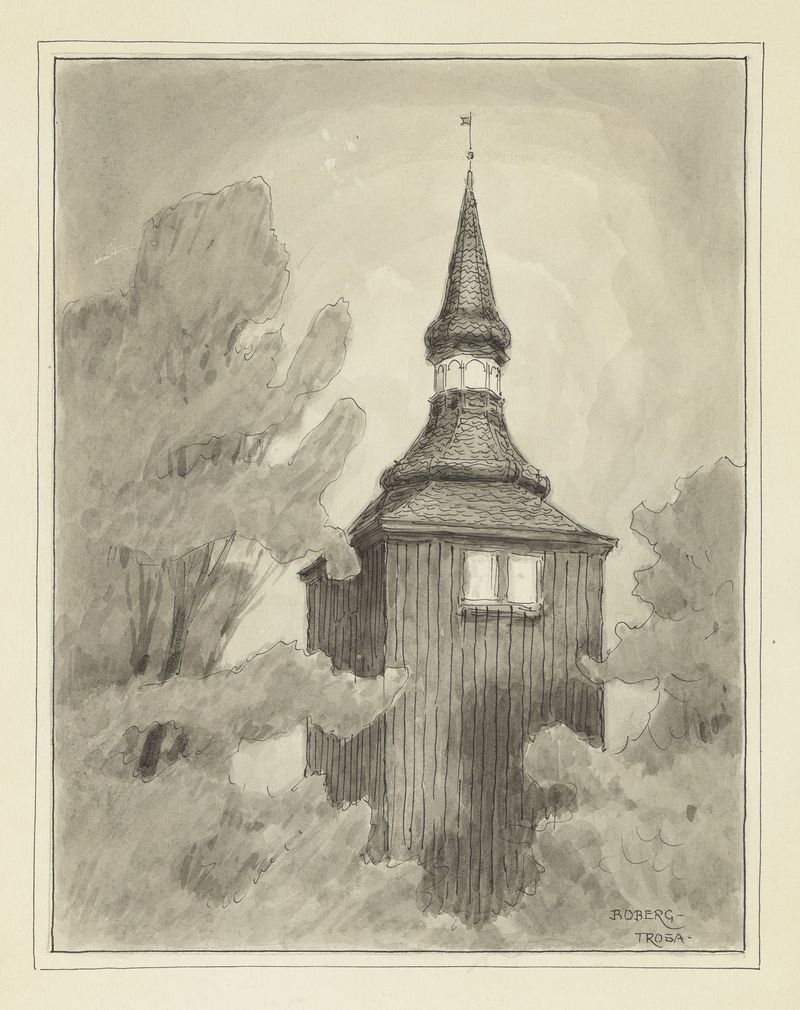
Trosa
Ferdinand Boberg
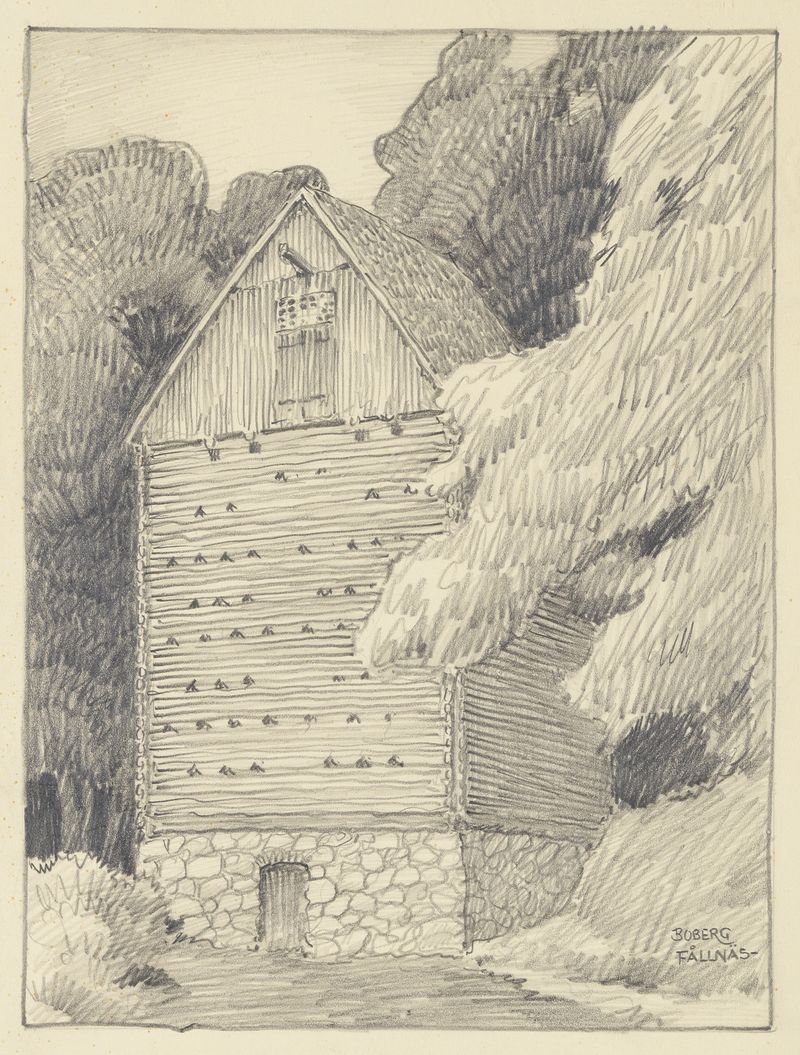
Fållnäs
Ferdinand Boberg
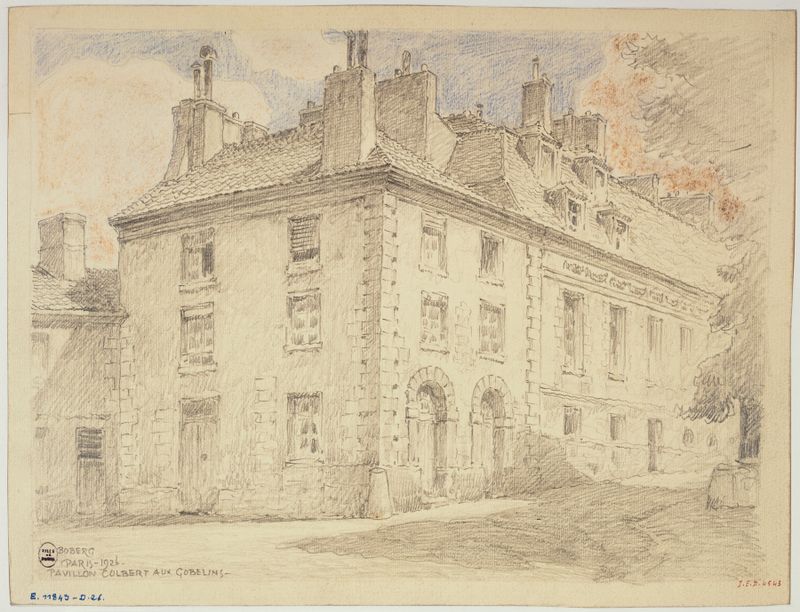
Le pavillon Colbert aux Gobelins
Ferdinand Boberg
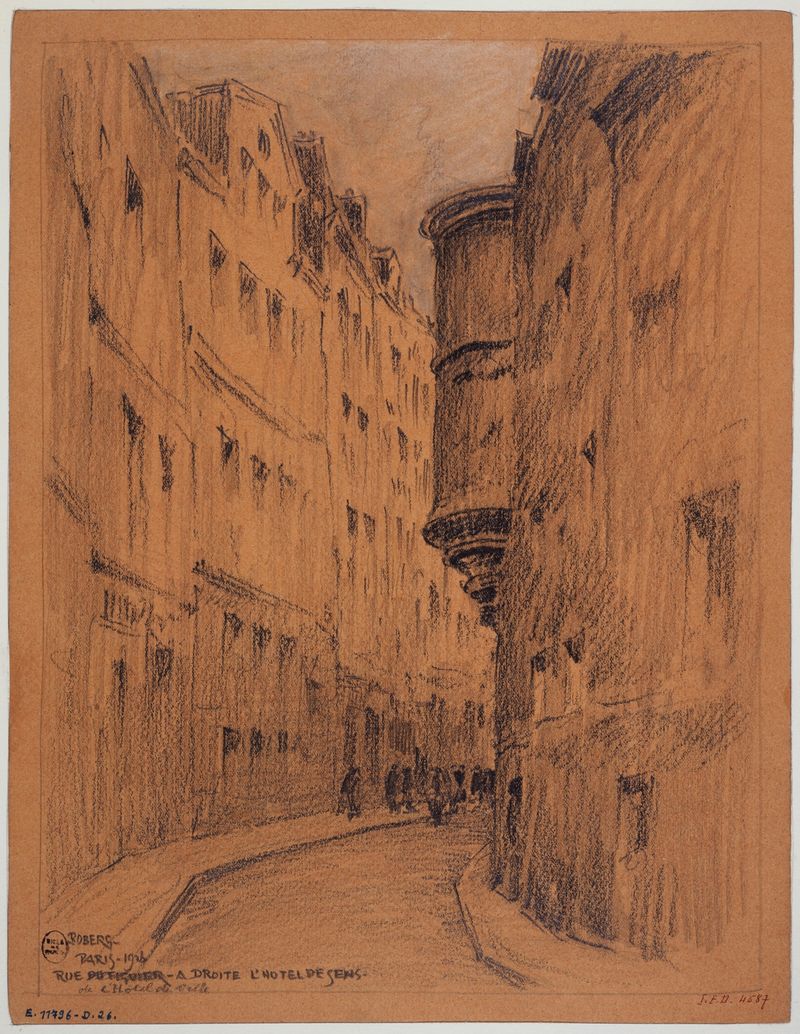
Rue de l’Hôtel de Ville; l’hôtel de Sens
Ferdinand Boberg
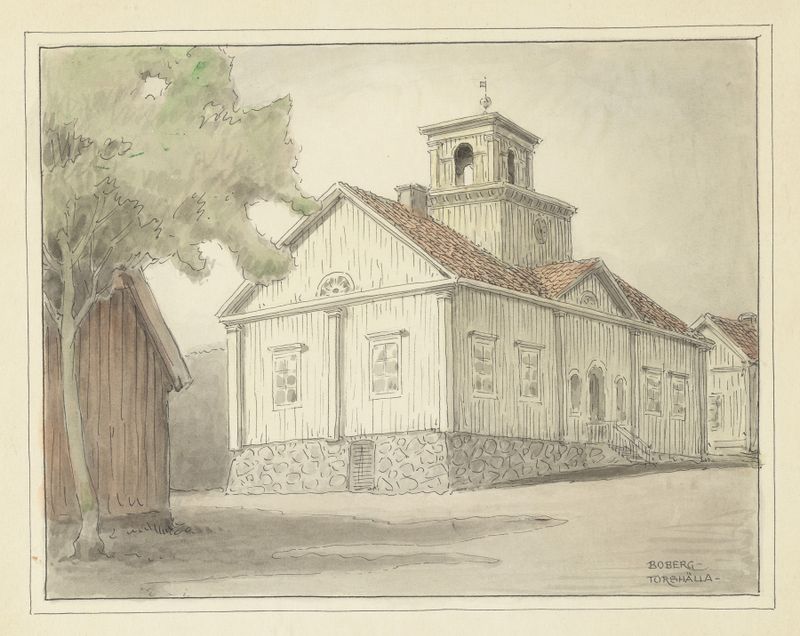
Torshälla
Ferdinand Boberg
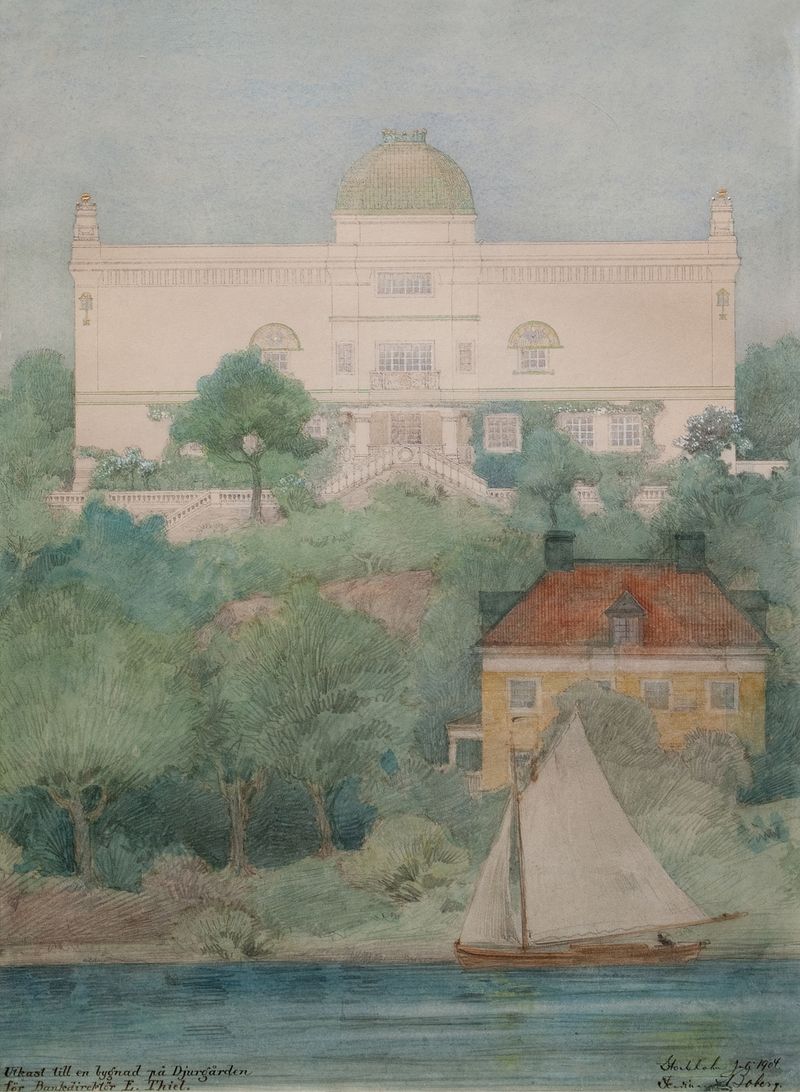
Sketch for a building for Thiel’s Gallery
Ferdinand Boberg
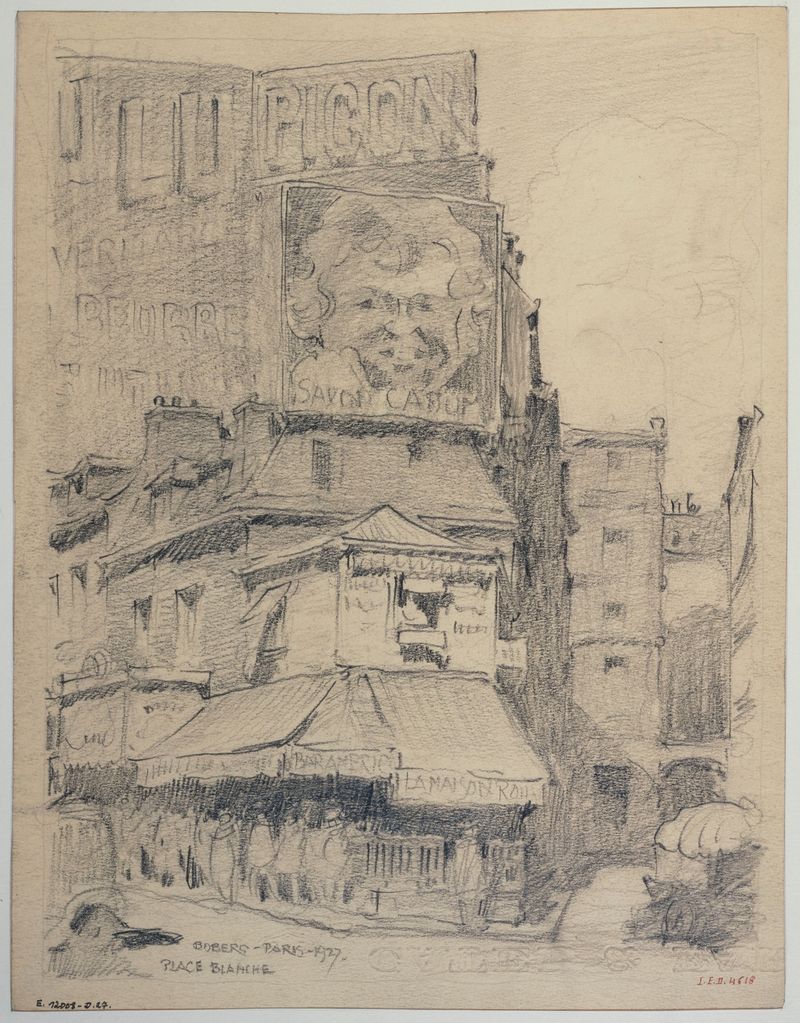
La place Blanche
Ferdinand Boberg
Mais arte de Arquitetura
Ver tudo →
The statue of Liberty
Frédéric Auguste Bartholdi

View of Houses in Delft, Known as ‘The Little Street’
Johannes Vermeer

View of Houses in Delft, Known as ‘The Little Street’
Johannes Vermeer

The Cathedral in Rouen. The portal, Grey Weather
Claude Monet

The yellow house
Vincent van Gogh

The Church in Auvers-sur-Oise, View from the Chevet
Vincent van Gogh