
La route de Tournedos — História e Análise
Did the painter know this moment would outlive them? In La route de Tournedos, the fleeting essence of nature and the passage of time converge, whispering tales of rebirth and renewal. Look to the left at the gentle curve of the road, where it gracefully leads the eye into the distance. The path is flanked by lush greenery, vibrant and alive, inviting you to wander alongside it. Notice how the play of light filters through the canopy, casting dappled shadows upon the earth, creating an interplay between light and dark that embodies both warmth and mystery.
The soft brushstrokes evoke a sense of movement, as if the scene is forever caught on the brink of change. Delve deeper into this composition, and you will find a lush tapestry of contrasts; the vivid greens of the foliage stand in stark relief to the muted earth tones of the path. This tension speaks to an underlying narrative of growth amidst decay, as the cycle of nature unfolds before our eyes. The artist captures not only a landscape but the emotional resonance of a world in constant flux, suggesting that every journey carries the promise of transformation. In 1923, while residing in France, the artist embraced the Impressionist legacy, reflecting a personal quest for harmony between nature and the human spirit.
After the turmoil of World War I, there was a collective yearning for renewal, and Loiseau’s work emerged as a poignant expression of this desire. As he captured the serenity of Tournedos, he simultaneously celebrated the resilience of life, crafting a scene that transcends time.
Mais obras de Gustave Loiseau
Ver tudo →
Rue de village en Normandie
Gustave Loiseau
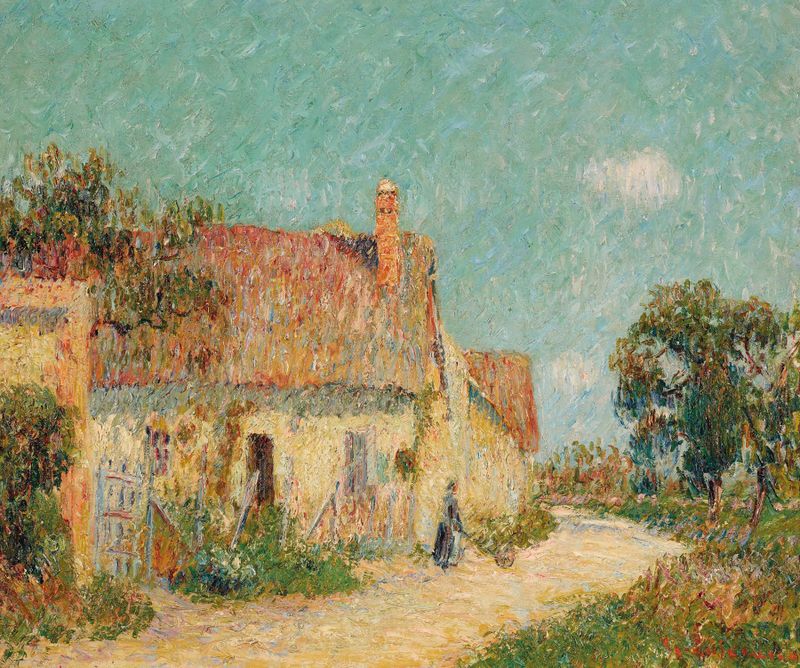
Chaumière en Normandie
Gustave Loiseau

Paysage d’Hiver à Chaponval
Gustave Loiseau
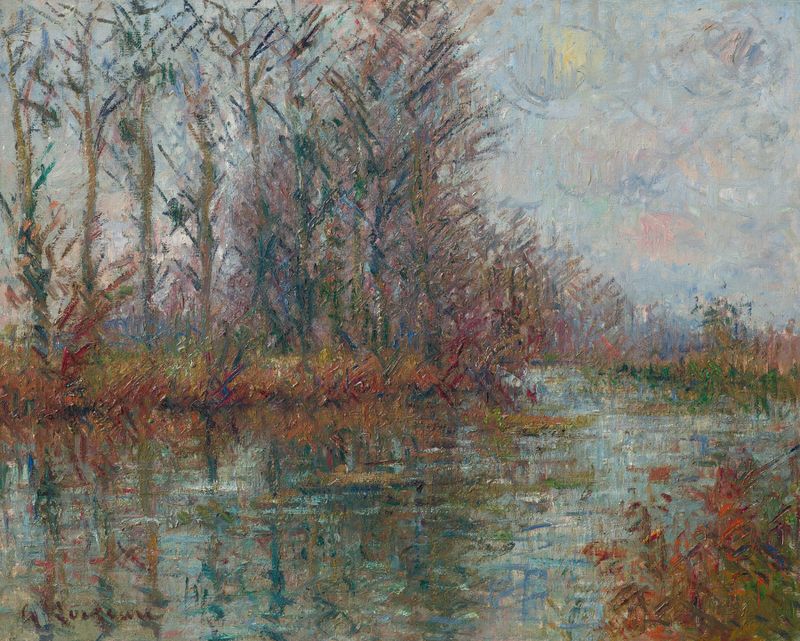
Tournant de rivière, L’Eure
Gustave Loiseau

Pont Marie, Paris
Gustave Loiseau

Le Bras De Mer
Gustave Loiseau

Le Pont Suspendu À Triel
Gustave Loiseau

Bord de la rivière
Gustave Loiseau
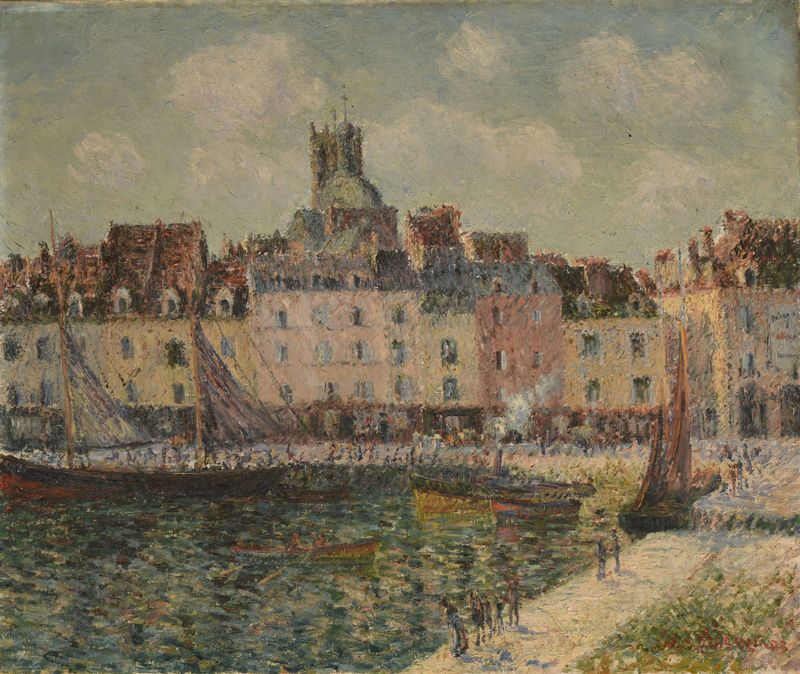
Le Quai Duquesne à Dieppe
Gustave Loiseau

Rocher la Teignouse, Cap Fréhel
Gustave Loiseau





