
La route (The Road) — História e Análise
Who listens when art speaks of silence? In La route, a seemingly tranquil pathway unfolds, evoking the fleeting nature of existence and the quiet contemplation of mortality. Look to the left, where the winding road is framed by soft strokes of green and gold, inviting the eye to journey along its meandering path. Notice the way sunlight dapples through the leaves, illuminating patches of earth and hinting at secrets hidden in the shadows. The brushwork is both deliberate and spontaneous, blurring the lines between reality and memory, giving the viewer a sense of time suspended. Yet, beneath the surface calm lies an undercurrent of tension.
The road stretches toward an unknown horizon, suggesting both promise and uncertainty, a metaphor for life's inevitable progression. The contrast of light and shade not only represents the dichotomy of joy and sorrow but also reflects the artist's exploration of the transient beauty of life itself. Each stroke resonates with a sense of longing, as if to remind us that each step taken is both a journey and a farewell. Achille Laugé painted La route in 1893 while immersing himself in the vibrant art scene of France, where Impressionism was at its peak.
This period marked a significant shift towards capturing everyday moments, emphasizing light and color over form. Laugé, influenced by this movement, sought to convey deeper emotional truths through seemingly simple landscapes, encapsulating both the beauty and ephemerality of existence.
Mais obras de Achille Laugé
Ver tudo →
Ruelle au balcon fleuri
Achille Laugé

L’hort À Cailhau
Achille Laugé
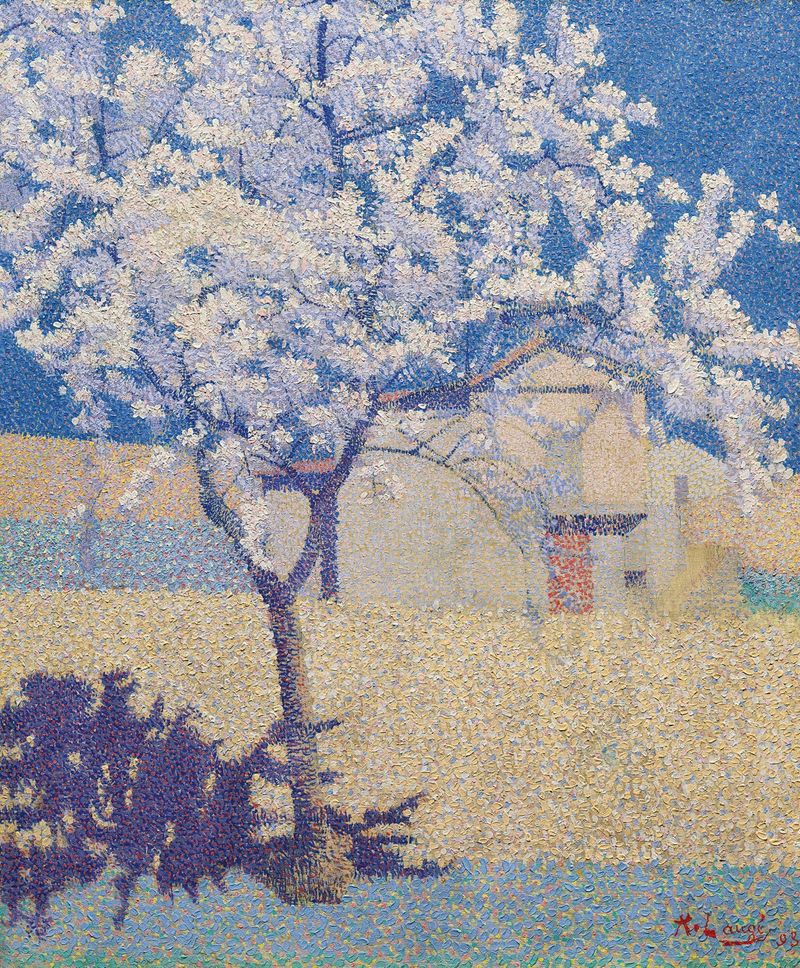
L’Arbre En Fleur
Achille Laugé

L’allée de saules derrière l’Alouette à Cailhau
Achille Laugé
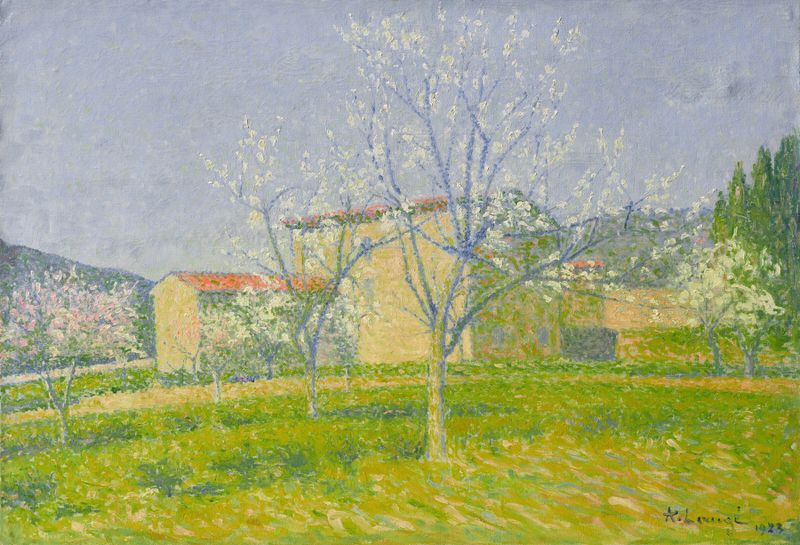
Verger en fleurs à Alet-les-Bains (Aude)
Achille Laugé
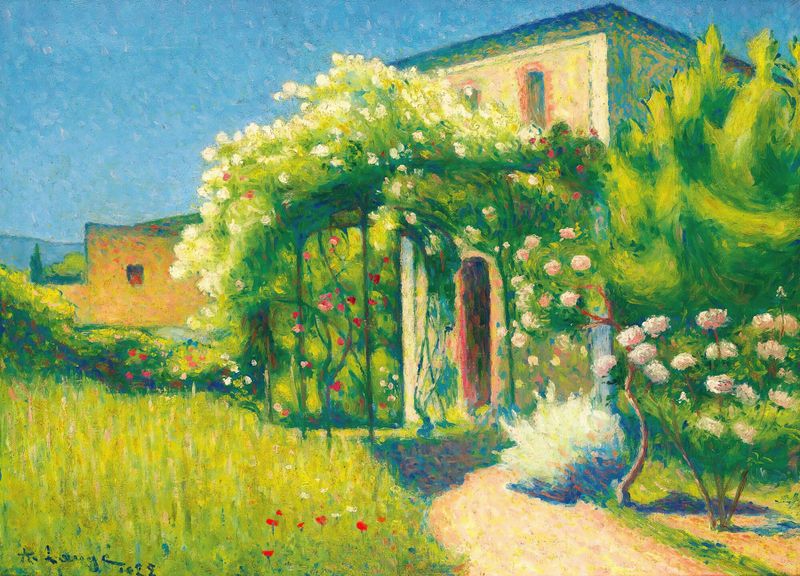
L’Atelier À Alet-Les-Bains
Achille Laugé
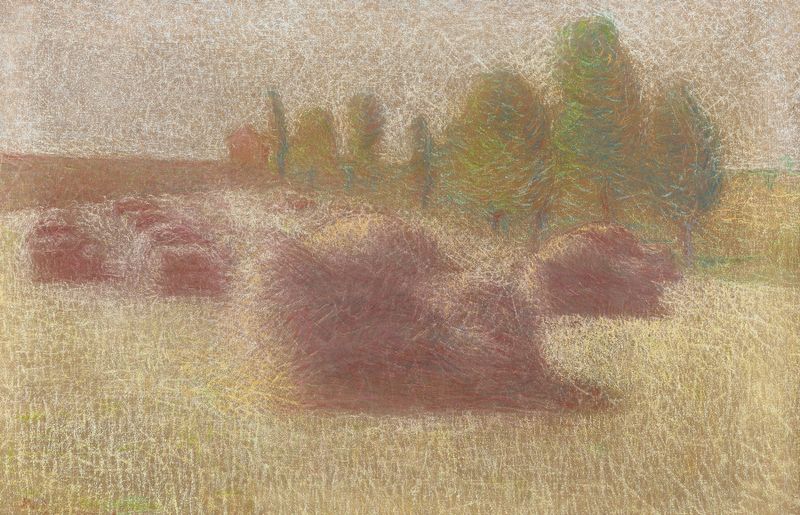
Les Gerbes
Achille Laugé
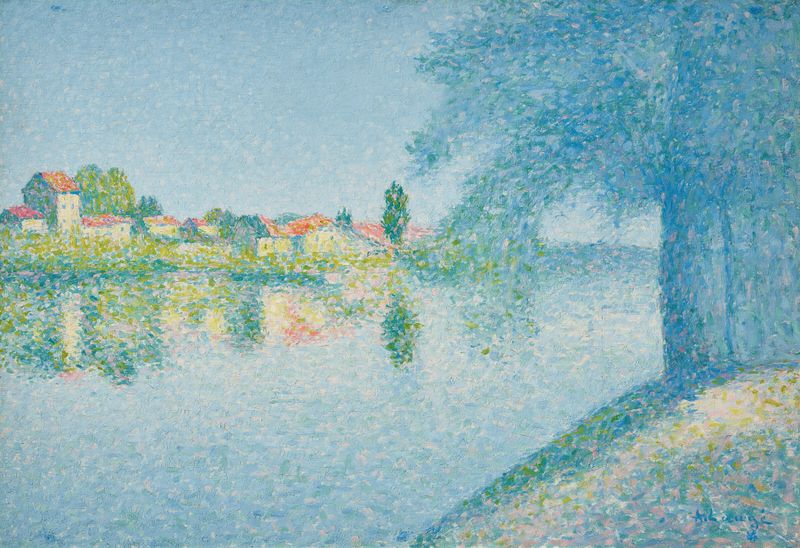
Vue des quais de la Garonne
Achille Laugé

La route de Belvèze vers le relais
Achille Laugé
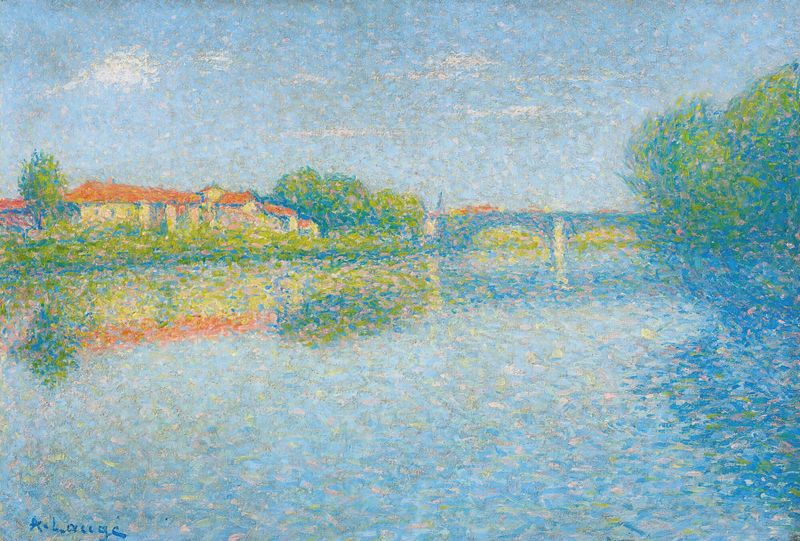
La Garonne À Toulouse
Achille Laugé





