
La rue du Prévôt — História e Análise
In the stillness of La rue du Prévôt, a whisper of nostalgia lingers, inviting viewers to ponder the unspoken stories held within its vibrant hues and soft shadows. Look to the left at the serene cobblestone street, where the buildings stand sentinel beneath a muted sky. Notice how the warm earthy tones contrast gently with the cooler blues and greys, creating a harmonious balance. Light filters softly across the canvas, illuminating the textures of the aged façades, while shadows subtly hint at the passage of time.
The composition draws you in, as if urging you to wander the deserted street, feeling the weight of history. A sense of isolation pervades the scene, evoking a contrast between the vibrancy of life once lived here and the quiet stillness of the present. The absence of people amplifies this emotional tension, leaving the viewer to reflect on the memories that echo within the walls. Each detail, from the flickering light in the windows to the shadows that stretch across the pavement, invites contemplation of what has been lost and what remains unspoken. In 1926, the artist created this work while living in a Europe still reeling from the aftermath of World War I.
The landscape of art was shifting, with movements like modernism gaining prominence. Boberg, situated in a time of transformation, sought to capture the essence of urban life through his own lens, merging traditional techniques with a newfound modern sensibility.
Mais obras de Ferdinand Boberg
Ver tudo →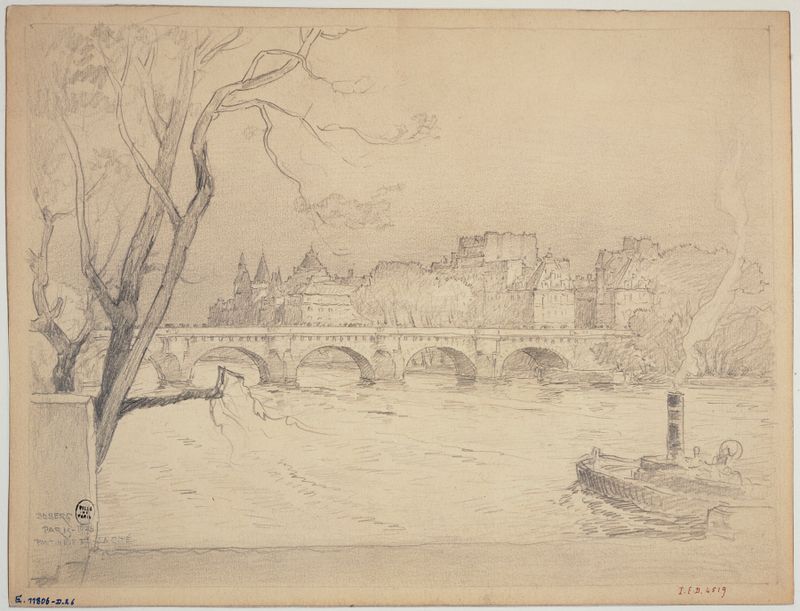
Le Pont-Neuf et la Cité
Ferdinand Boberg
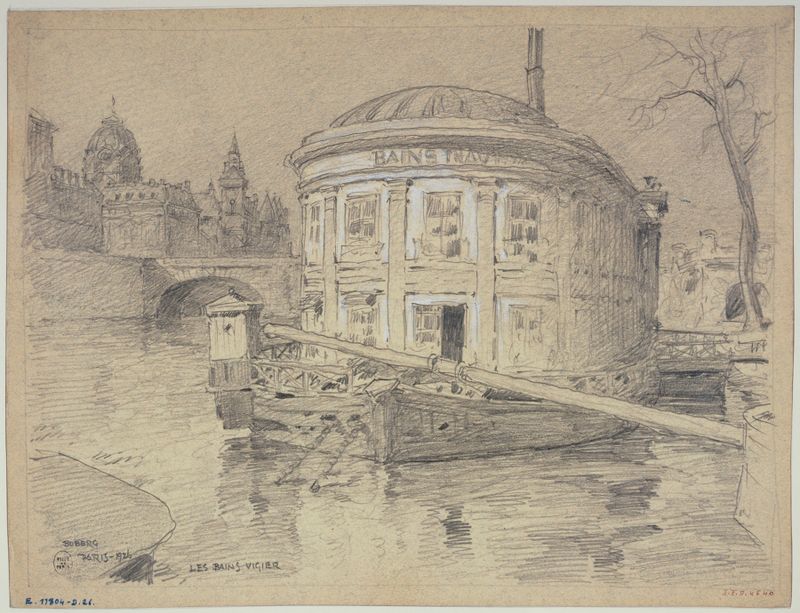
Les bains Vigier au Pont-Neuf
Ferdinand Boberg
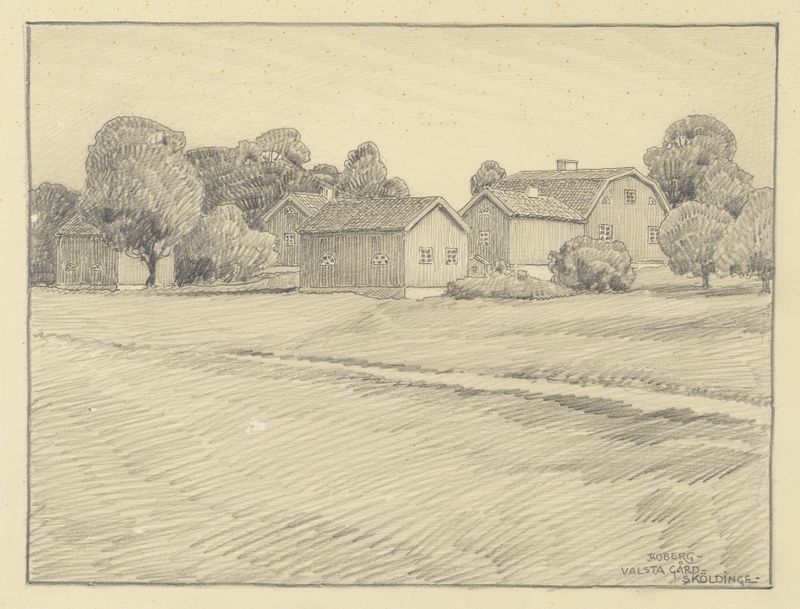
Valsta Gård
Ferdinand Boberg
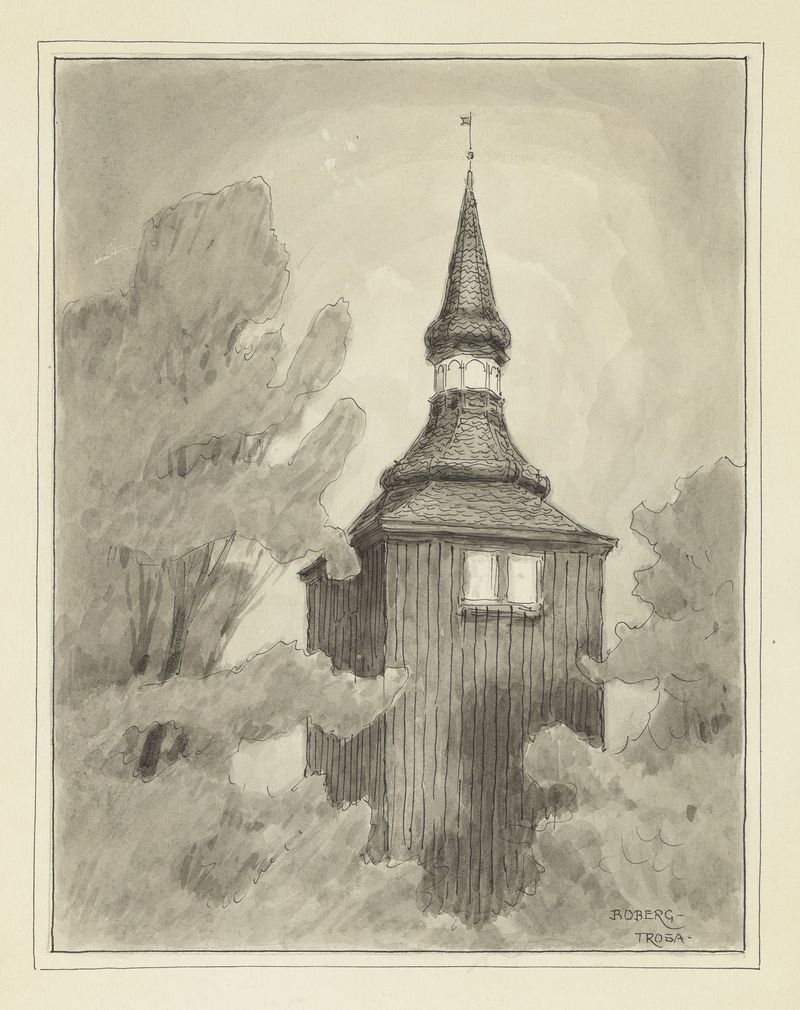
Trosa
Ferdinand Boberg
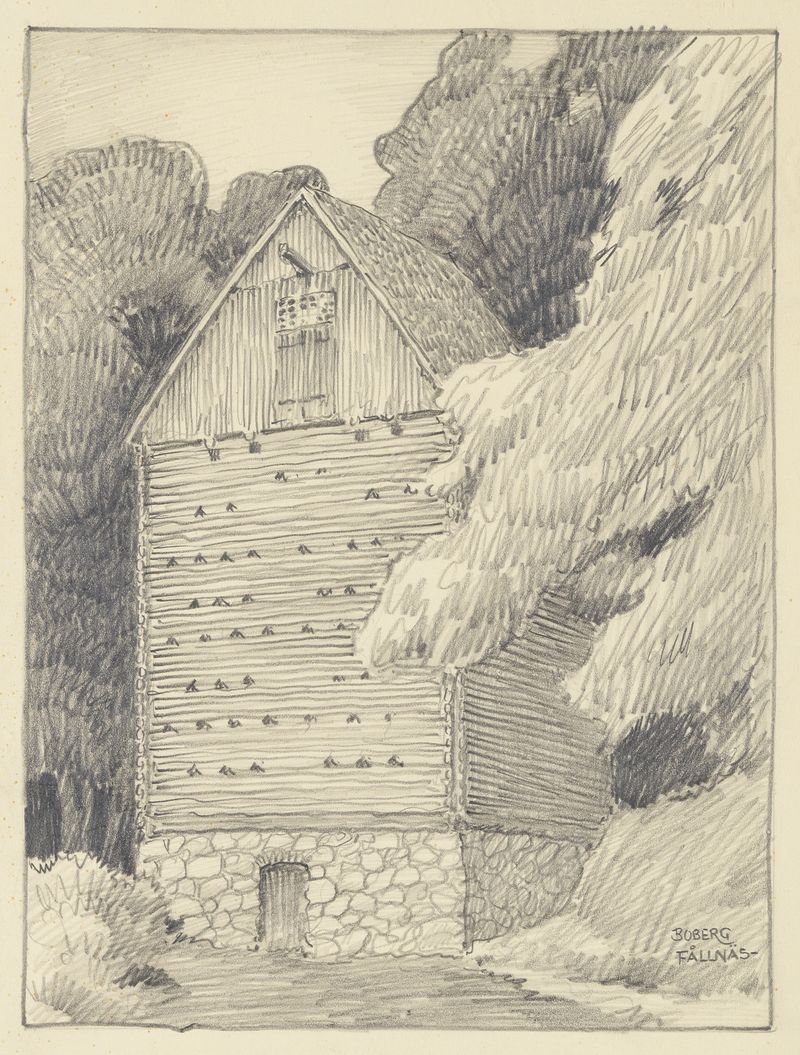
Fållnäs
Ferdinand Boberg
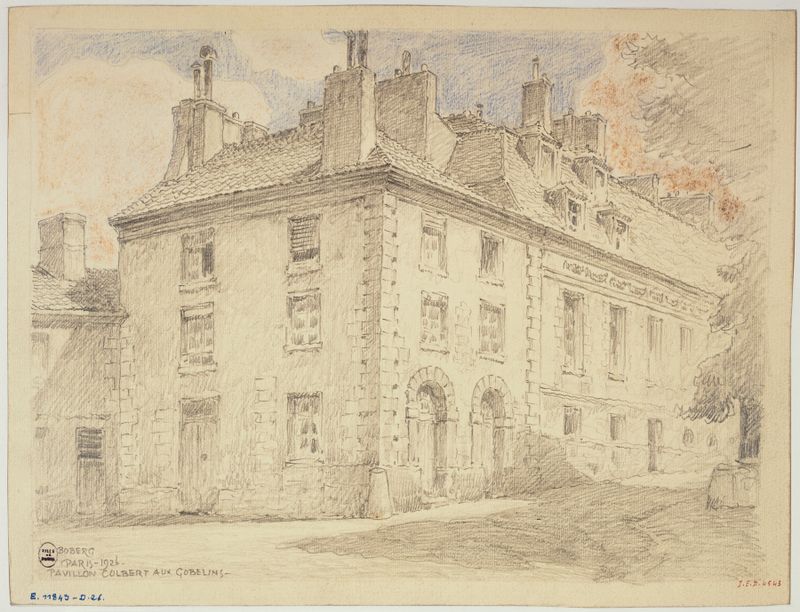
Le pavillon Colbert aux Gobelins
Ferdinand Boberg
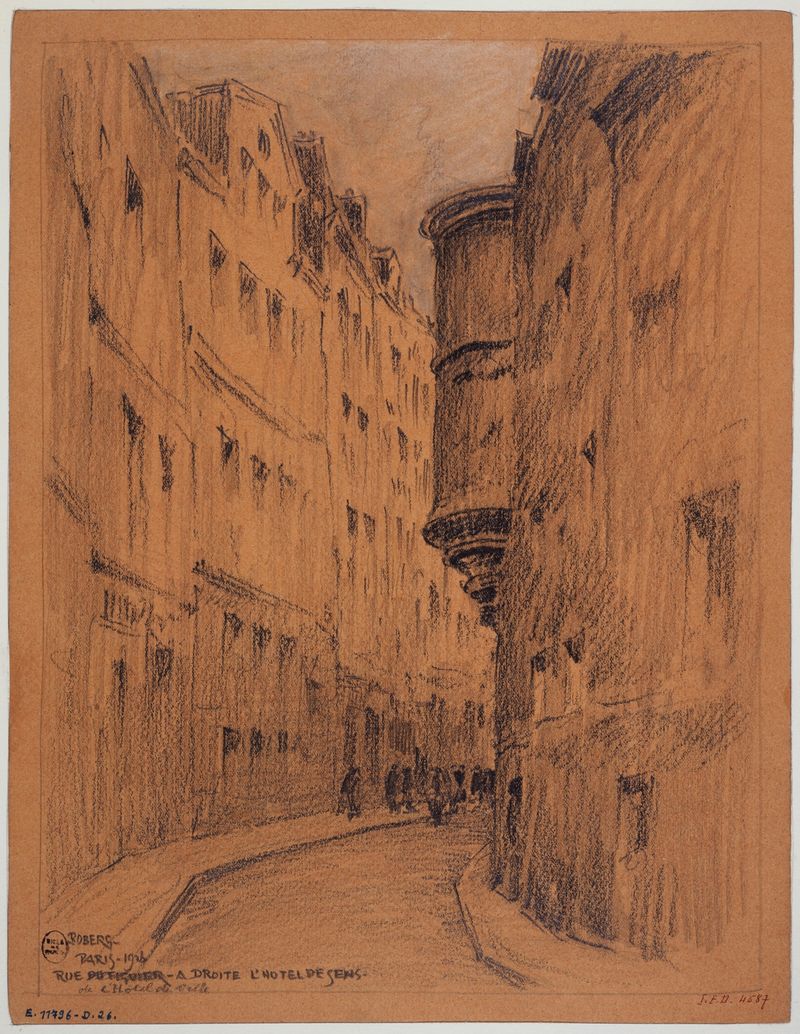
Rue de l’Hôtel de Ville; l’hôtel de Sens
Ferdinand Boberg
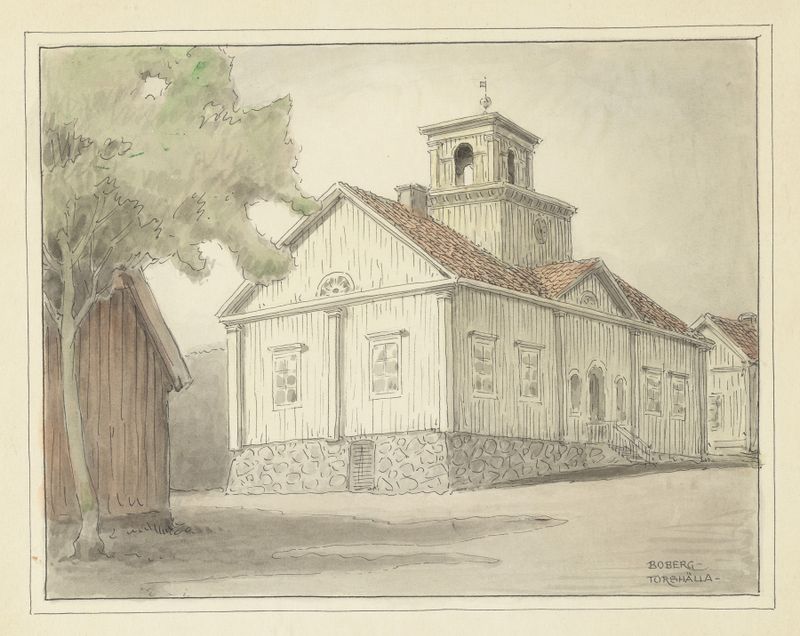
Torshälla
Ferdinand Boberg
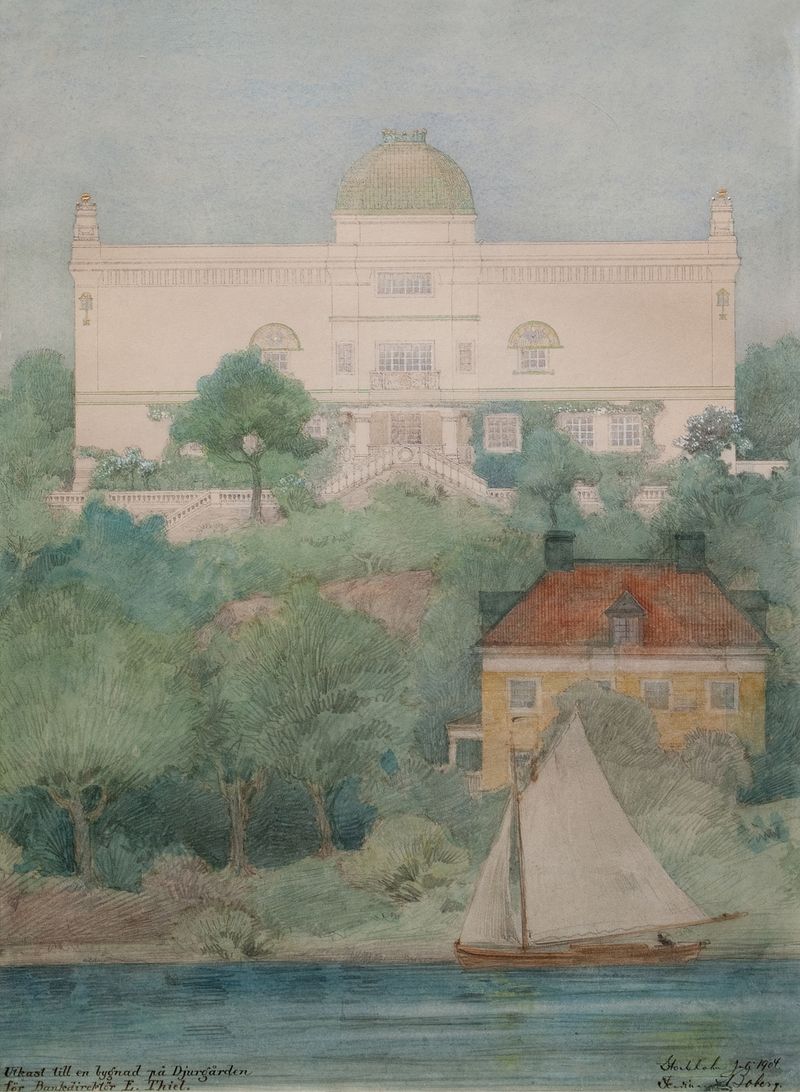
Sketch for a building for Thiel’s Gallery
Ferdinand Boberg
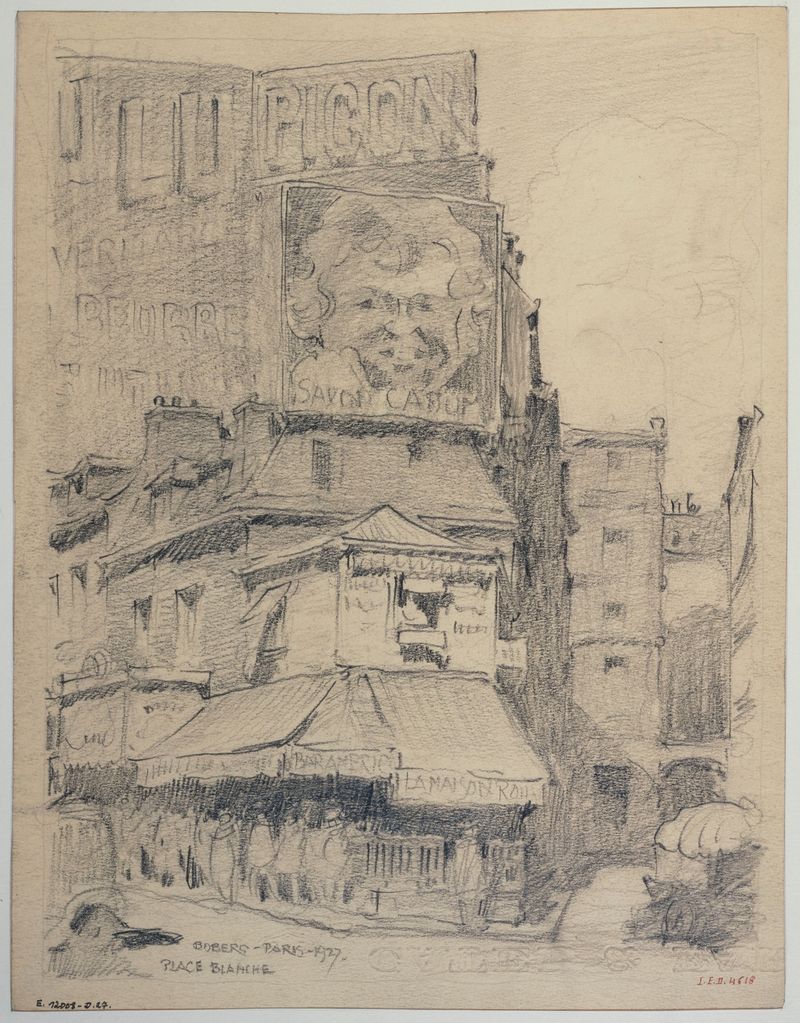
La place Blanche
Ferdinand Boberg





