
La Sologne — História e Análise
In the quietude of La Sologne, emotional weight hangs in the air, inviting the viewer to explore the depths of grief and remembrance. Look to the center of the canvas where the lush greenery forms a natural heart, pulsating with vibrancy amid the muted earth tones. Notice how the artist's deft brushstrokes create a dynamic interplay of light and shadow, casting a glow that almost breathes life into the scene. The sky, painted in soft pastels, gently swathes the land below, while the careful layering of colors evokes a sense of calm intermingled with an undercurrent of sorrow. In the foreground, the juxtaposition of blooming flowers against the starkness of bare branches subtly captures the tension between loss and renewal.
Each element tells a story; the vibrant blooms symbolize fleeting beauty, while the skeletal branches emphasize emptiness and longing. Together, they reflect the complex emotions that linger in the aftermath of change—an echo of life intertwined with the pangs of absence. Created in 1918, this piece emerged during a time of upheaval, as the impact of World War I echoed through Europe. Living in France, Valtat sought to depict the landscapes he cherished while grappling with personal and societal loss.
This work stands as a testament to the artist's ability to transform his grief into a profound visual narrative, capturing both the resilience and fragility of life.
Mais obras de Louis Valtat
Ver tudo →
Bord de rivière aux arbres
Louis Valtat

Normandie
Louis Valtat

Paysage du Midi
Louis Valtat
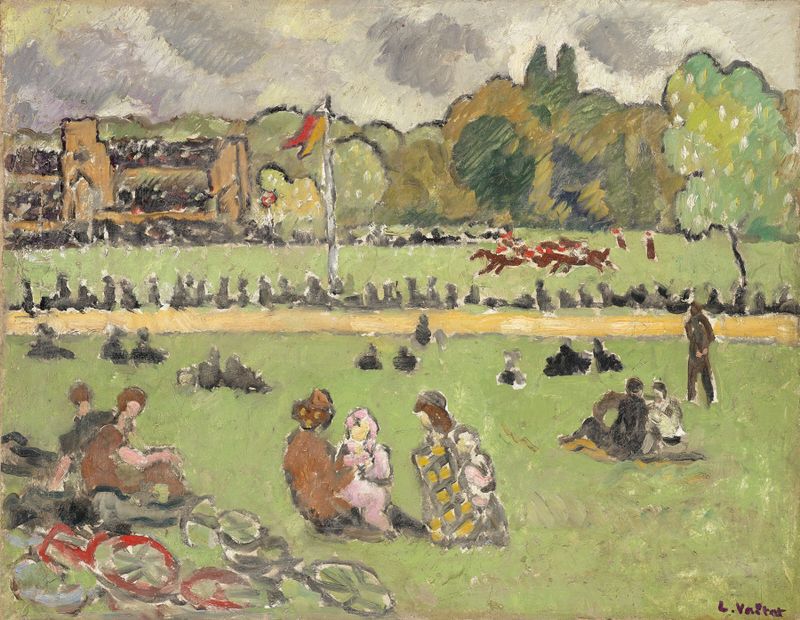
Les Courses
Louis Valtat
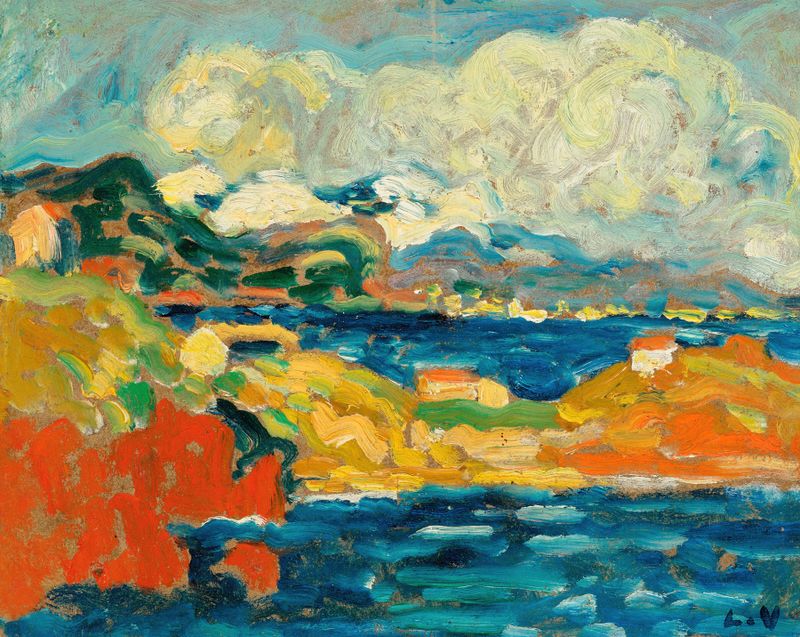
La baie à Anthéor
Louis Valtat

Femme assise au bord de la mer
Louis Valtat
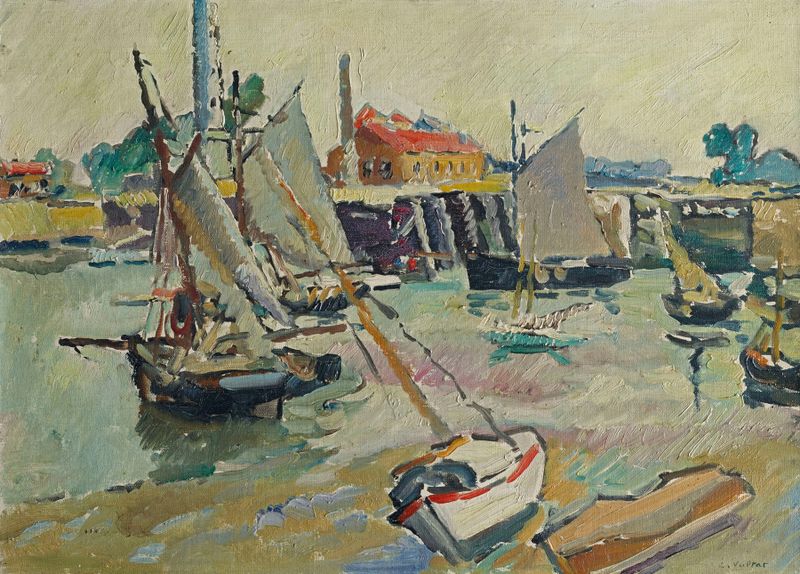
Voiliers au port à marée basse, Ouistreham
Louis Valtat

La maison au bord de la route en Normandie
Louis Valtat

La maison dans le jardin fleuri
Louis Valtat

Le jardin de la maison au toit rouge
Louis Valtat





