
La tarde — História e Análise
Can beauty exist without sorrow? In the tender hues of twilight, where day surrenders to evening, nostalgia dances silently through the canvas, whispering secrets of lost moments and unspoken farewells. Look closely at the gentle gradient of warm oranges and soft purples that fill the sky; Daubigny’s masterful brushwork captures the fleeting light of dusk, inviting you to trace the horizon. Notice how the silhouettes of trees rise darkly against the vibrant backdrop, their stillness contrasting the emotional turbulence of the scene. The water reflects this color palette, creating a seamless blend of earth and sky, anchoring the viewer in a moment that feels both serene and haunting. Within this tranquil landscape lies a deeper narrative—an exploration of transience and memory.
The quiet waters serve as a metaphor for the passage of time, evoking a sense of longing for what has slipped away. Each brushstroke hints at the fragility of beauty, suggesting that the most poignant moments are often tinged with a bittersweet essence. There’s an invitation to linger, to feel the weight of nostalgia that envelops the scenery, making the viewer acutely aware of both the beauty and melancholy that coexist. In this undefined moment, Daubigny was painting during the mid-19th century, a time when French landscape artists began to embrace the natural world with newfound sensitivity.
He was influenced by the Barbizon School, focusing on direct observation and the emotional resonance of nature. This period marked a shift in the art world as artists sought to evoke feelings rather than adhere strictly to realism, allowing La tarde to embody the essence of both beauty and sorrow in perfect harmony.
Mais obras de Charles François Daubigny
Ver tudo →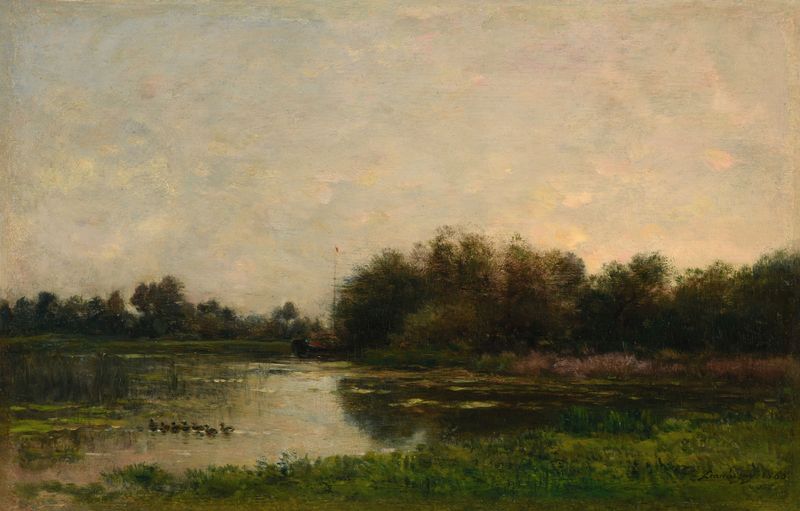
Bords de l’Oise
Charles François Daubigny
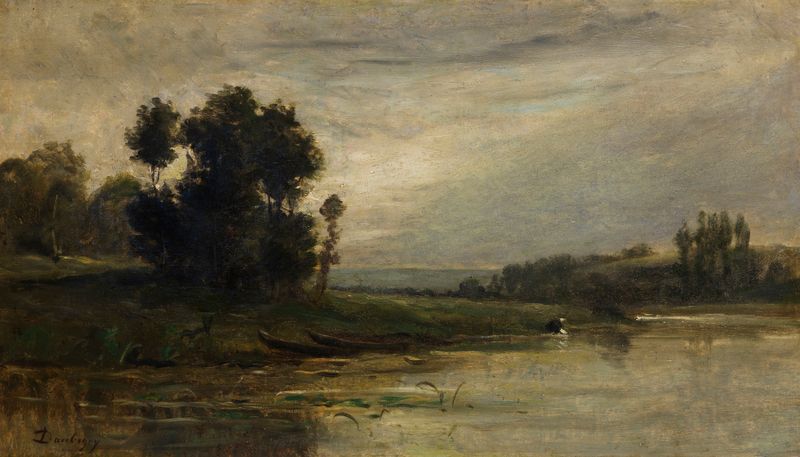
Bords de l’Oise
Charles François Daubigny
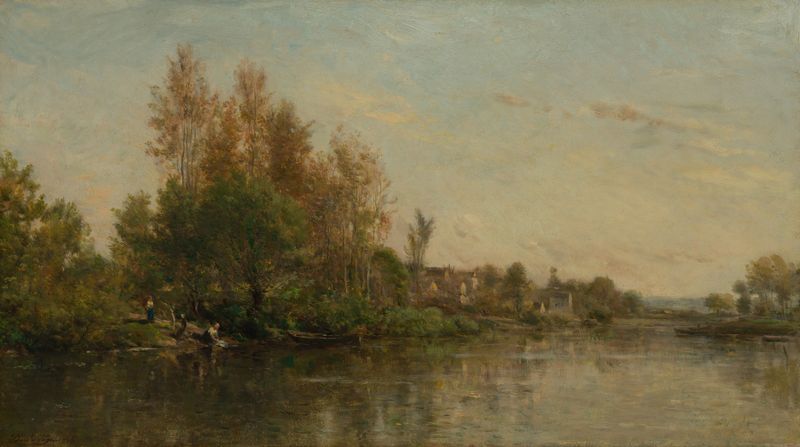
The Banks of the Oise
Charles François Daubigny
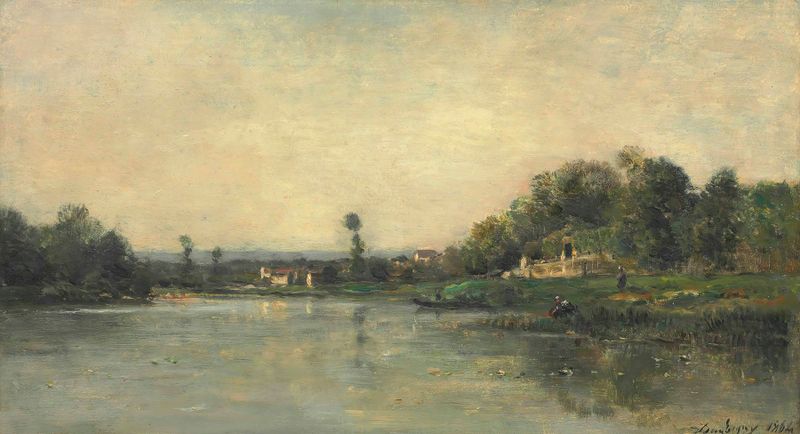
Les Bords De L’oise
Charles François Daubigny
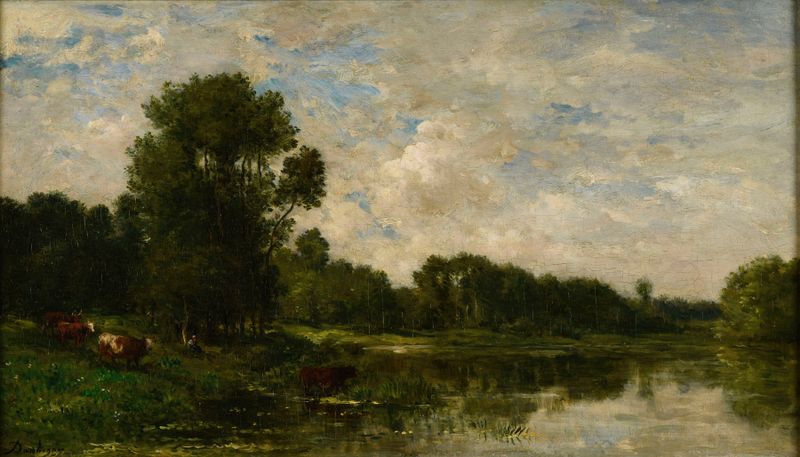
Bords de l’Oise
Charles François Daubigny
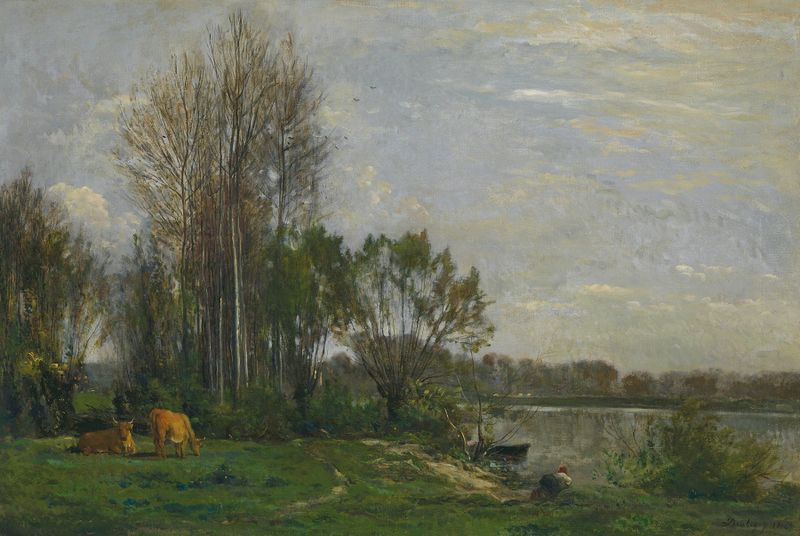
Les Bord De L’oise
Charles François Daubigny
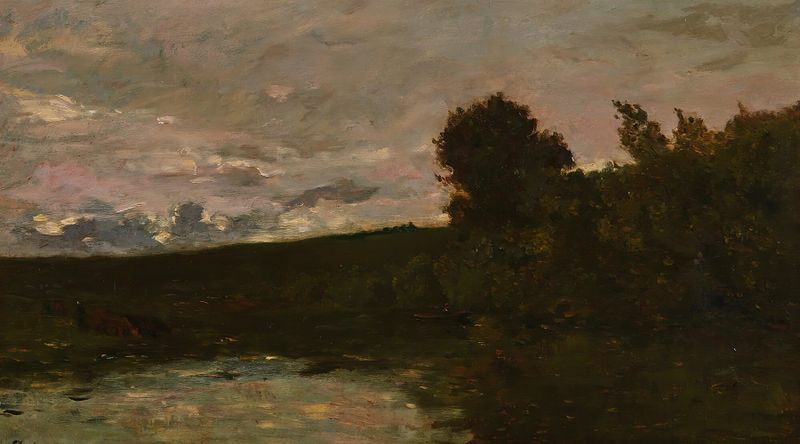
Bord De Riviére
Charles François Daubigny
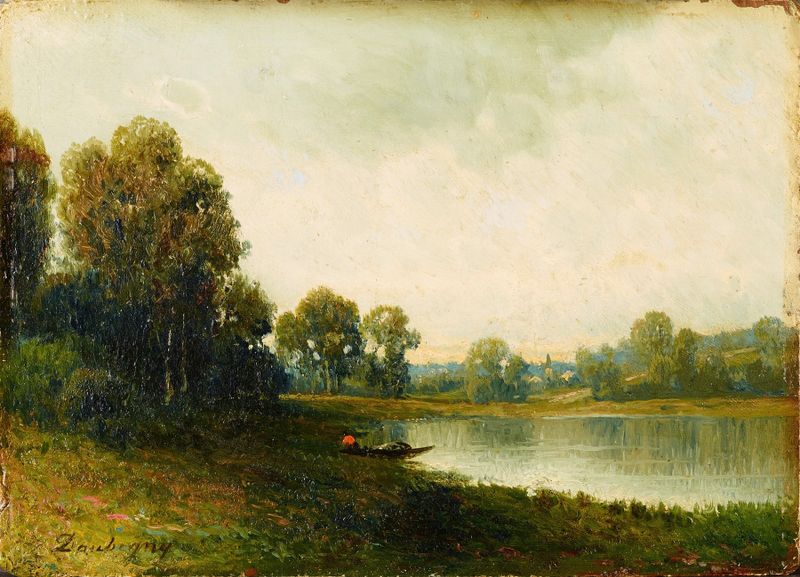
Landscape
Charles François Daubigny
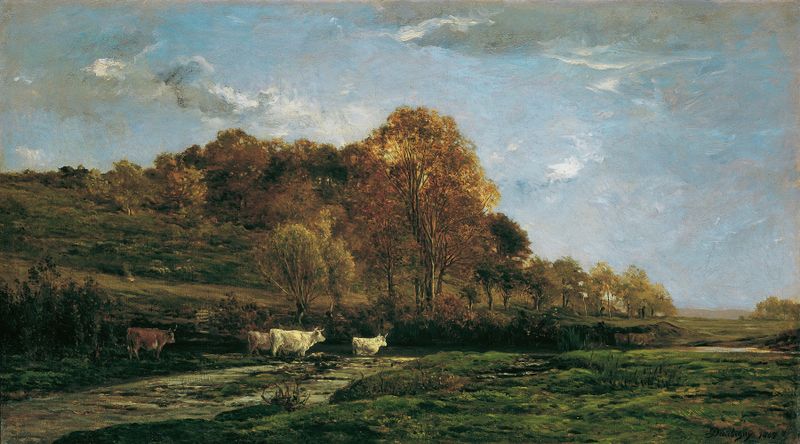
Herbstliche Aulandschaft Abendstimmung
Charles François Daubigny
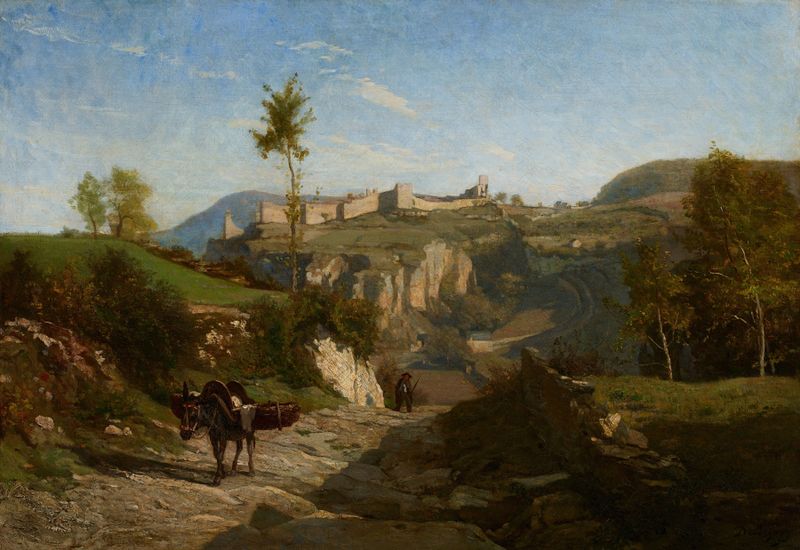
Landscape near Crémieu
Charles François Daubigny





