
Landscape — História e Análise
In the quiet embrace of nature, the heart finds expression, and awe emerges in unexpected places. Look to the center of the canvas, where rolling hills undulate beneath a soft, golden sky. Notice how the vivid greens of the foliage contrast with the deep blues of the distant mountains, drawing your gaze into a harmonious dance of color. The brushwork is loose yet deliberate, conveying movement and life, while dappled sunlight plays across the landscape, accentuating the gentle curves and shadows. Delve deeper into the scene, and you’ll uncover layers of emotion woven into the natural beauty.
The vastness of the sky evokes a sense of freedom, yet the intimate details—like a solitary tree or a distant figure—suggest solitude and contemplation. The interplay of light and shadow might represent the dichotomy of hope and despair, allowing viewers to explore their own feelings of awe and insignificance in the face of nature's grandeur. In 1911, while residing in France, the artist explored the evocative potential of landscape painting against a backdrop of shifting artistic movements. It was a time of experimentation, transitioning from the Impressionist influences towards a more personal, expressive style.
Maufra’s work emerged as a reflection of his inner world, capturing both the beauty of the physical landscape and the profound emotions it inspired within him.
Mais obras de Maxime Maufra
Ver tudo →
Le pont de l’Isle-Adam ou le Vieux pont
Maxime Maufra

Féérie nocturne: Exposition Universelle Paris 1900
Maxime Maufra
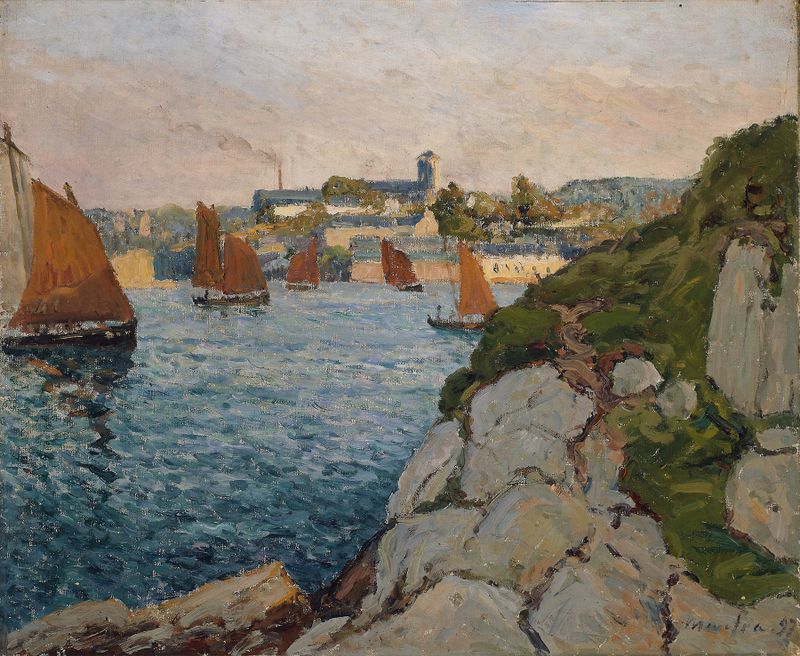
Douarnenez in Sunshine
Maxime Maufra
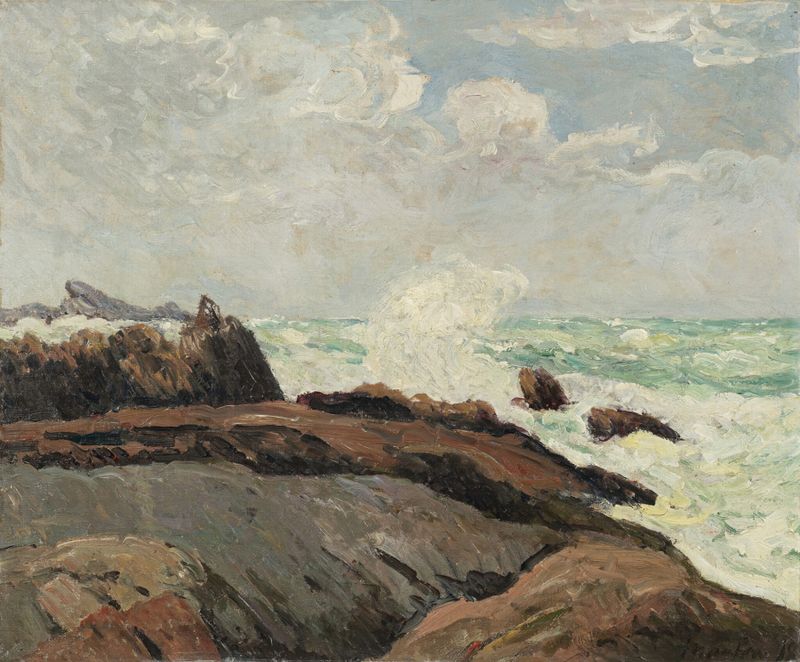
Mer forte à Saint-Guénolé Penmarc’h
Maxime Maufra

Marée Basse À La Plage De Port-Blanc, Presqu’île De Quiberon
Maxime Maufra
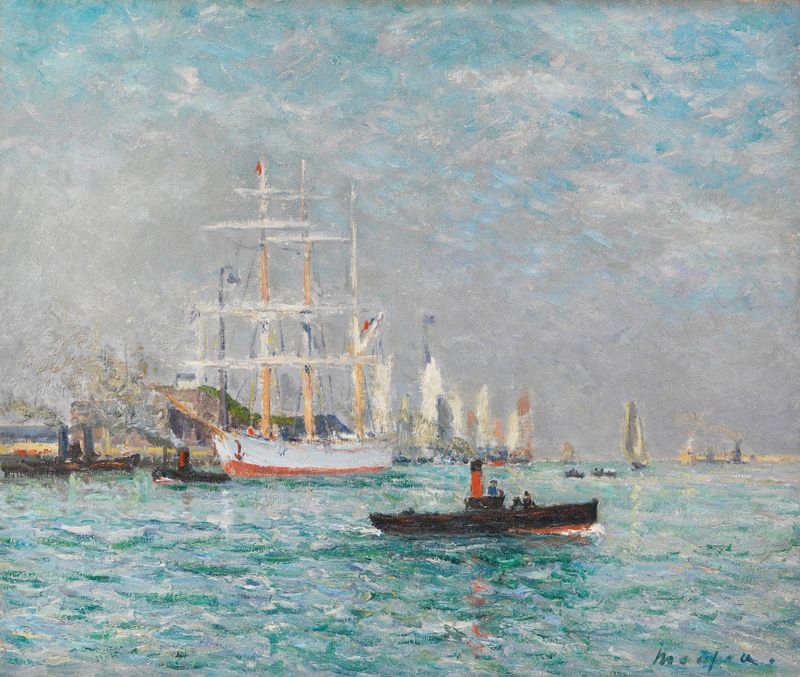
Entré d’un trois-mats, Le Havre
Maxime Maufra

Les rochers du château de Dinan, Morgat, Novembre 1903
Maxime Maufra
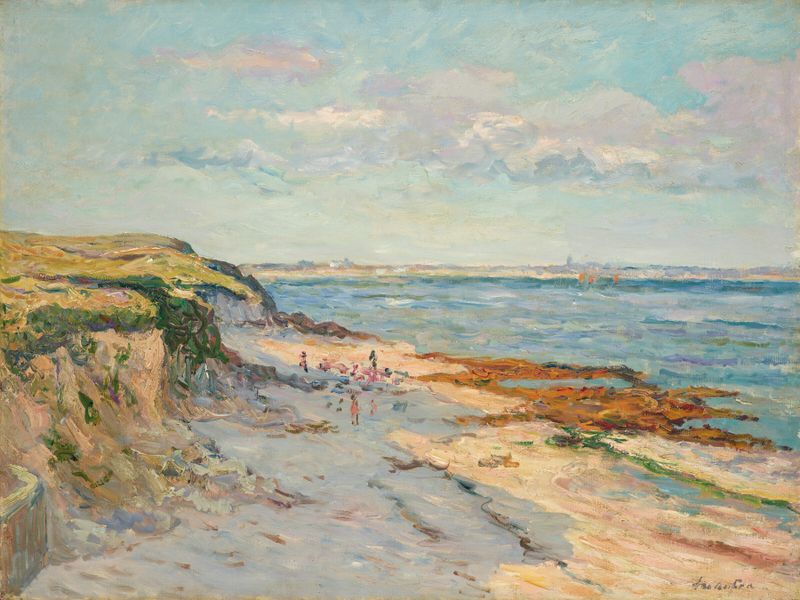
La Plage de Kerhostin, Morbihan
Maxime Maufra
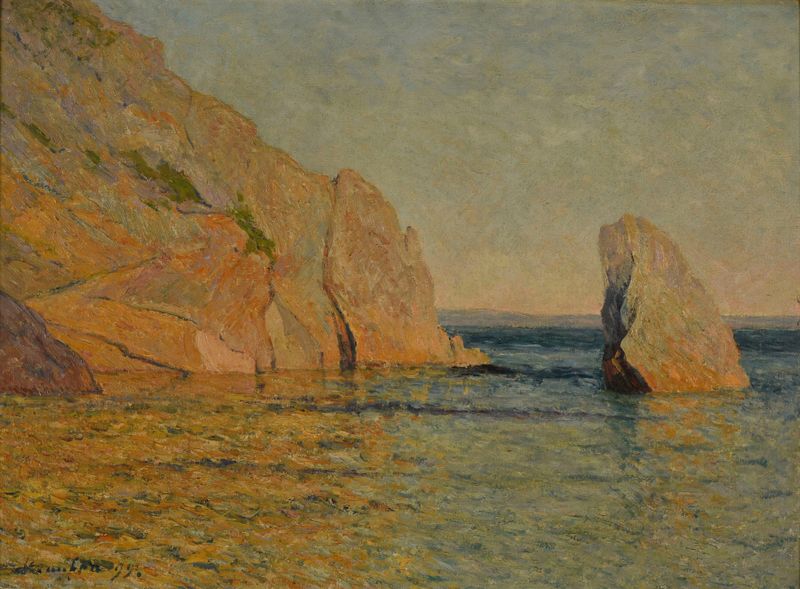
Rochers au soleil couchant
Maxime Maufra
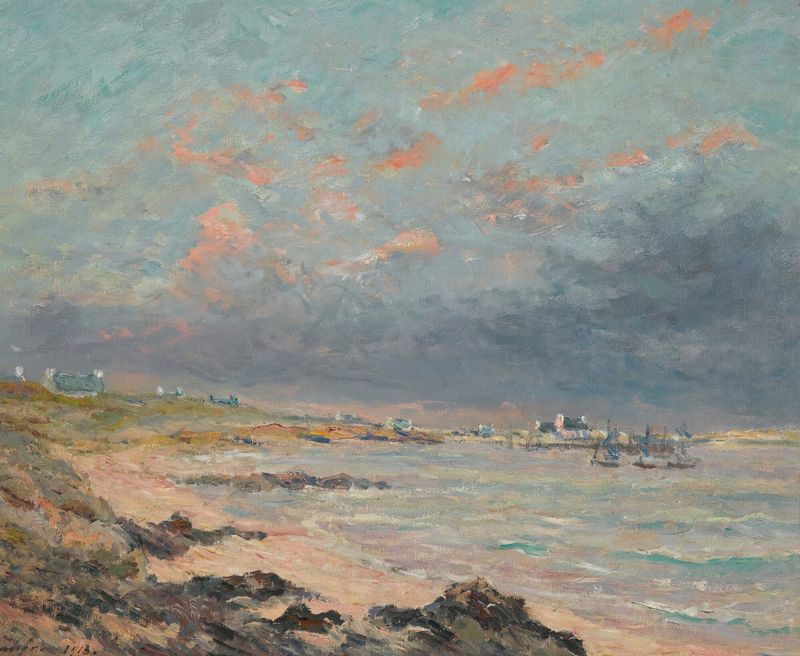
Soir D’orage À Kerhostin
Maxime Maufra





