
Landscape — História e Análise
In the serene expanse of Landscape, the viewer is invited into a world where nature's tumultuous beauty finds its voice. A moment frozen in time, revealing the delicate balance between chaos and harmony. Look to the left at the rolling hills, where lush greens cascade into soft browns. Notice how the light plays across the landscape, illuminating the crisp contours of the clouds that float effortlessly above.
The subtle gradient of color captures the essence of a fleeting moment, while the intricate details of the foreground—a solitary tree and a distant farmhouse—draw the eye deeper into the tranquil scene. Yet, beneath the surface serenity lies a reminder of nature’s duality. The darkened sky looms over the peaceful landscape, suggesting an impending storm, while the vibrant colors evoke serenity and life. This juxtaposition reflects not just a physical landscape but also a psychological one—tension between tranquility and the raw power of the elements.
The viewer is left contemplating the complexities of existence, as the foreground's details invite both wonder and introspection. In 1649, van Ruisdael was establishing himself in Haarlem amid a burgeoning Dutch Golden Age, characterized by a flourish of landscape painting. As he immersed himself in the natural world, he sought to capture both its beauty and its power. This period marked a time of great exploration and change in art, with landscapes serving as a metaphor for human emotion and the relationship to nature, a theme that would resonate through the ages.
Mais obras de Jacob van Ruisdael
Ver tudo →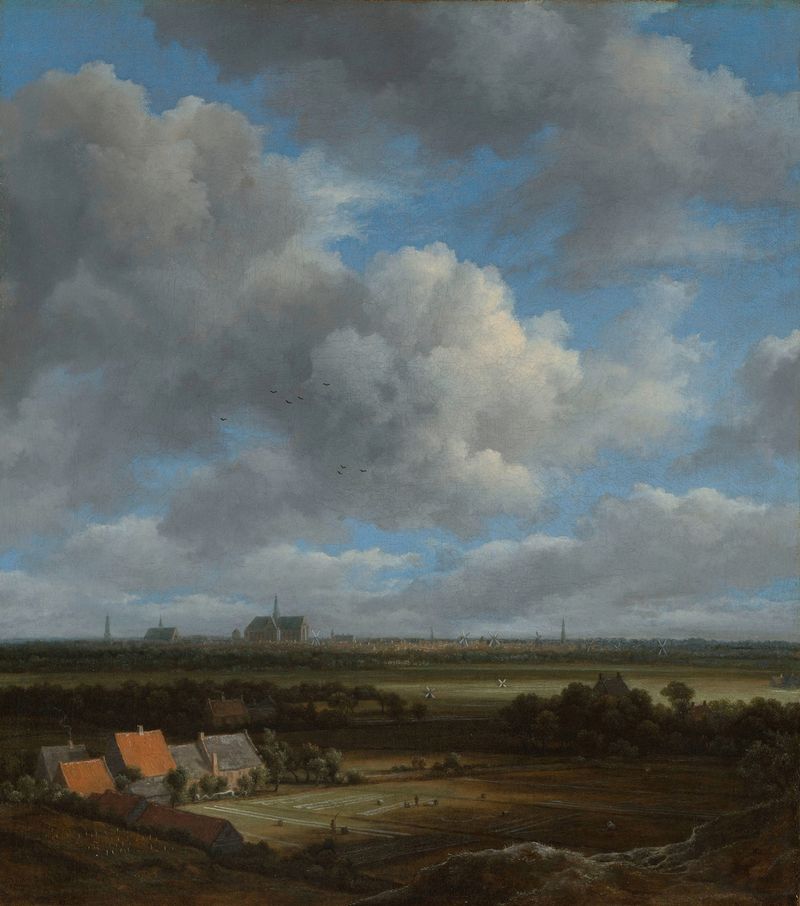
View of Haarlem from the Northwest, with the Bleaching Fields in the Foreground
Jacob van Ruisdael
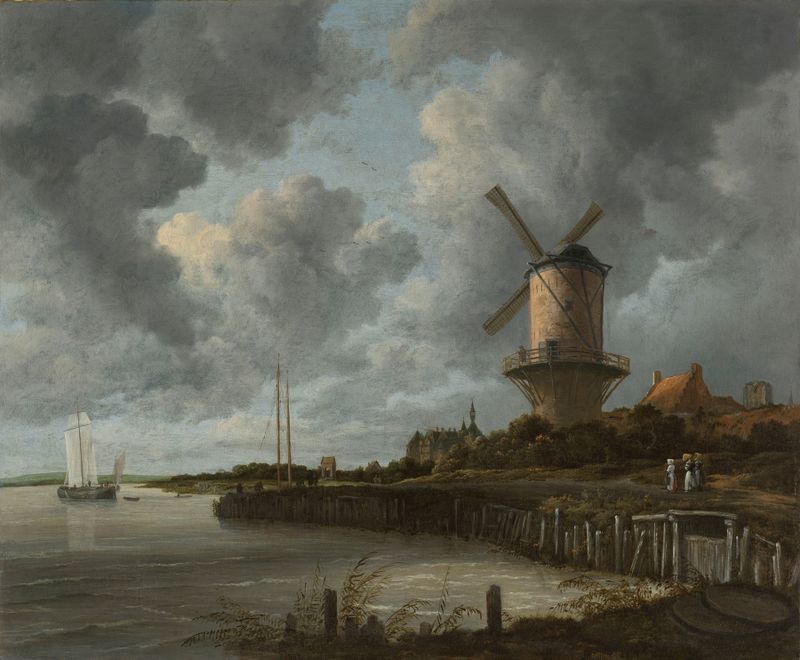
The Windmill at Wijk bij Duurstede
Jacob van Ruisdael
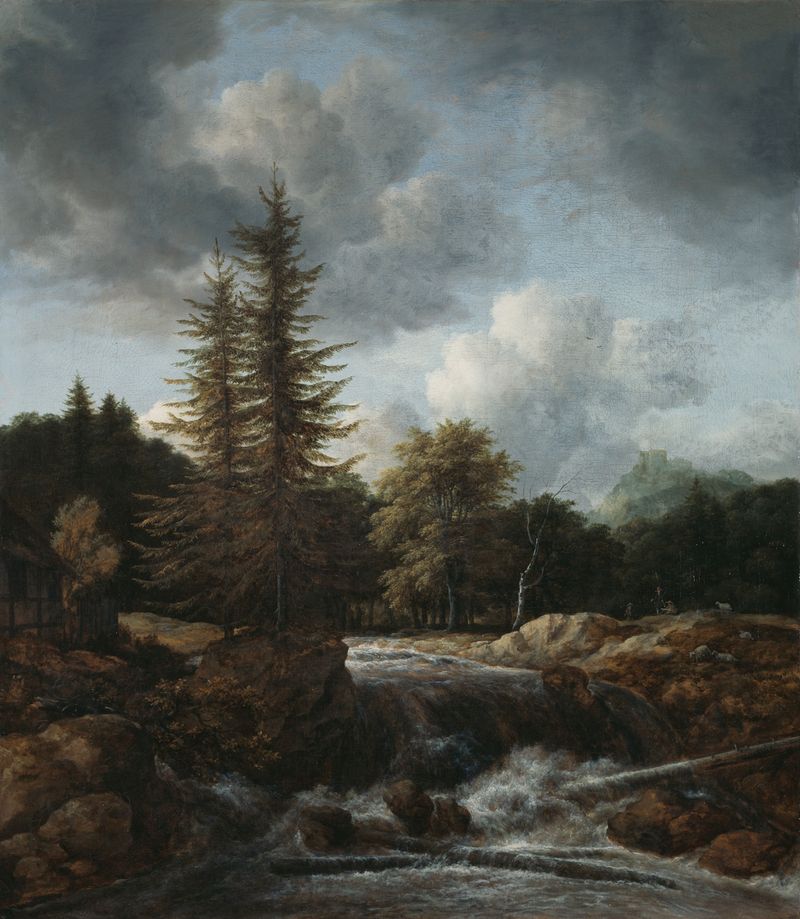
Landscape with Waterfall
Jacob van Ruisdael
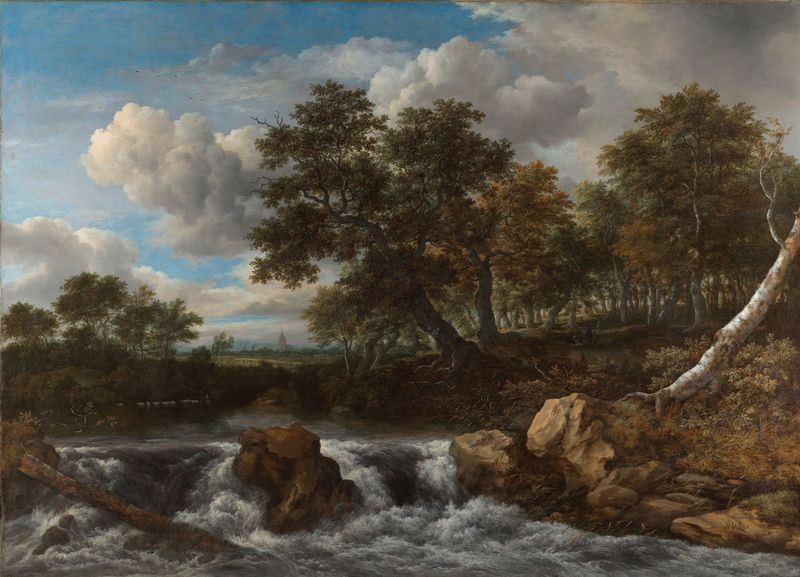
Landscape with Waterfall
Jacob van Ruisdael
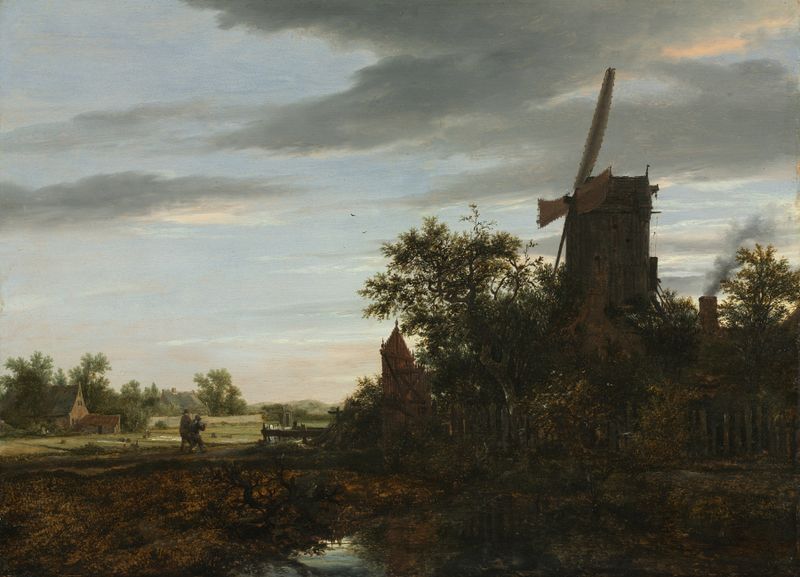
Landscape with a Windmill
Jacob van Ruisdael

Wooded hillside with a view of Bentheim Castle
Jacob van Ruisdael
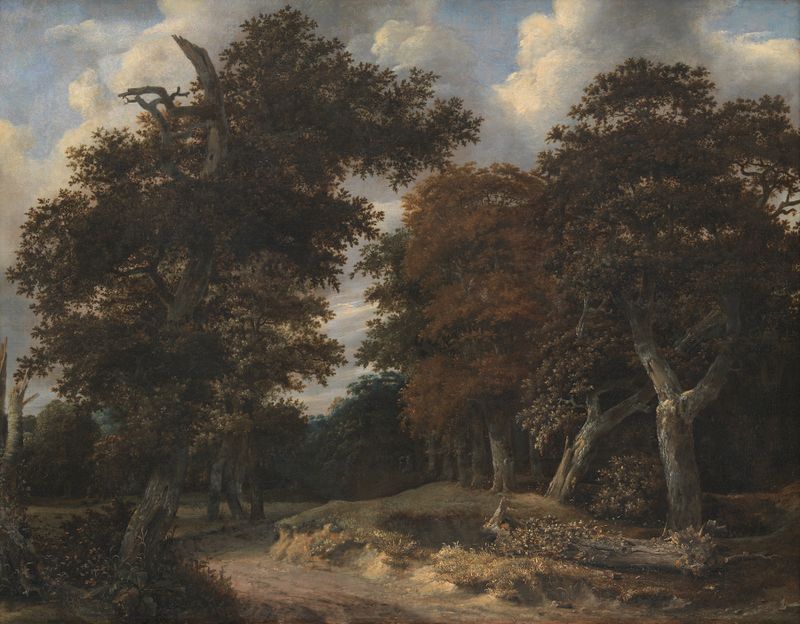
Road through an Oak Forest
Jacob van Ruisdael

Landscape with a Church
Jacob van Ruisdael

The Forest Stream
Jacob van Ruisdael

The Jewish Cemetery
Jacob van Ruisdael





