
Landscape — História e Análise
When did color learn to lie? In the realm of Landscape, hues wrestle with reality, crafting a world that teeters on the brink of chaos. It beckons us to ponder the delicate relationship between perception and the vibrant palette that deceives. Look to the left at the formidable mountains, their peaks kissed by a violet twilight. The brushwork oscillates between the smooth and the turbulent, drawing attention to the vigorous strokes that animate the clouds.
Notice how the golden sunlight spills across the meadow, creating a stark contrast with the darkening sky, while the trees, rendered in deep greens and fiery autumnal reds, evoke an intoxicating tension between serenity and impending storm. The painting swells with emotional dichotomies. The tranquil foreground, a gathering of gentle hills, stands in stark opposition to the tempestuous sky that looms above, suggesting a struggle between peace and turmoil. The interplay of light and shadow within the clouds hints at the unseen chaos of nature, mirroring the internal conflicts of the human spirit.
Each brushstroke breathes life into the landscape, yet it also reveals an unsettling truth—beauty can coexist with disorder. In the years leading up to 1918, Cropsey painted Landscape during a transformative era in American art, influenced by the Romantic movement that celebrated nature’s grandeur. He was living in a time when artists were increasingly drawn to the emotional power of landscapes, pushing boundaries as they sought to capture both beauty and turmoil, reflecting societal changes and personal experiences.
Mais obras de Jasper Francis Cropsey
Ver tudo →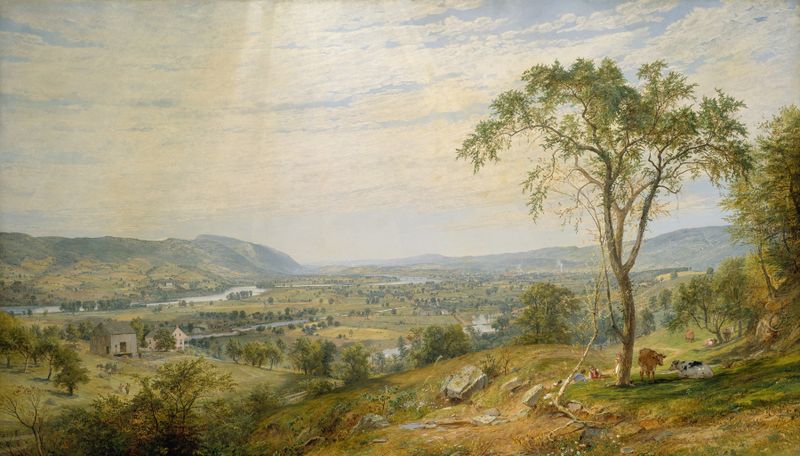
The Valley of Wyoming
Jasper Francis Cropsey
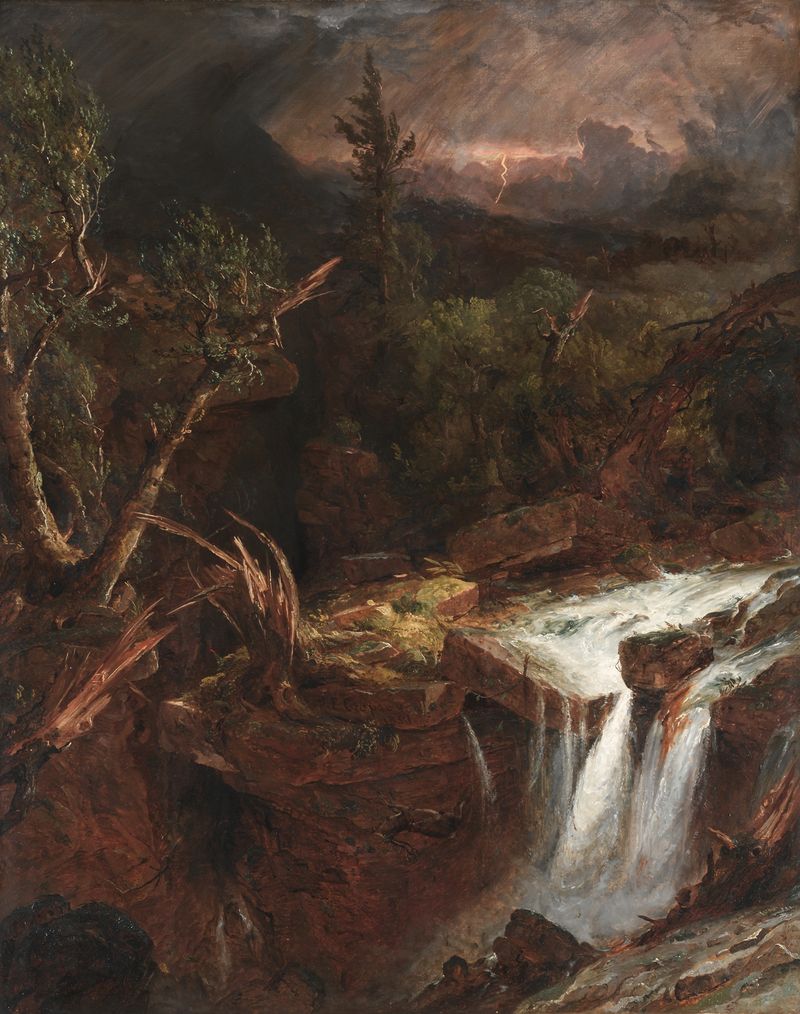
The Clove – A Storm Scene in the Catskill Mountains
Jasper Francis Cropsey
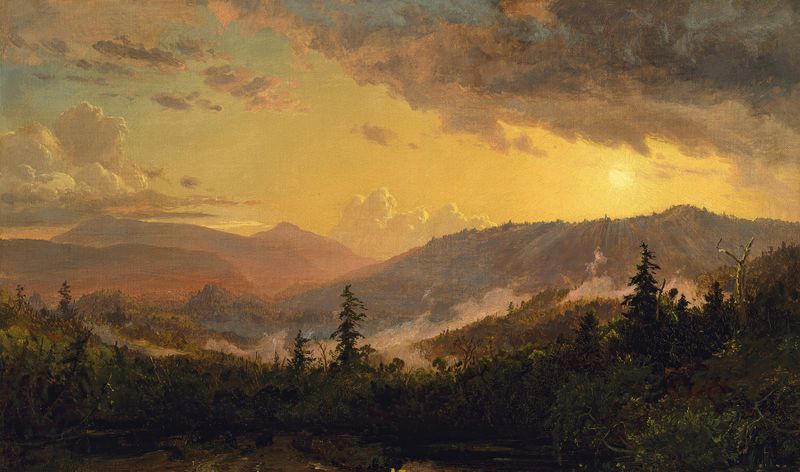
Sunset after a Storm in the Catskill Mountains
Jasper Francis Cropsey
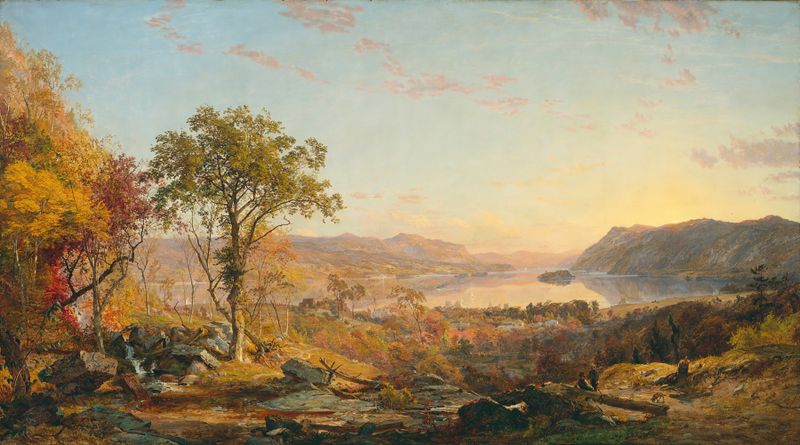
Indian Summer
Jasper Francis Cropsey

Autumn On The River
Jasper Francis Cropsey
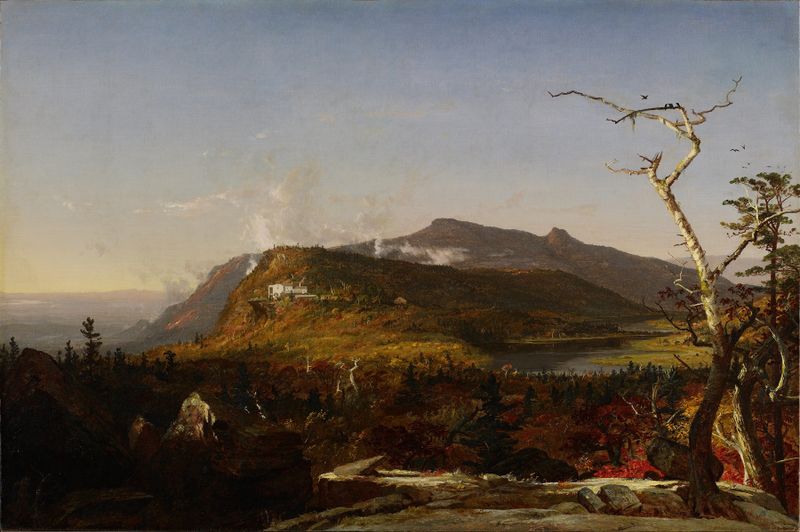
Catskill Mountain House
Jasper Francis Cropsey
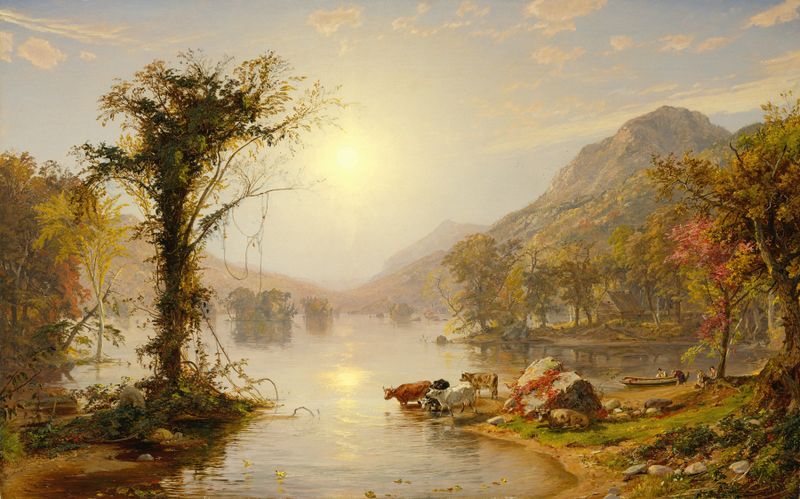
Autumn on Greenwood Lake
Jasper Francis Cropsey
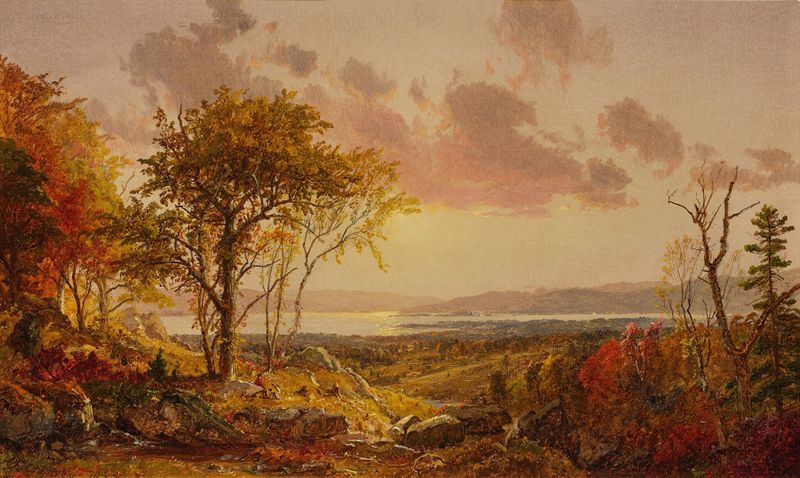
A Distant View of the Hudson River in the Fall
Jasper Francis Cropsey
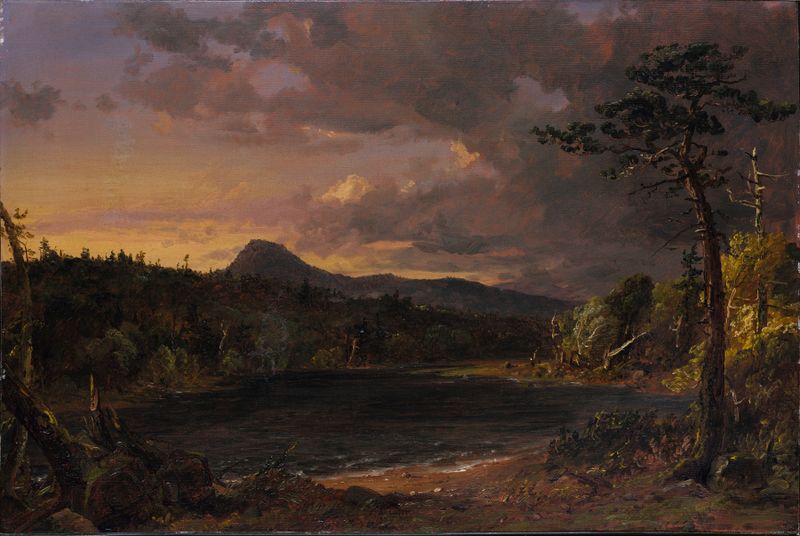
Catskill Creek
Jasper Francis Cropsey

Autumn on the Lake
Jasper Francis Cropsey





