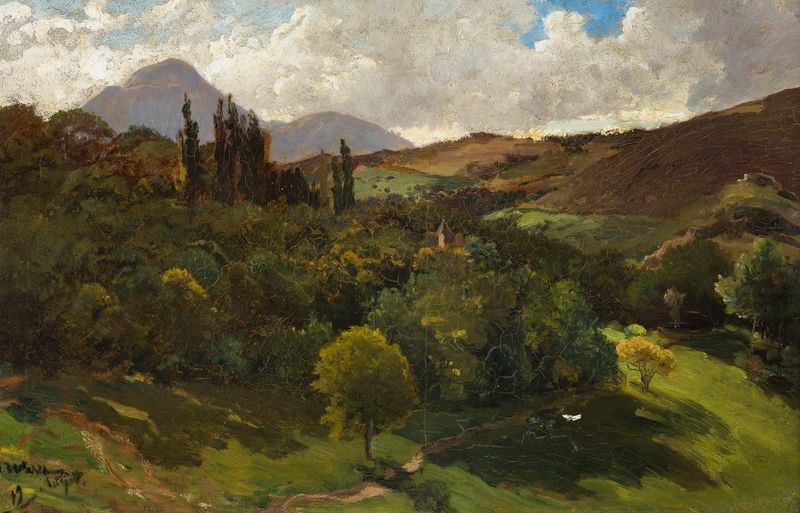
Landscape near Antibes. Study — História e Análise
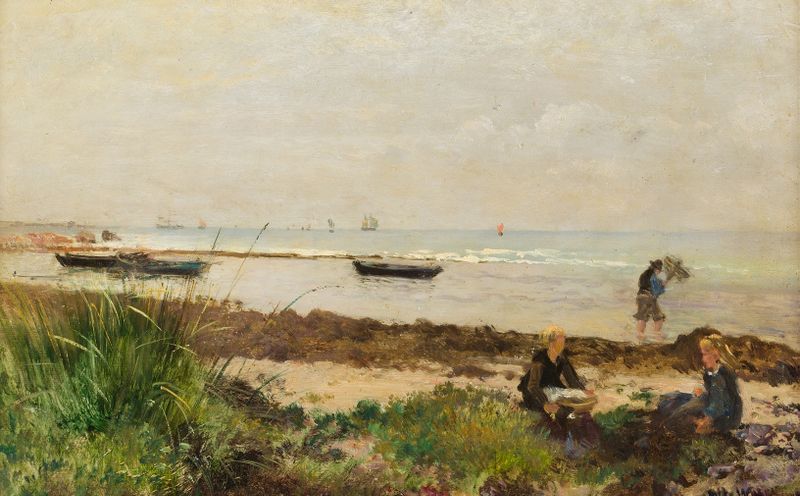
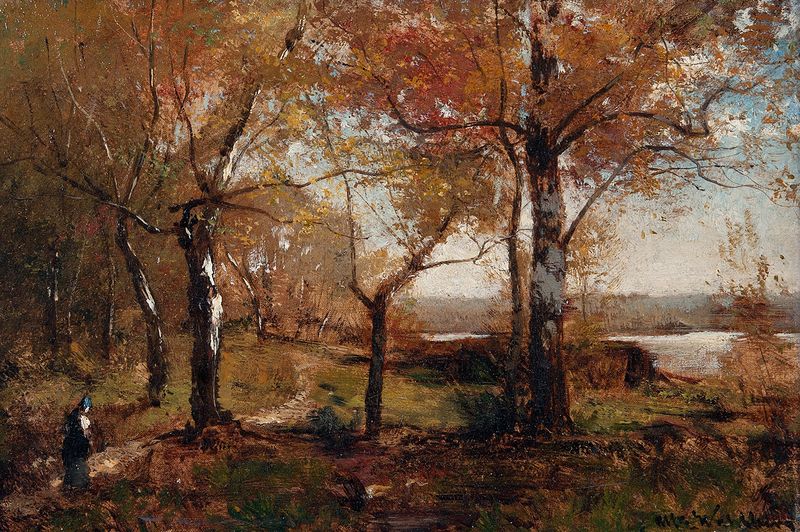
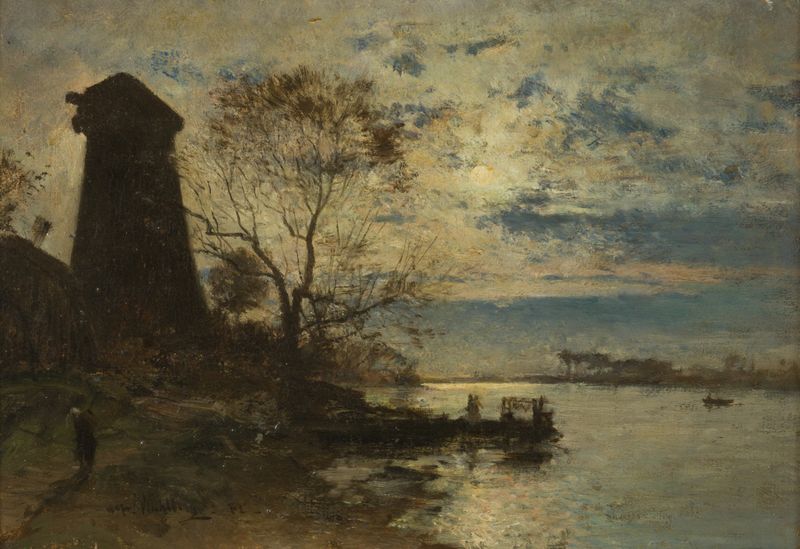
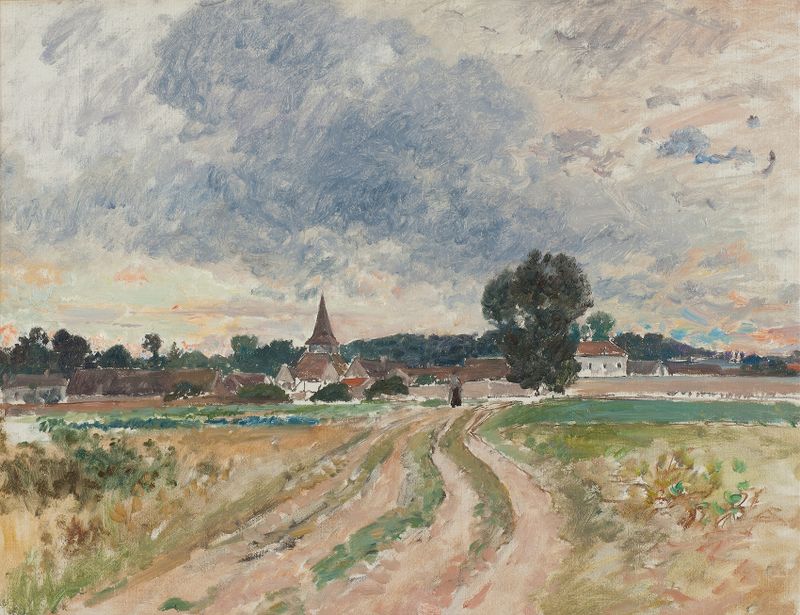
Did the painter know this moment would outlive them? The stillness of a landscape, captured in time, speaks not only of nature but of memory itself. Look to the horizon where gentle slopes embrace a sky painted in soft pastels. Notice how the light delicately dances across the water, creating a shimmering pathway that seems to beckon the viewer forward. The brushstrokes are both deliberate and free, capturing the essence of the land with a blend of realism and impressionism.
Each stroke contributes to a sense of tranquility, inviting us into a world where time pauses. Yet beneath this serene surface lies a tension—between the warm embrace of sunlight and the cool shadows that linger in the foliage. The juxtaposition of vibrant greens and earthy ochres against the cool blues hints at the fleeting nature of this idyllic moment. The scattered clouds suggest change, a reminder that every beauty must eventually yield to time’s relentless march.
These details resonate deeply, echoing the transient quality of memory itself. Alfred Wahlberg created this evocative study of a landscape near Antibes during a period when artists were increasingly turning to nature for inspiration. Active in the late 19th century, Wahlberg was part of the burgeoning Swedish art scene that embraced impressionistic techniques. The tranquil beauty of the Mediterranean coast served as a perfect backdrop for his exploration of light and color, marking a significant evolution in landscape painting during that era.