Landscape Study — História e Análise
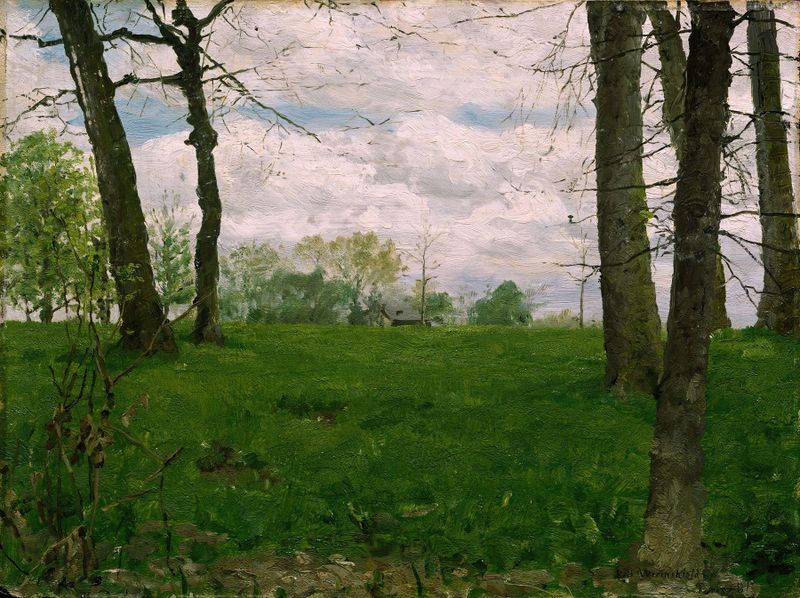
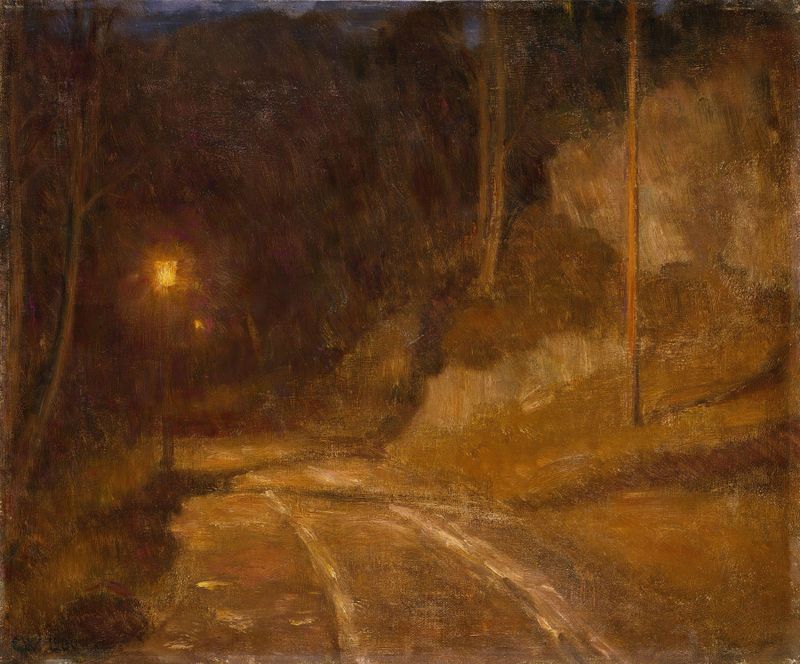
What if silence could speak through light? In Landscape Study, the delicate interplay between shadow and brightness invites us to ponder the fleeting nature of existence itself. Look to the foreground, where a gentle slope leads the eye toward an inviting yet somber landscape. Notice how the billowing clouds, painted in soft grays and whites, stretch across the canvas, converging above a tranquil expanse of earth. The light falls tenderly on the rolling hills, accentuating the contours of the land while casting elongated shadows, creating a palpable sense of depth and perspective.
Such careful attention to hue and texture evokes an ethereal atmosphere that hints at both serenity and melancholy. Hidden within this serene scene lies a deeper tension — the juxtaposition of vibrant life and the inevitable decay that encroaches upon it. The lush greenery, vibrant yet starting to fade in the autumnal glow, speaks to the cycle of mortality, urging viewers to reflect on their own transience. The stillness of the landscape, seemingly untouched, belies an undercurrent of change, capturing a moment that will never return, suggesting that beauty is all the more poignant in its impermanence. Created in 1879, this piece emerged during a period of significant artistic experimentation in Norway.
Werenskiold was deeply influenced by the Romantic movement's embrace of nature, as well as the emerging Realist trends that sought to capture life authentically. At this time, he was establishing his reputation, exploring how landscapes could convey complex emotional narratives, reflecting both the external world and his inner contemplations.