
Landscape with Bec d`Aigle (La Ciotat) rock — História e Análise
Did the painter know this moment would outlive them? In a world that often feels chaotic, the stillness of Landscape with Bec d’Aigle (La Ciotat) rock invites us to reflect on the madness that surrounds our existence. Focus on the rocky outcrop at the center, where the Bec d’Aigle juts defiantly against the serene azure sky. Notice how Pankiewicz employs rich, textured brushstrokes to form the craggy surface, contrasting it with the smooth, gentle waves lapping at its base. The palette of blues and earth tones conveys a sense of calm, yet the vividness evokes the undercurrents of turmoil inherent in nature itself.
Light dances across the landscape, illuminating the scene and highlighting the tension between stability and the unruly forces of the sea. Hidden within this tranquil tableau is a reflection on the madness of life and the fleeting nature of beauty. The tumultuous waves threaten to engulf the stone as if to remind us that permanence is an illusion. The rolling clouds overhead, painted in a dramatic array of whites and grays, speak to the unpredictability of fate.
Each brushstroke captures a moment suspended in time, as if nature holds its breath in anticipation of what might come next. In 1936, Pankiewicz painted this work while living in France, a time when Europe was teetering on the brink of war. The art world was experiencing shifts toward modernism, and artists were exploring new forms of expression amidst political and social upheaval. This piece reflects not only the landscapes of La Ciotat but also the artist's internal struggles, capturing a fleeting moment of beauty in an era marked by uncertainty.
Mais obras de Józef Pankiewicz
Ver tudo →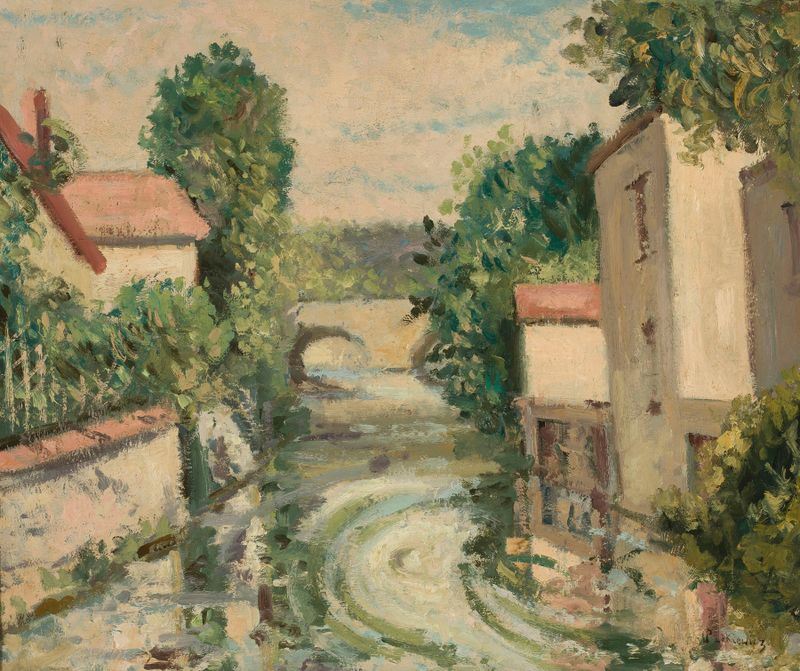
Landscape
Józef Pankiewicz

Cab in the Rain
Józef Pankiewicz
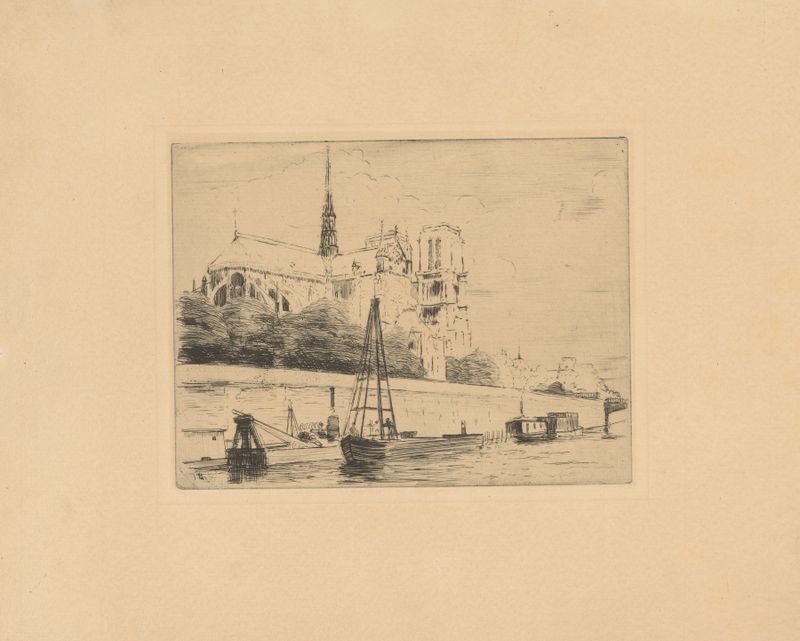
Notre Dame Cathedral in Paris
Józef Pankiewicz
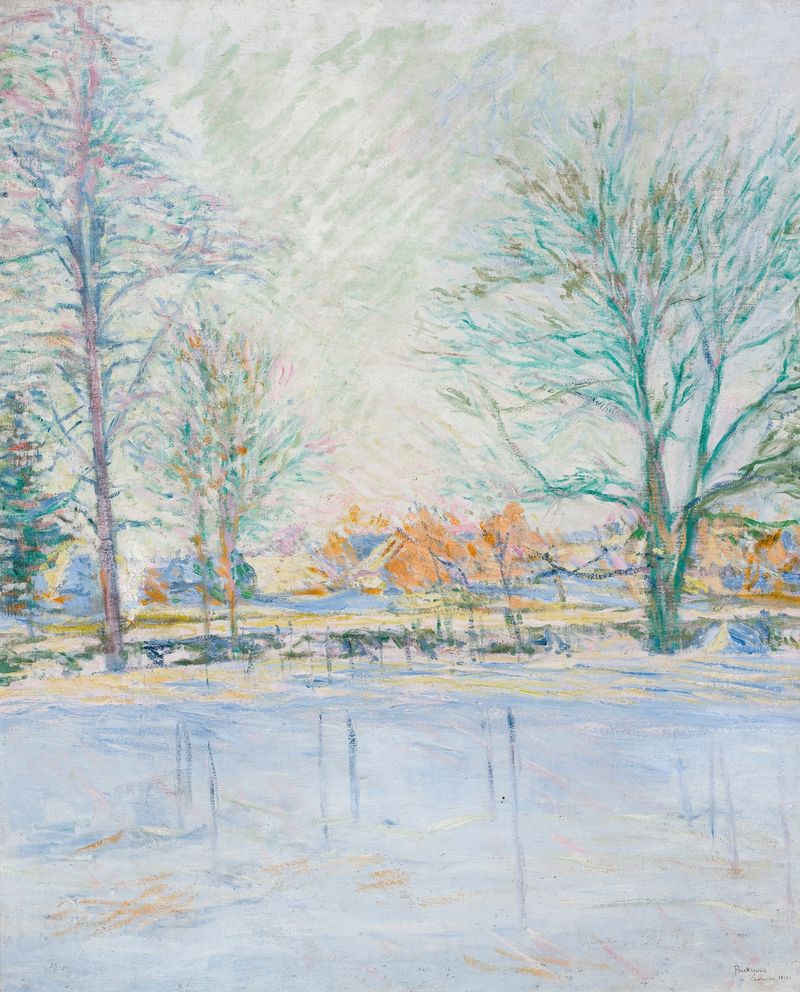
Landscape from Czarnolas
Józef Pankiewicz
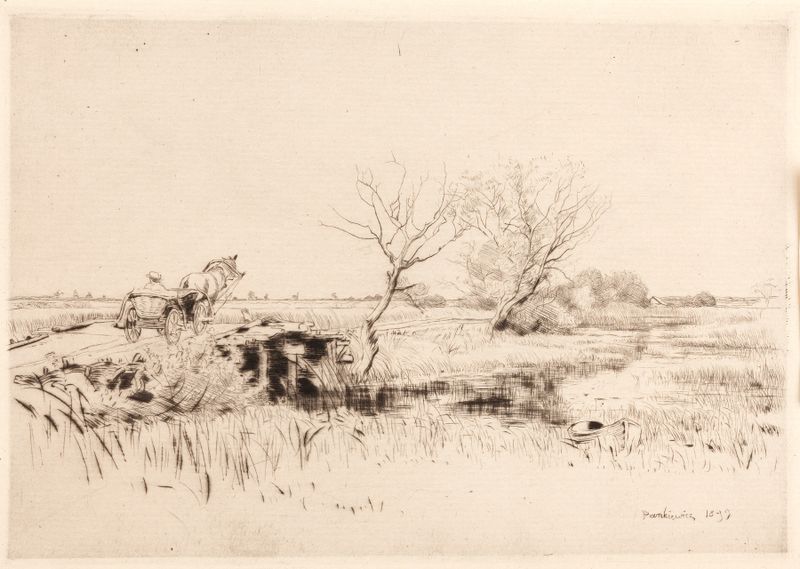
Pińsk Channel in Polesie I
Józef Pankiewicz
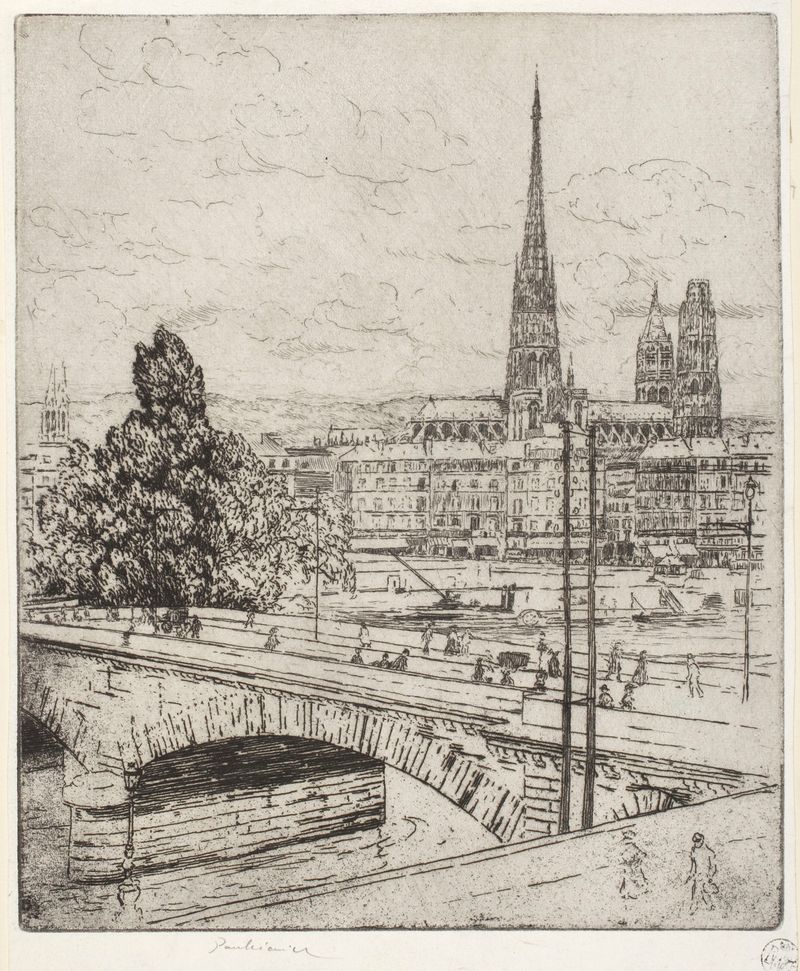
Pont Corneille in Rouen
Józef Pankiewicz
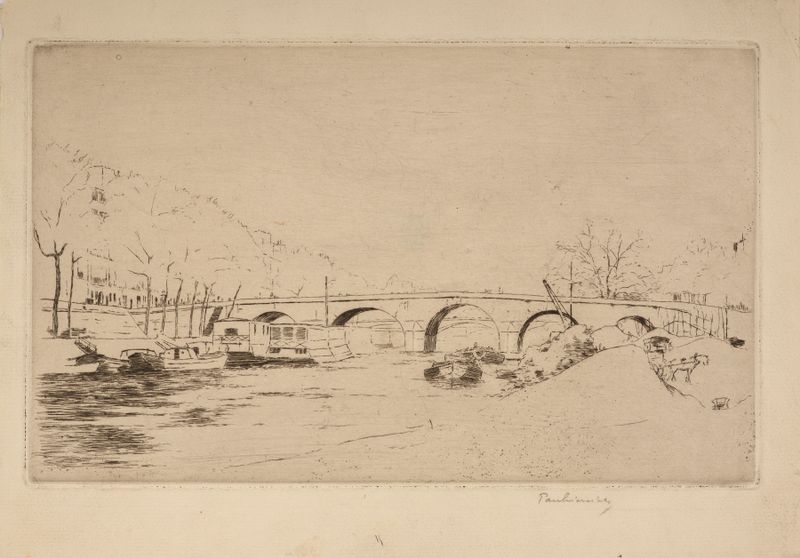
Pont Marie in Paris
Józef Pankiewicz

Rouen – portal from the Church of St Maclou
Józef Pankiewicz
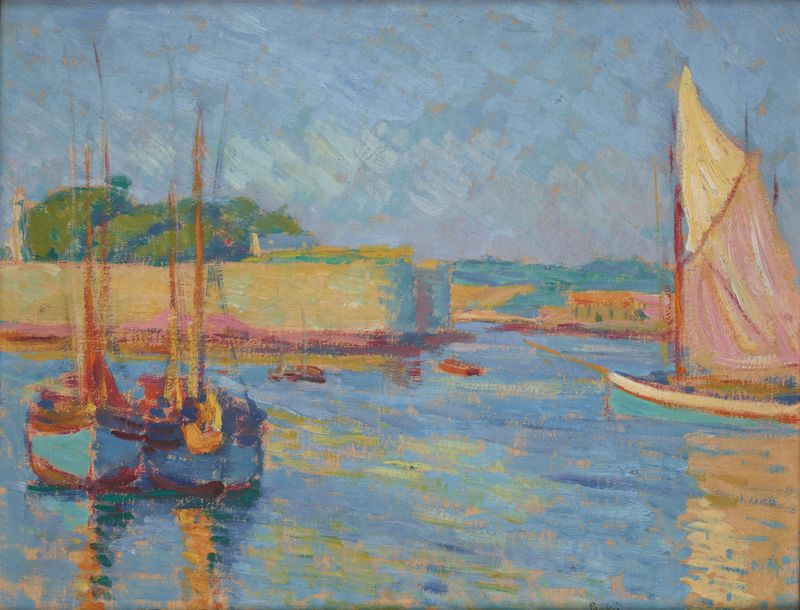
Harbour at Concarneau
Józef Pankiewicz
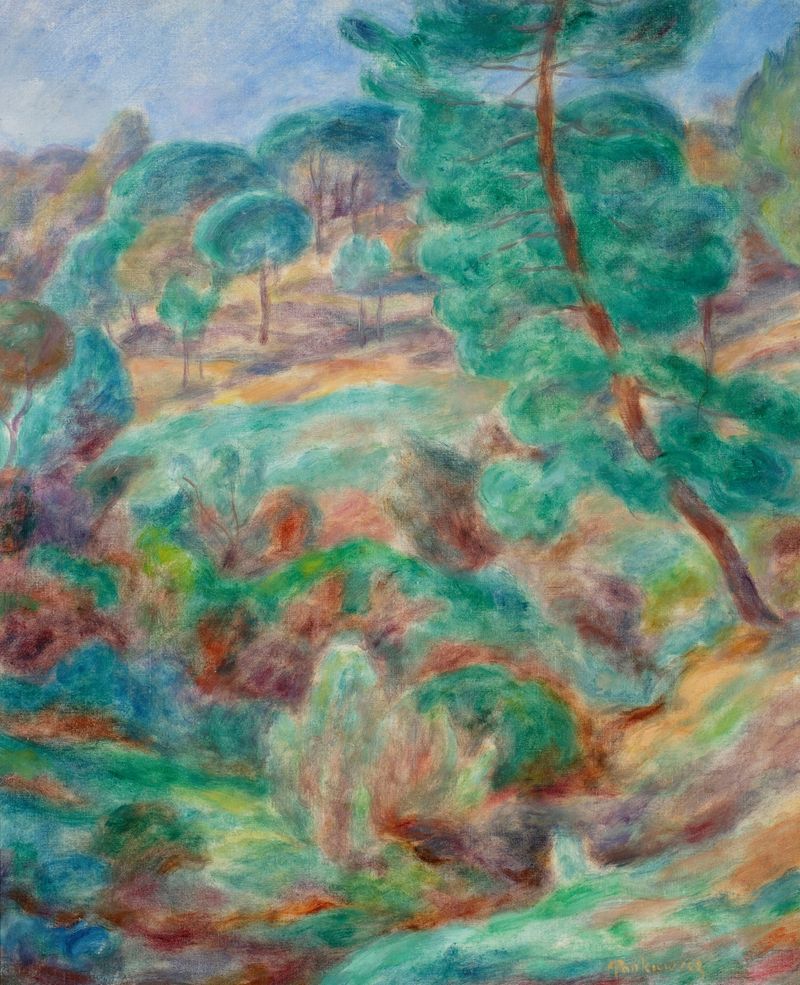
Landscape from Saint-Tropez – Stone pines
Józef Pankiewicz





