
Landscape with Ruins — História e Análise
Can beauty exist without sorrow? In Landscape with Ruins, the answer unfolds in a tender embrace of nature’s resilience amidst the remnants of human endeavor. Look to the left at the crumbling stone structures, their jagged edges softened by the verdant growth that encircles them. The artist employs a palette dominated by earthy greens and warm browns, contrasting the decay of manmade forms with the vitality of the landscape. Notice how the gentle light filters through the trees, casting dappled shadows that create an interplay between light and dark, life and death.
This composition invites the viewer to explore the relationship between the natural world and the vestiges of civilization. Amidst the tranquility of the scene, there lies a poignant tension between the beauty of renewal and the sorrow of loss. The ruins hint at a story of displacement, perhaps of a long-forgotten culture or a personal memory now reclaimed by nature. The vibrant flora wraps around the remnants, signifying the inevitability of transformation; life persists, even among the scars left behind.
This duality is essential, reflecting not only the passage of time but also the bittersweet nature of existence itself. In 1769, Caspar Wolf was in the midst of developing his distinct style, which would later establish him as a leading figure in Swiss landscape painting. Working in a period marked by an increasing appreciation for the natural world, he sought to capture the sublime beauty of landscapes while acknowledging human transience. At this time, the transition from Baroque to Romantic ideals began to influence artists, encouraging them to explore emotions through nature and the ruins of humanity.
Mais obras de Caspar Wolf
Ver tudo →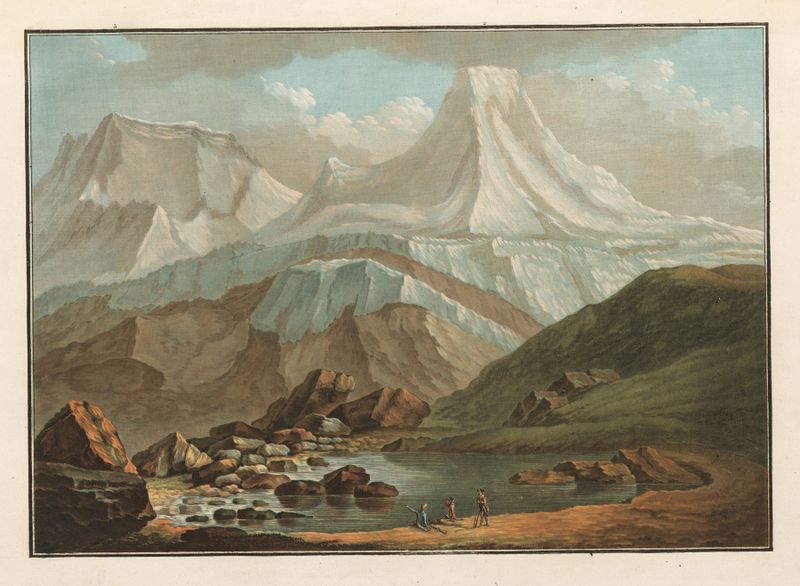
Vue du Gross-Horn et du Breit-Horn avec le petit lac d’Oberhorn
Caspar Wolf
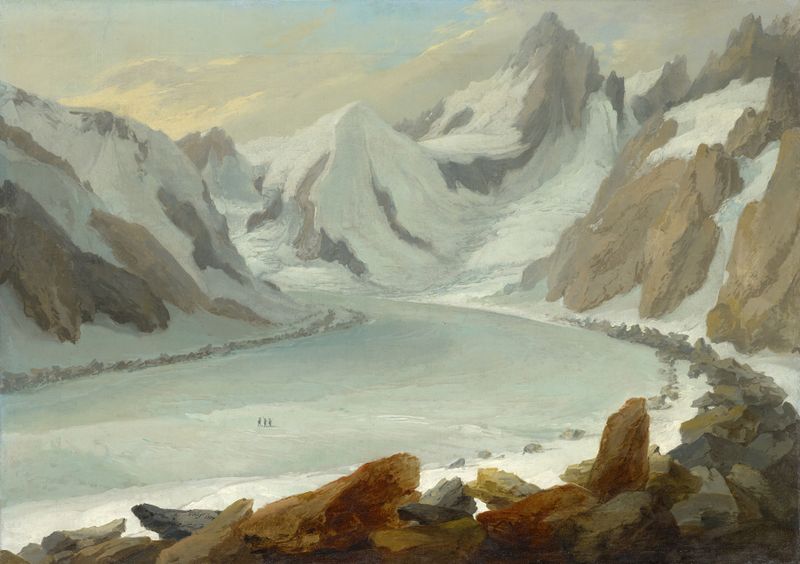
Finsteraargletscher mit Blick auf das Finsteraarhorn
Caspar Wolf
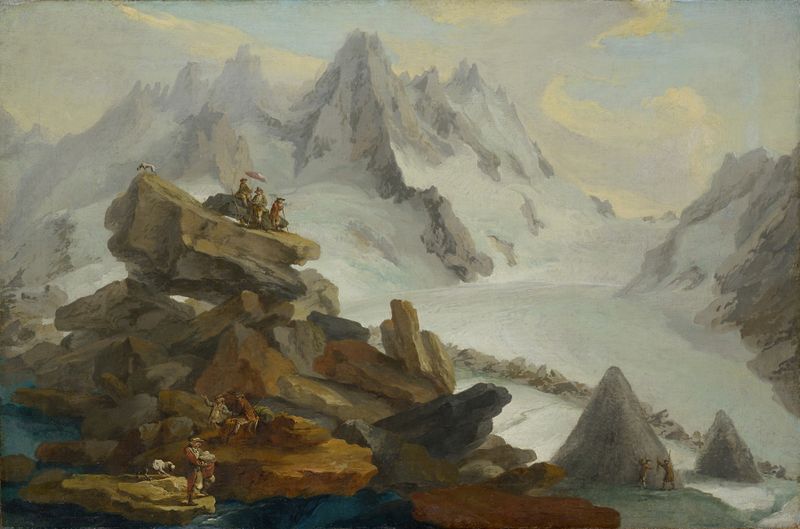
Glacier Lauteraar
Caspar Wolf

Glacier de Lauteraar Canton de Berne Province d’Oberhasli
Caspar Wolf
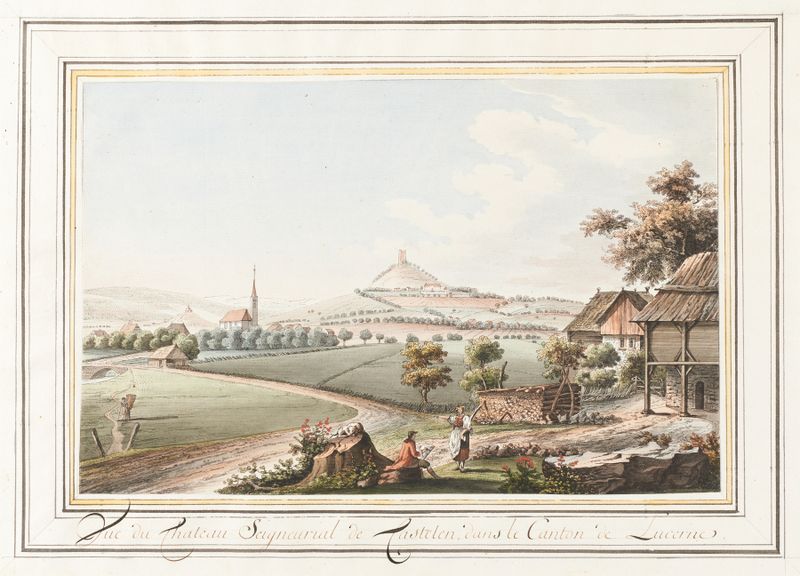
Vue du Chateau Seigneurial de Castelen dans le Canton de Lucerne
Caspar Wolf

Wasserfall im Tobel bei Muri
Caspar Wolf
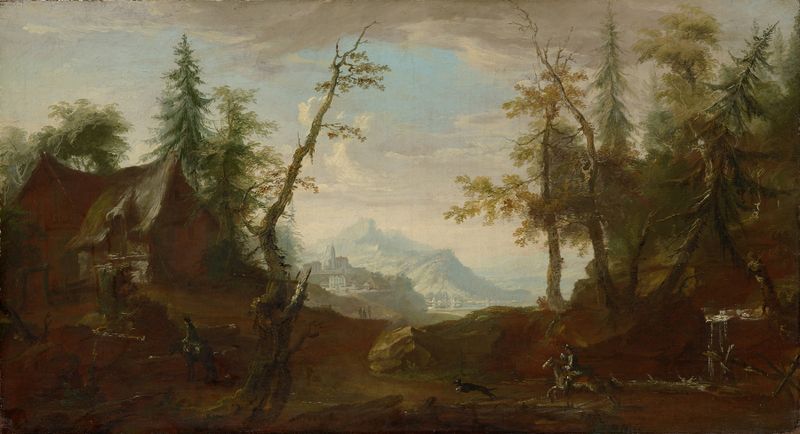
Farmhouse in a Forest Glade with Riders
Caspar Wolf
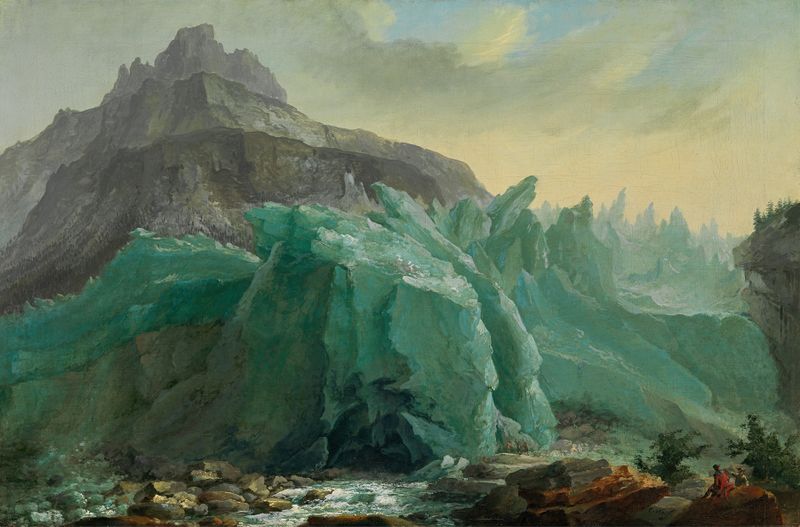
The Lower Grindelwald Glacier with Lütschine and the Mettenberg
Caspar Wolf
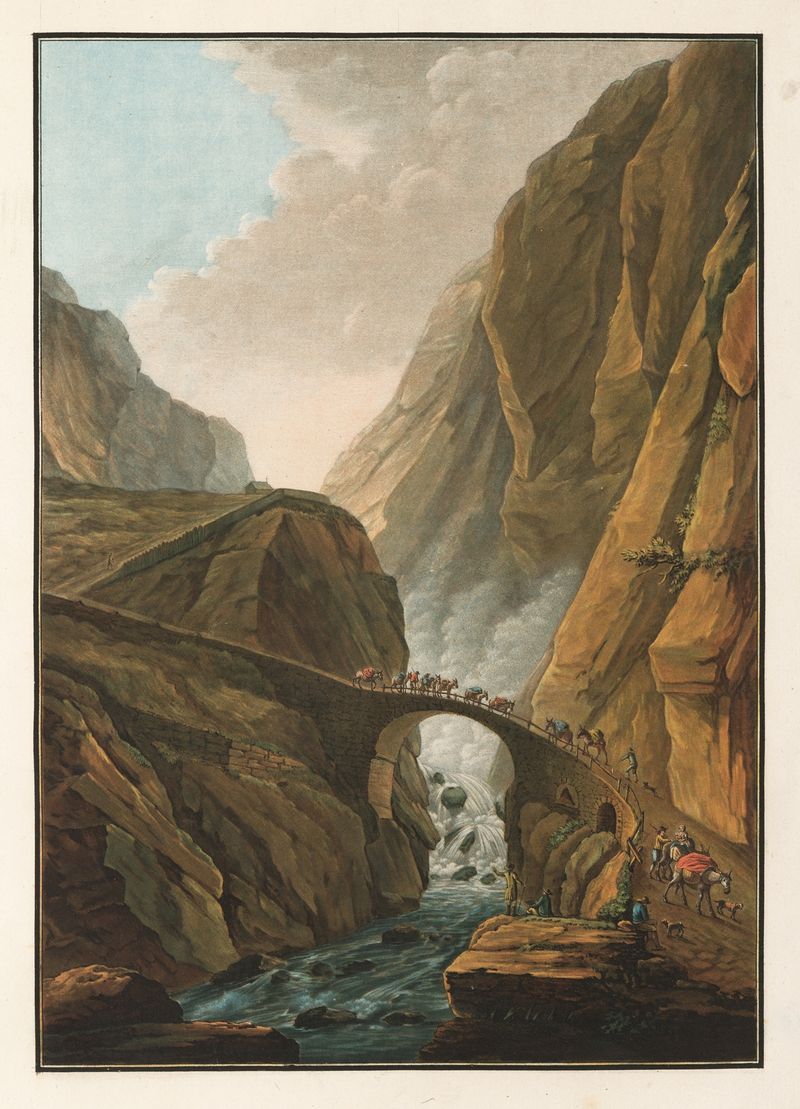
Teufelsbrücke
Caspar Wolf
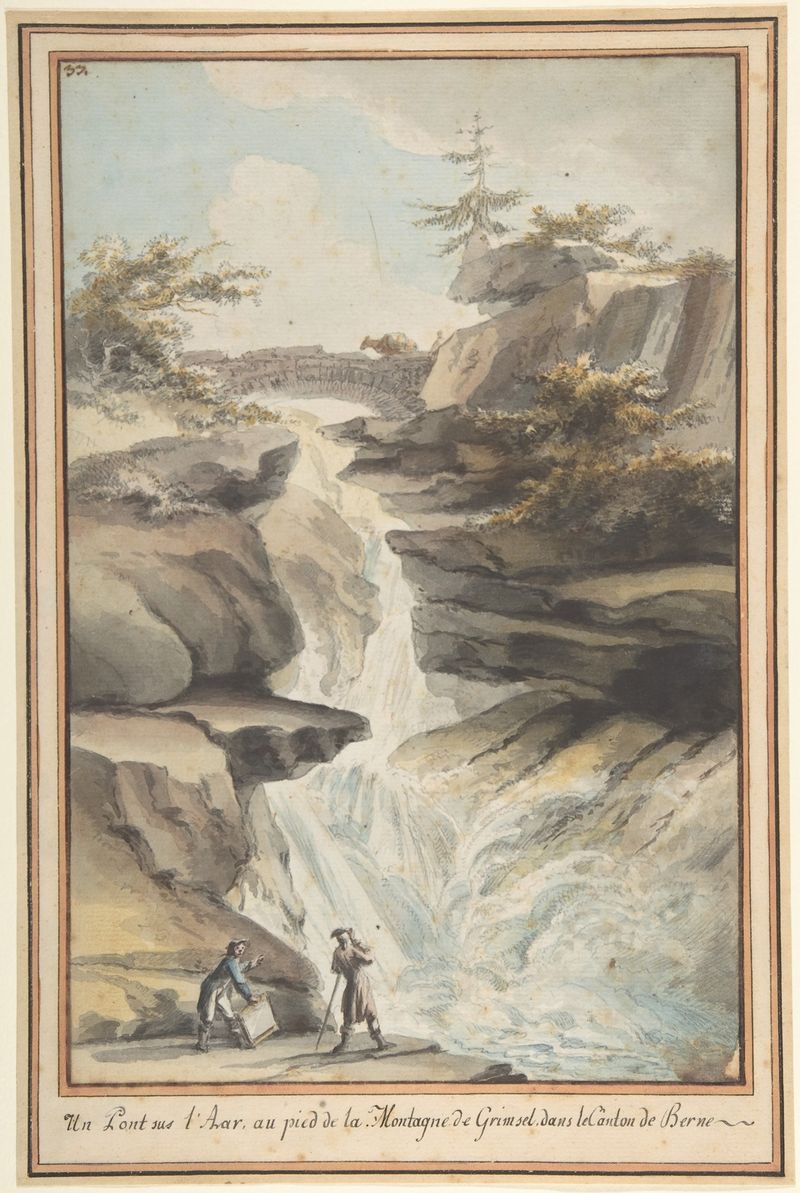
A Bridge on the Aar, at the Foot of the Grimsel, in the Canton of Berne
Caspar Wolf





