
Landscape with Spring Clouds — História e Análise
When did color learn to lie? The vibrant hues of spring invite us to pause, yet they conceal deeper emotions beneath their lively surface. Look to the left at the swirling clouds, a kaleidoscope of blues and whites in playful motion. The artist masterfully captures the atmospheric dance of light, where soft brushstrokes create a dynamic interplay between the earth and sky. Notice how the greens of the landscape ground the composition, drawing your eye to the verdant fields that pulse with life beneath a dramatic sky.
The contrasting colors evoke a sense of renewal, yet there’s an undercurrent of restlessness, as if the very air is charged with potential. Delve deeper into the painting's texture and form. The clouds, while seemingly serene, hint at an impending storm, symbolizing the tension between hope and uncertainty. Shadows stretch across the ground, suggesting the fleeting nature of time and the inevitability of change.
This contrast mirrors the often tumultuous journey of spring itself—a season of rebirth, yet one that teeters on the edge of chaos and transformation. During the years Landscape with Spring Clouds was created, Ferdinand Katona was living in a time of artistic exploration, alongside movements that embraced modernity and impressionism in Europe. Between 1910 and 1930, the world was marked by upheaval, from the aftermath of World War I to the rise of new artistic expressions. This period witnessed Katona’s evolving engagement with color and form, reflecting both personal introspection and broader societal shifts, ultimately leading him to create this evocative piece.
Mais obras de Ferdinand Katona
Ver tudo →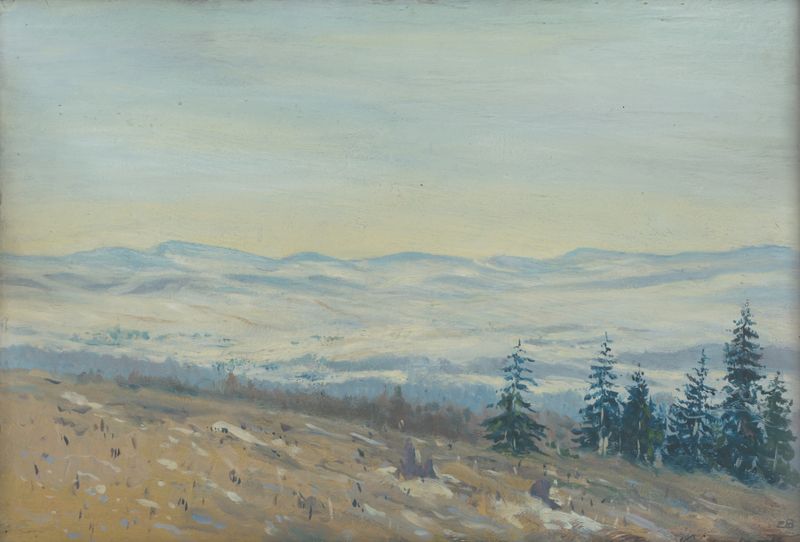
High Tatras
Ferdinand Katona
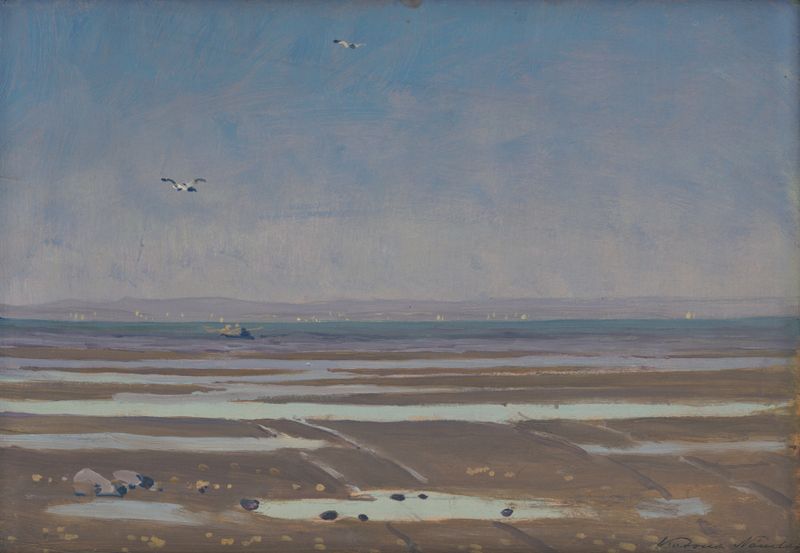
Early spring
Ferdinand Katona
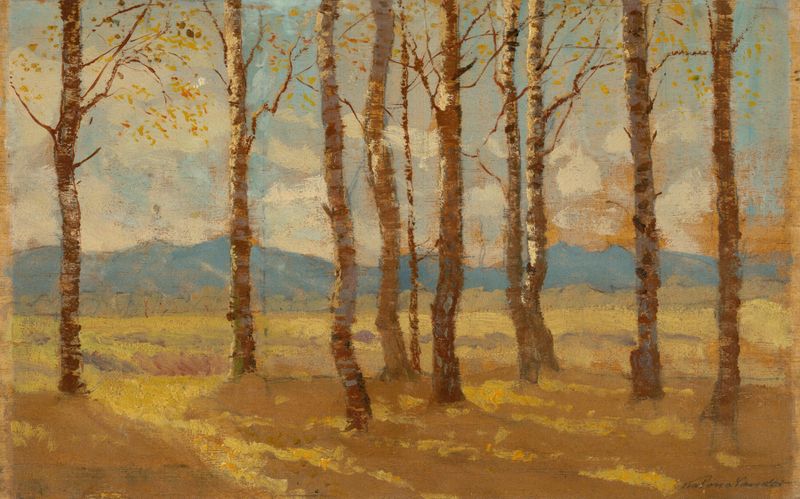
Birches in Autumn
Ferdinand Katona
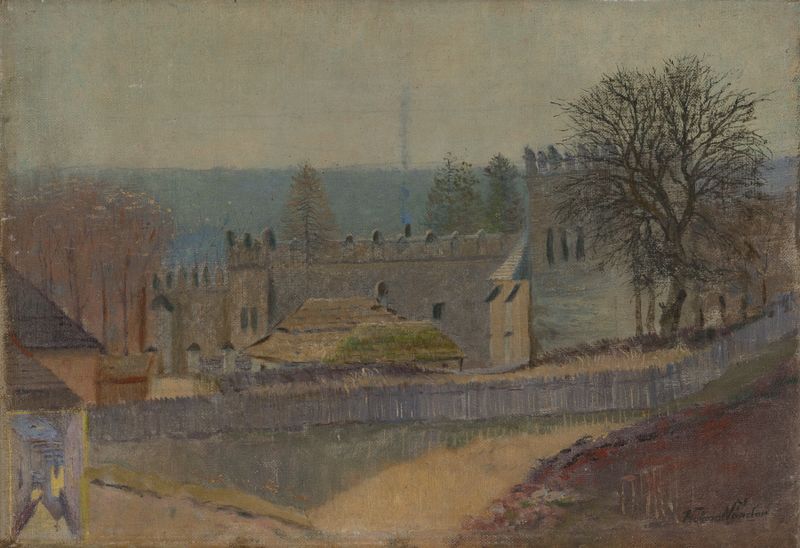
View of Strážky
Ferdinand Katona
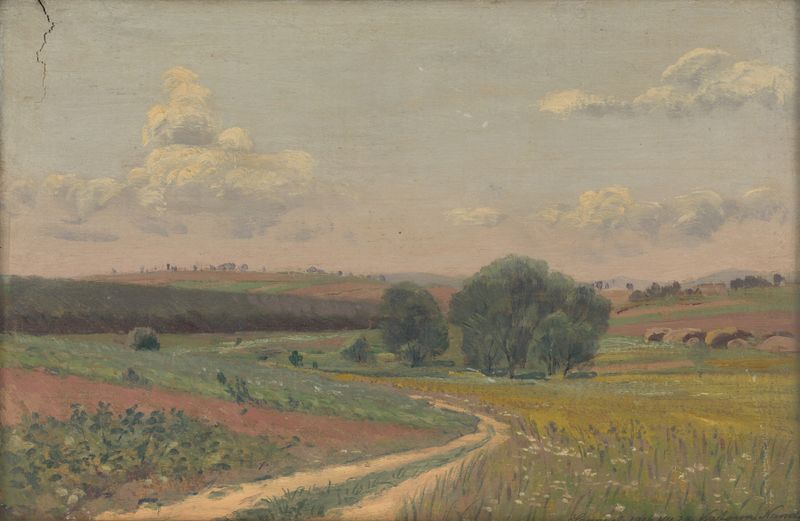
Landscape with a dirt road
Ferdinand Katona
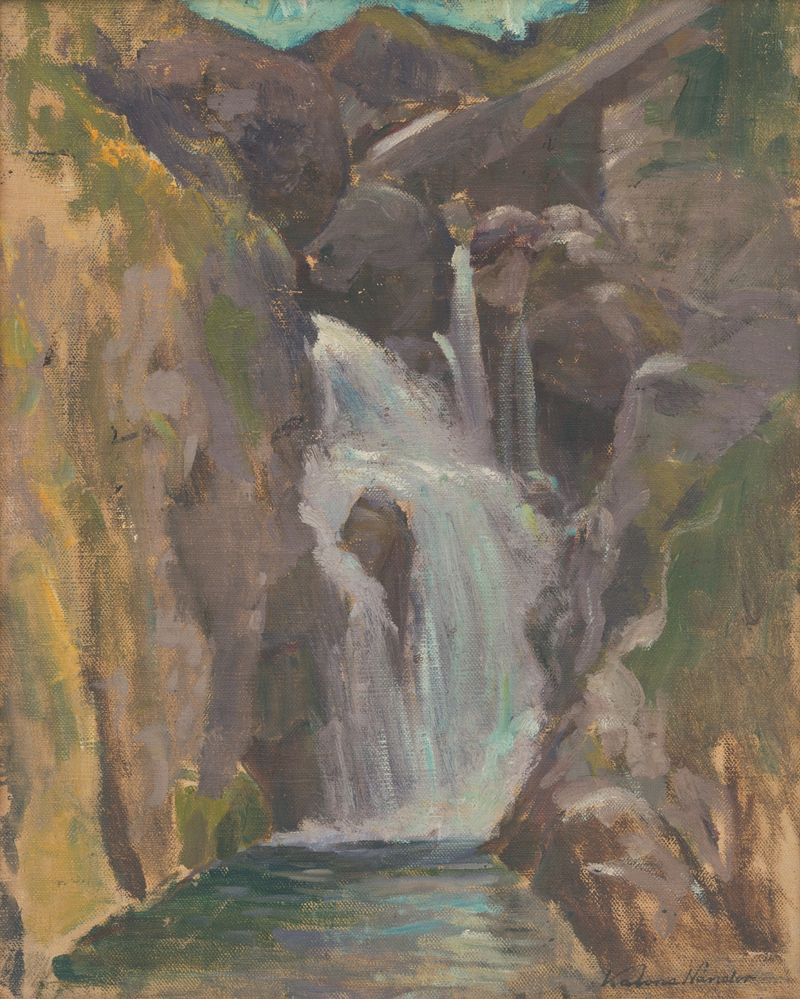
Waterfall
Ferdinand Katona
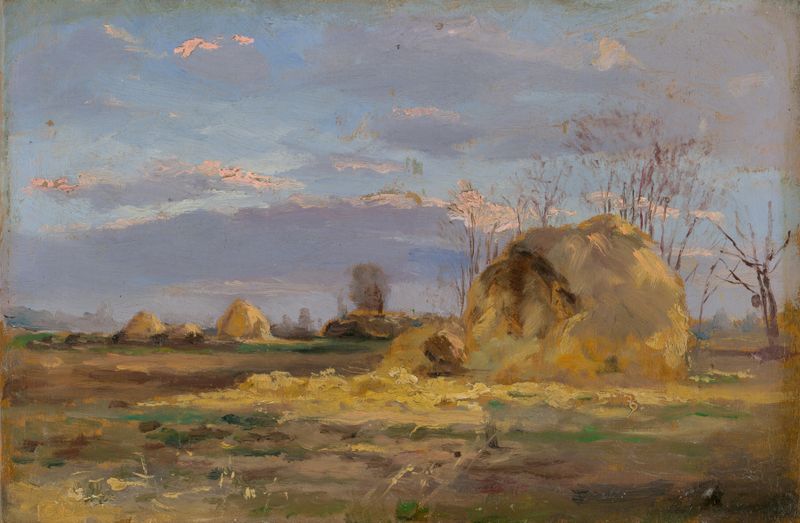
Autumn Landscape with Trees
Ferdinand Katona
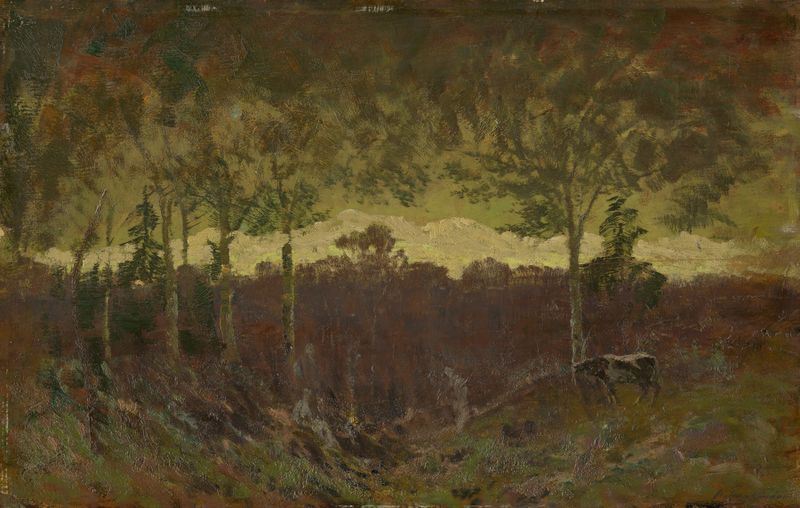
Early Evening Tatras Landscape
Ferdinand Katona
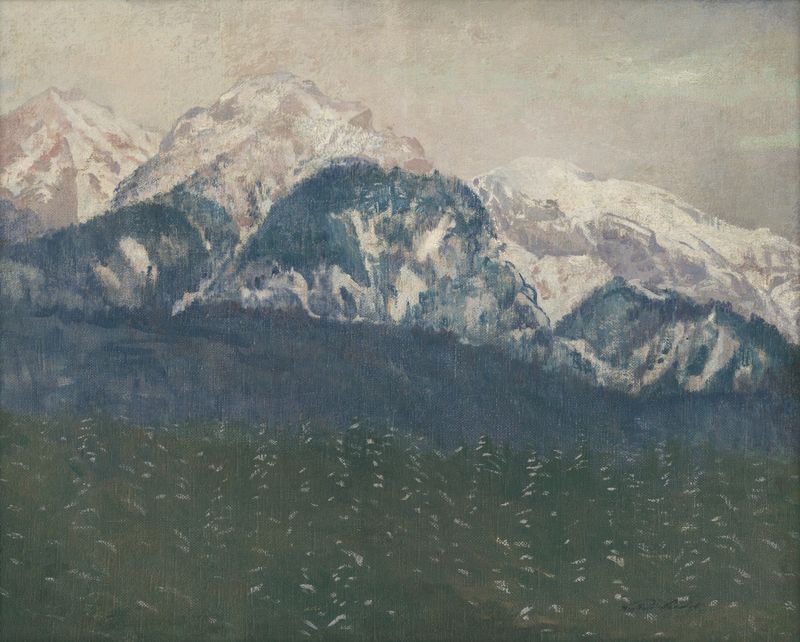
View of the High Tatras
Ferdinand Katona
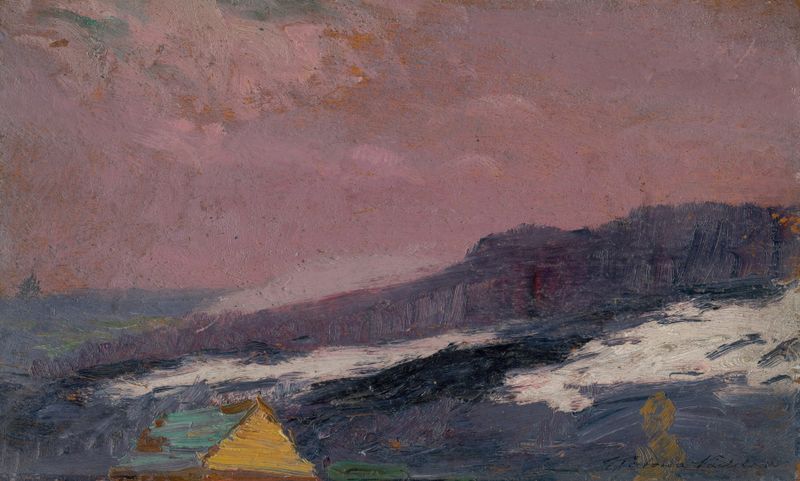
Early Spring
Ferdinand Katona





