
Landschap met ruïnes en drie pelgrims — História e Análise
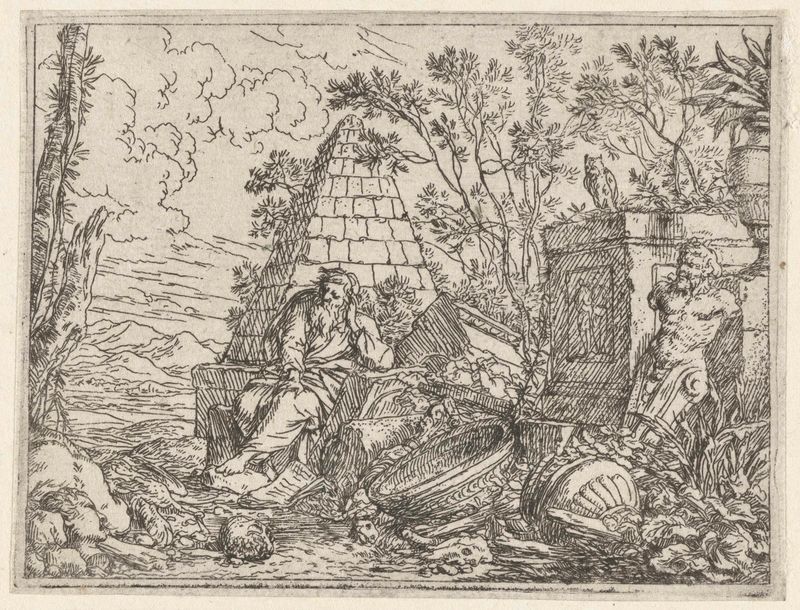
Where does light end, and longing begin? This question lingers in the stillness of a landscape that speaks volumes without uttering a word. Look to the left at the soft, golden light filtering through the ruins, illuminating the intricately textured stones that tell stories of a past life. Notice how the three pilgrims stand in quiet contemplation, their forms subtly defined against the vast, tranquil sky. The muted palette, rich in earthy tones, creates a sense of harmony, allowing the viewer to delve deeper into the emotional resonance of the scene. Between the shadows and the gentle play of light lies a poignant contrast: the crumbling ruins symbolize the passage of time, while the pilgrims represent hope and faith.
Their stoic presence amidst decay evokes a sense of yearning, a search for meaning in the remnants of what once was. The silence surrounding them amplifies this tension, inviting reflection on the impermanence of life and the enduring nature of human aspiration. Jonas Umbach created Landschap met ruïnes en drie pelgrims during a period of artistic transition in the 17th century, a time when the Baroque style was giving way to a more pronounced focus on naturalism. Painted between 1634 and 1693, Umbach's work reflects his deep engagement with landscape painting as a genre, capturing not just the physical world but also the emotional landscape of his contemporaries amidst the broader cultural transformations of his time.
Mais obras de Jonas Umbach
Ver tudo →
Johannes de Doper water drinkend
Jonas Umbach

Heilige Antonius van Padua en zijn visioen van het Christuskind
Jonas Umbach
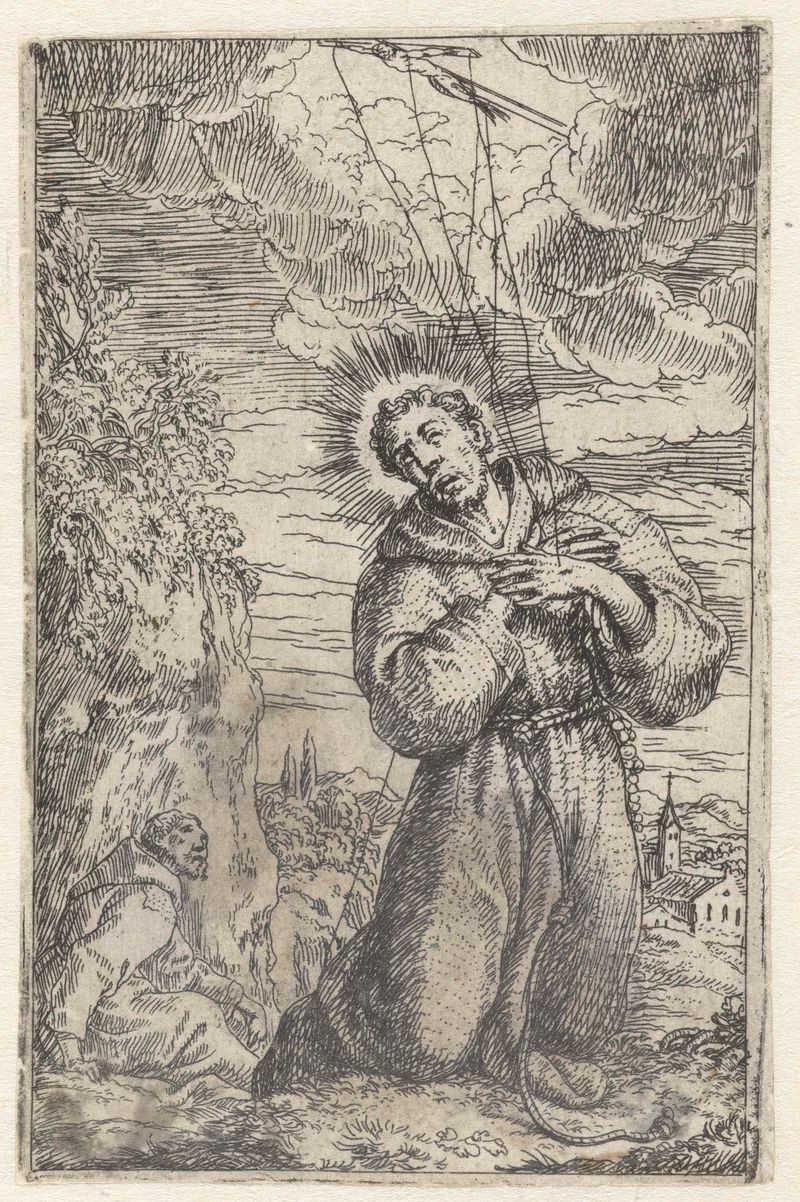
Stigmatisatie van heilige Franciscus
Jonas Umbach
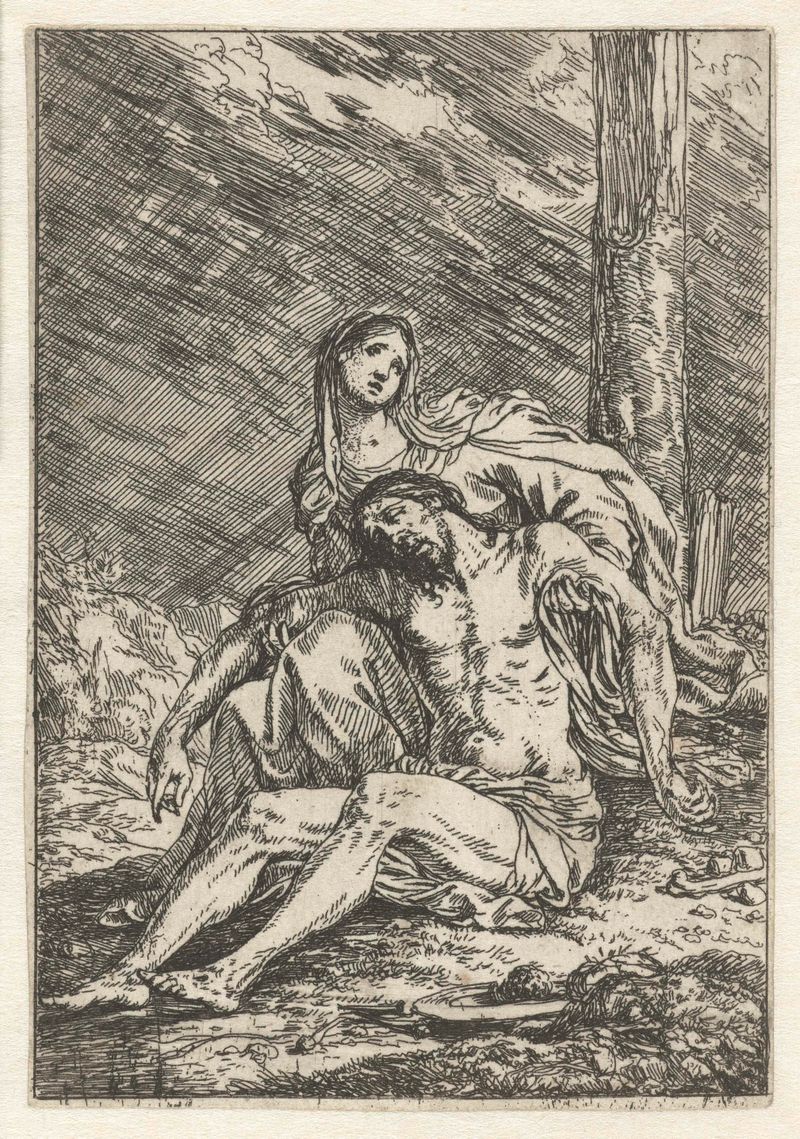
Maria met het lichaam van Christus (Pietà)
Jonas Umbach

Stigmatisatie van heilige Franciscus
Jonas Umbach
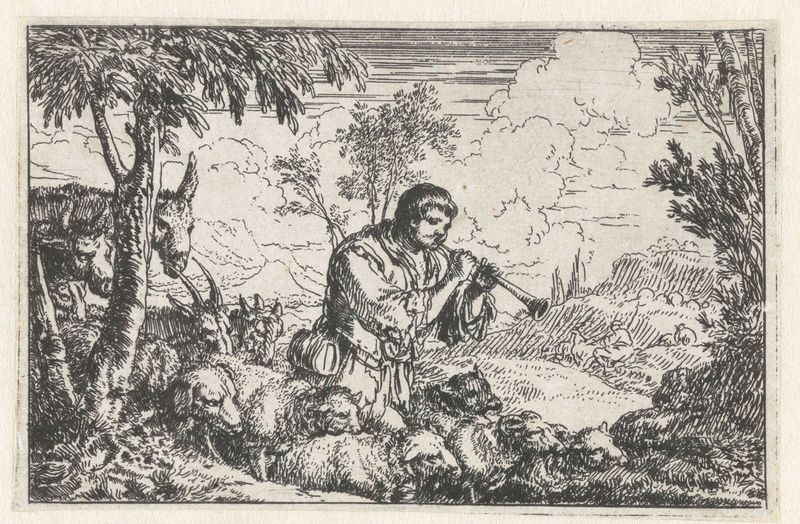
Schalmeispelende herder met kudde
Jonas Umbach
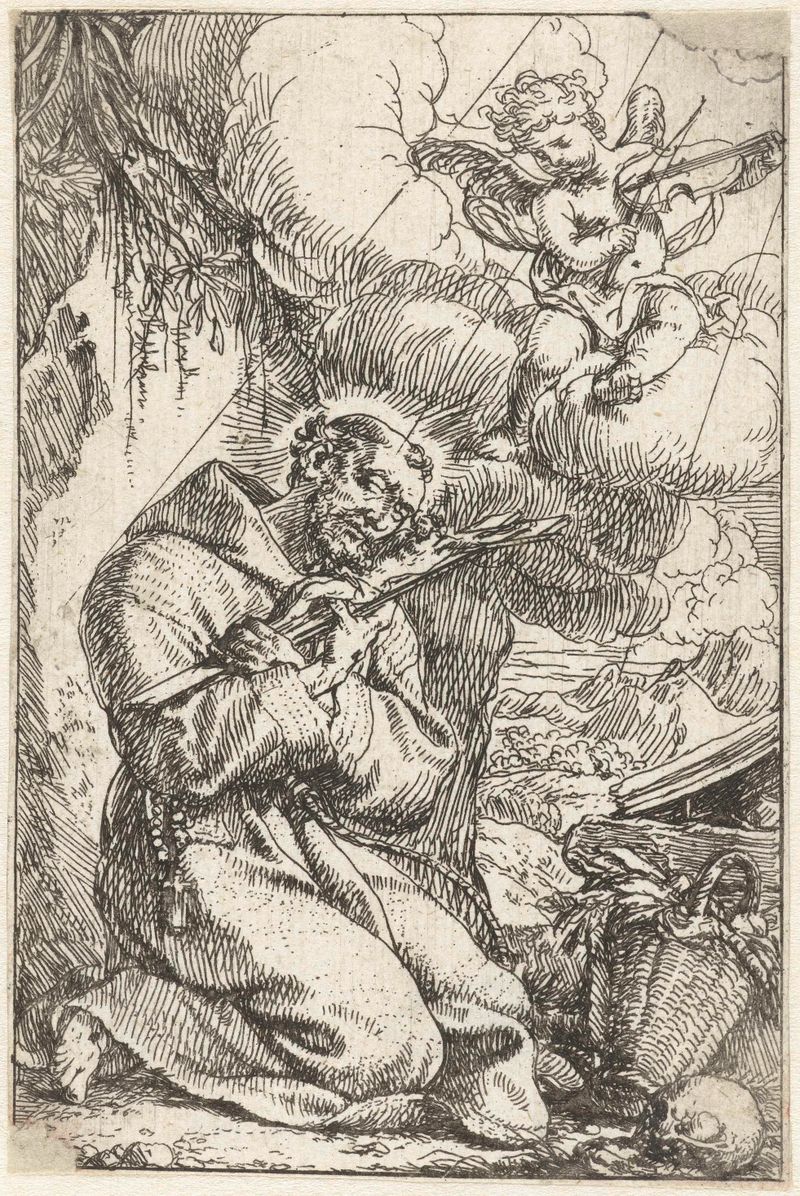
Heilige Franciscus het kruis kussend
Jonas Umbach
Democritus mediterend
Jonas Umbach

Twee rustende jagers met hun honden en buit
Jonas Umbach

Diogenes vraagt Alexander de Grote uit de zon te gaan
Jonas Umbach





