
Le Canal Saint Denis, Effet De Lune — História e Análise
What secret hides in the quiet of the canvas? A profound stillness envelops Le Canal Saint Denis, Effet De Lune, inviting us to explore the hidden depths of faith nestled within its serene reflections. Look to the left at the shimmering waters of the canal, where the moonlight dances delicately upon the surface, creating a silvery pathway that leads the eye through the composition. Notice how the soft blues and silvery whites blend seamlessly, evoking a sense of tranquility and calm. The muted palette underscores the ethereal quality of the scene, while the trees stand tall against the dim light, their dark silhouettes defining the margins of this tranquil world. Within this tranquil landscape lies a tension between the known and the unknown.
The luminous moon looms large, suggesting divine presence, while the shadows of the trees hint at the mysteries that lie in the depths of night. The juxtaposition of light and dark transcends mere representation, encapsulating the emotional weight of faith in the unseen. It invites viewers to ponder their own beliefs, suspended between reality and spirituality, illuminating the way we navigate life's uncertainties. Stanislas Lépine painted Le Canal Saint Denis, Effet De Lune between 1876 and 1879 while living in France during a time of artistic transition and experimentation.
As Impressionism was gaining prominence, Lépine embraced its principles, yet maintained a distinct personal style that melded realism with romantic sensibilities. This period marked a significant flourishing in his career, as he sought to capture the subtleties of light and atmosphere in urban landscapes, reflecting both the beauty and complexity of human experience.
Mais obras de Stanislas Lépine
Ver tudo →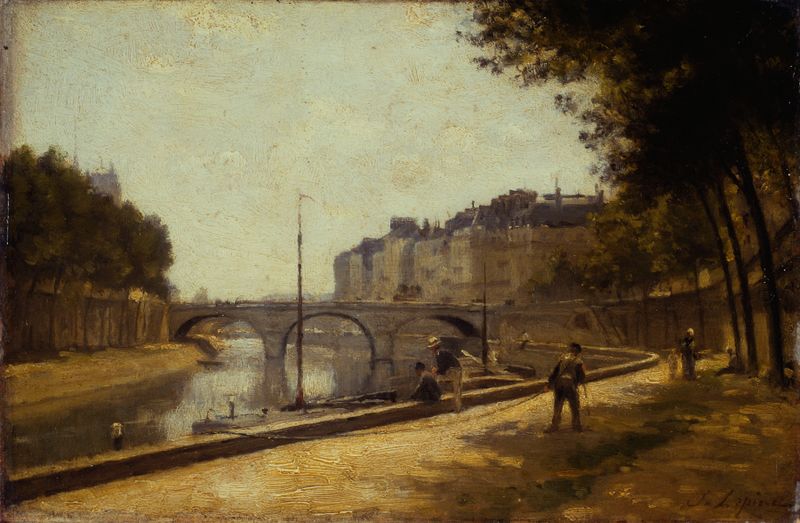
Le pont Saint-Michel
Stanislas Lépine
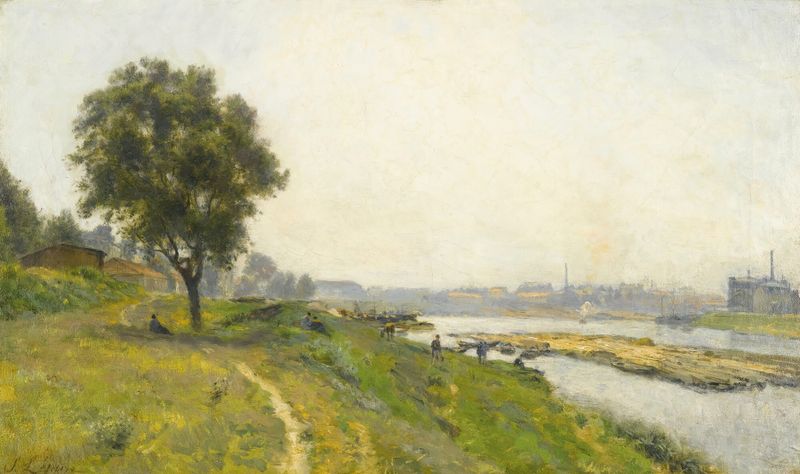
Ivry-Sur-Seine. Le Confluent Avec La Marne
Stanislas Lépine

View on the Seine, Paris
Stanislas Lépine
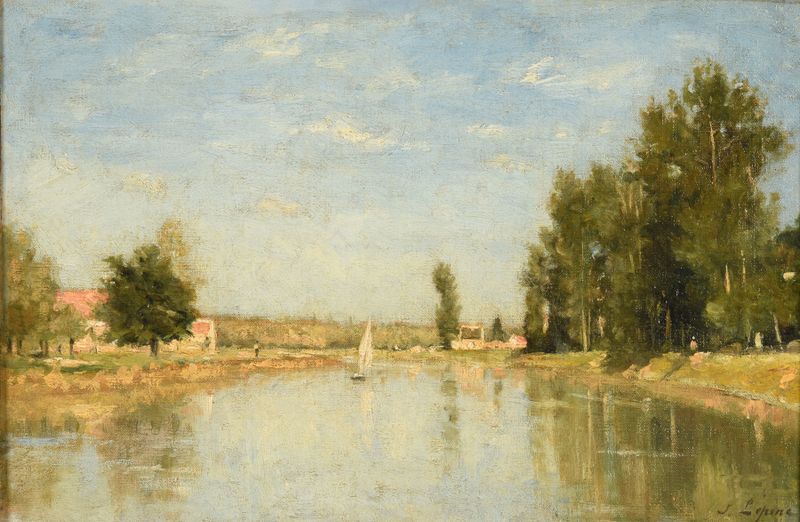
Les Bords de la Marne
Stanislas Lépine

L’île de la Cité et l’île Saint-Louis, vues du pont d’Austerlitz
Stanislas Lépine
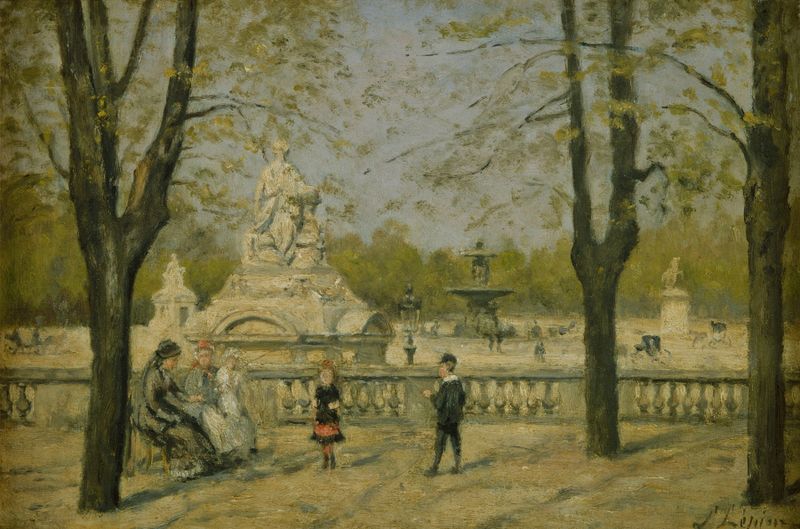
La place de la Concorde, vue de la terrasse des Tuileries
Stanislas Lépine
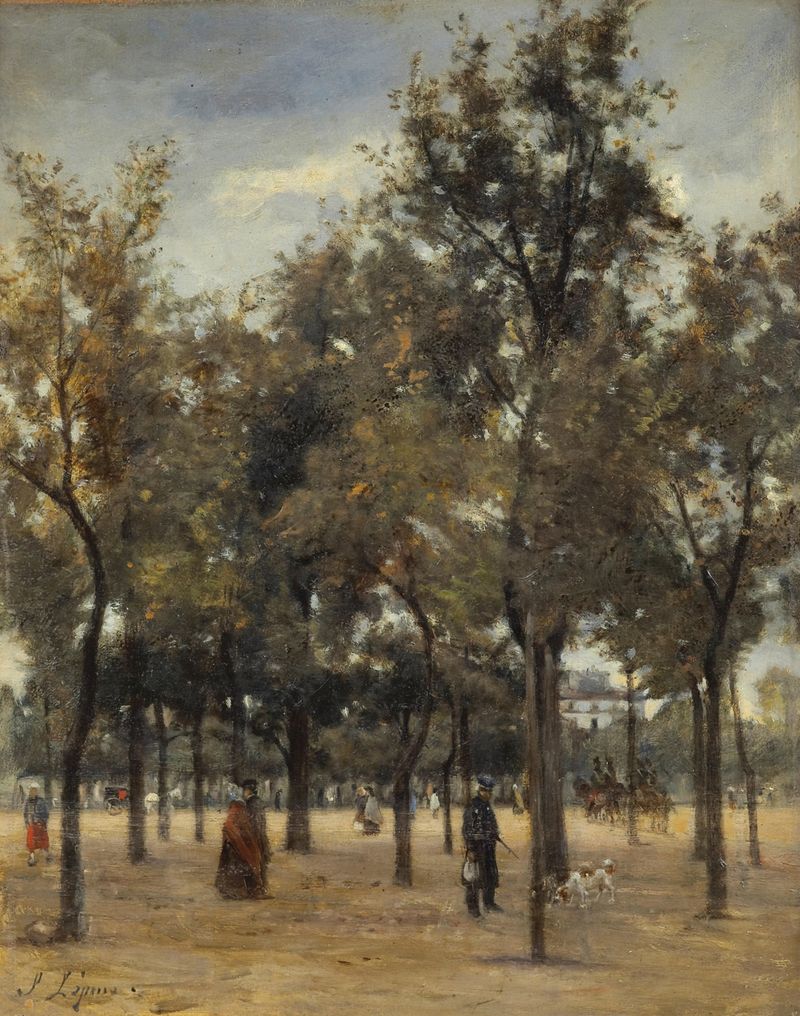
L’esplanade des Invalides
Stanislas Lépine
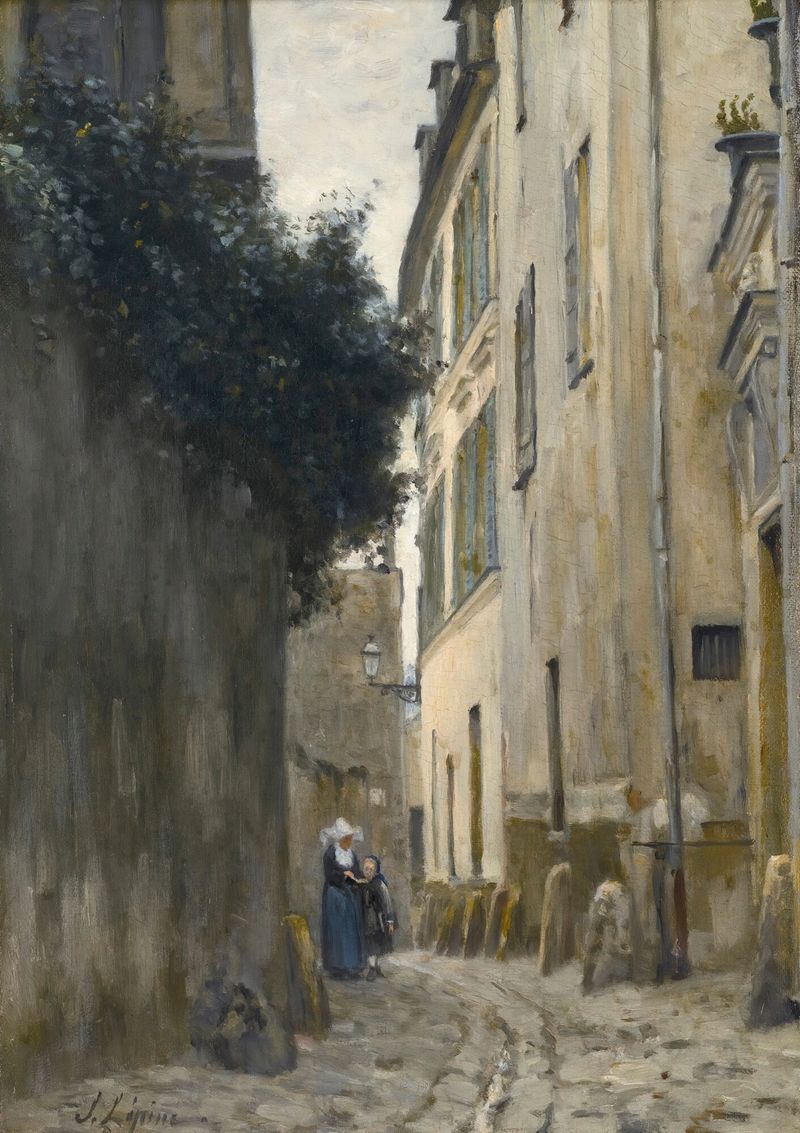
Montmartre. La Rue Saint-Vincent
Stanislas Lépine

Le Bassin de la Villette en hiver
Stanislas Lépine
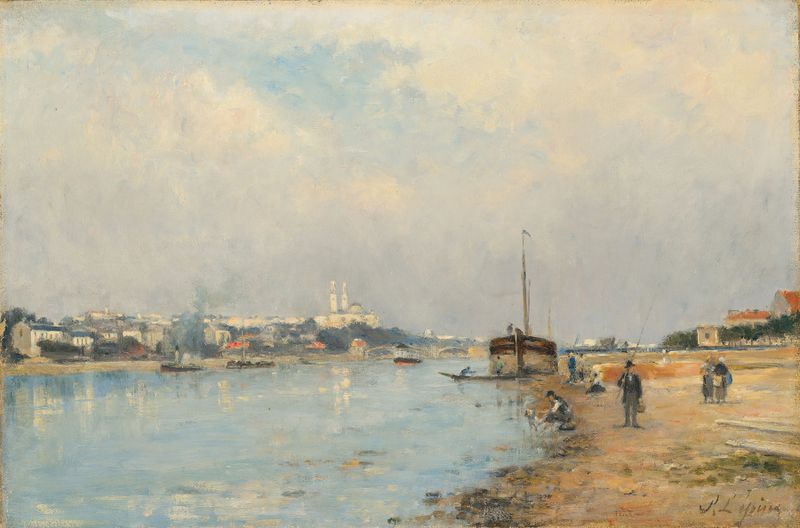
La Seine. Le Trocadéro et le pont de Grenelle, vus du quai de Javel
Stanislas Lépine





