
Le Pont du Moulin — História e Análise
Did the painter know this moment would outlive them? In Le Pont du Moulin, a quiet reflection on loss and permanence unfolds, capturing a transient scene that resonates with deep emotion. Look to the left at the bridge, its arch gracefully spanning the water, inviting the viewer’s gaze across a landscape awash in muted hues. The trees on either side stand sentinel, their branches delicately framing the structure, while soft wisps of clouds hang overhead, suggesting a fleeting serenity. The palette, dominated by gentle browns and greens, elevates the scene's melancholic beauty, while the delicate brushwork gives life to the shimmering reflections in the water below. Hidden within this pastoral setting lies an emotional tension born from absence.
The bridge, sturdy yet solitary, becomes a metaphor for the connections lost over time. The calm water serves as a mirror, not only reflecting the scene but also the bittersweet nature of memory—still yet ever-changing. As the eye wanders through the composition, one feels both the weight of what has been and the delicate promise of what remains. Created during a period of personal turmoil for the artist, Le Pont du Moulin was painted between 1857 and 1911, a time when Legros was grappling with the complexities of his artistic identity in post-Impressionist France.
Moving between England and France, he navigated the evolving art world while seeking solace in the pastoral landscapes that spoke to his grief and longing, forever immortalizing a moment that resonates deeply with the fragility of existence.
Mais obras de Alphonse Legros
Ver tudo →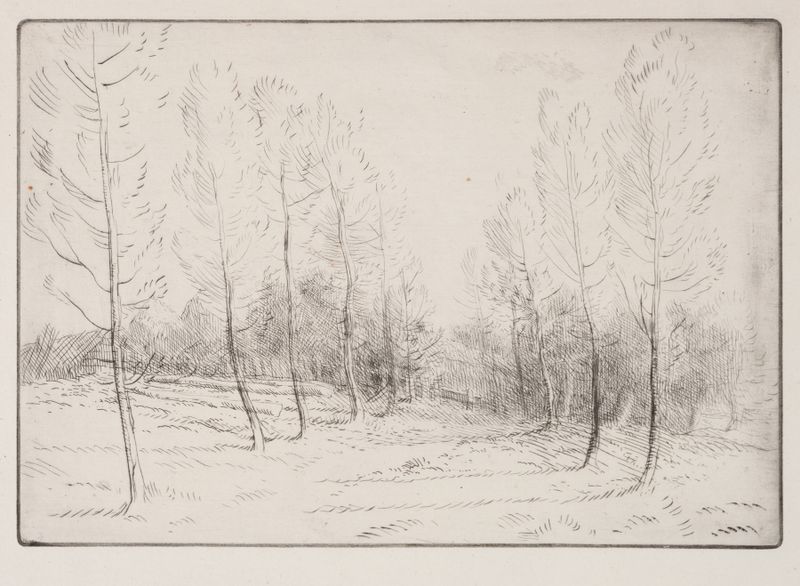
Avenue of Poplars
Alphonse Legros
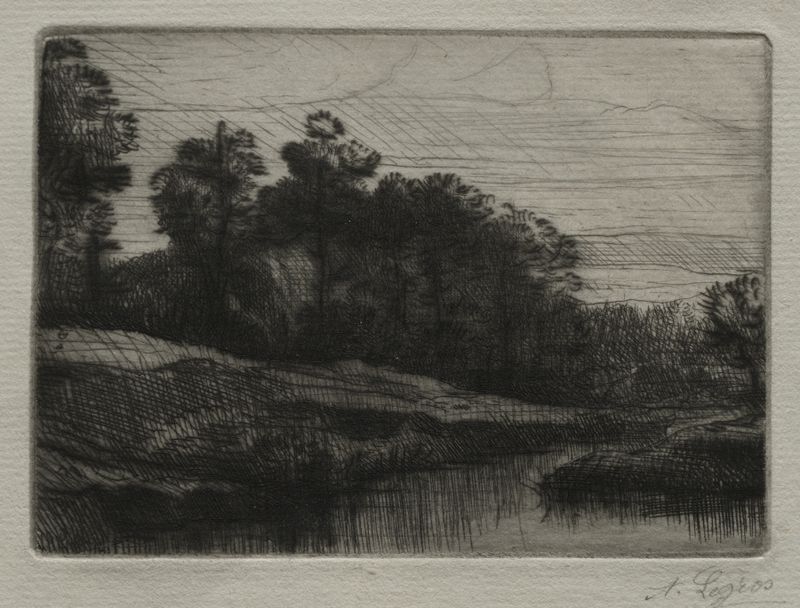
Evening
Alphonse Legros

The Fish in the Hoop Net
Alphonse Legros

The Little Beggar
Alphonse Legros
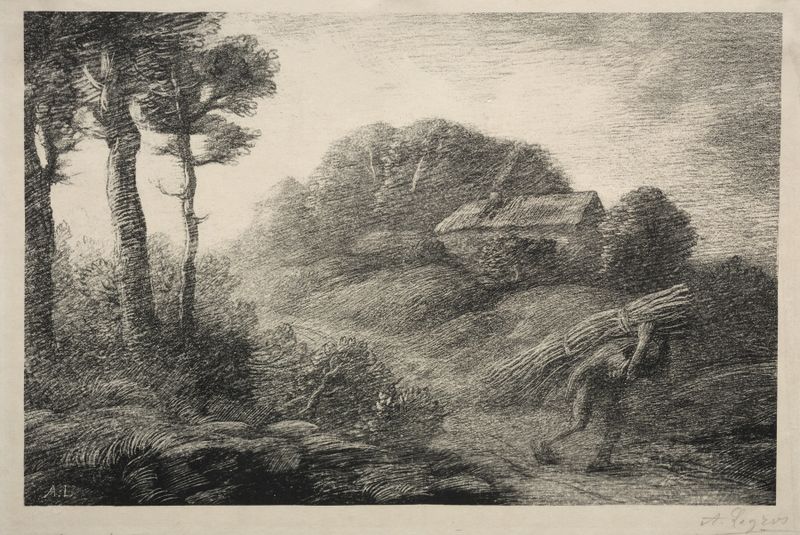
The Return of the Fagot Gatherer
Alphonse Legros

Storm
Alphonse Legros
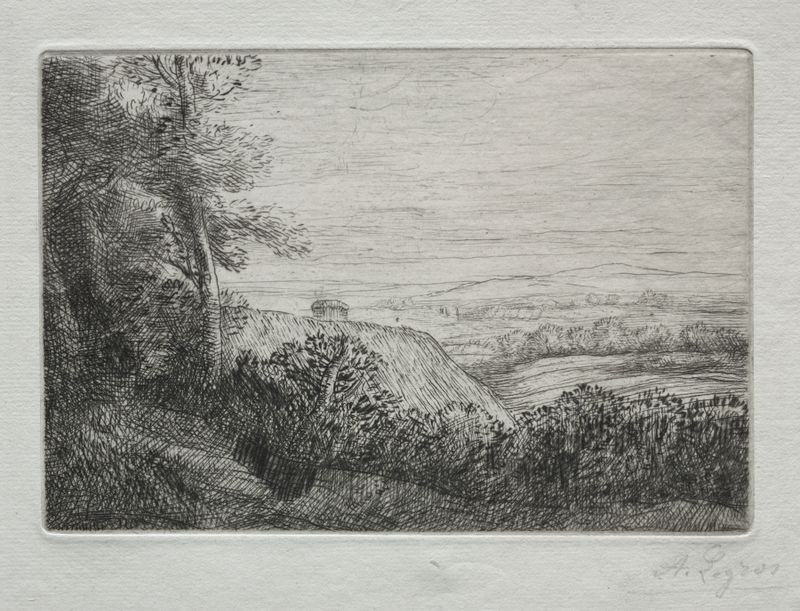
Les dernière Rayons de Soleil
Alphonse Legros
The Traveler Stretched out on the Grass
Alphonse Legros
Guard House
Alphonse Legros

Death of a Vagabond
Alphonse Legros





