
Le quai de l’Horloge — História e Análise
Is this a mirror — or a memory? In Le quai de l’Horloge, time seems to rest on the cusp of a collective awakening, where the past and present entwine within a frame of rich nostalgia. Focus on the clock tower standing sentinel to the scene, its face luminous against the soft hues of twilight. Look closely at how the warm tones of the sunset blend with cooler blues, creating a vibrant contrast that evokes both serenity and urgency. The brushwork is delicate, capturing the flutter of leaves and the gentle ripples on the water, guiding your gaze toward the figures strolling along the quai, each lost in their own world yet intimately connected to the surrounding beauty. Delve deeper into the composition, and you'll uncover the tension between movement and stillness.
The pedestrians, rendered in fluid strokes, seem to float along the water's edge, suggesting a transient moment in time. Meanwhile, the stark, unyielding structure of the clock tower symbolizes the relentless march of hours, a reminder that while we may linger in memory, the present continues its relentless course. The interplay between light and shadow across the scene enhances this duality, stirring reflections on what it means to awaken to one's surroundings. Painted in 1882, this work emerged from a period of transformation for its creator.
Paul Lecomte was finding his voice amidst the Impressionist movement, which was reshaping perceptions of light and color in Paris. At this time, the city was alive with the excitement of innovation, and artists were keenly observing the interplay between man and nature, capturing fleeting moments that would resonate through art history.
Mais obras de Paul Lecomte
Ver tudo →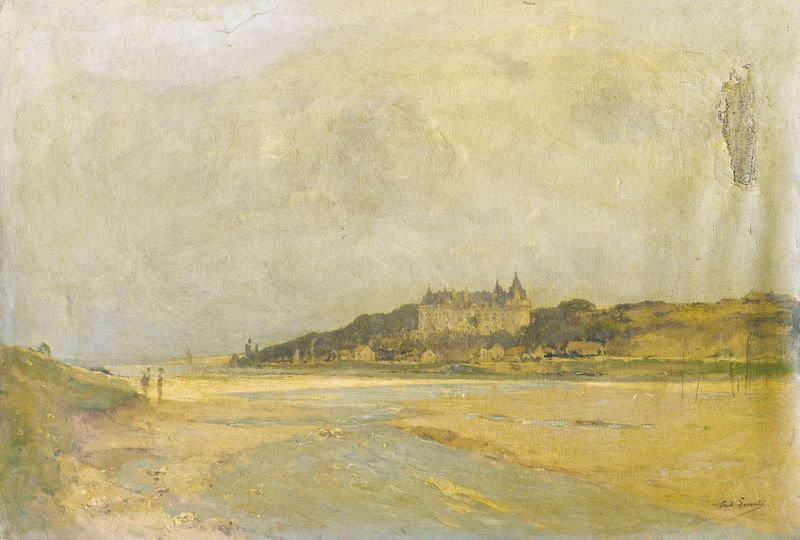
Château dans l’embouchure d’un fleuve
Paul Lecomte
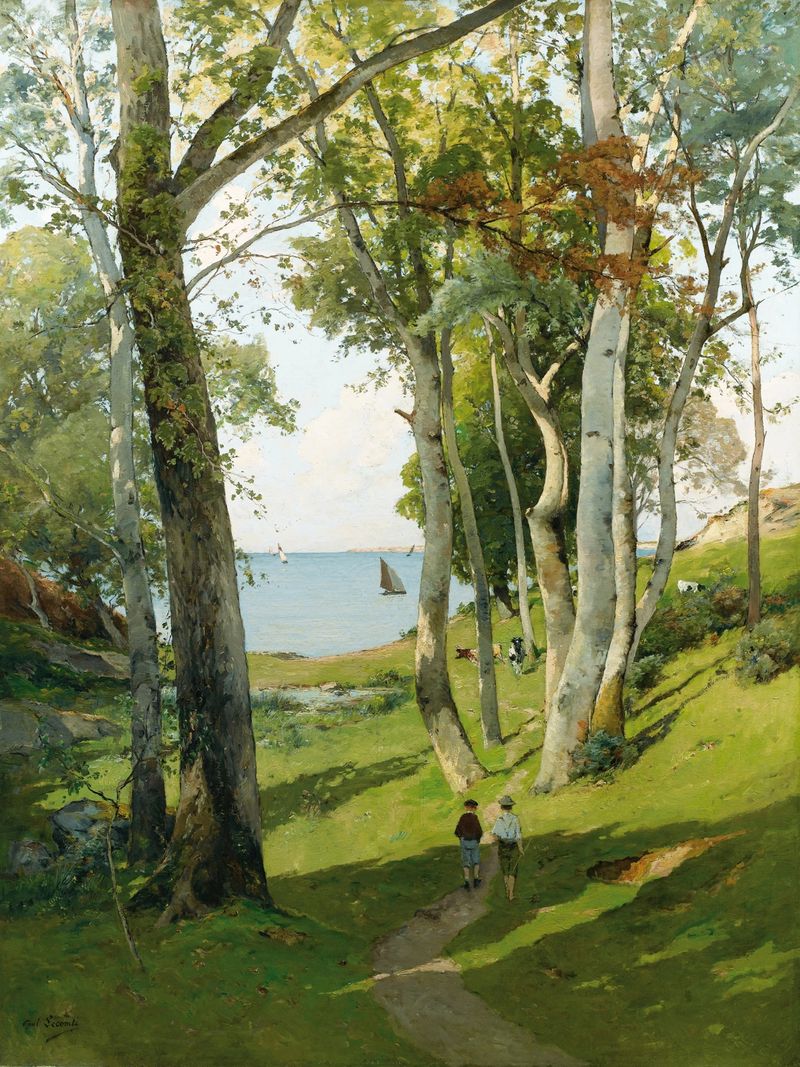
Deux garçons sur un chemin, marchant vers la mer
Paul Lecomte
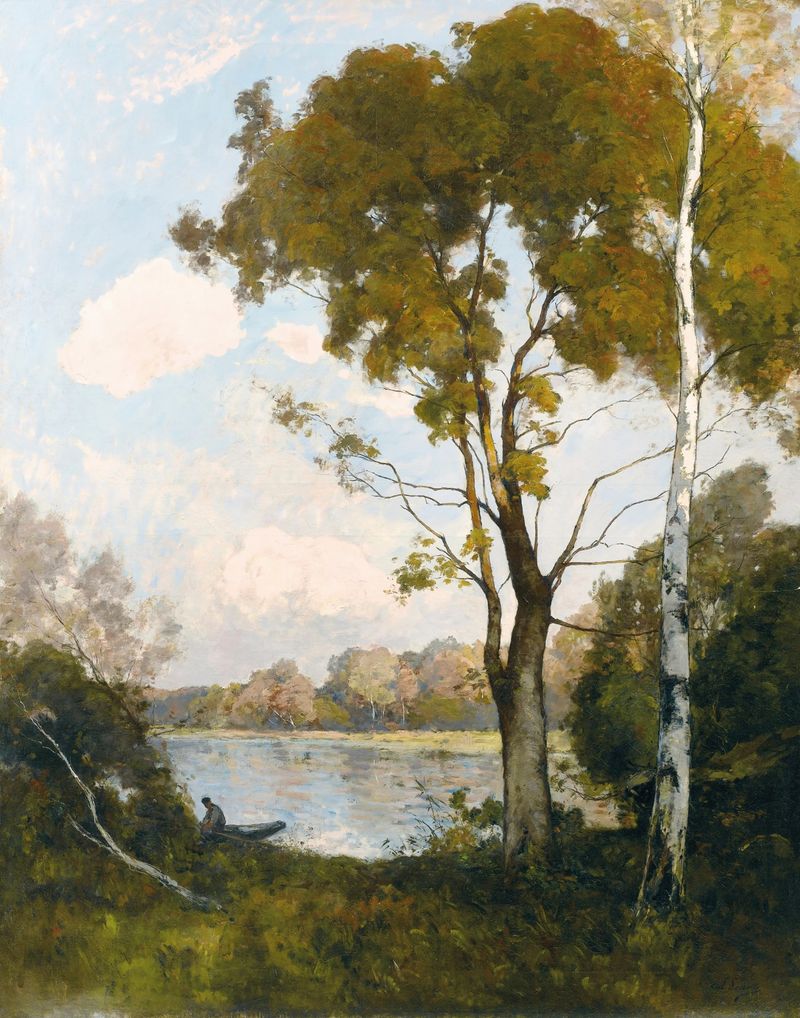
Barque au soleil couchant, deux grands arbres à droite
Paul Lecomte
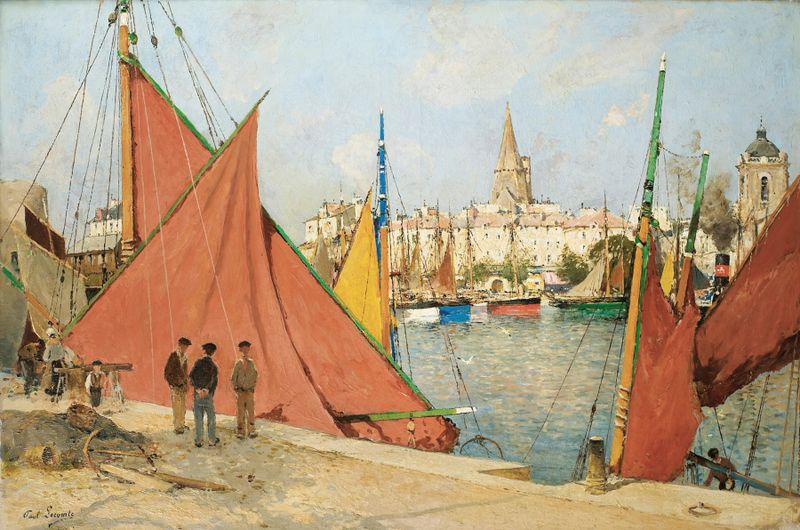
Le port de La Rochelle
Paul Lecomte
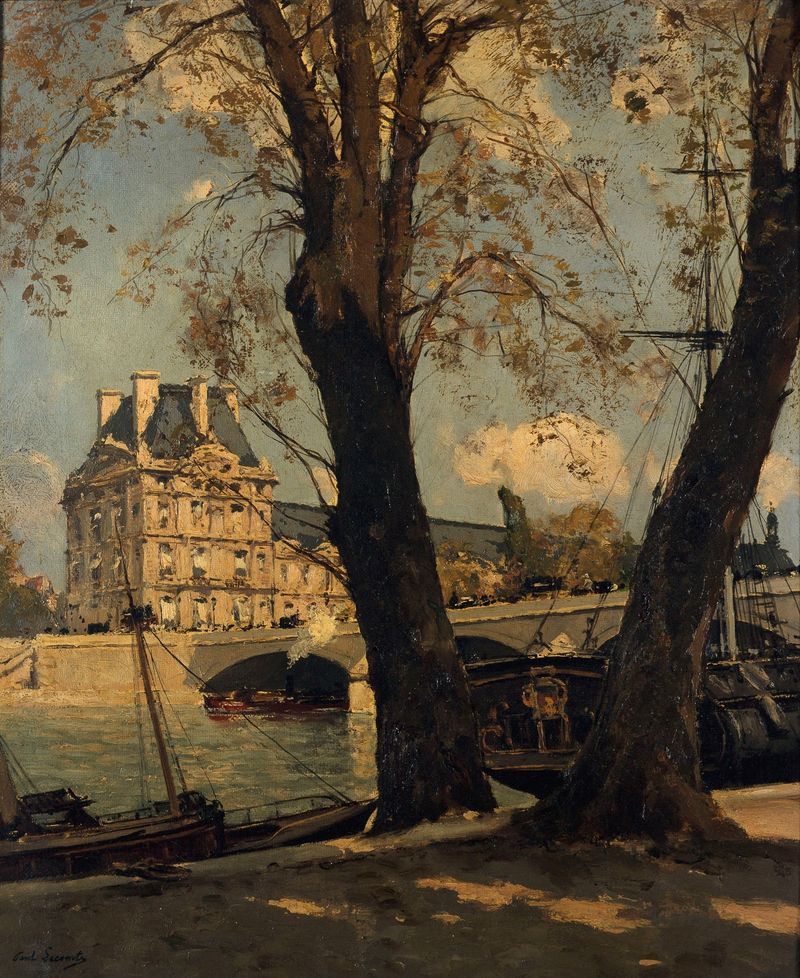
La Frégate du pont Royal
Paul Lecomte
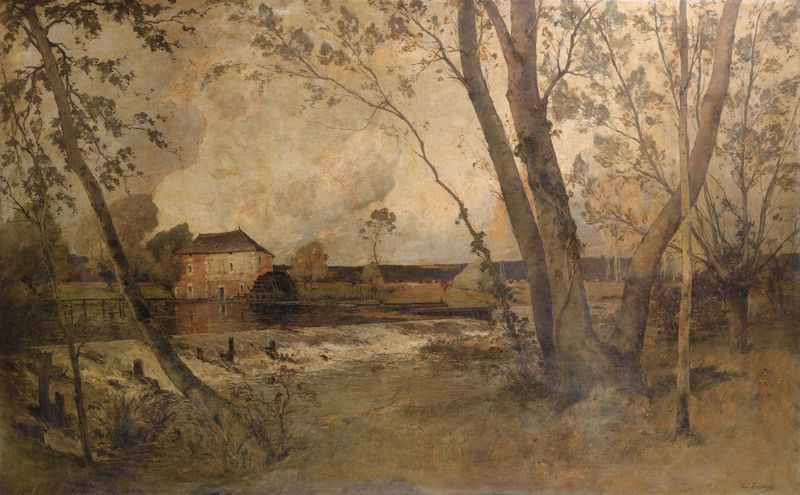
Paysage au moulin
Paul Lecomte
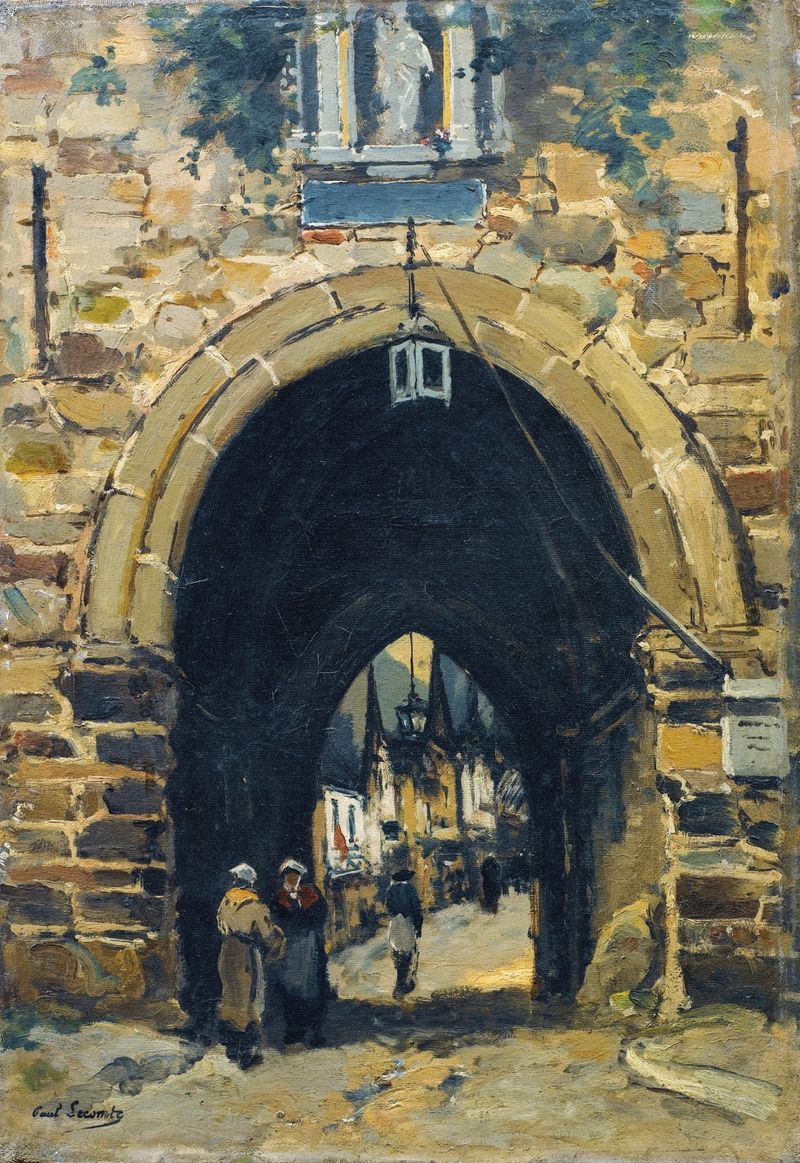
Porte médiévale à Dinan
Paul Lecomte
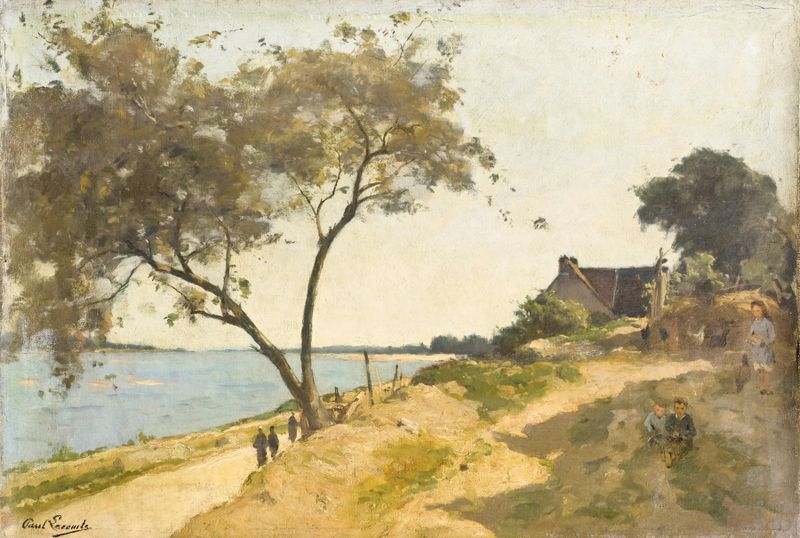
Bord de mer avec promeneurs sur un chemin
Paul Lecomte
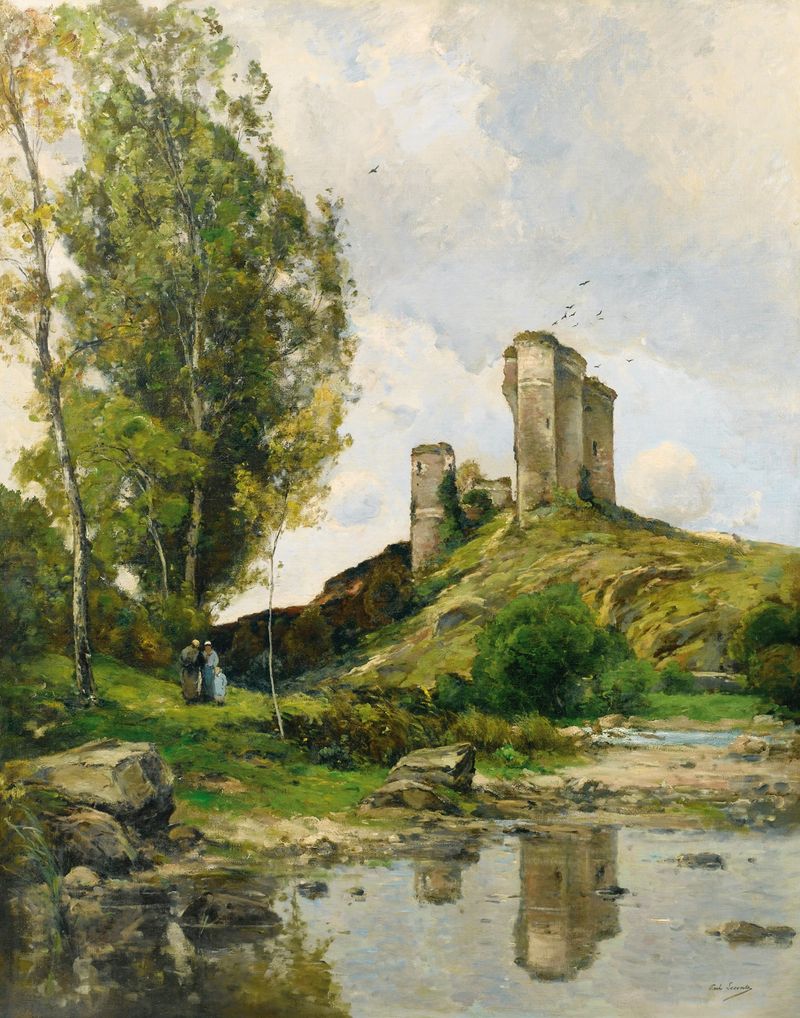
Vue de Hérisson avec deux paysannes et un enfant
Paul Lecomte
Mais arte de Arquitetura
Ver tudo →
The statue of Liberty
Frédéric Auguste Bartholdi

View of Houses in Delft, Known as ‘The Little Street’
Johannes Vermeer

View of Houses in Delft, Known as ‘The Little Street’
Johannes Vermeer

The Cathedral in Rouen. The portal, Grey Weather
Claude Monet

The yellow house
Vincent van Gogh

The Church in Auvers-sur-Oise, View from the Chevet
Vincent van Gogh