
Le Quai des Ormes (actuel quai de l’Hôtel de Ville), le pont Marie et l’île Saint-Louis — História e Análise
What if silence could speak through light? In Le Quai des Ormes by Nicolas Jean-Baptiste Raguenet, the stillness of the Parisian riverscape resonates with an unspoken yearning that transcends time. The painting captures a fleeting moment where the architecture, water, and atmosphere conspire to evoke a sense of obsession with both beauty and decay. Look to the left at the delicate interplay of shadows and light filtering through the trees, casting a dappled effect on the cobblestone path. Notice the figures walking leisurely along the quai, their gestures hinting at conversations unspoken, their forms animated yet distant.
The gentle hues of blue and green contrast with the warmer tones of the buildings, creating a serene yet intoxicating ambiance that invites introspection and wonder. Hidden within the tranquil scene are themes of nostalgia and remembrance. The bridge, sturdy and elegant, symbolizes connection yet serves as a barrier to the past, as if it guards the memories of the island's history. Each element, from the rippling water to the distant horizon, whispers of a longing that is both personal and collective, a reminder of what was once cherished but is now fading away. Raguenet painted this work in 1757 during a period when Paris was transforming rapidly, reflecting enlightenment ideals and aesthetic shifts in art.
As he immersed himself in the city's evolving landscape, the artist drew inspiration from the serene beauty of its waterways, capturing the essence of a moment that encapsulates both the vibrancy of life and the quietude of memory.
Mais obras de Nicolas Jean-Baptiste Raguenet
Ver tudo →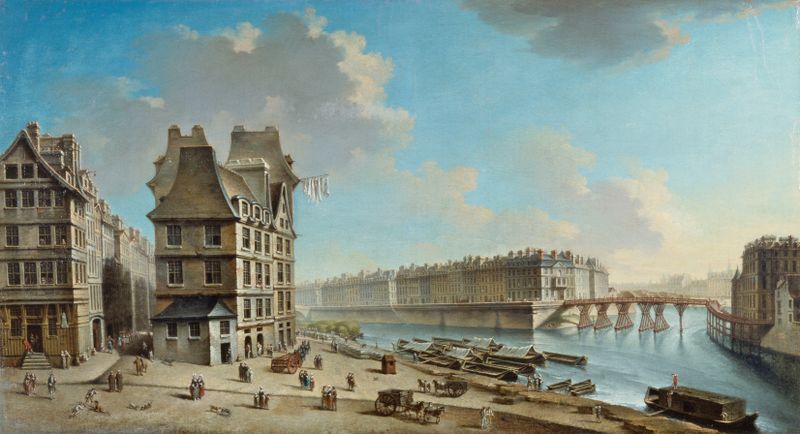
La Grève, l’Ile Saint-Louis et le Pont Rouge, vus de la place de la Grève
Nicolas Jean-Baptiste Raguenet

Le Palais des Tuileries, vu du quai d’Orsay
Nicolas Jean-Baptiste Raguenet
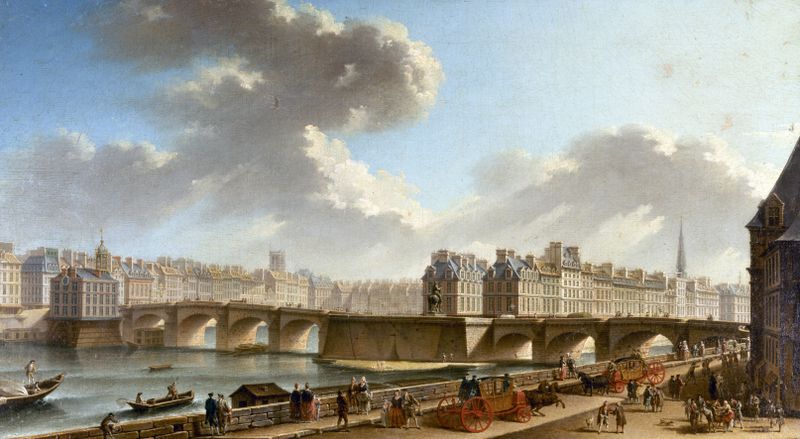
Le Pont-Neuf Et La Cité, Vus Du Quai De Conti
Nicolas Jean-Baptiste Raguenet
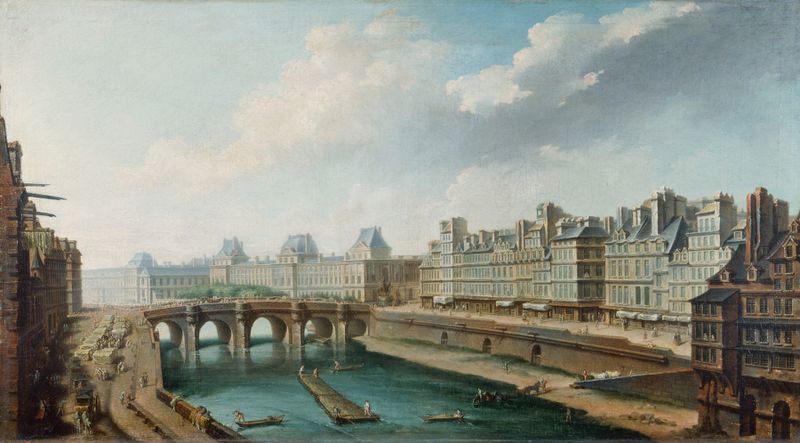
Le Louvre, le Pont-Neuf et le quai des Orfèvres, vus du quai des Grands-Augustins
Nicolas Jean-Baptiste Raguenet
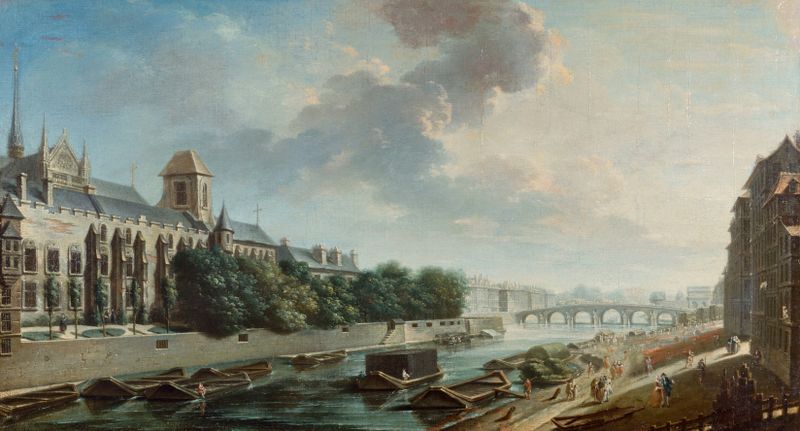
Le Palais de l’archevêché, vue de la rive gauche
Nicolas Jean-Baptiste Raguenet
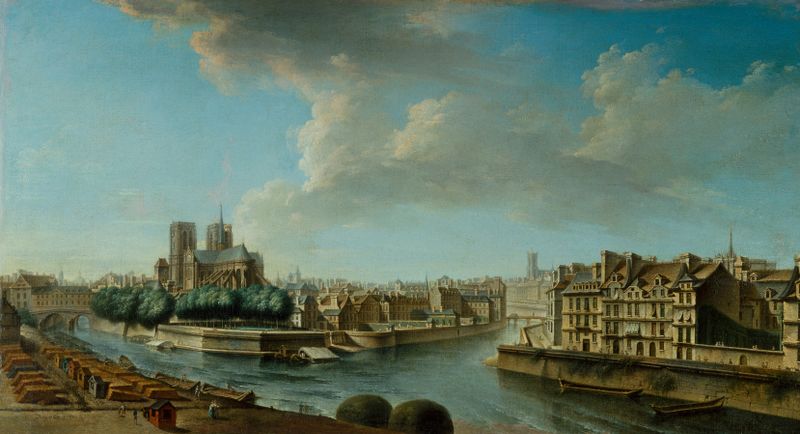
Le Chevet de Notre-Dame et la Pointe occidentale de l’Ile Saint-Louis
Nicolas Jean-Baptiste Raguenet
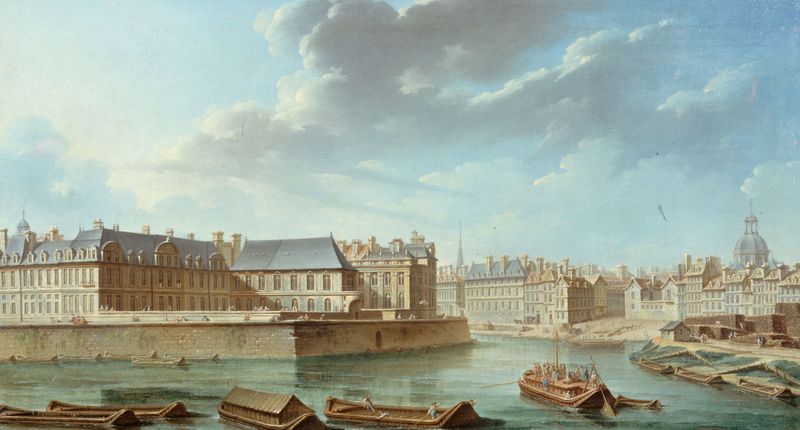
La Pointe orientale de l’île Saint-Louis, avec l’hôtel de Bretonvilliers et l’hôtel Lambert
Nicolas Jean-Baptiste Raguenet
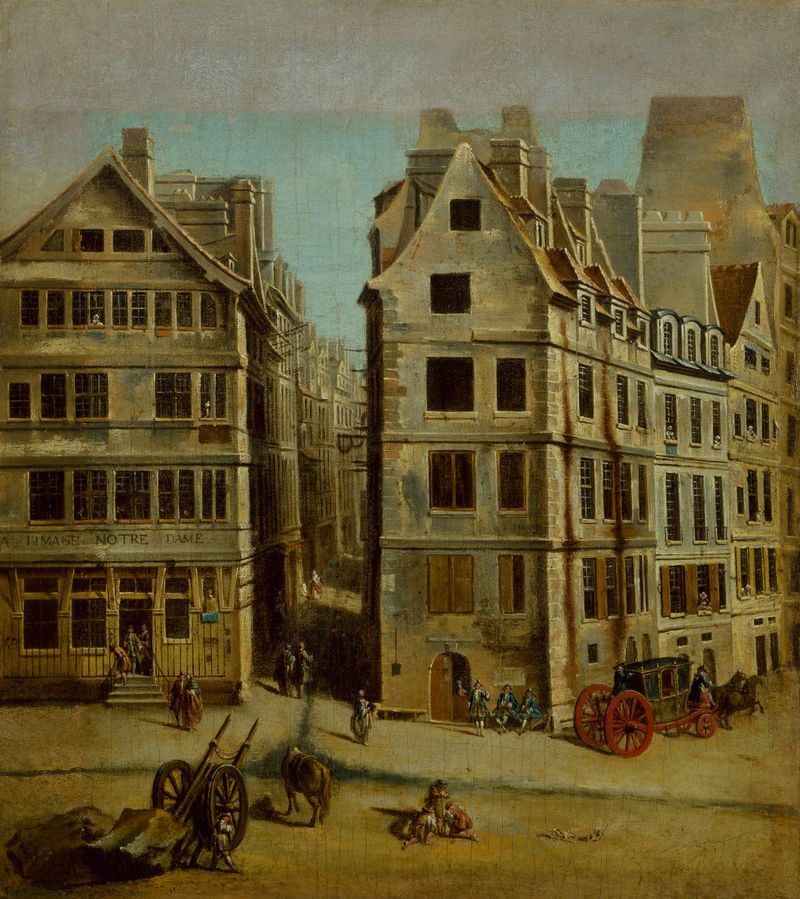
Le cabaret l’Image Notre-Dame, place de Grève, actuelle place de l’Hôtel de Ville
Nicolas Jean-Baptiste Raguenet

La joute des mariniers, entre le pont Notre-Dame et le pont au Change
Nicolas Jean-Baptiste Raguenet
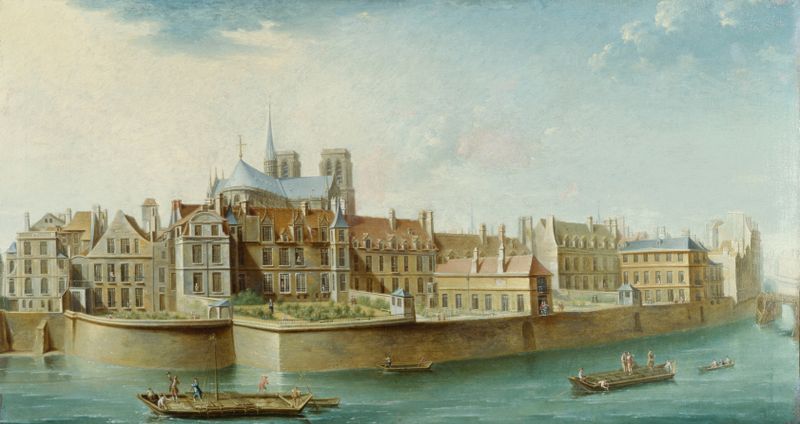
Le Cloître Notre-Dame, vu de l’île Saint Louis (quai d’Orléans)
Nicolas Jean-Baptiste Raguenet





