Little Knob — História e Análise
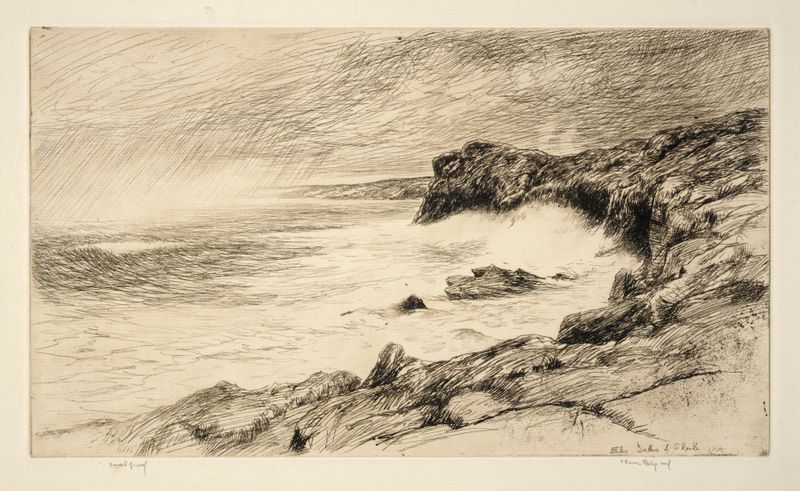
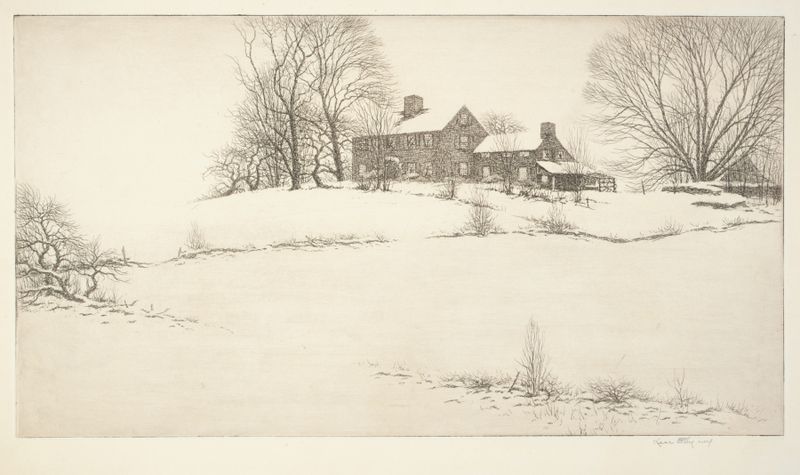
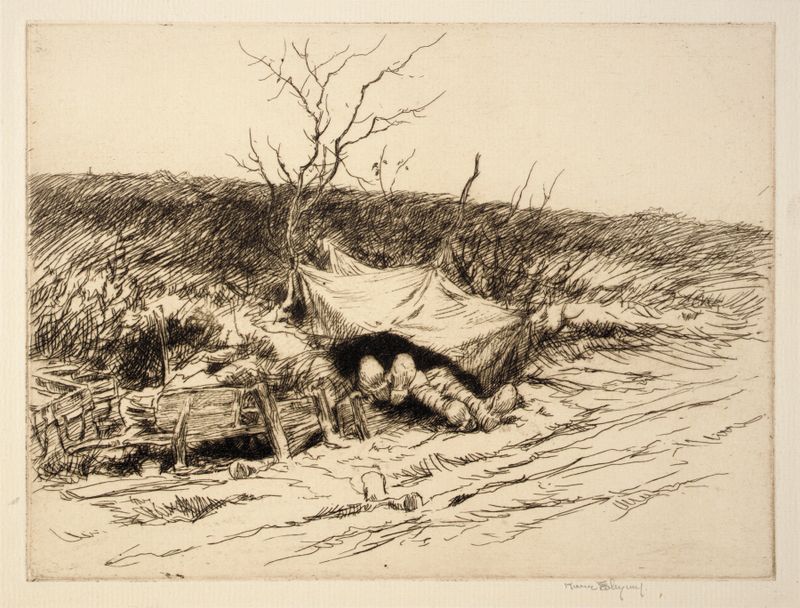
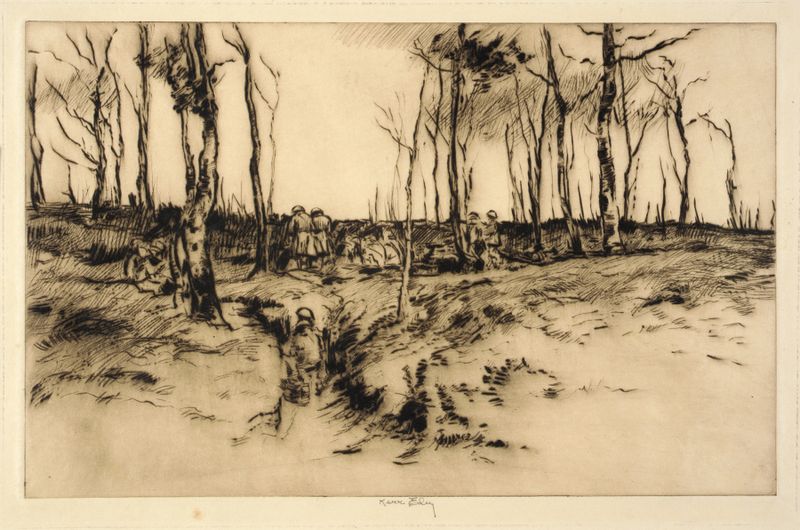
Where does light end, and longing begin? In Little Knob, the interplay of shadow and illumination resonates with an aching sense of absence, echoing the universal experience of loss. Look to the left, where a soft, golden light spills over a gently sloping landscape, inviting your eyes to trace the contours of the land. The brushwork is both delicate and assertive, with textured layers that create depth across the rolling hills. Notice how the contrasting hues of warm earth tones and cool shadows enhance the feeling of serenity, yet evoke a haunting nostalgia.
This balance of light and dark captures the essence of a moment suspended in time, where nature cradles reminiscence. The composition reveals a deeper emotional landscape. The quiet, solitary knob stands like a sentinel, embodying the weight of memories attached to the land. Each brushstroke seems to whisper stories of those who once inhabited this space, suggesting that while the physical presence may fade, the connection lingers.
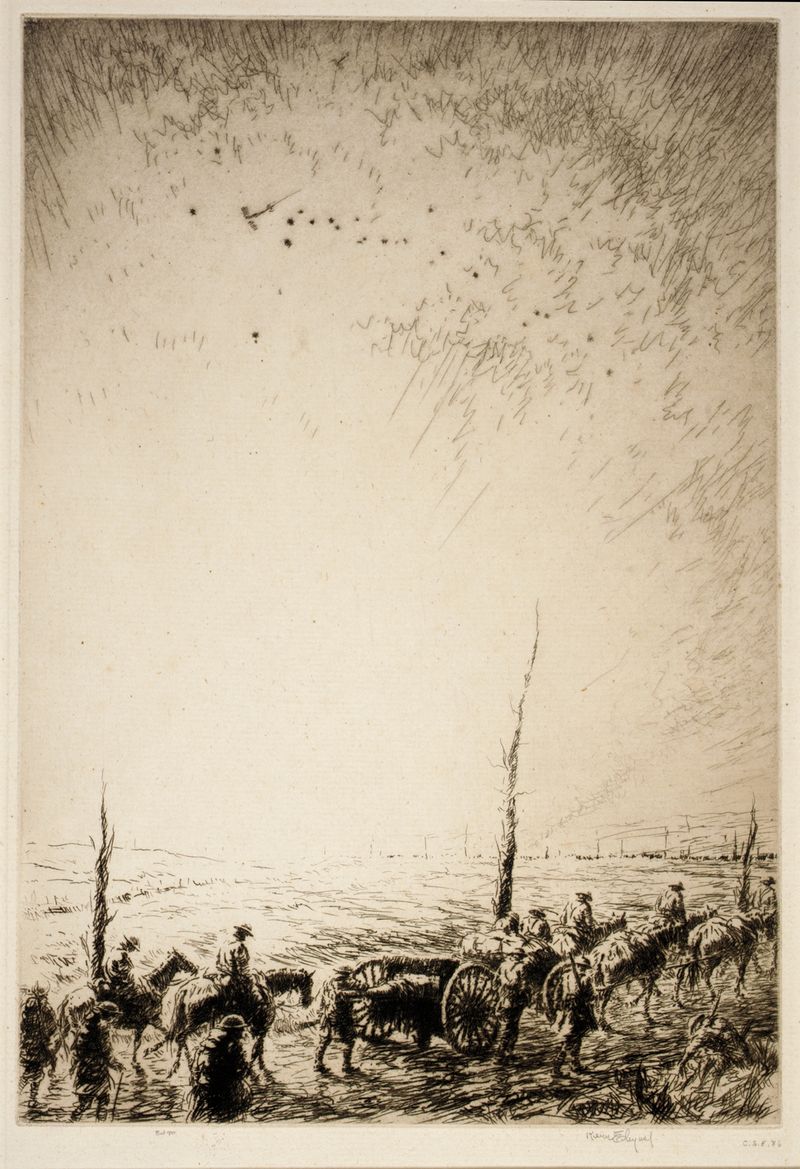
The viewer is invited to reflect on their own experiences of loss, making the personal universal through the shared language of nature. Kerr Eby created Little Knob in 1926, during a time when he was deeply influenced by the shifting landscape of American art and society. Having emerged from the devastation of World War I, he sought solace in the natural world, using his art to explore themes of solace and memory. Eby’s work during this period is characterized by a longing for peace, making this piece a poignant reflection of his contemporary realities and personal journey.