
Meuse and Sambre, from the Gate of the Sambre — História e Análise
When did color learn to lie? The beauty of the landscape often conceals truths that lie beyond the surface, prompting us to question what we perceive. Look to the shimmering waters in Meuse and Sambre, from the Gate of the Sambre, where hues of azure and deep green merge seamlessly, reflecting the encroaching sky. The composition draws you in, directing your gaze along the curving banks of the river, framed by a vibrant interplay of light and shadow. Notice how the golden sunlight splashes against the foliage, infusing the scene with a warmth that contrasts with the coolness of the water below, creating a sense of depth and serenity. Yet within this idyllic portrayal lies an underlying tension—a fleeting moment captured between the tranquility of nature and the inevitability of change.
The faded silhouettes of distant hills suggest an ominous presence, a reminder that beauty can be transient. The juxtaposition of the still waters and gentle ripples hints at the complexities of life, where calmness often masks deeper currents of emotion and experience. George Arnald painted this landscape in 1822, during a time when romanticism in art was gaining momentum, reflecting humanity's deepening connection to nature. He worked primarily in France, drawing inspiration from the serene riverscapes that surrounded him.
This period marked a shift in artistic focus from rigid classical forms to the exploration of emotion, atmosphere, and the raw beauty of the natural world, positioning Arnald as a significant figure in this evolving narrative.
Mais obras de George Arnald
Ver tudo →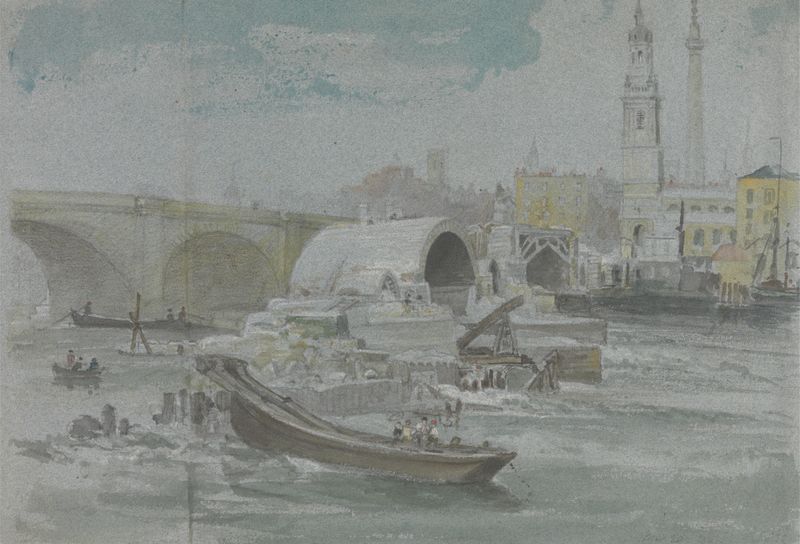
The Demolition of Old London Bridge
George Arnald
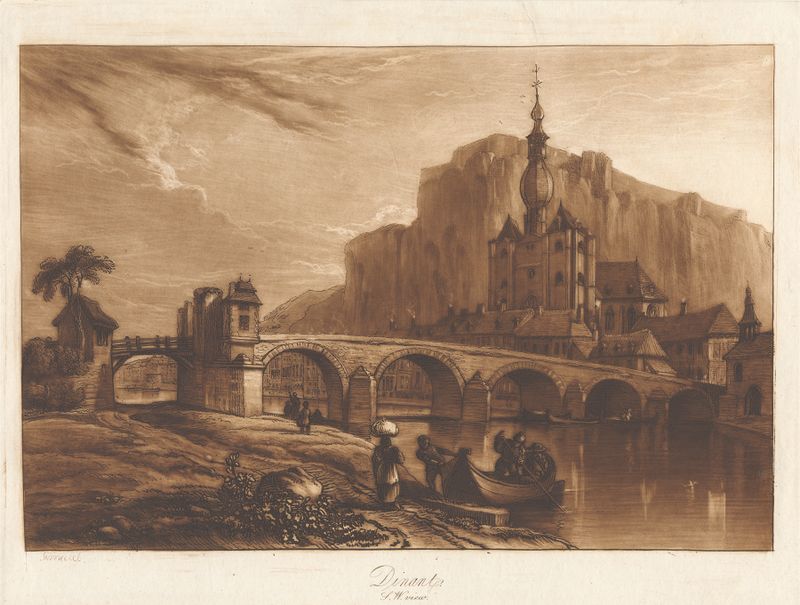
Dinant, No. 1: Southwest View
George Arnald
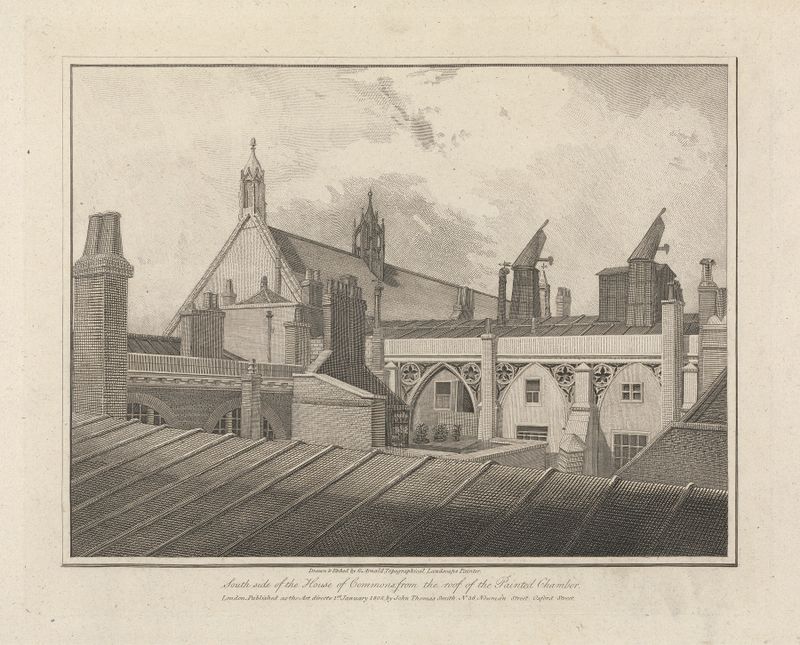
South Side of the House of Commons, from the Roof of the Painted Chamber
George Arnald
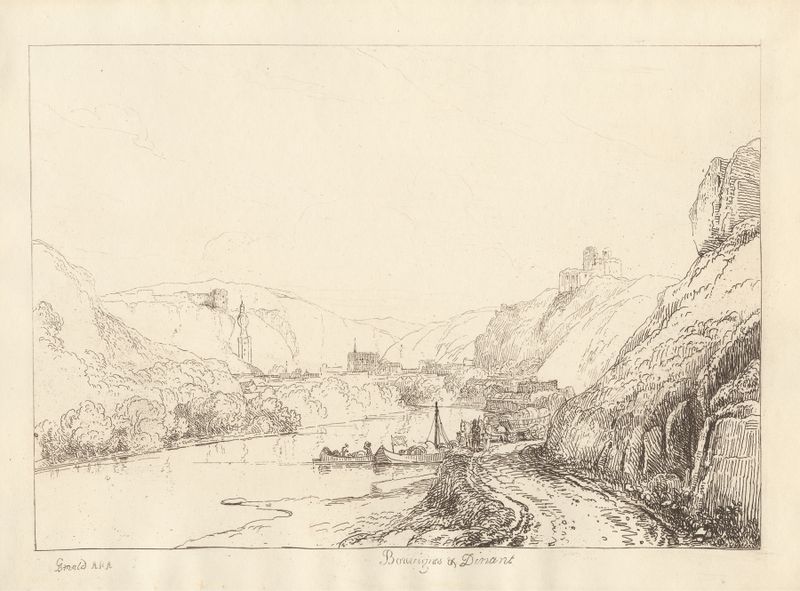
Bouvignes and Dinant
George Arnald
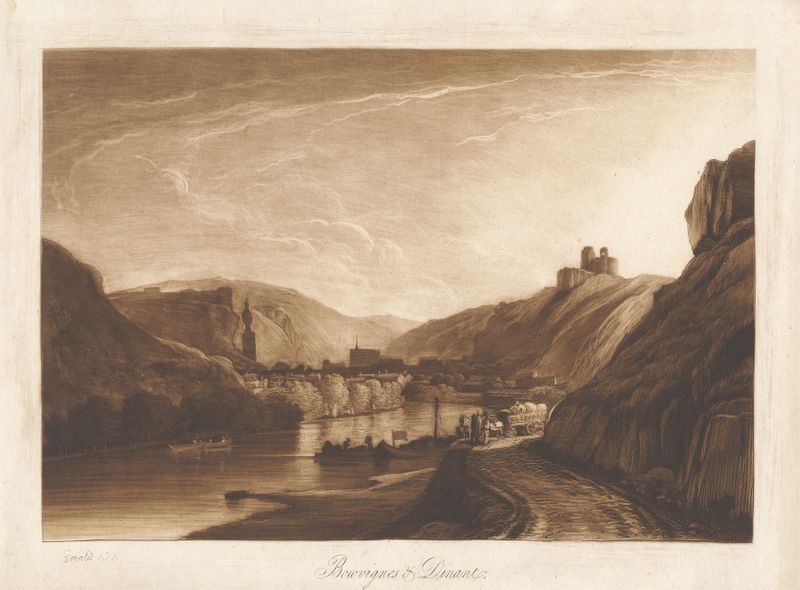
Bouvignes and Dinant
George Arnald

Dinant, No. 1: Southwest View
George Arnald
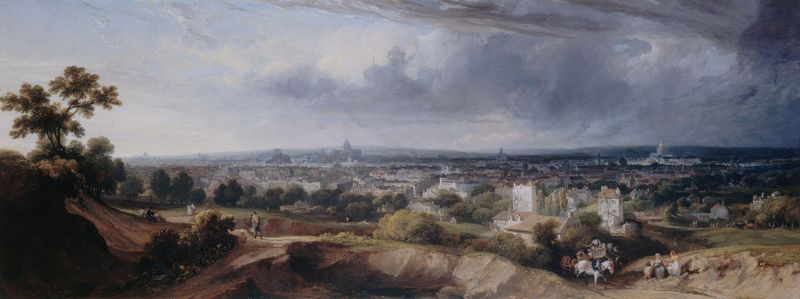
Paris, vu des hauteurs de Montmartre
George Arnald
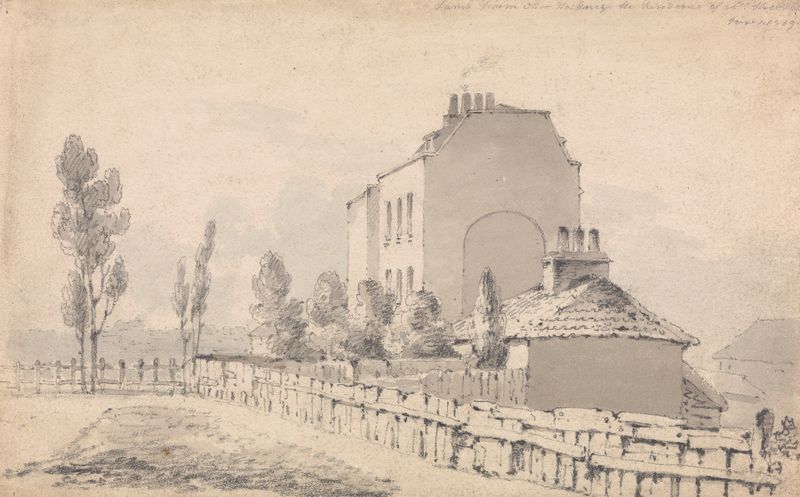
Lamb Farm near Hackney, the Residence of Hick: Richmond Road
George Arnald

Left Bank, Meuse
George Arnald
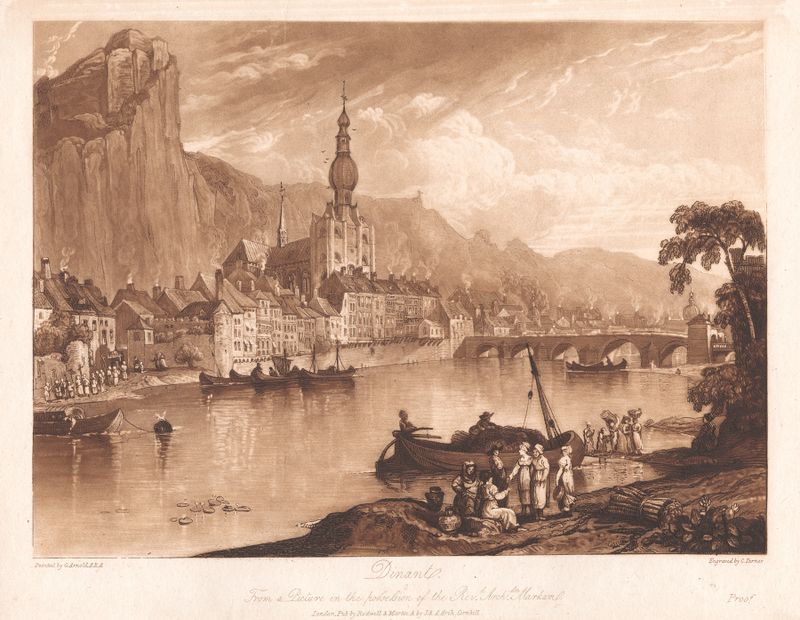
Dinant
George Arnald





