
Mondaufgang im Moor. Rückseitig Fuchsheide – blühender Hügel — História e Análise
Can beauty exist without sorrow? The delicate interplay of light and shadow in this work suggests a landscape that is both serene and unsettling, hinting at deeper truths behind its calm veneer. Focus on the hazy horizon where the moon rises, casting an ethereal glow over the tranquil moor. Notice how the soft palette of greens and blues envelops the land, while vibrant flowers punctuate the foreground, drawing your eye to their vividness against the muted backdrop. The brushwork is fluid, evoking a sense of movement, as if the landscape breathes and sighs, a quiet acknowledgment of the violence that lies beneath its surface. Within this idyllic scene, emotional tensions emerge: the serene moonrise juxtaposed with the rough texture of the moor hints at nature’s duality.
The flowers, beautiful yet fleeting, symbolize the fragility of life, their vibrancy a reminder that beauty often coexists with decay. This duality speaks to the artist's understanding of the cycle of existence—the imminent violence of nature is woven into the very fabric of its allure. In 1925, Otto Modersohn painted this work during a time of significant reflection and change in his artistry. Living in Germany, he was influenced by the burgeoning Expressionist movement, merging traditional plein air techniques with personal introspection.
The interwar period was marked by upheaval, and this piece captures both a longing for beauty and an acknowledgment of the underlying strife of existence.
Mais obras de Otto Modersohn
Ver tudo →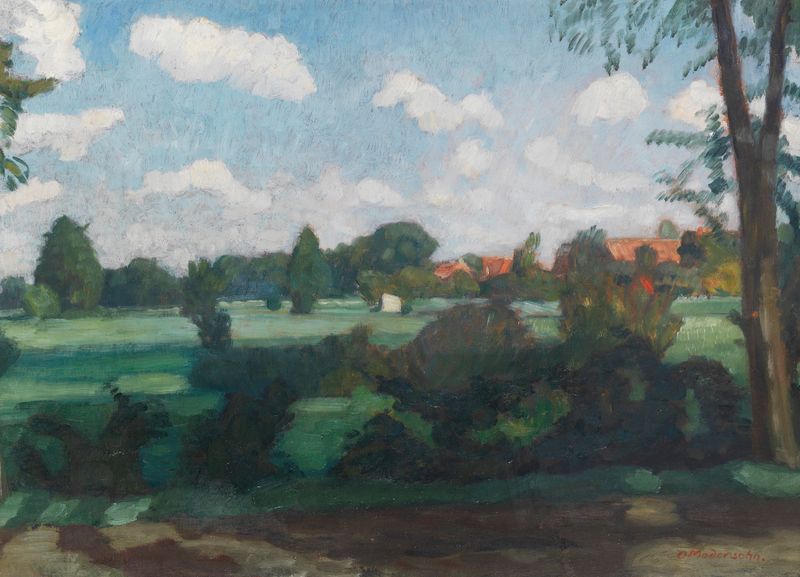
Sommerliche Wiesen bei Fischerhude
Otto Modersohn
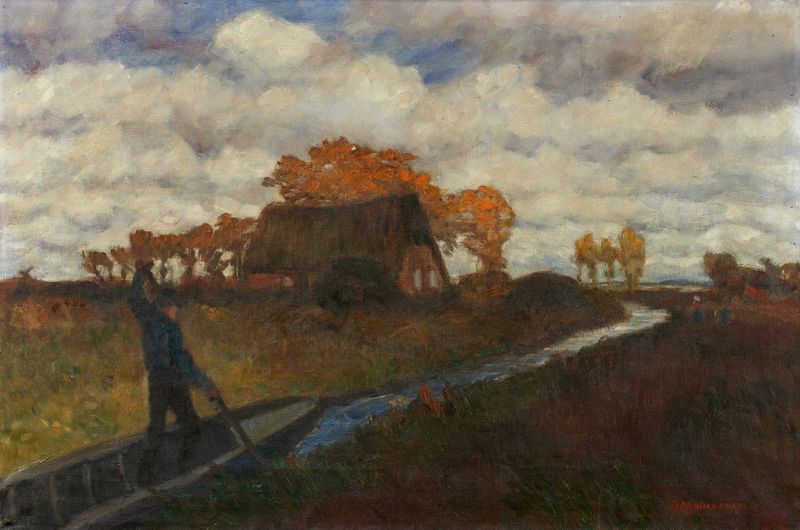
Herbstwetter
Otto Modersohn
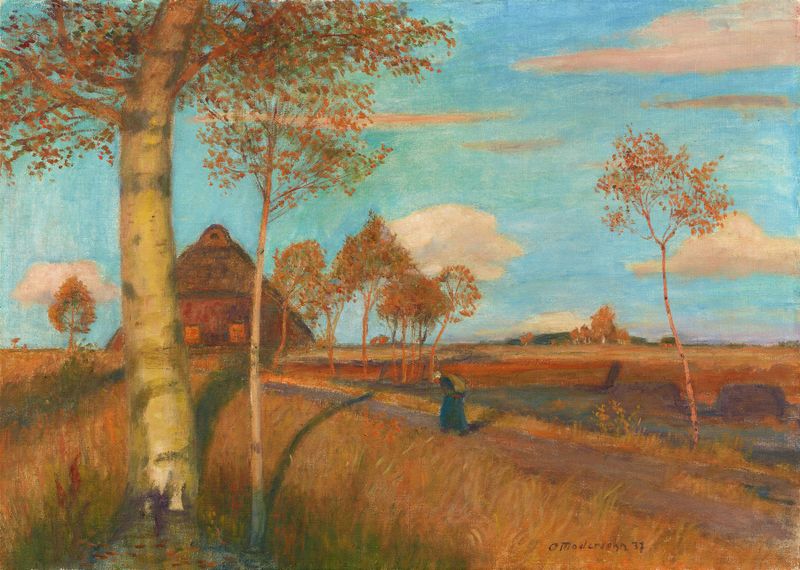
Abendsonne im Moor
Otto Modersohn
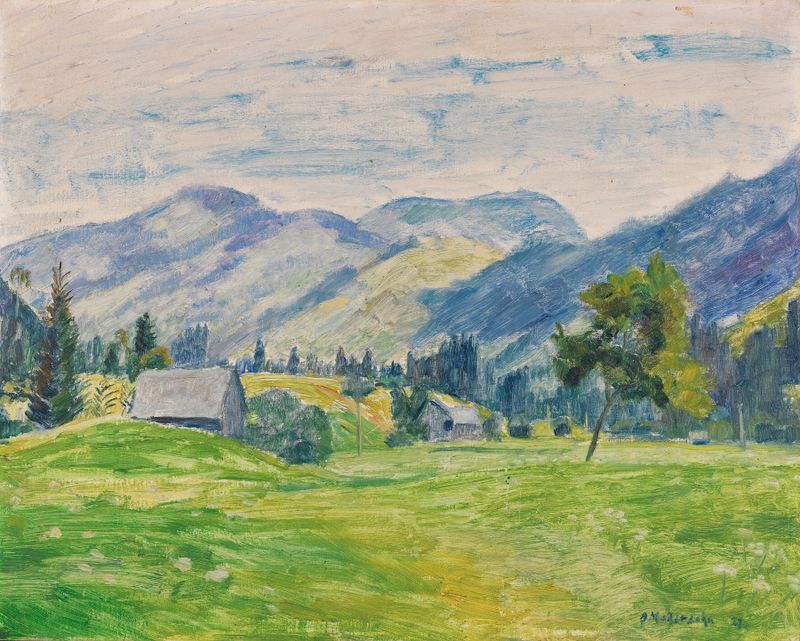
Lichter Sommertag im Allgäu (Unterjoch bei Hindelang)
Otto Modersohn
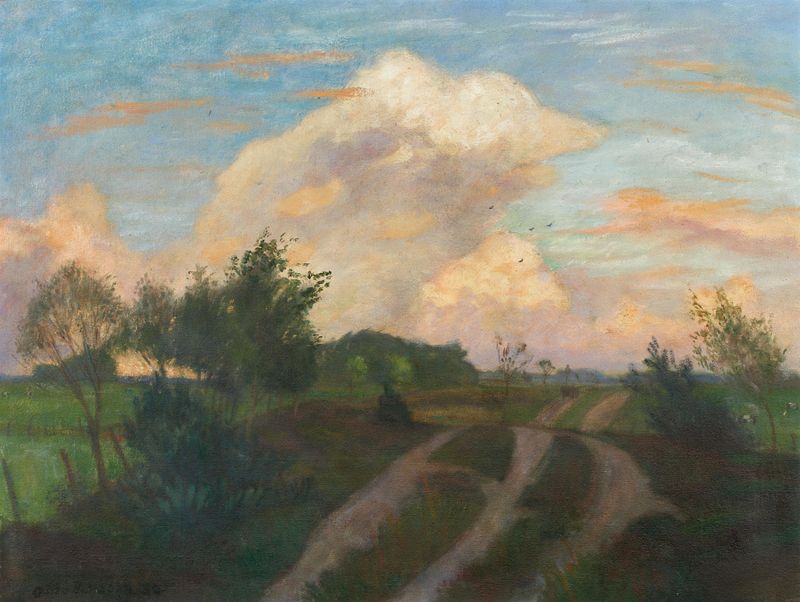
Sommerabend in der Surheide
Otto Modersohn
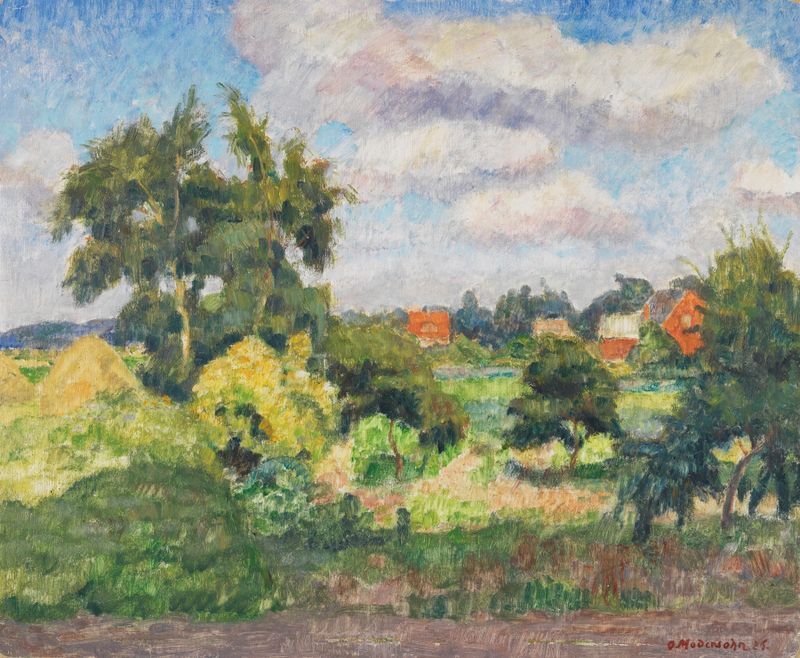
Sommertag in den Feldern bei Fischerhude
Otto Modersohn
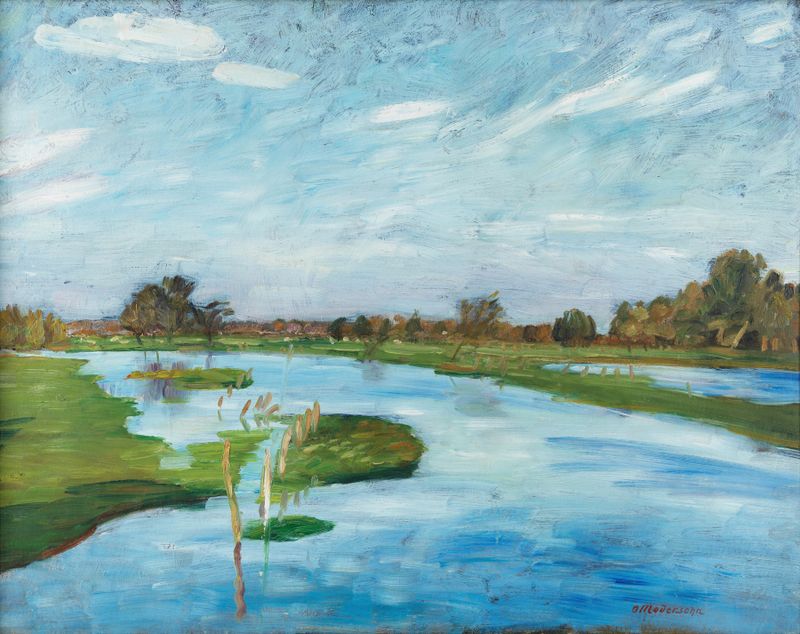
Überschwemmte Wümmewiesen
Otto Modersohn
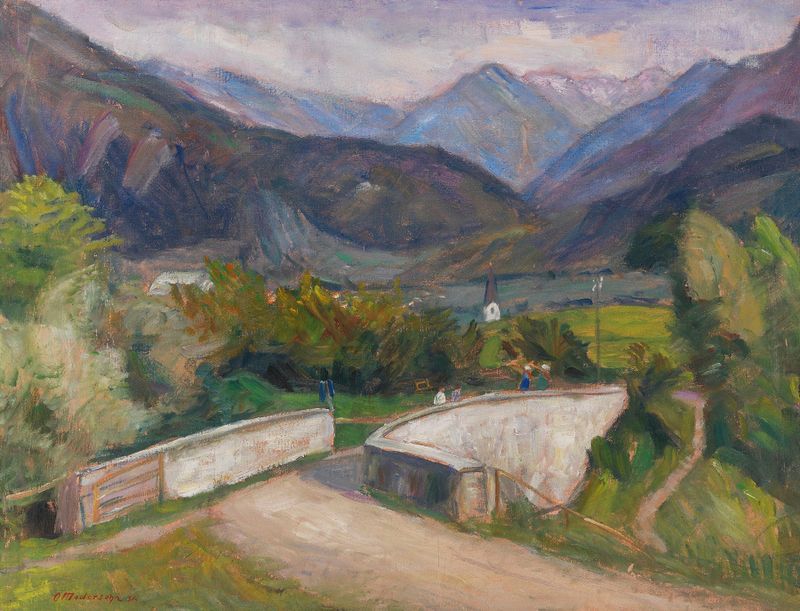
Zillenbachbrücke (Weg nach Gailenberg oberhalb von Hindelang im Allgäu)
Otto Modersohn
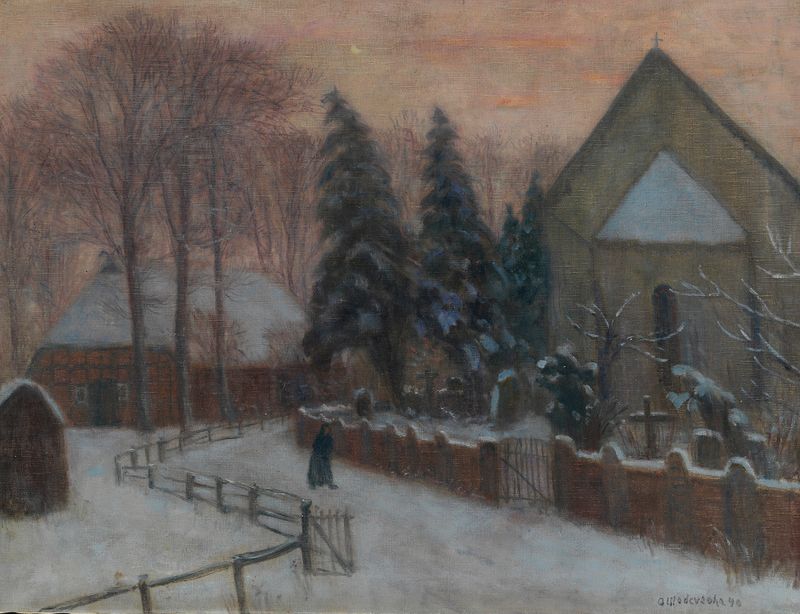
Winterabend, Fischerhuder Kirche mit Heimathaus
Otto Modersohn

Frühling
Otto Modersohn





