
Moonlit hill — História e Análise
Can beauty exist without sorrow? In Moonlit Hill, the tender lull of twilight suggests a world both serene and bittersweet, where legacy whispers through the stillness of the night. Focus first on the gentle glow emanating from the moon, which bathes the landscape in a silvery hue. Look to the center, where the textured hill rises beneath the celestial light, creating a contrast that pulls the eye. The delicate brushstrokes in the foreground present the undulating terrain, while the deep blues and soft whites evoke a tranquil, yet haunting atmosphere.
Every element seems thoughtfully placed, revealing an intimate connection between nature and the ephemeral moments of life. This work embodies a profound tension between light and dark, inviting contemplation of what lies beneath the surface of beauty. The interplay of shadow hints at hidden sorrows, reminding viewers that tranquility often coexists with the weight of memory. The vibrant yet subdued colors suggest a fleeting moment, one that encapsulates both the joy of existence and the melancholy of what has been lost. In 1907, Tadeusz Makowski painted this piece during his time in Paris, where he engaged with various artistic movements, including Post-Impressionism.
Straddling the influence of his Polish roots and the broader European context, he navigated a world in transition, marked by both innovation and nostalgia. This backdrop informed his exploration of themes surrounding beauty, legacy, and the complex relationship with sorrow woven into the fabric of life.
Mais obras de Tadeusz Makowski
Ver tudo →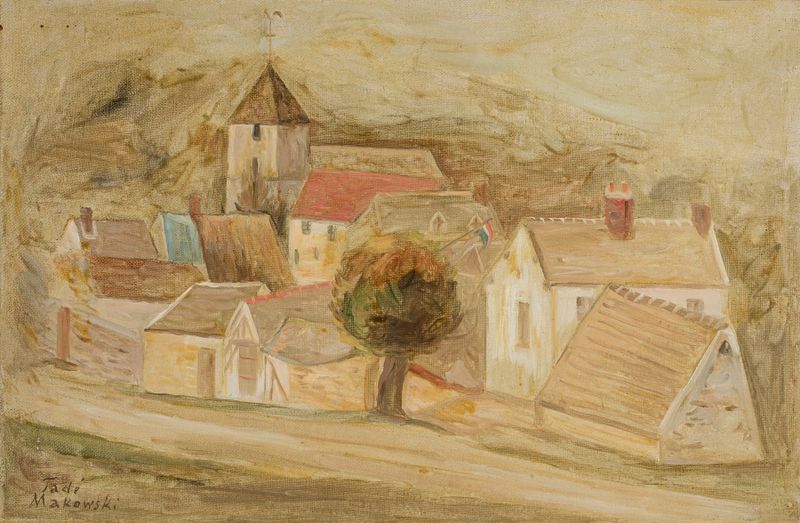
Miasteczko
Tadeusz Makowski

Pejzaż wiosenny
Tadeusz Makowski
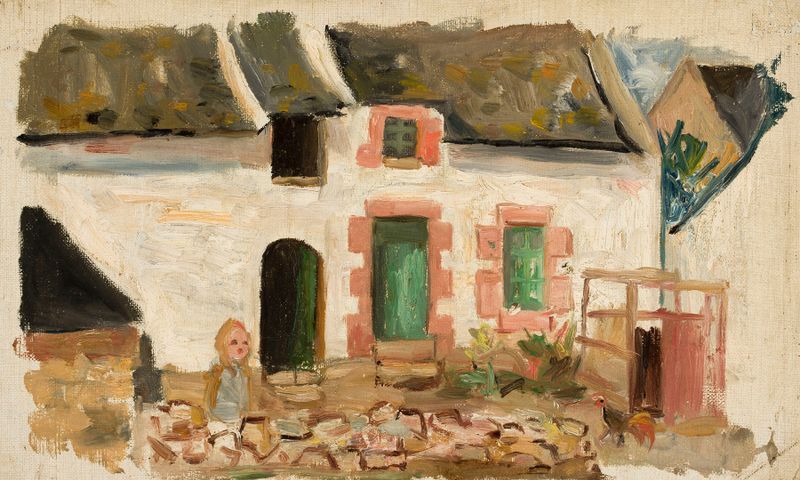
Dziecko przed domem
Tadeusz Makowski
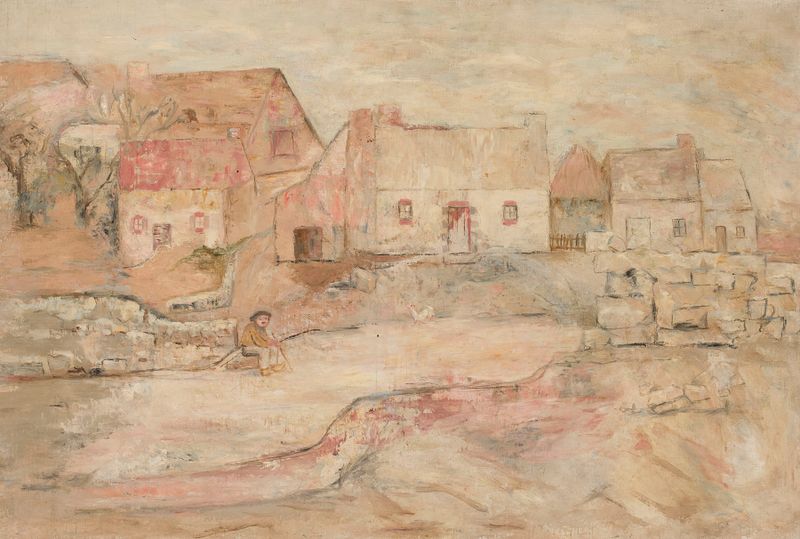
Pejzaż bretoński z siedzącym człowiekiem
Tadeusz Makowski
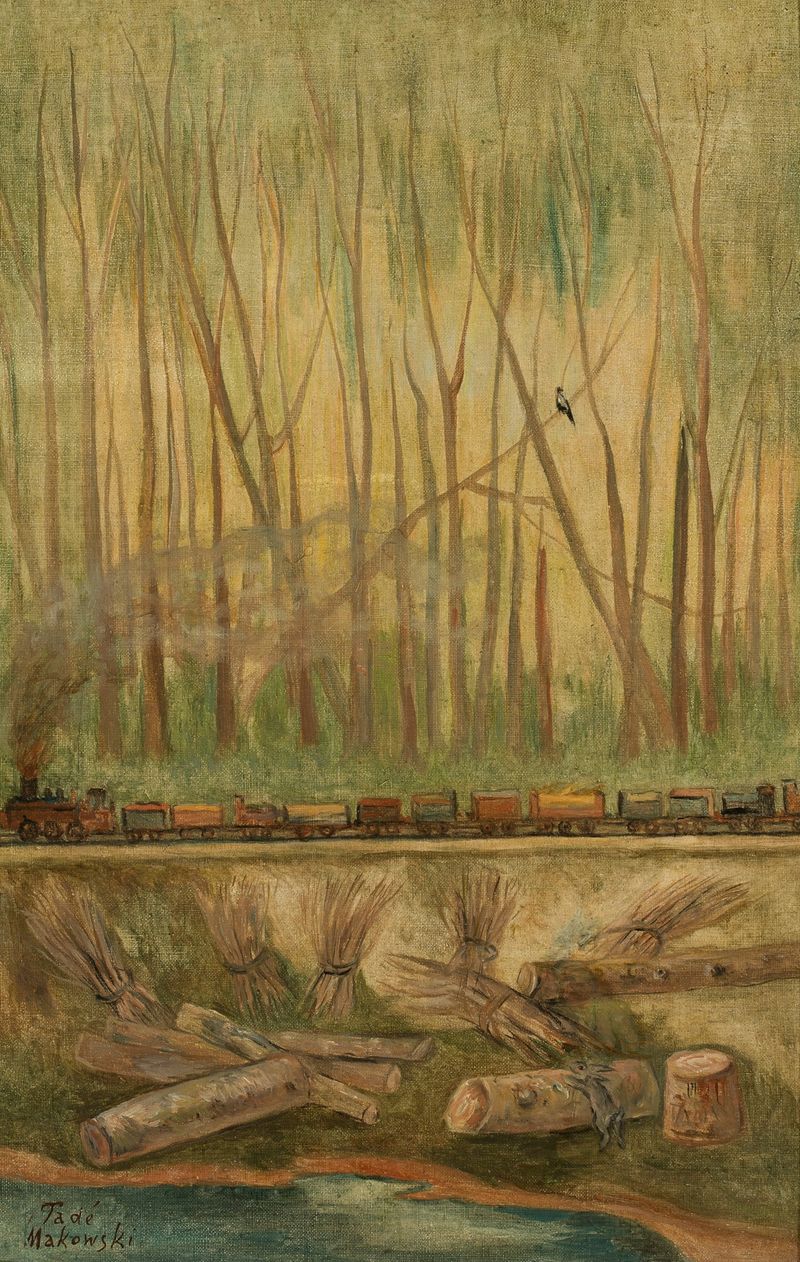
Pociąg
Tadeusz Makowski
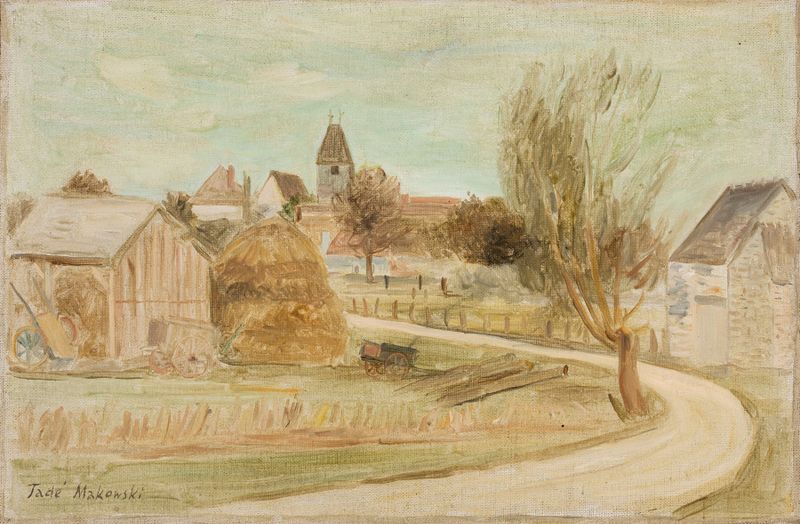
Na skraju wsi
Tadeusz Makowski

Pejzaż miejski (Esplanade des Invalides)
Tadeusz Makowski
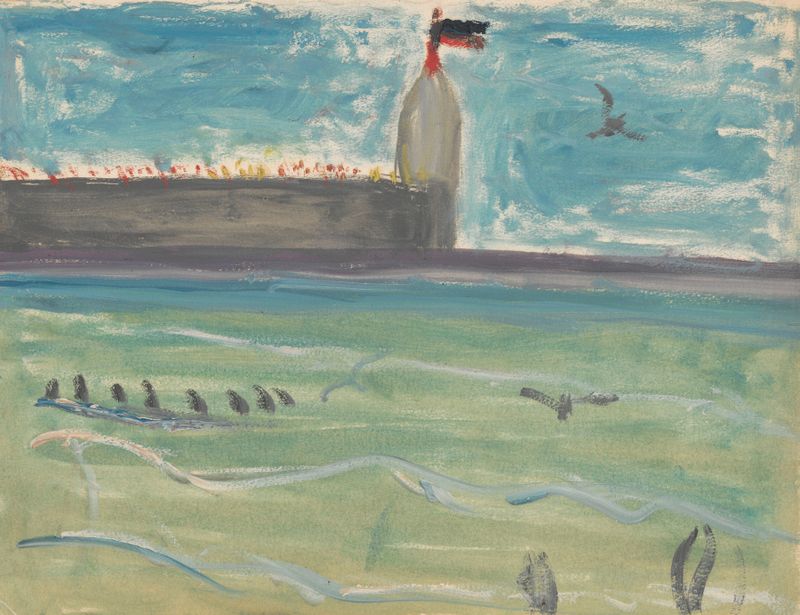
Latarnia morska w Tréport
Tadeusz Makowski
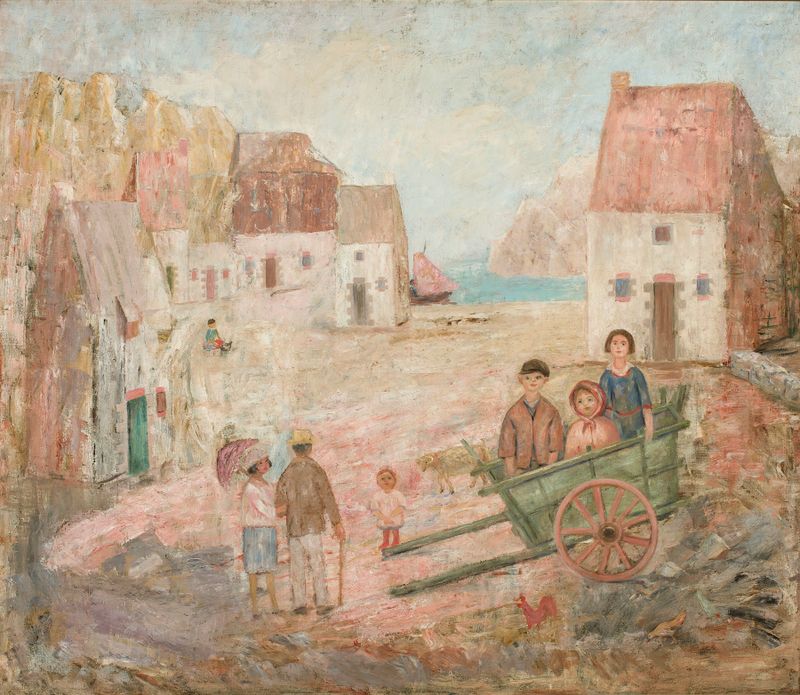
Landscape of a small town with children in a pram
Tadeusz Makowski
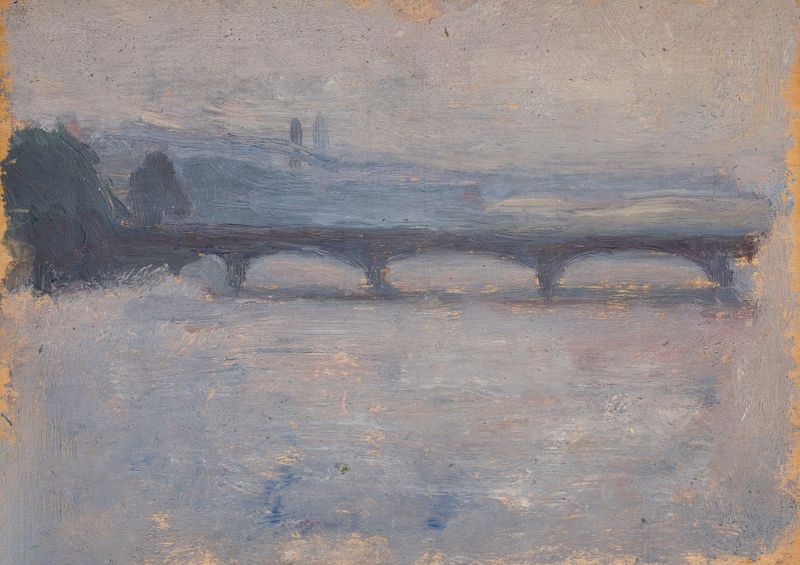
Bridge on the Seine
Tadeusz Makowski





