Nymphs Bathing in a Wooded Glade — História e Análise
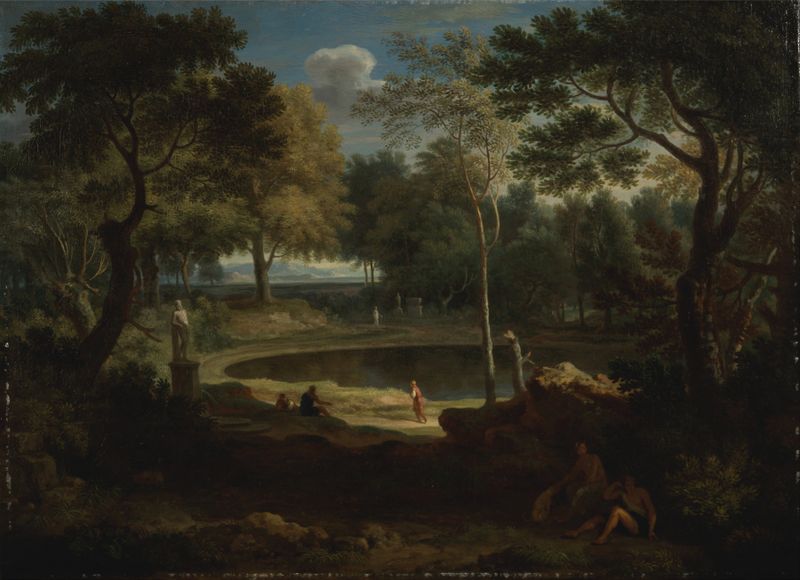
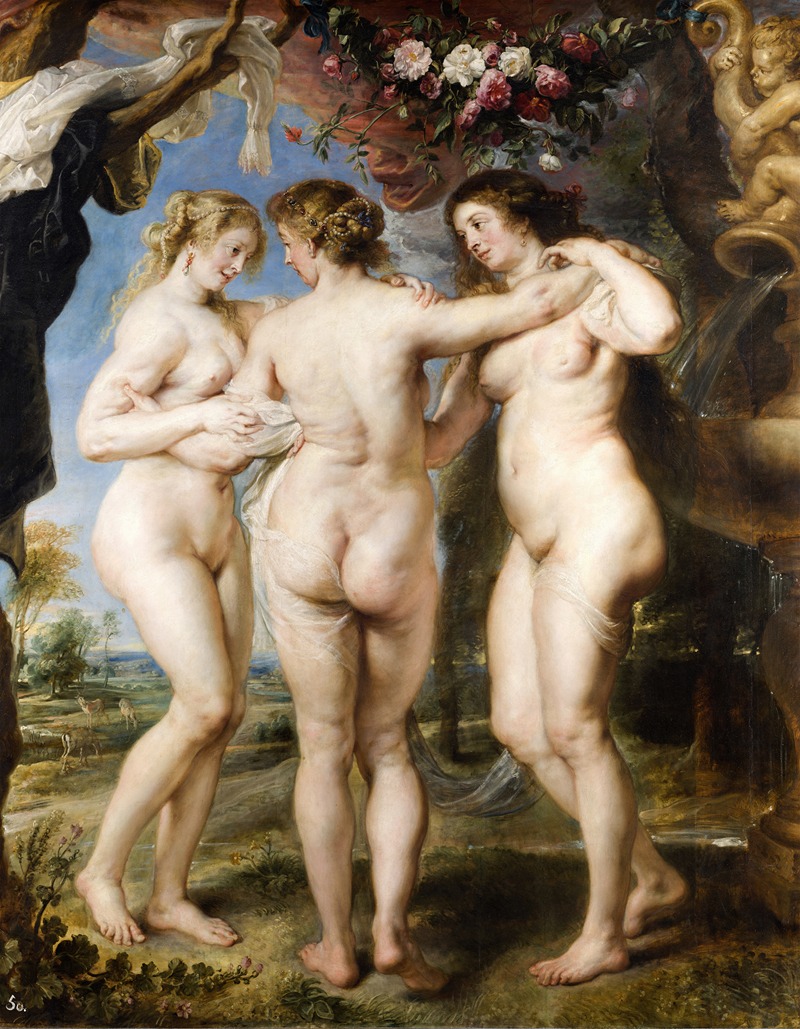
Who listens when art speaks of silence? In Nymphs Bathing in a Wooded Glade, destiny interweaves with tranquility, inviting the observer into a world where nature and myth converge. Look to the left, where delicate figures emerge from the dappled shadows, their skin glowing softly against the verdant backdrop. The lush greens of the foliage create a harmonious contrast with the pale hues of the nymphs, drawing your gaze to their graceful poses and serene expressions. The light, filtered through the trees, bathes the scene in a gentle warmth, enhancing the ethereal quality of their existence.
Notice how Taverner captures the fluidity of water reflected in the shimmering surface, bringing forth a sense of movement that dances between stillness and life. Delve deeper into the emotional landscape presented in this painting. The juxtaposition of the nymphs’ innocence against the encroaching wilderness speaks to the fragility of nature and the fleetingness of beauty. Each figure, absorbed in their own reverie, seems unaware of the passage of time—a poignant reminder of destiny’s quiet hand.
The soft, almost transparent drapery draping the nymphs hints at the vulnerability and ephemeral nature of youth, while the surrounding woods echo with silent whispers of what is to come. During the late 1760s, when this piece was created, Taverner was immersed in the evolving traditions of English landscape painting. He drew inspiration from the pastoral scenes of earlier masters, seeking to evoke a sense of nostalgia and enchantment. This period saw an increased fascination with the sublime and the natural world, intertwining art with ideas of fantasy and mythology, positioning Taverner as a noteworthy figure in the narrative of 18th-century art.