
Oiso — História e Análise
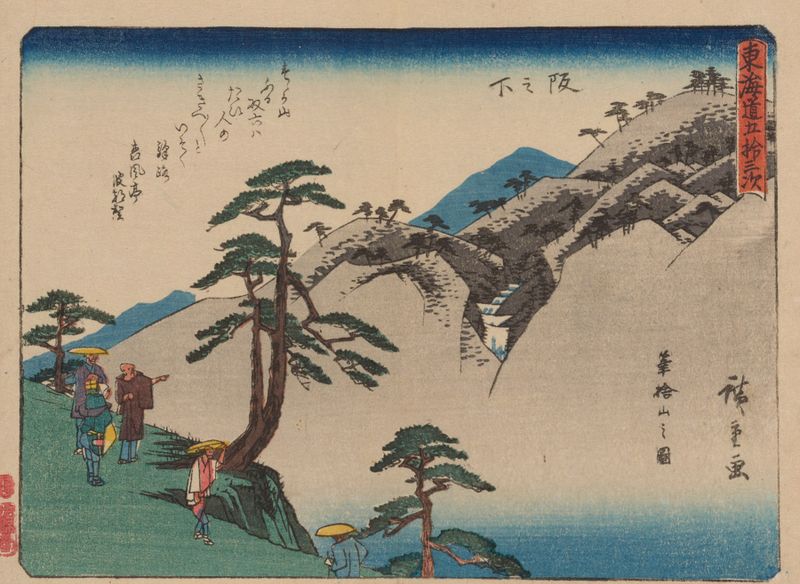
What secret hides in the quiet of the canvas? The stillness of Oiso invites viewers to peer beyond the surface, suggesting that beauty often conceals deeper dynamics. Focus on the soft hues that dominate the landscape, particularly the gentle gradients of blue and green that create a serene atmosphere. Look to the left, where the delicate contours of the shoreline blend seamlessly into the water, forming an illusion of continuity between sea and sky. Notice how the artist’s careful brushwork imbues the scene with a tranquil fluidity, capturing the essence of a fleeting moment in time. Beneath the calm exterior lies a tension between nature and humanity.
The tiny figures of boats and travelers hint at the presence of life, yet they remain dwarfed by the expansive scenery, emphasizing the insignificance of mankind against nature’s grandeur. The radiant sun casting its light suggests an ephemeral beauty, contrasting with the enduring strength of the landscape, inviting contemplation of life’s transitory moments. In 1855, while residing in Edo, Utagawa Hiroshige painted Oiso, amidst a flourishing ukiyo-e movement that sought to capture the transient beauty of everyday life. This period marked a cultural shift, as artists explored new themes beyond traditional subjects, aligning with Japan’s growing engagement with Western influences.
Hiroshige’s work reflects both the serenity of his surroundings and the complex interplay of natural beauty and human existence.
Mais obras de Utagawa Hiroshige
Ver tudo →
Sudden Shower over Shin Ohashi Bridge and Atake (Ohashi Atake no yudachi), from the series "One Hundred Famous Views of Edo (Meisho Edo hyakkei)"
Utagawa Hiroshige
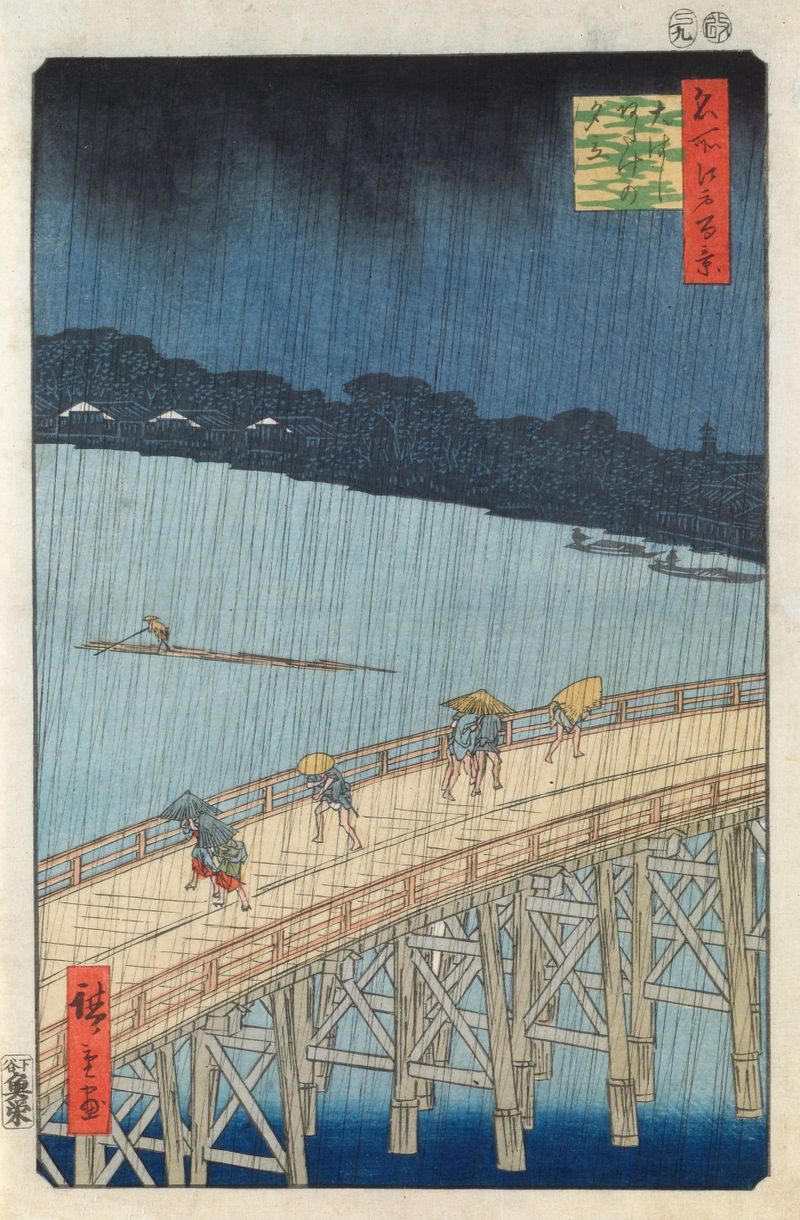
Sudden Shower Over Ohashi Bridge and Atake
Utagawa Hiroshige
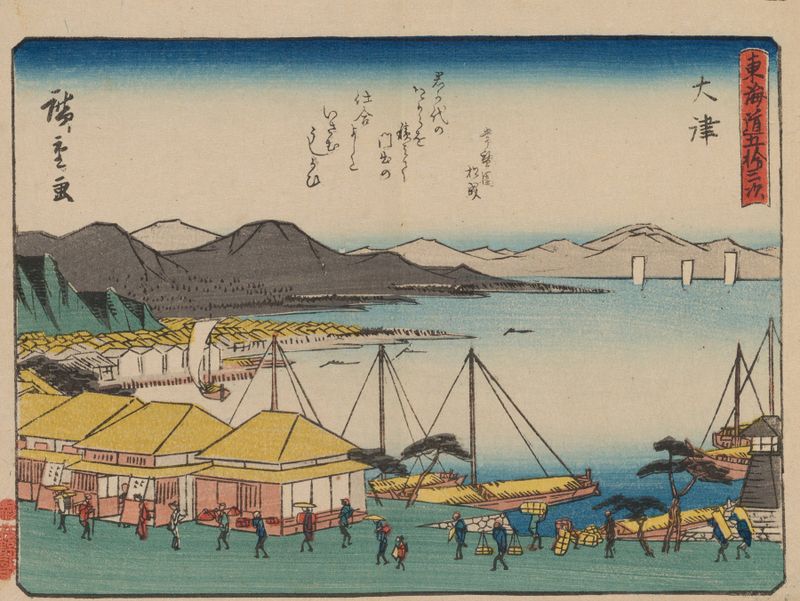
Tokaido gojusantsugi, Pl.54
Utagawa Hiroshige
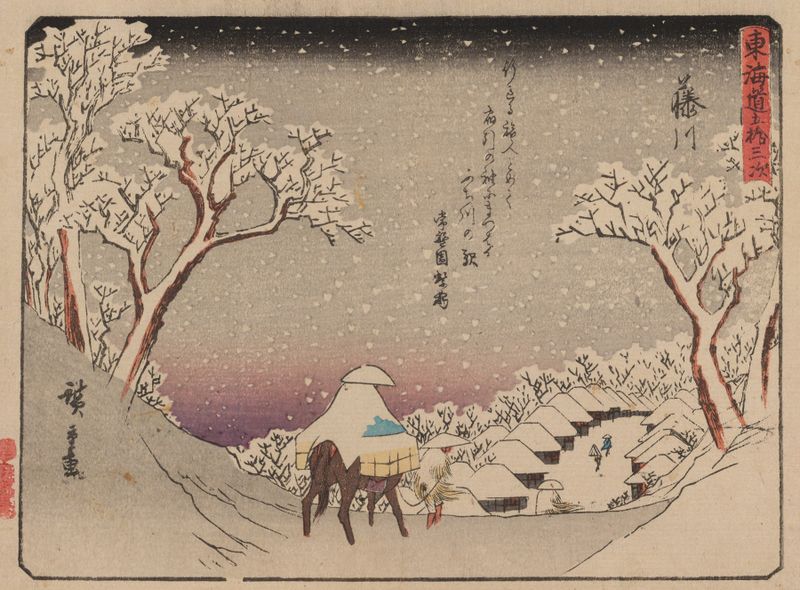
Tokaido gojusantsugi, Pl.38
Utagawa Hiroshige
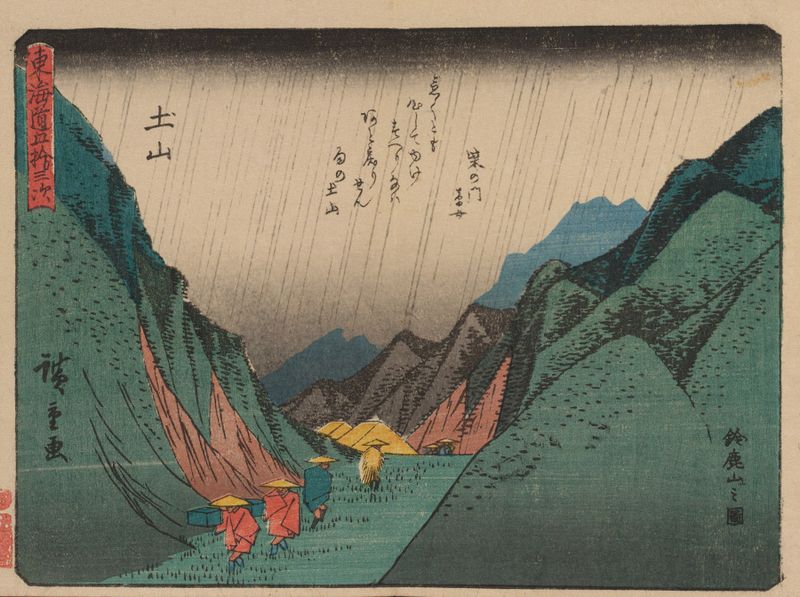
Tokaido gojusantsugi, Pl.50
Utagawa Hiroshige
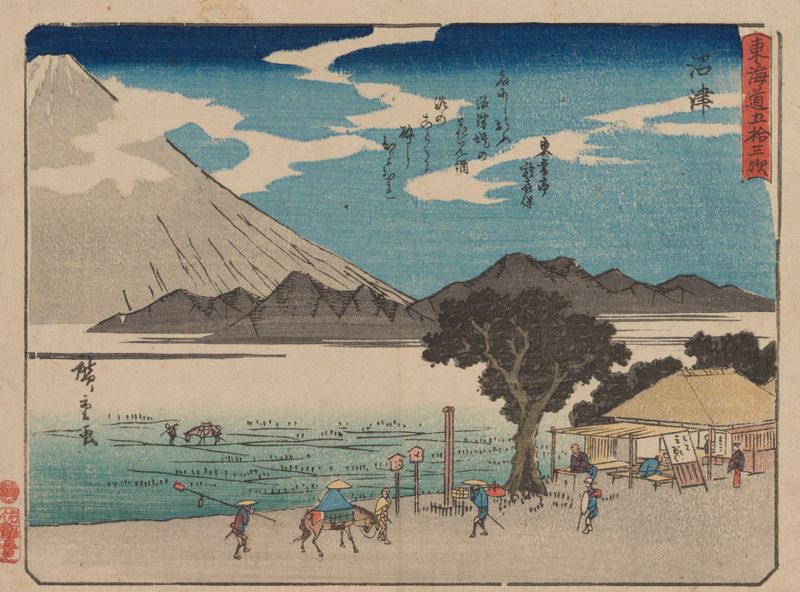
Tokaido gojusantsugi, Pl.13
Utagawa Hiroshige
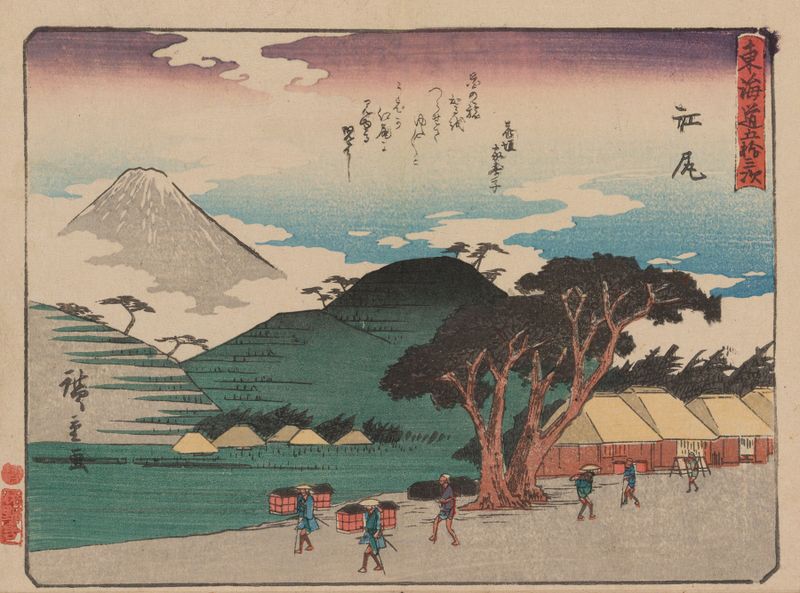
Tokaido gojusantsugi, Pl.19
Utagawa Hiroshige
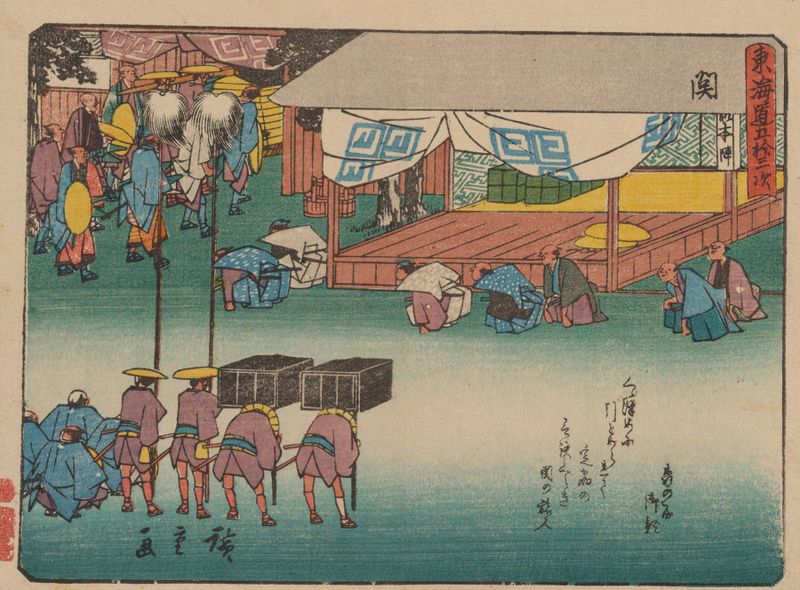
Tokaido gojusantsugi, Pl.48
Utagawa Hiroshige
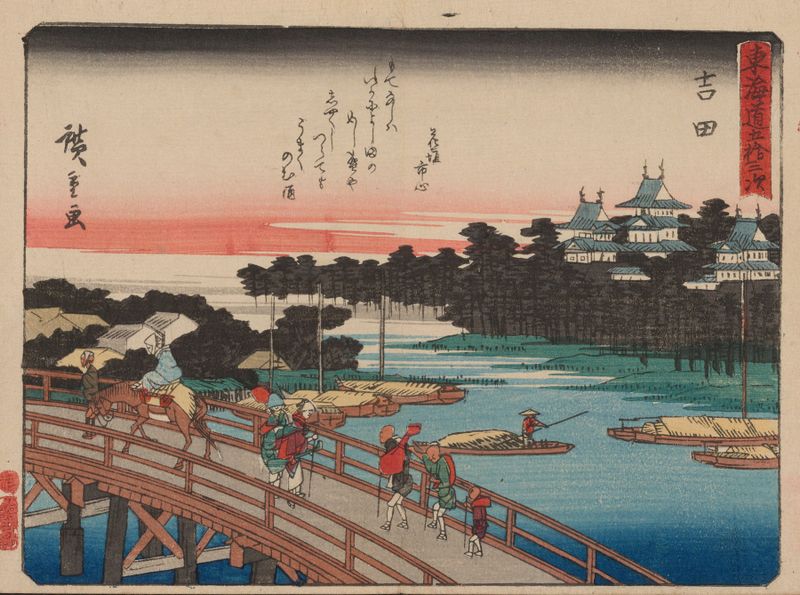
Tokaido gojusantsugi, Pl.35
Utagawa Hiroshige
Tokaido gojusantsugi, Pl.49
Utagawa Hiroshige





