
Olive Trees — História e Análise
In the textured embrace of brush strokes, Olive Trees whispers of rebirth, stitching together the fragments of life in vibrant hues. Here, amidst the gnarled trunks and swirling leaves, Van Gogh encapsulates the resilience of nature, inviting us to ponder the cycles of existence. Focus on the rich greens and earthy browns that dominate the canvas, grounding us in the landscape. Notice how the vibrant blue sky arches above, revealing a world full of promise and potential.
The thick, expressive brushwork creates movement, almost as if the trees sway in response to an unseen breeze, capturing the essence of life itself. The swirling forms invite our eyes to dance along the branches, leading us deeper into the heart of the painted grove. Delve into the emotional undercurrents of the piece, where the interplay of light and shadow evokes a sense of renewal and hope. The twisted shapes of the olive trees speak of endurance, their knotted roots echoing struggles yet yielding fruit.
This duality—of hardship and growth—reminds us that even in the harshest conditions, life finds a way to flourish anew. During the late 1880s, the artist created this masterpiece in the south of France, surrounded by an environment that both inspired and challenged him. At this time, Van Gogh was seeking solace and healing from his turbulent life, immersing himself in nature’s embrace. The olive tree, a symbol of peace and endurance, became a fitting subject, reflecting his own journey toward rebirth amidst chaos.
Mais obras de Vincent van Gogh
Ver tudo →
Starry Night
Vincent van Gogh
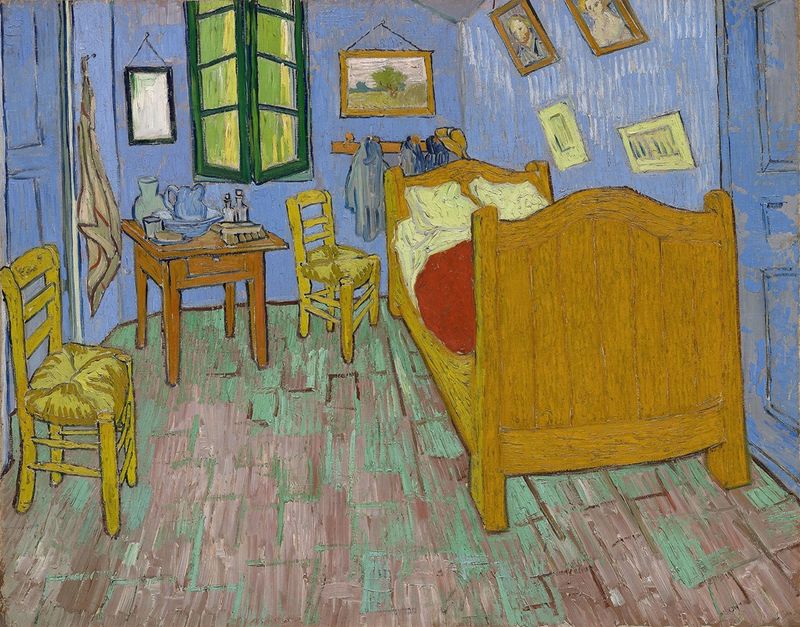
The Bedroom
Vincent van Gogh
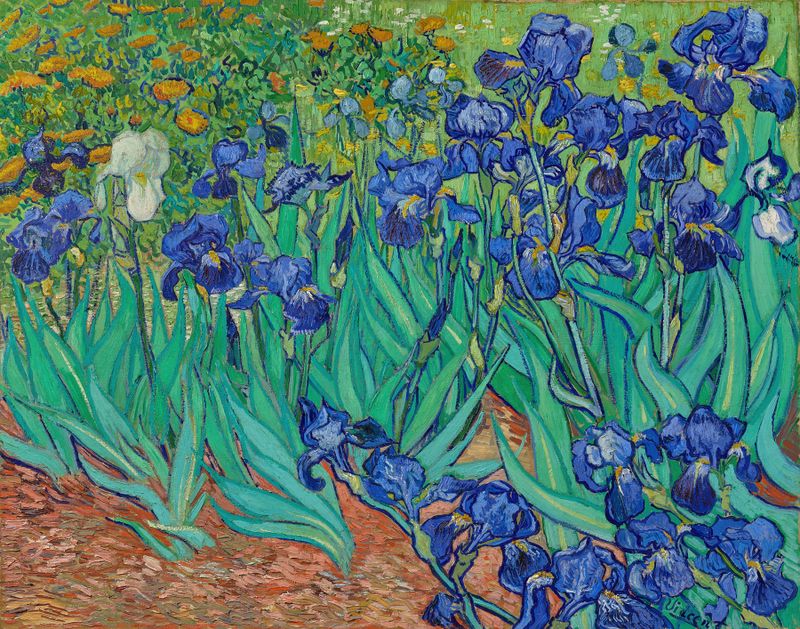
Irises
Vincent van Gogh
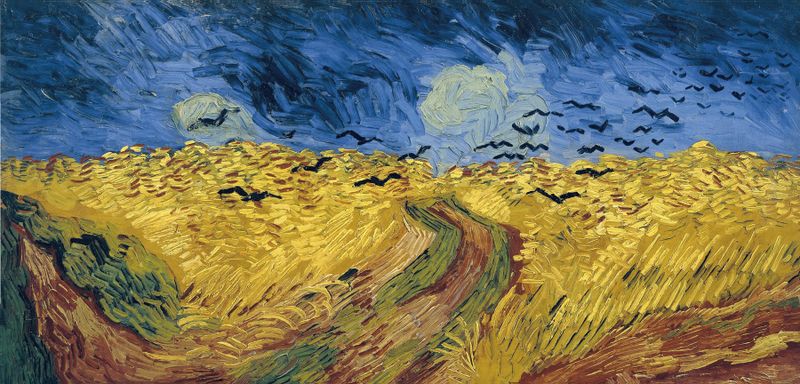
Wheatfield with Crows
Vincent van Gogh
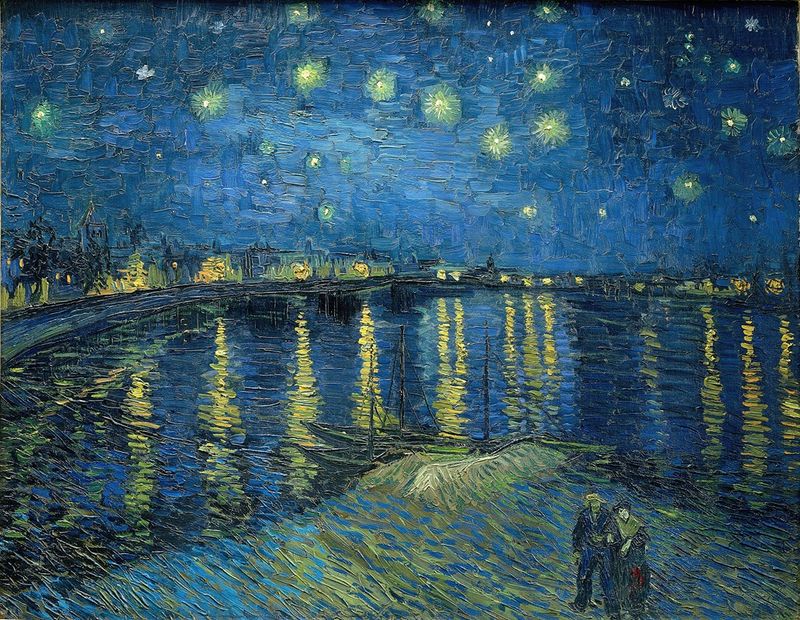
Starry Night over the Rhone
Vincent van Gogh

The yellow house
Vincent van Gogh
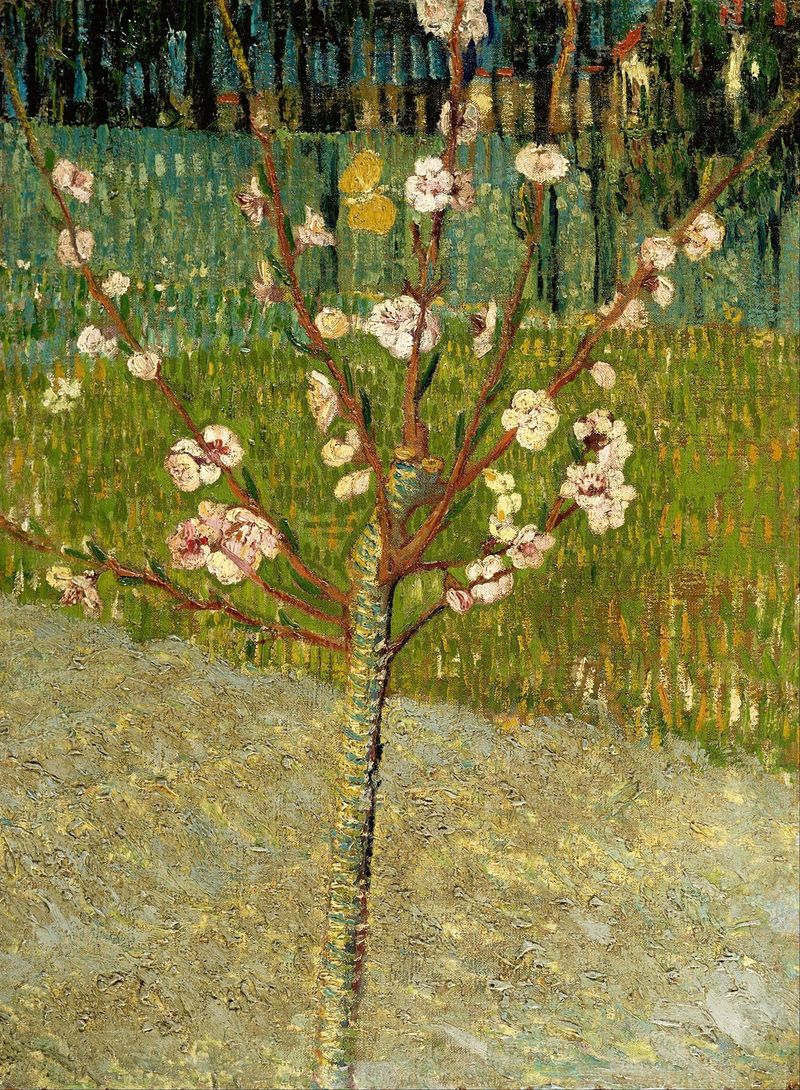
Almond tree in blossom
Vincent van Gogh

Portrait of Dr Gachet
Vincent van Gogh

The Church in Auvers-sur-Oise, View from the Chevet
Vincent van Gogh

Self-Portrait
Vincent van Gogh





