
Olive Trees — História e Análise
In the swaying branches of gnarled olive trees, the deep blues and vibrant greens tell stories of longing and solitude, encapsulating the complexity of human emotion. Look to the left at the twisting trunks, their textured bark illuminated by dappled sunlight. The bold brushstrokes create a sense of movement, as if the trees themselves are breathing, caught in an eternal dance with the wind. Notice how the vibrant sky transitions from cerulean to soft pastels, mirroring the inner turmoil of the artist.
These contrasting colors amplify a sense of quiet chaos, drawing the viewer deeper into this emotional landscape. Amidst the lush foliage, the olive trees stand resilient, yet the shadows cast reveal a struggle, hinting at the artist's own battles with mental health. Their contorted forms evoke a sense of melancholy and introspection, symbolizing the intertwining of beauty and suffering. Each stroke reflects Van Gogh’s psychological state, suggesting that even within nature’s splendor lies an undercurrent of pain and vulnerability. In 1889, while residing at the Saint-Paul-de-Mausole asylum in Saint-Rémy-de-Provence, Van Gogh painted this work, grappling with his mental health and seeking solace in the natural world.
During this period, he produced over 150 paintings, channeling his turmoil into vibrant depictions of the olive groves surrounding him. This work, like many from this time, speaks to his quest for peace amid chaos, embodying both the beauty and the burden of existence.
Mais obras de Vincent van Gogh
Ver tudo →
Starry Night
Vincent van Gogh
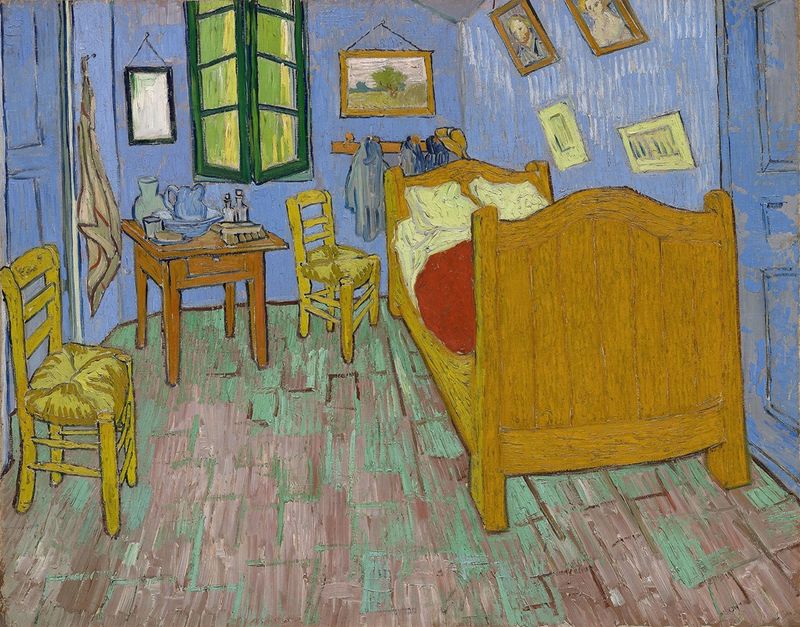
The Bedroom
Vincent van Gogh
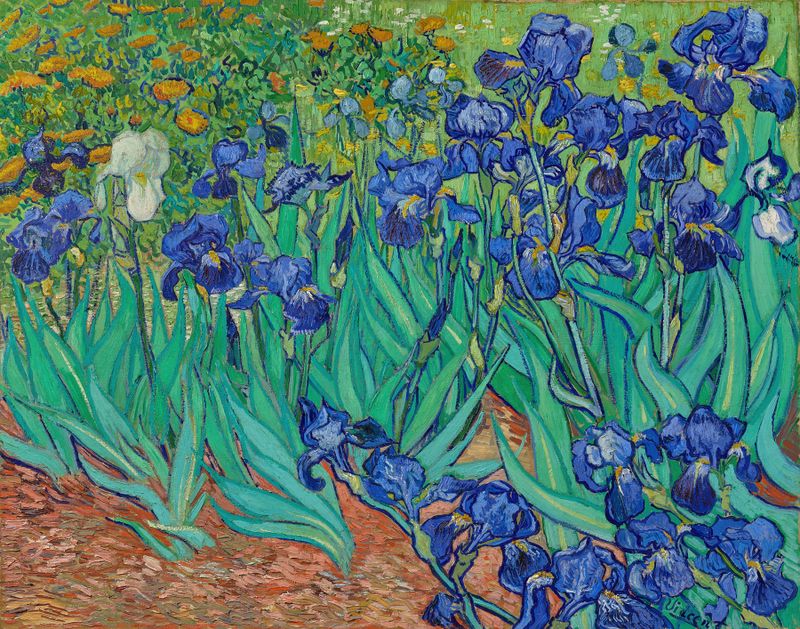
Irises
Vincent van Gogh
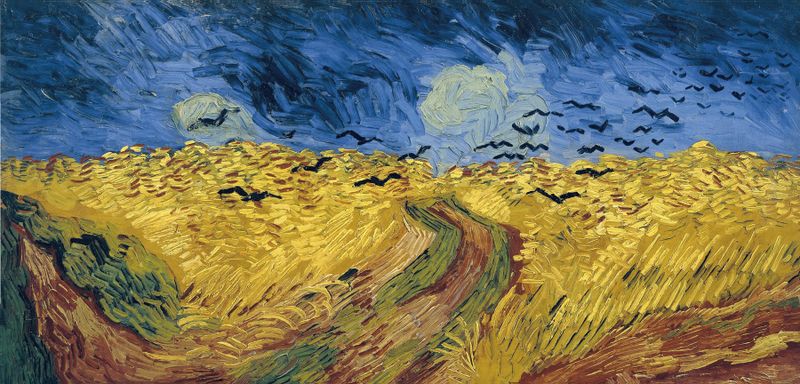
Wheatfield with Crows
Vincent van Gogh
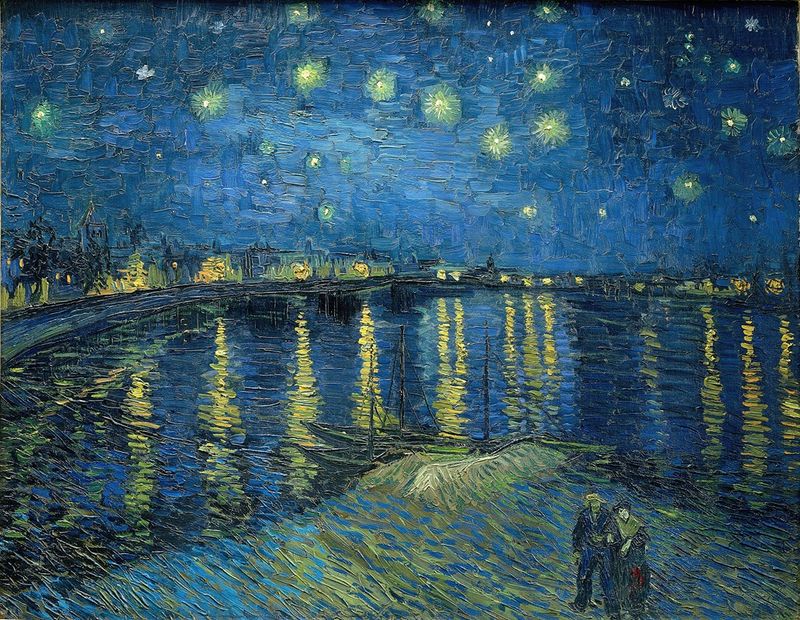
Starry Night over the Rhone
Vincent van Gogh

The yellow house
Vincent van Gogh
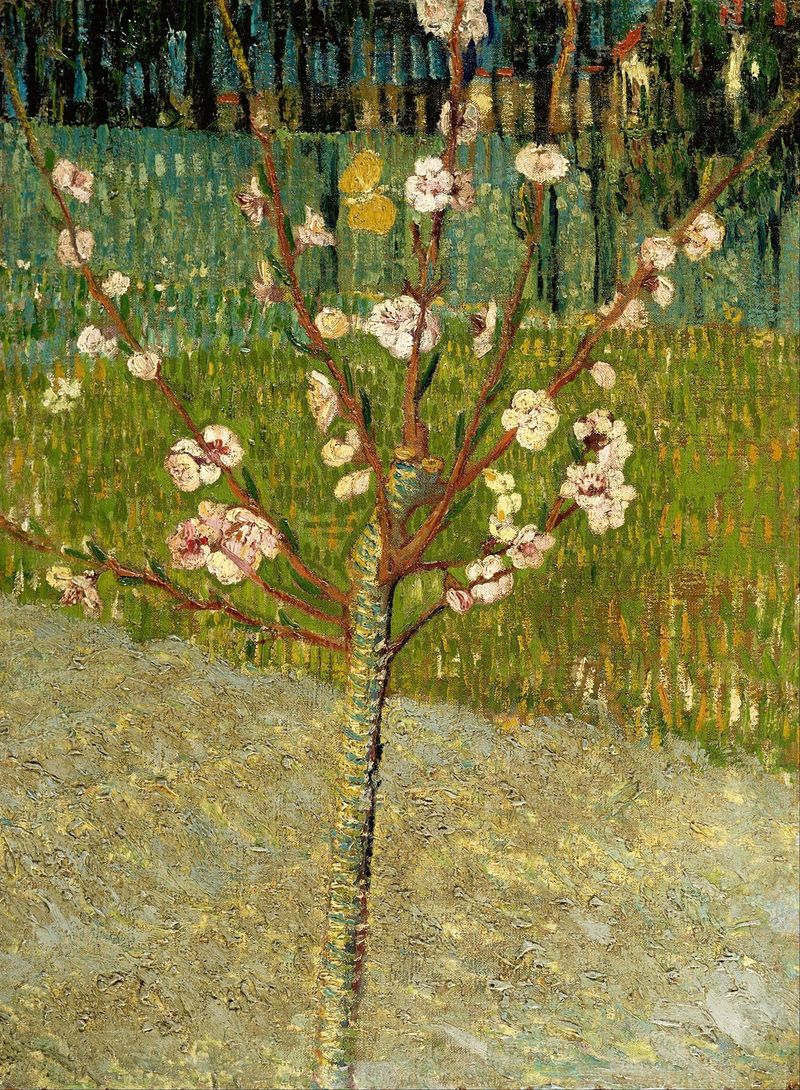
Almond tree in blossom
Vincent van Gogh

Portrait of Dr Gachet
Vincent van Gogh

The Church in Auvers-sur-Oise, View from the Chevet
Vincent van Gogh

Self-Portrait
Vincent van Gogh





