
On the Seekonk — História e Análise
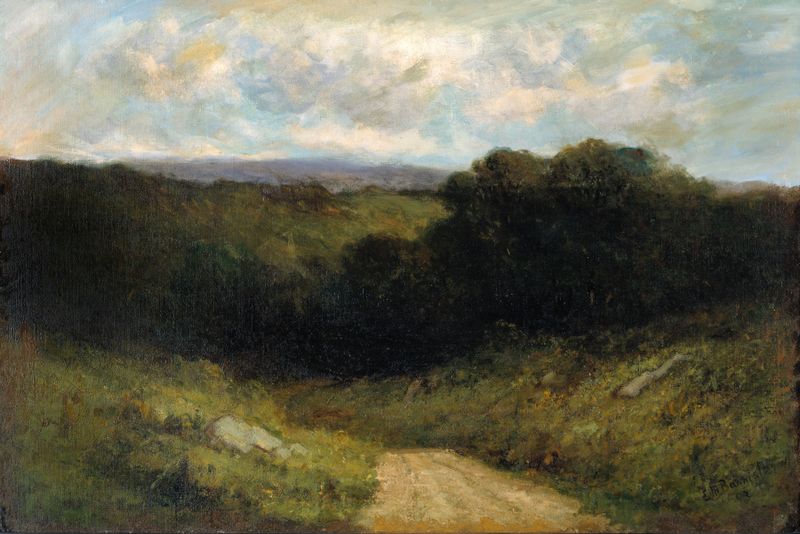
What if beauty was never meant to be finished? The canvas before us pulsates with an ecstasy that is both transient and eternal, inviting us to linger in the moment yet reminding us of its fleeting nature. Focus on the vibrant interplay of colors, where deep blues and greens weave together, creating a lush tapestry that draws you into the scene. Notice how the light dances upon the water's surface, reflecting the golden hues of a setting sun. The strokes are joyful yet deliberate, capturing the essence of the Seekonk River, where nature’s splendor unfolds in a symphony of shape and tone.
Each brushstroke invites you to explore the hidden depths, a celebration of life that vibrates with every glance. There is a tension between serenity and movement, as if the landscape breathes in tandem with the viewer. The foreground’s tranquil trees stand firm, while the rippling waters in the background suggest the inevitable flow of time, a reminder of both beauty and change. The juxtaposition of light and dark, calm and chaos, serves to convey a sense of longing, an exploration of the soul immersed in nature’s embrace. Created in 1892, this work emerges during a pivotal moment for the artist, who was navigating the complexities of identity and expression in a post-Civil War America.
Bannister was also part of the Boston art scene, where he faced both recognition and challenges as an African American artist. The painting encapsulates his journey and the broader conversation about representation in art, reflecting a world that was beginning to embrace diversity and the richness it brings.
Mais obras de Edward Mitchell Bannister
Ver tudo →
Landscape
Edward Mitchell Bannister
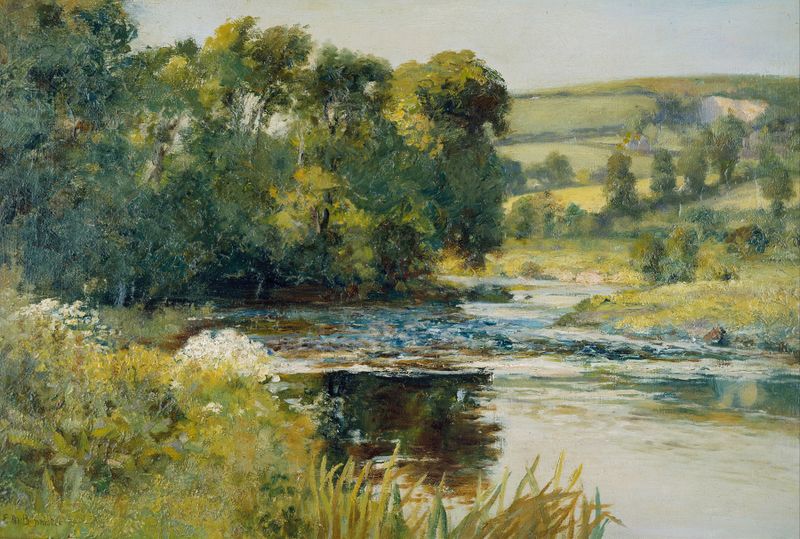
Streamside
Edward Mitchell Bannister

Untitled
Edward Mitchell Bannister

Morning on the Shore
Edward Mitchell Bannister

Summer Twilight
Edward Mitchell Bannister
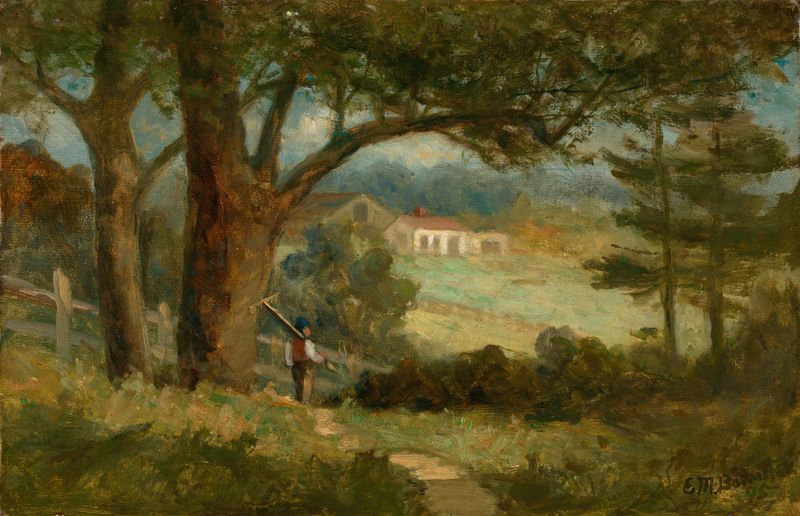
Homeward
Edward Mitchell Bannister
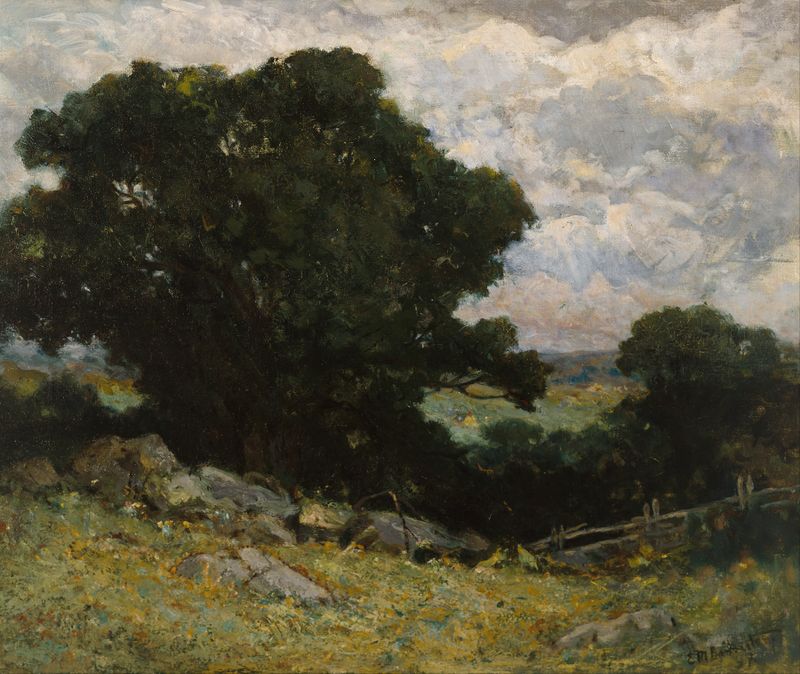
Landscape
Edward Mitchell Bannister
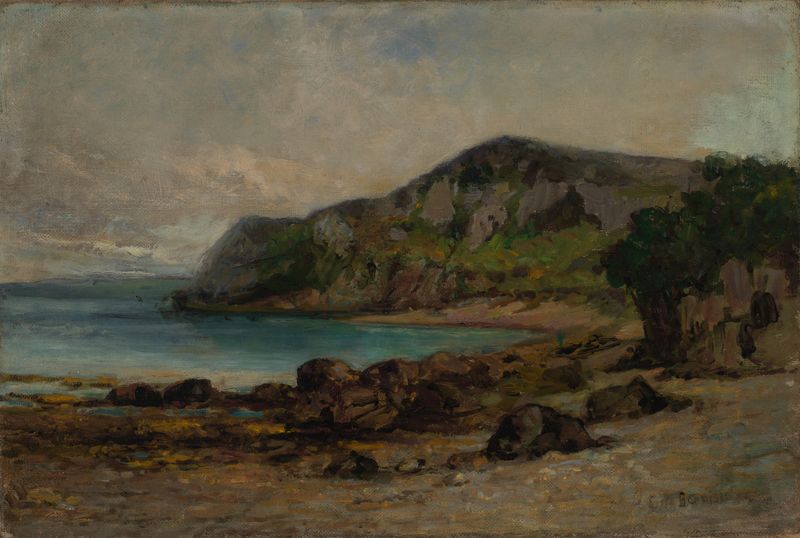
Rocks at Newport
Edward Mitchell Bannister

Sunset
Edward Mitchell Bannister
The Road to the Valley
Edward Mitchell Bannister





