
Palazzo Caffarelli-Clementino in Rome — História e Análise
It is in the stillness of architectural grandeur that the divine whispers its secrets. Captured in a moment of serene contemplation, the viewer is invited to explore the sacred intersection of human creation and the ethereal beauty that surrounds it. Focus on the majestic façade of the Palazzo Caffarelli-Clementino. The artist’s brushwork reveals intricate details, from the robust columns to the delicate carvings that seem to breathe life into cold stone.
Notice how the soft golden light washes over the structure, emphasizing its symmetry and depth, while shadows deepen the recesses, creating a contrast between light and dark that hints at the interplay of earthly and celestial realms. The composition creates an emotional tension, revealing a deep respect for the architecture’s grandeur while also suggesting its impermanence. The way the light dances across the surface suggests a fleeting moment, where divinity brushes against the tangible. Each detail—whether the arching doorways or the sculpted figures—speaks to a larger narrative about the pursuit of beauty and the divine inspiration that guides human creativity. In 1858, the artist found himself in Rome, a city steeped in history and cultural significance.
During this time, the art world was experiencing the transition from Romanticism to Realism. Blaschnik, influenced by his surroundings, sought to bridge these movements by capturing the essence of his environment, a reflection of both divine inspiration and the human experience intertwined within the architectural marvels of his time.
Mais obras de Arthur Blaschnik
Ver tudo →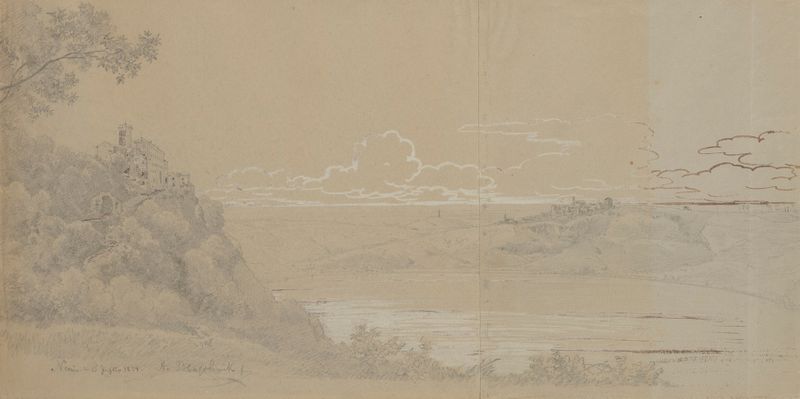
Palazzo Ruspoli by Lake Nemi, in the Distance the Town of Genzano di Roma
Arthur Blaschnik
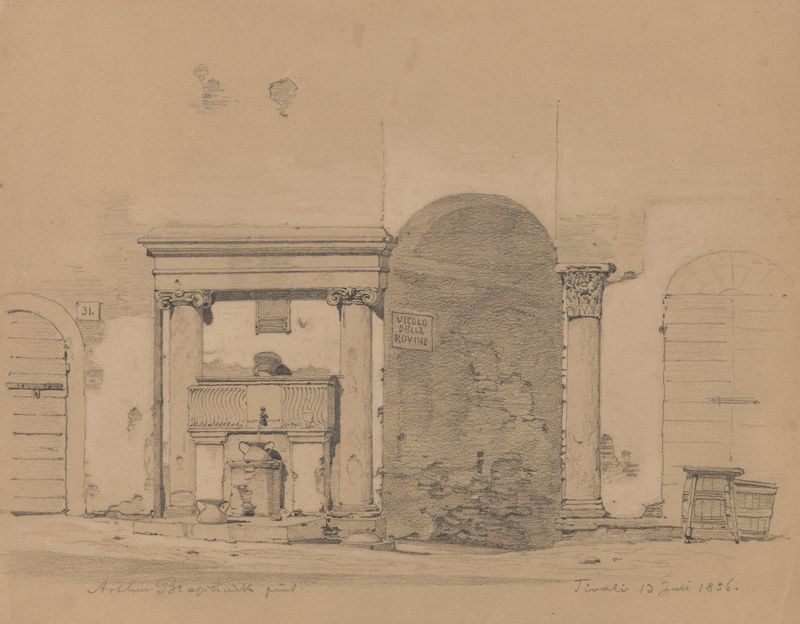
Gate Leading to Vicoli dei Grana near Piazza Palatina in Tivoli
Arthur Blaschnik
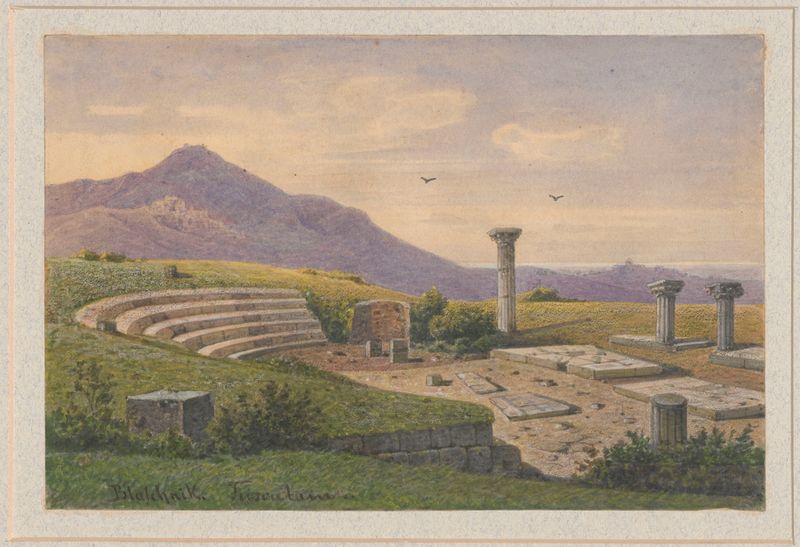
Amphitheatre in Tusculum
Arthur Blaschnik
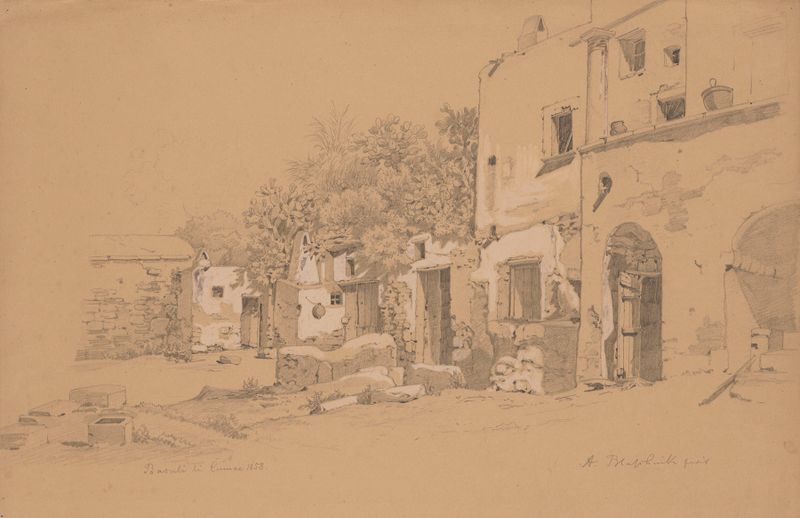
House and Outbuildings in Bacoli
Arthur Blaschnik
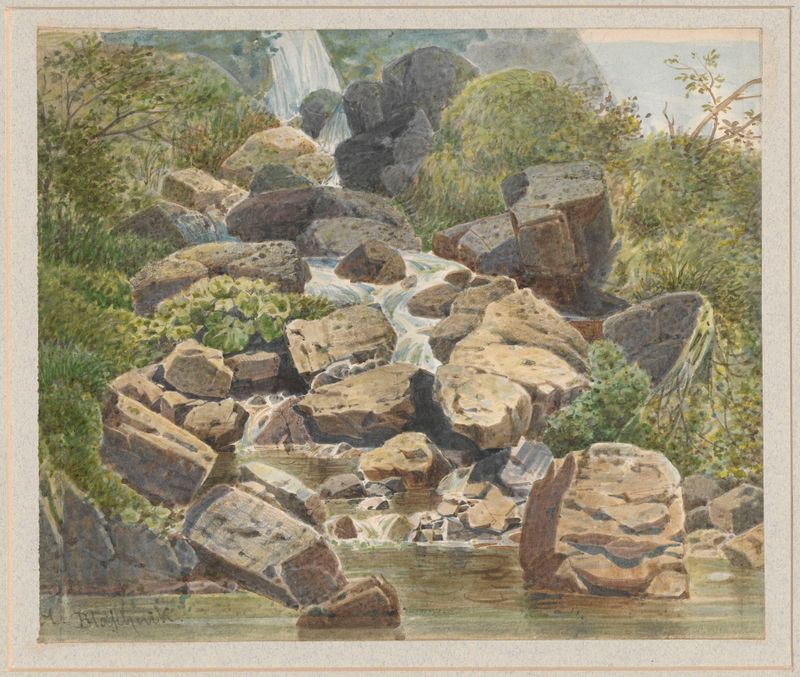
View of a small waterfall near Covigliaio, Tuscany
Arthur Blaschnik
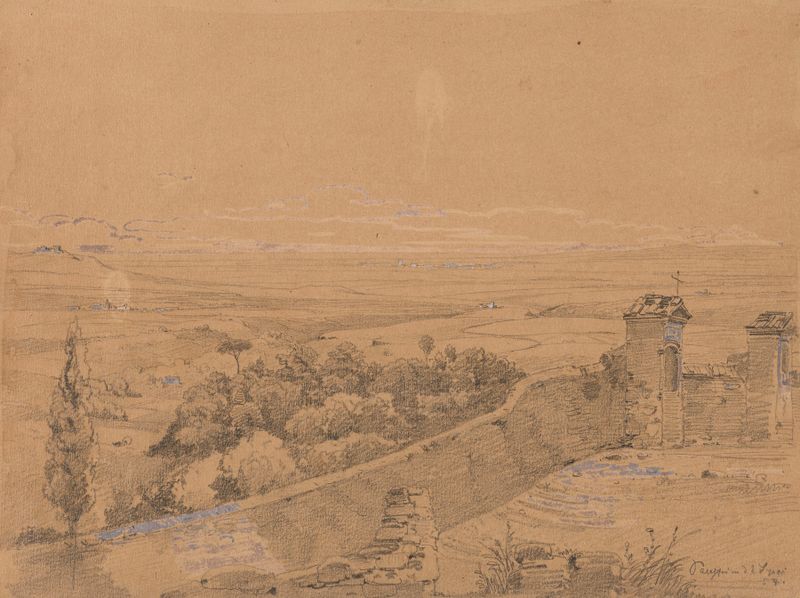
Landscape from the Vicinity of Palestrina
Arthur Blaschnik
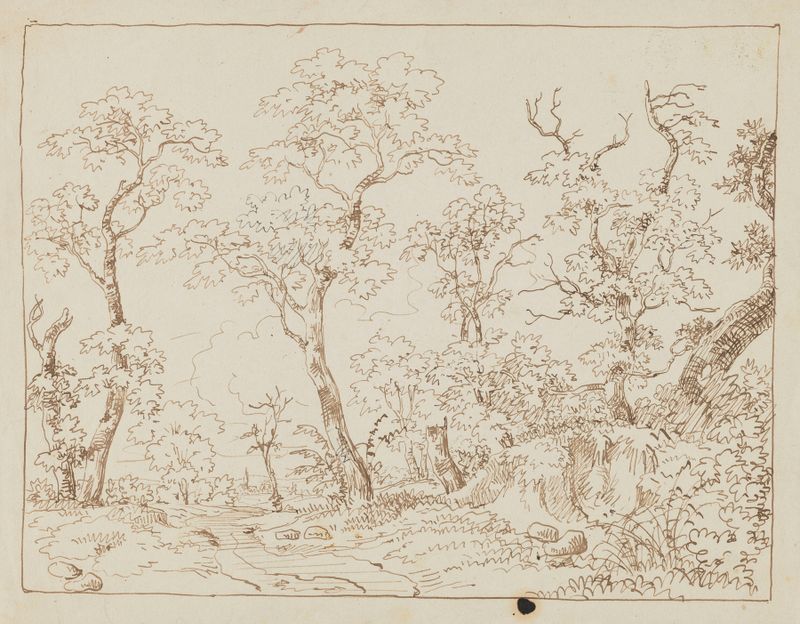
Studies of Trees, Landscape
Arthur Blaschnik
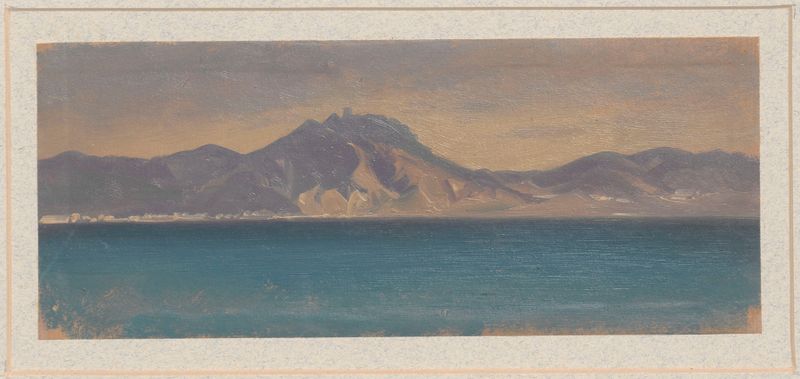
View of the Island of Capri
Arthur Blaschnik
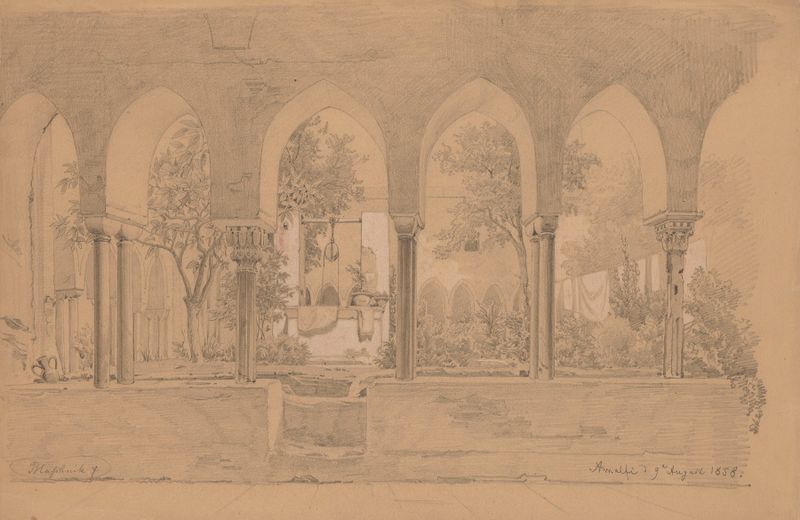
Cloister with Arcade Gallery in Amalfi
Arthur Blaschnik
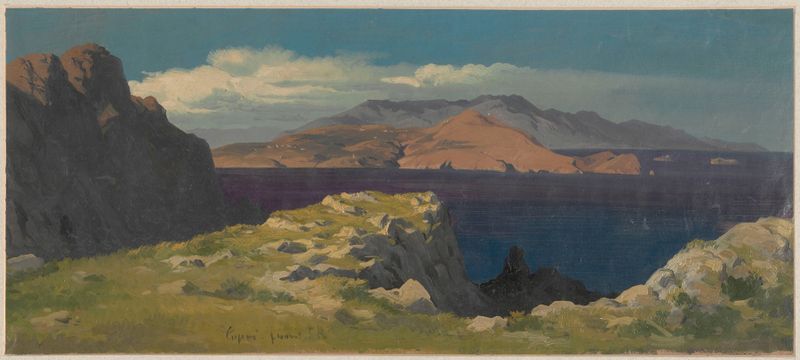
View of Capri
Arthur Blaschnik
Mais arte de Arquitetura
Ver tudo →
The statue of Liberty
Frédéric Auguste Bartholdi

View of Houses in Delft, Known as ‘The Little Street’
Johannes Vermeer

View of Houses in Delft, Known as ‘The Little Street’
Johannes Vermeer

The Cathedral in Rouen. The portal, Grey Weather
Claude Monet

The yellow house
Vincent van Gogh

The Church in Auvers-sur-Oise, View from the Chevet
Vincent van Gogh