
Palazzo Ducale — História e Análise
What does it mean to capture loss in a moment suspended between the seen and the unseen? Look to the left at the elegant archways of the Palazzo Ducale, where the soft curves meet the cool shadows. The artist has intertwined light and texture, allowing the warm tones of the stone to emerge vividly against the backdrop of an overcast sky. You can almost feel the history echoing through the columns, as delicate brushstrokes dance across the canvas, evoking a sense of nostalgia and longing. In the intricate details, a poignant contrast arises between the architectural solidity of the structure and the ephemeral nature of the surrounding scene.
The melancholy undertone is palpable; it hints at the grandeur that has faded, inviting viewers to reflect on the passage of time. Small figures in the foreground seem almost lost, dwarfed by the majestic building, underscoring the theme of loss that pervades the work. Each blade of grass and whisper of wind tells a story of what once was, adorned with an emotional weight that resonates deeply. Created around 1850, this piece reflects the artist's exploration during a period of artistic transition in Europe.
Grubacs, who often depicted Venetian scenes, was immersed in a world where Romanticism was giving way to new artistic movements. His focus on architectural beauty and atmospheric depth in Palazzo Ducale mirrors his personal struggles and the broader shifts in society, capturing a timeless sentiment in the face of inevitable change.
Mais obras de Giovanni Grubacs
Ver tudo →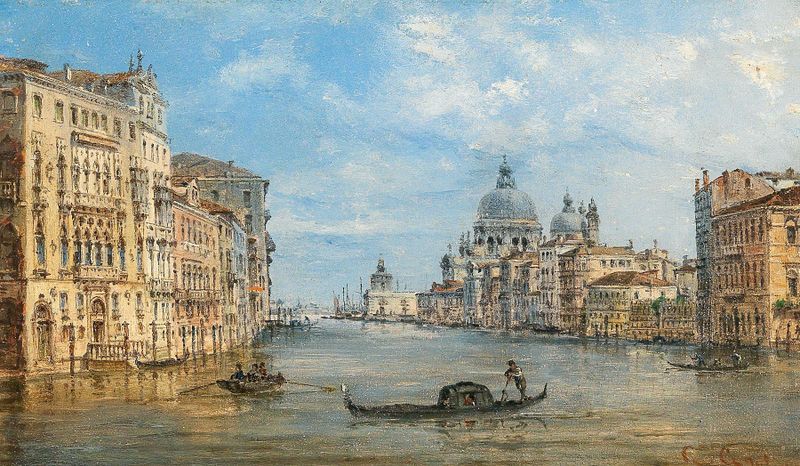
Venice, a view of the Grand Canal
Giovanni Grubacs
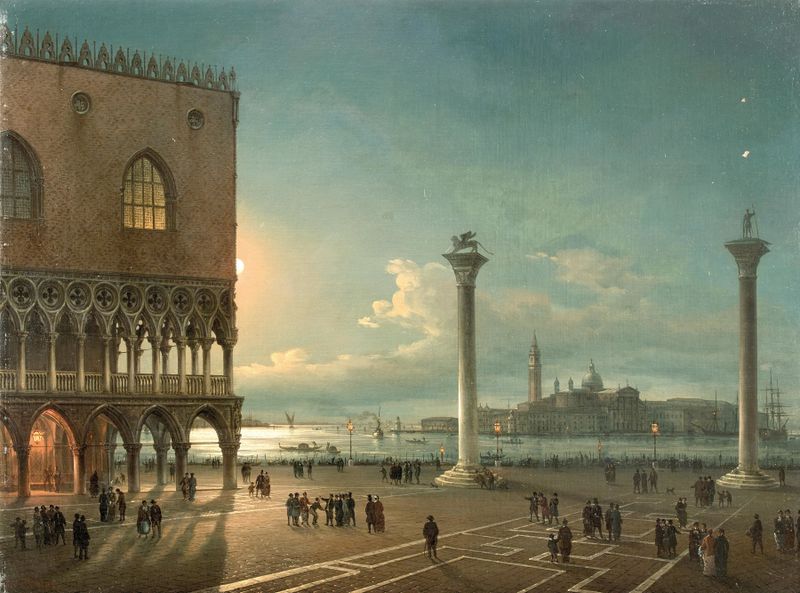
The Piazzetta di San Marco in moonlight, Venice
Giovanni Grubacs
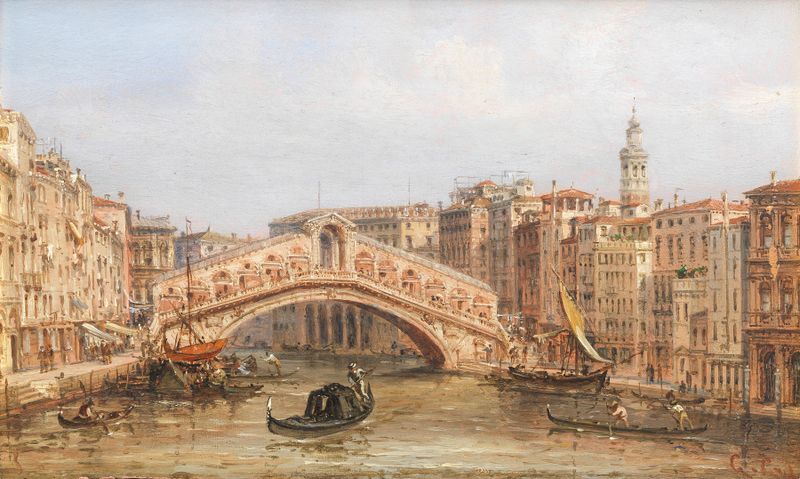
The Rialto Bridge
Giovanni Grubacs
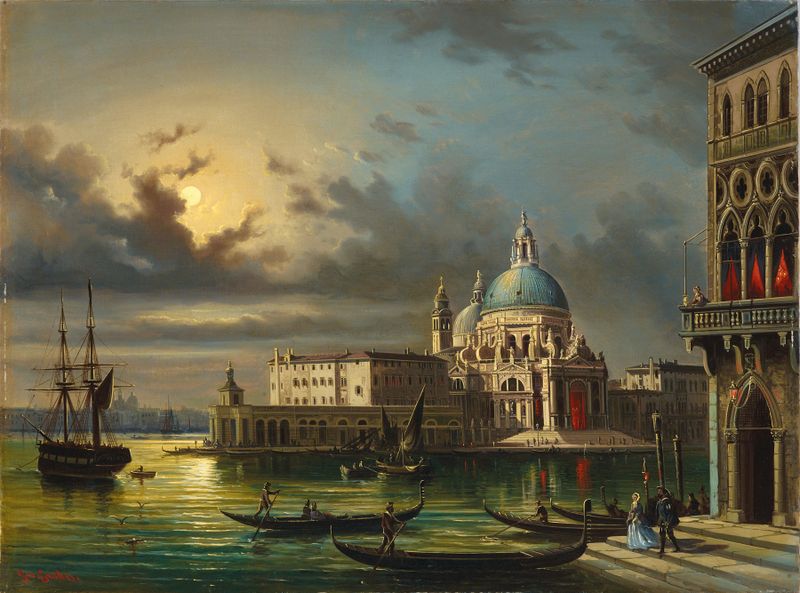
The Punta della Dogana and Santa Maria della Salute, Venice in moonlight
Giovanni Grubacs
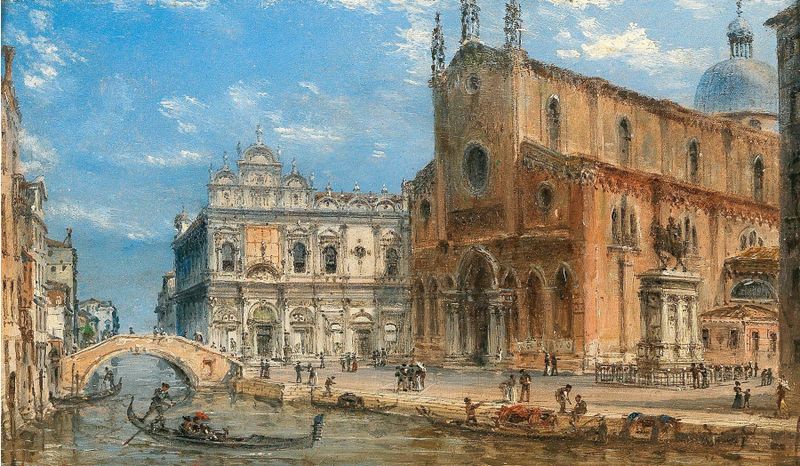
Venice, a view of San Zanipolo with the Colleoni equestrian monument
Giovanni Grubacs
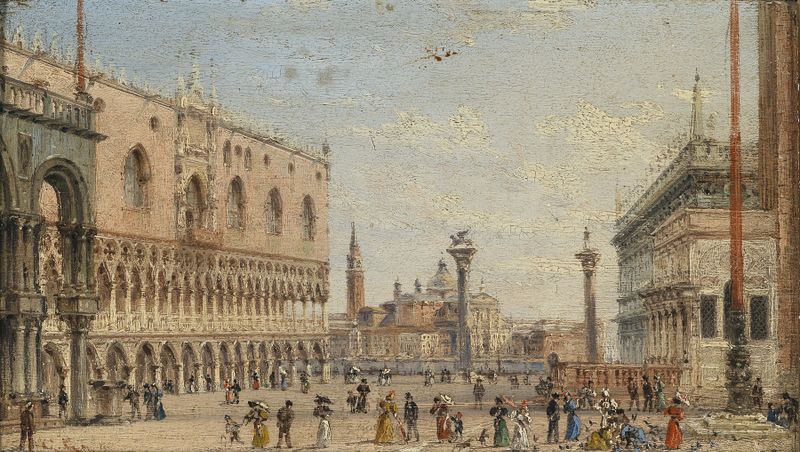
Venedig Piazza San Marco
Giovanni Grubacs
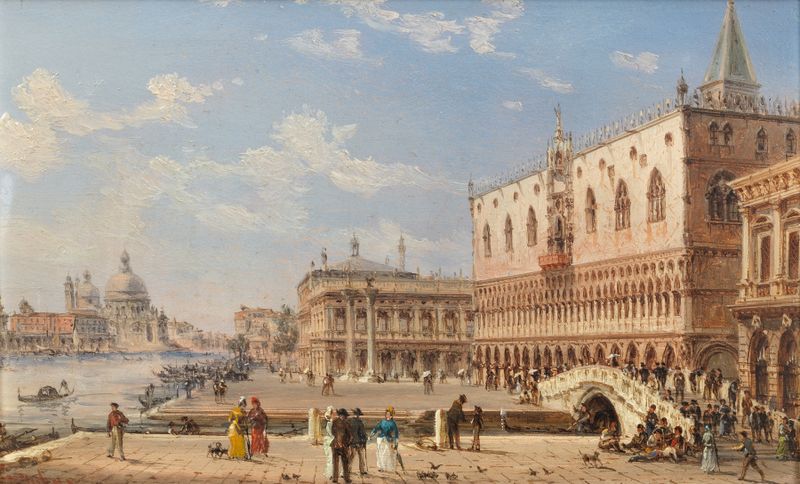
Doge’s Palace with the Ponte della Paglia
Giovanni Grubacs
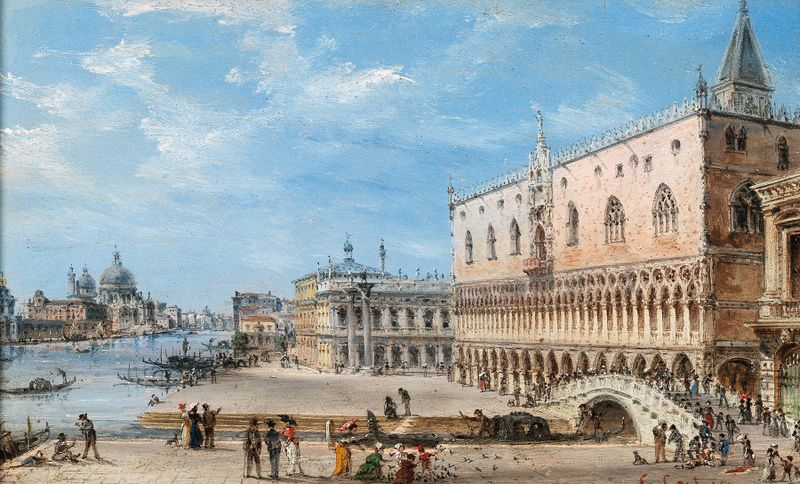
Riva degli Schiavoni
Giovanni Grubacs
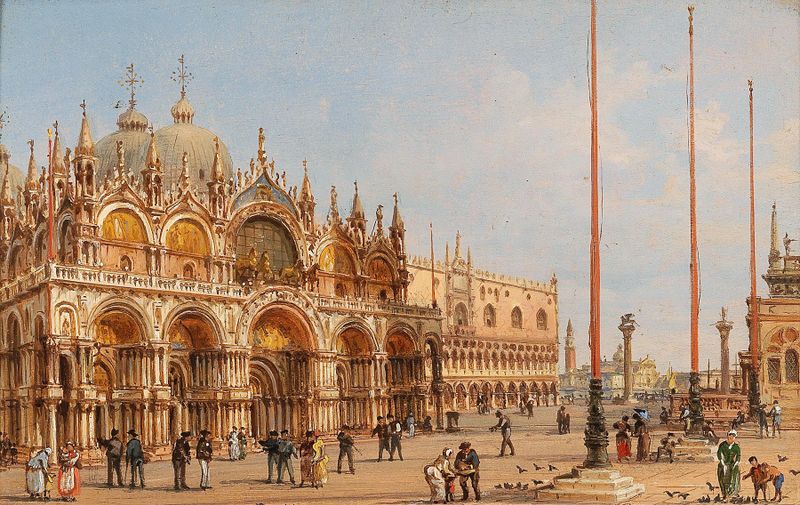
A View Of St Mark’s Basilica And A View Of St Mark’s Square
Giovanni Grubacs
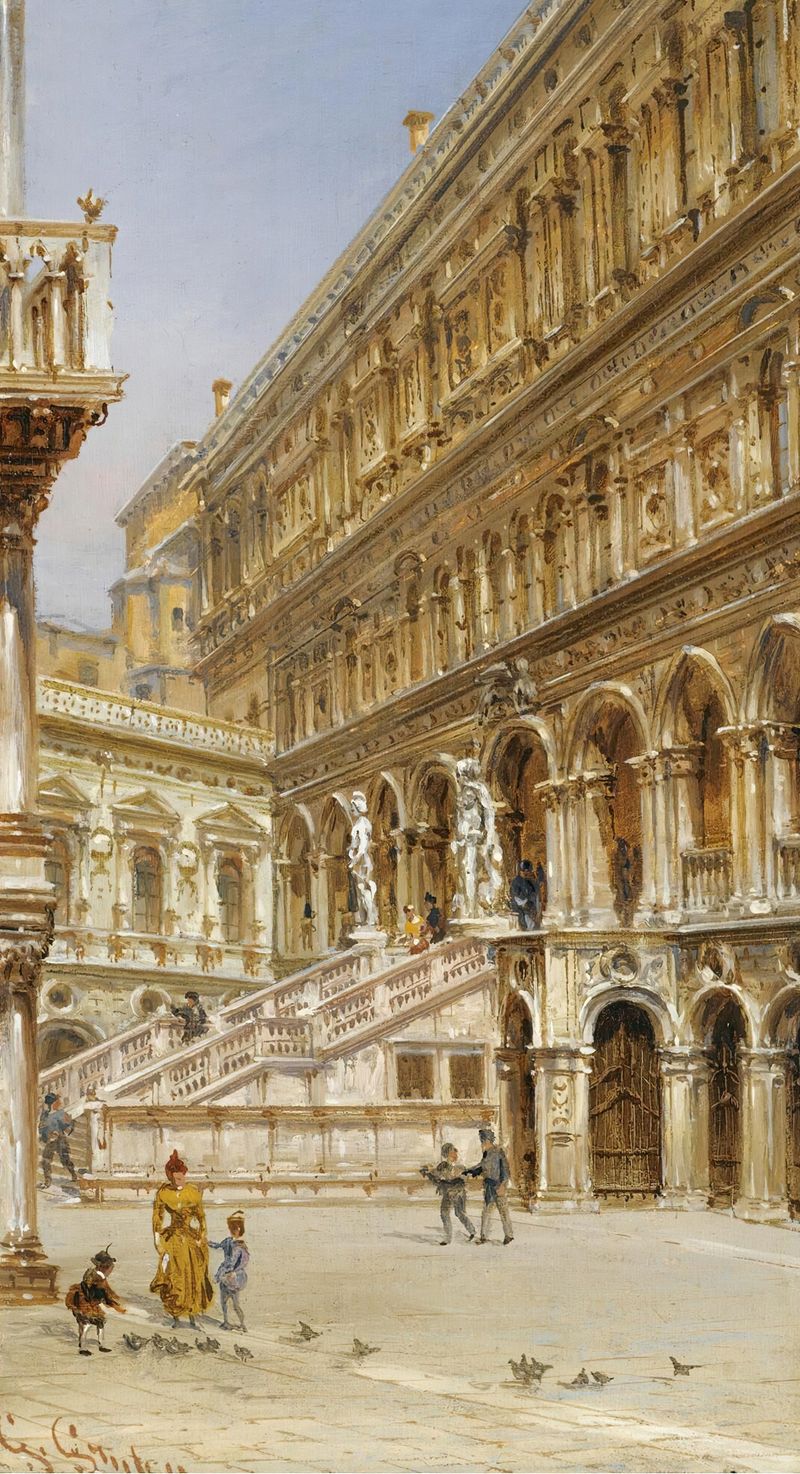
The Giants’ Staircase In The Courtyard Of The Doge’s Palace
Giovanni Grubacs
Mais arte de Arquitetura
Ver tudo →
The statue of Liberty
Frédéric Auguste Bartholdi

View of Houses in Delft, Known as ‘The Little Street’
Johannes Vermeer

View of Houses in Delft, Known as ‘The Little Street’
Johannes Vermeer

The Cathedral in Rouen. The portal, Grey Weather
Claude Monet

The yellow house
Vincent van Gogh

The Church in Auvers-sur-Oise, View from the Chevet
Vincent van Gogh