Pflanzenstudie — História e Análise
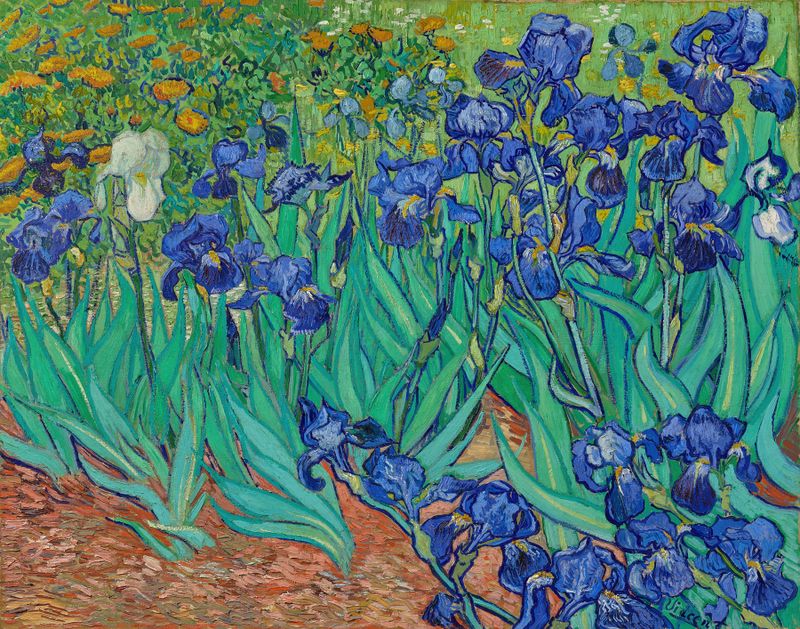
What if beauty was never meant to be finished? In Pflanzenstudie, a singular moment of transformation unfolds, where nature’s delicate forms dance on the edge of completion. Notice how the brushstrokes intertwine right at the center, creating a lively tension between the depicted flora and the ethereal background. The deep greens and vibrant yellows explode with energy, leading your gaze to the overlapping leaves, capturing their intricate patterns. The gentle play of light highlights the contours of each petal, sending whispers of life and authenticity that seem to breathe from the canvas itself. There is an evocative contrast between the wildness of the plants and the almost abstract forms surrounding them.
The juxtaposition of the detailed natural elements against a softer, blurred background suggests an ephemeral moment—a fleeting glimpse of life before it fades away. Each stroke conveys a sense of movement, echoing the idea that existence is a cycle of growth and decay, and within that cycle lies profound beauty. Around 1898, while navigating the vibrant art scene of Zurich, Augusto Giacometti was exploring his unique style, influenced by the blossoming Symbolist movement. This period was marked by a fascination with nature and its representations, aligning with broader artistic trends that sought deeper emotional resonance.
Giacometti's work reflects a personal quest for transformation, connecting the organic world with human experience amidst the evolving artistic landscape.