
Place de Clichy, 17ème arrondissement — História e Análise
Who listens when art speaks of silence? In Place de Clichy, 17ème arrondissement, a haunting stillness envelops the scene, inviting the viewer to confront the madness that simmers beneath the surface. Look to the left, where a lone figure stands, cloaked in shadow, their silhouette stark against the vibrancy of the bustling Parisian landscape. Notice the interplay of light and dark, as it dances across the cobblestones, capturing the chaotic energy of the city. The colors—a blend of muted grays and lively yellows—echo the contradictions of urban life, both inviting and isolating.
With every brushstroke, the artist encapsulates the frenetic pulse of the Place de Clichy, a space teetering on the brink of transformation. Delve deeper into the subtleties of this urban tableau, where the blurred edges of the figures suggest a fleeting reality, merging the dreamlike with the tangible. The tension is palpable, revealing the anxiety of a city alive yet unmoored—a madness that reflects both the individual and collective psyche. The distant lampposts, almost ghostly in their luminescence, stand as silent sentinels, watching over the ephemeral moments of joy and despair that unfold beneath their glow. Created between 1903 and 1913, during a time of great change in Paris, the artist painted this work amidst the throes of modernity and personal upheaval.
Garat, influenced by the burgeoning avant-garde movements, sought to capture the essence of a world in flux, where the familiar landscape of the city became a stage for the exploration of inner turmoil and existential reflection. This painting speaks to the transformative power of urban life and the quiet madness that lies within.
Mais obras de Francis Garat
Ver tudo →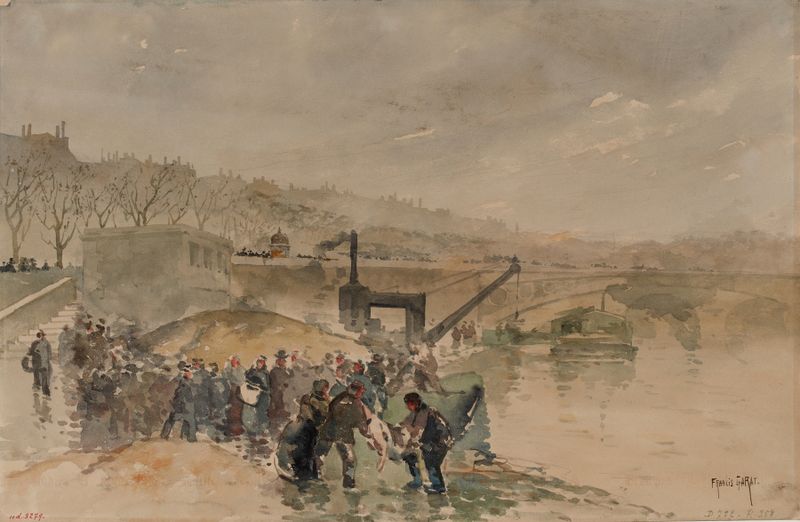
Les bords de Seine, quai du Louvre, 1er arrondissement
Francis Garat
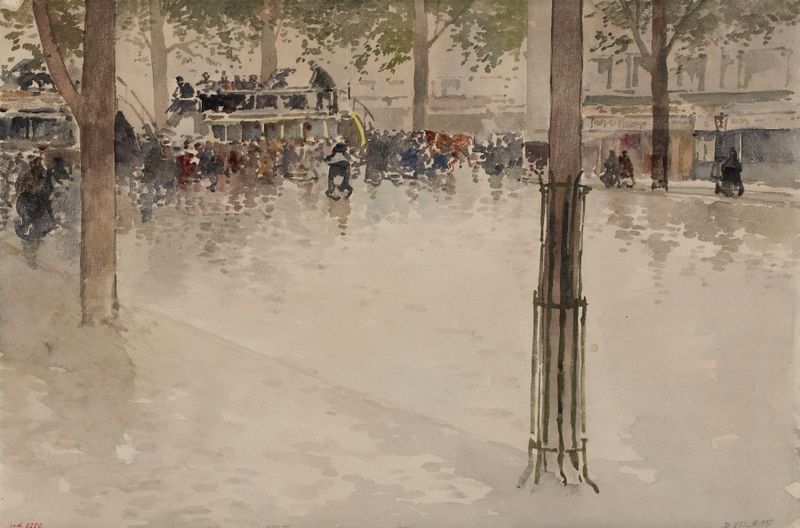
La station d’omnibus de l’avenue des Gobelins, 5ème arrondissement ou 13ème arrondissement
Francis Garat
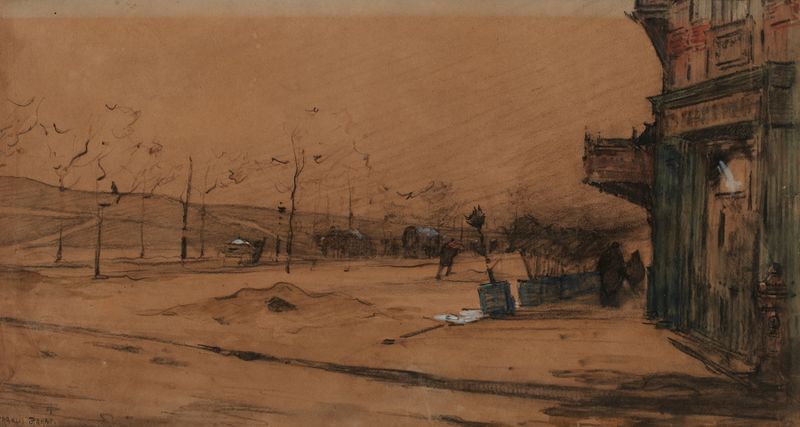
Boulevard Ney, 18ème arrondissement
Francis Garat
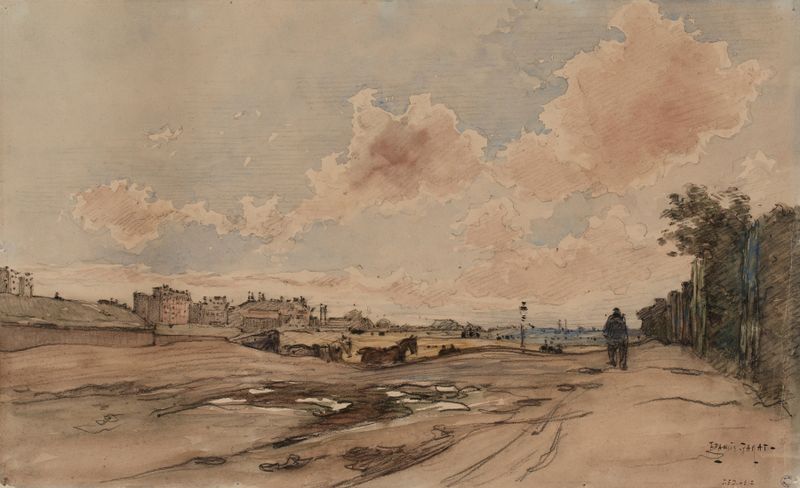
La porte des Poissonniers, 18ème arrondissement
Francis Garat
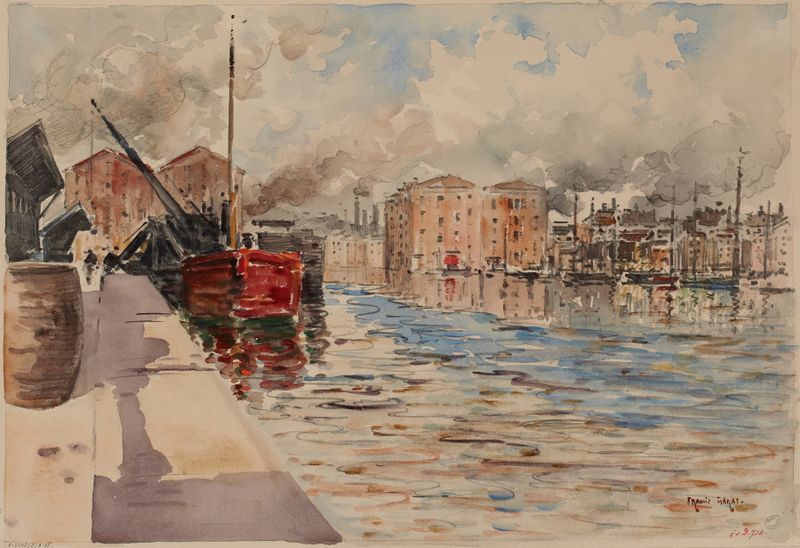
Le canal de la Villette, 19ème arrondissement
Francis Garat
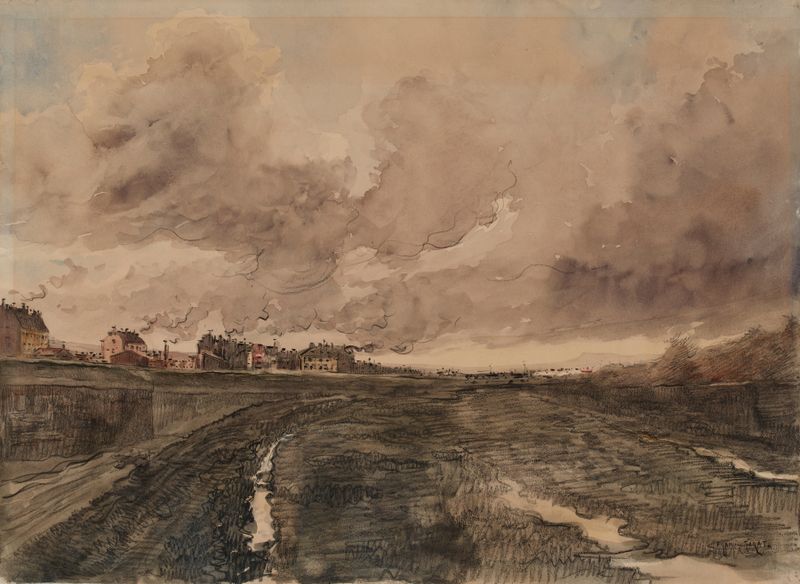
Vue du boulevard de Lorraine, 17ème arrondissement, avenue de la porte Pouchet limite du territoire de Clichy
Francis Garat
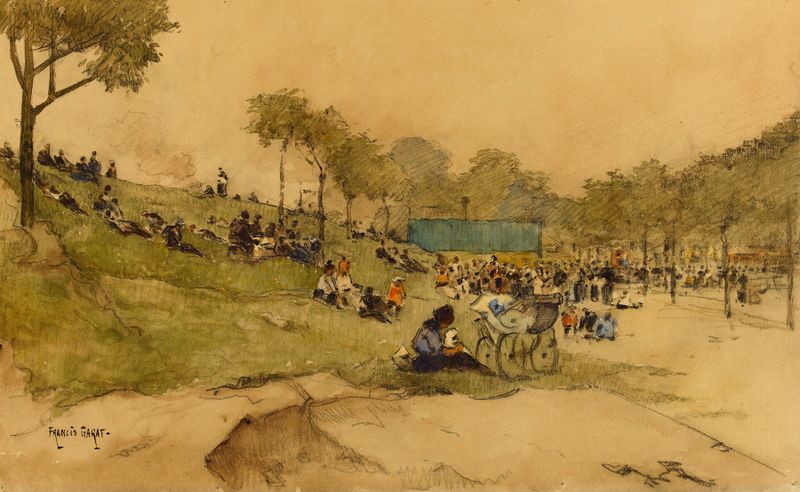
Jeudi porte de Clichy
Francis Garat





