
Platanus Trees at a Monastery Gate — História e Análise
Can paint confess what words never could? In Platanus Trees at a Monastery Gate, Jan Bohuszewicz captures a landscape steeped in melancholy, each stroke whispering secrets of solitude and reflection. Look to the left at the gnarled trunks of the platanus trees, their branches arching overhead like weary guardians. Notice how the muted greens and browns contrast with the cool blues of the sky, creating a sense of stillness that envelops the scene. The soft light filtering through the leaves casts gentle shadows on the ground, drawing your gaze towards the worn path leading to the monastery gate, inviting yet distant, a threshold to contemplation. Bohuszewicz subtly weaves a narrative of existence and isolation.
The trees, sturdy and timeless, symbolize endurance, standing sentinel over the passage of time, while the gate hints at the threshold between the inner sanctum of peace and the external world of turmoil. The overall composition evokes a sense of longing, as if the viewer is caught between the desire for connection and the inevitable pull of solitude. In 1930, the artist was entrenched in a period of profound reflection and societal change in Poland. The tumultuous backdrop of Europe, marked by political unrest and the shadows of the impending war, influenced his work and led him to explore themes of introspection and existentialism.
This piece reflects not just a moment in time, but the complex emotional landscape of an artist searching for meaning amid chaos.
Mais obras de Jan Bohuszewicz
Ver tudo →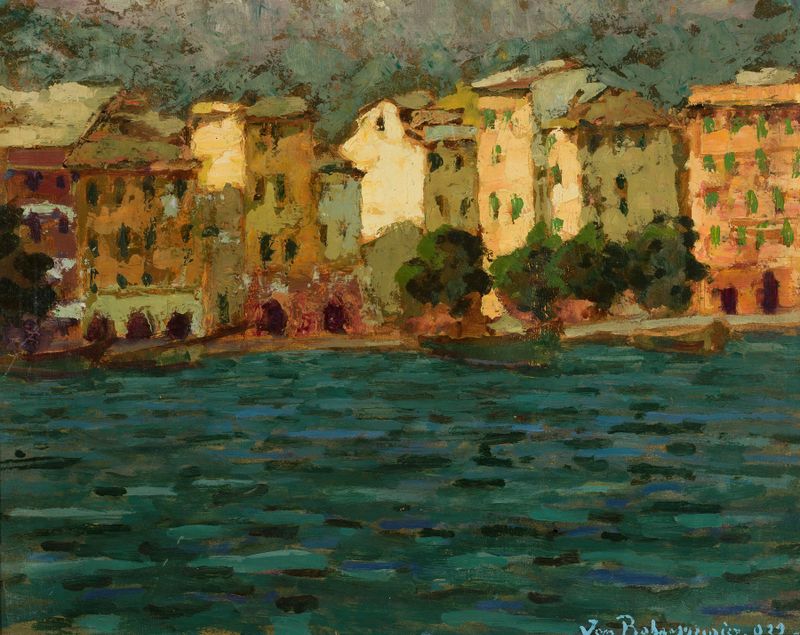
Port in the sunshine
Jan Bohuszewicz

Golden autumn
Jan Bohuszewicz

Larch Trees by the Lake in Dobiacco
Jan Bohuszewicz
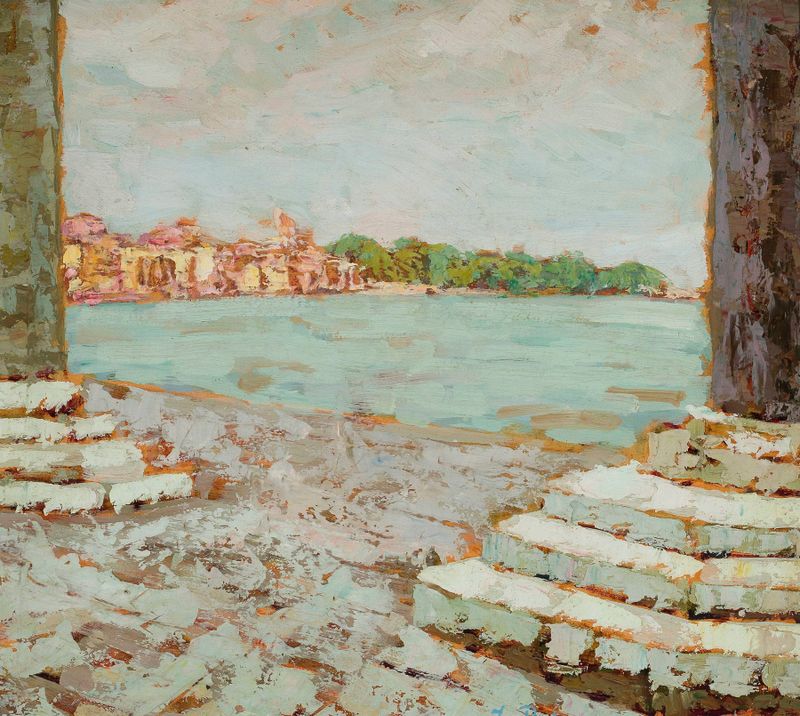
View from Piazzetta in Venice
Jan Bohuszewicz

Polish cottages
Jan Bohuszewicz
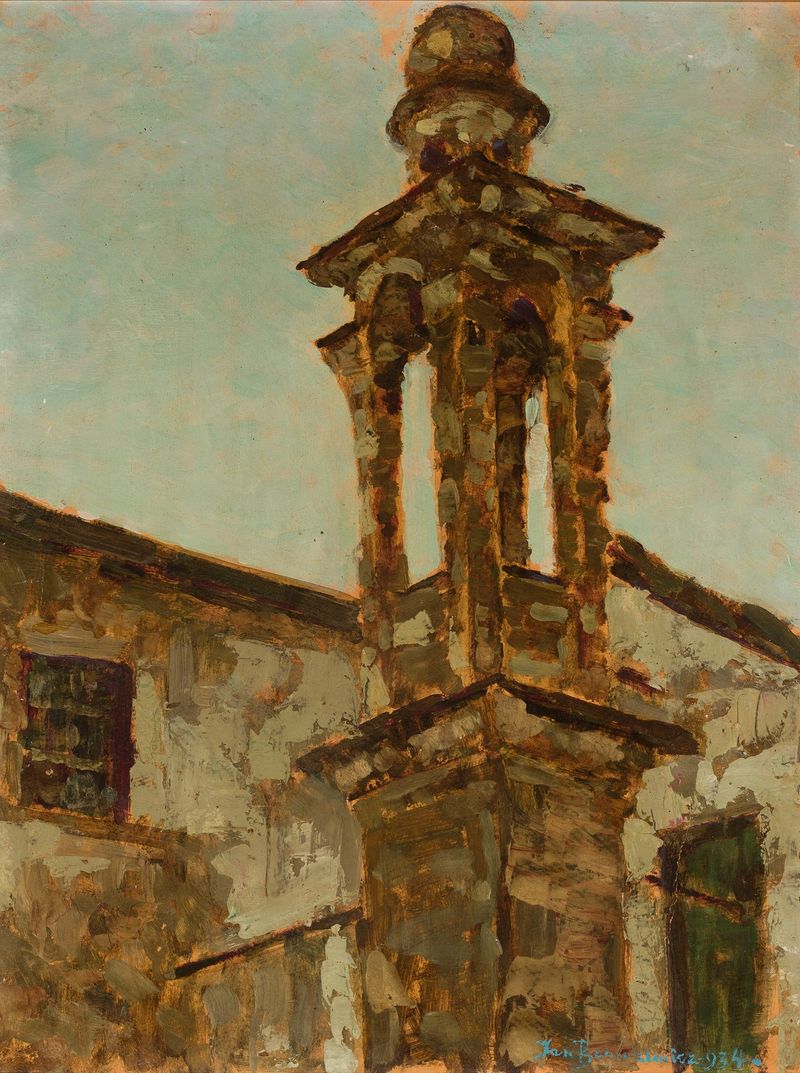
Old bell-tower
Jan Bohuszewicz
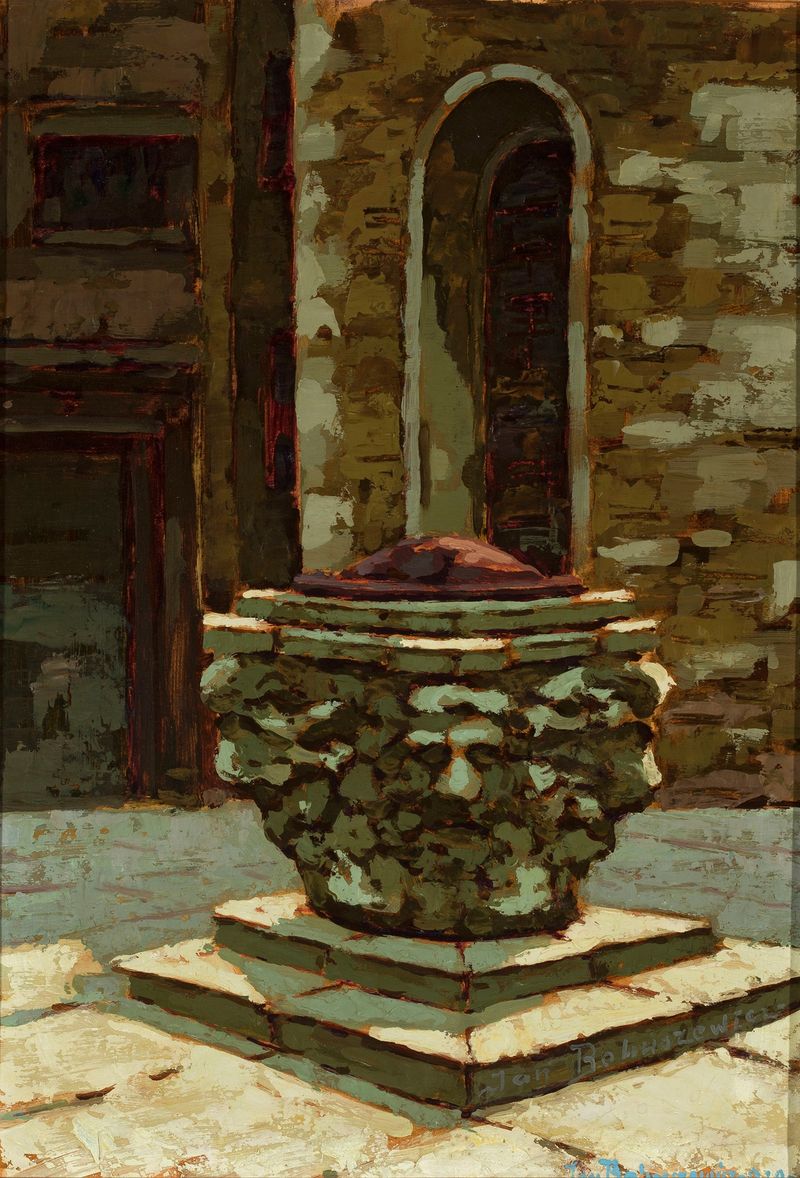
Small well in Venice in the sunshine
Jan Bohuszewicz
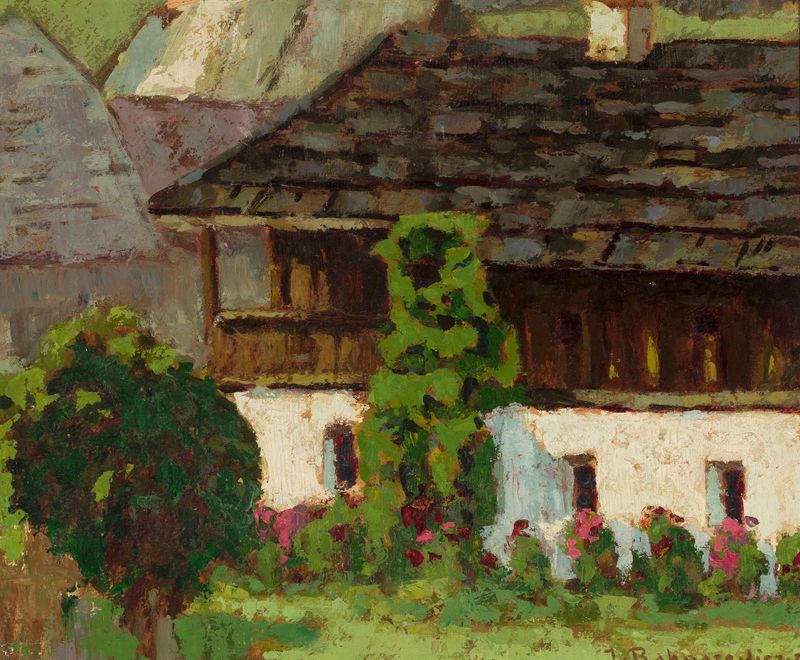
Old house with a porch
Jan Bohuszewicz

Shells
Jan Bohuszewicz

Zapuszczona ścieżka
Jan Bohuszewicz





