
Pond and Willows — História e Análise
In the stillness of a moment, the essence of emptiness is captured, a reminder of what lingers beneath the surface of our memories. Look to the center of the canvas where the pond mirrors the veiled sky, each ripple whispering secrets of forgotten days. The willows, with their graceful branches, frame the scene, beckoning the viewer to step closer. Notice how the soft, muted greens and blues blend seamlessly, evoking a tranquil melancholy.
Each brushstroke reveals the artist’s meticulous technique, harmonizing light and shadow to create an almost dreamlike quality that envelops the viewer. Delve deeper into the work, and you’ll uncover contrasts that speak to the heart of solitude. The vibrant life of the willows juxtaposes the stillness of the water, symbolizing the tension between vitality and emptiness. The reflection may appear serene, yet it holds an undercurrent of nostalgia, as if the artist is inviting us to ponder what lies beneath our own surfaces.
Each element speaks to the transient nature of beauty and the inevitable passage of time. In the early 1900s, while living in the artistic enclave of New Hope, Pennsylvania, Haskell painted Pond and Willows. This period marked a shift in American art, with artists embracing Impressionism and seeking to convey emotion through landscape. As he navigated personal challenges, Haskell’s work resonated with an introspective quality that mirrored societal transitions, capturing the fleeting moments of existence amidst the evolving art world.
Mais obras de Ernest Haskell
Ver tudo →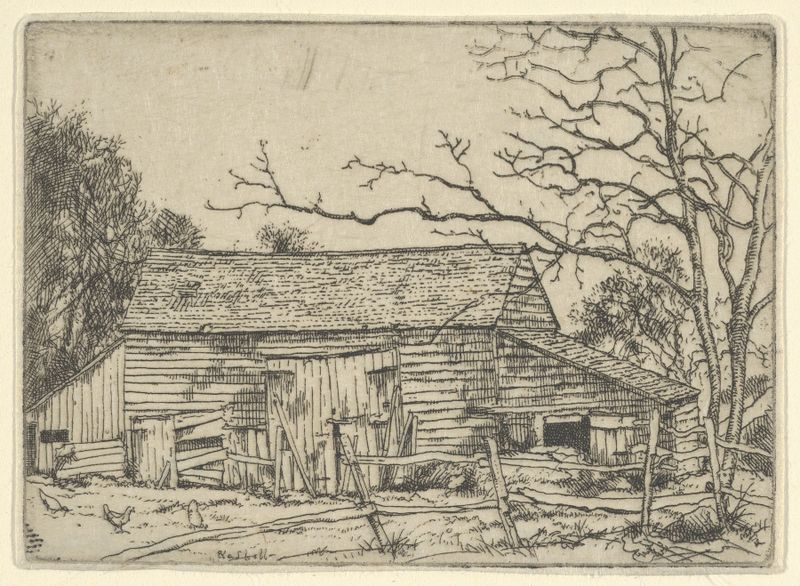
The Barn–Staten Island, N.Y.
Ernest Haskell

Four Live Oaks
Ernest Haskell
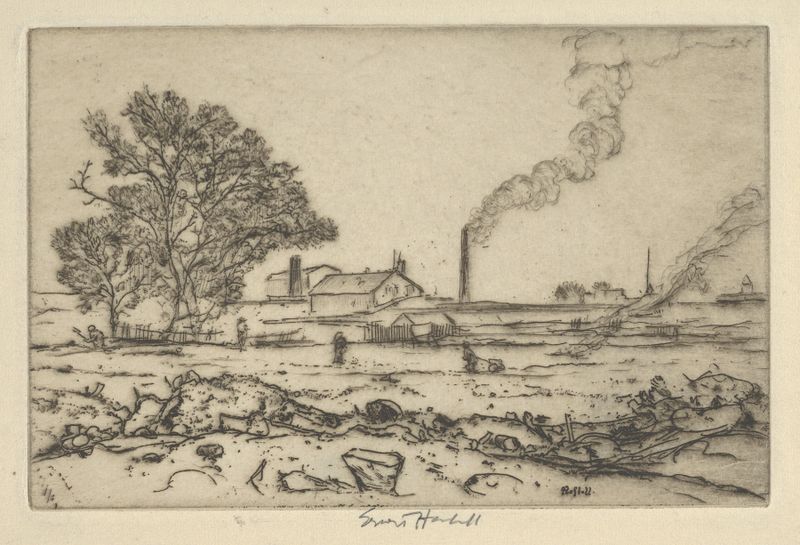
Outskirts of Boston
Ernest Haskell
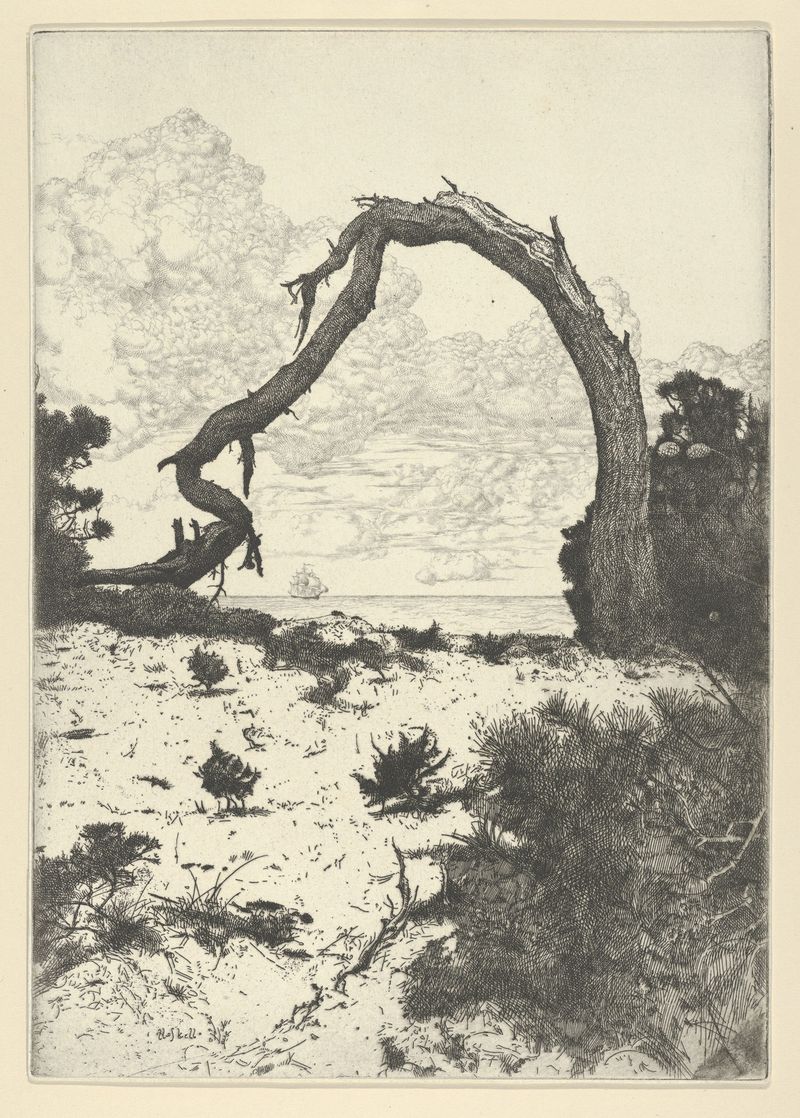
Pine Arch
Ernest Haskell

General Sherman
Ernest Haskell
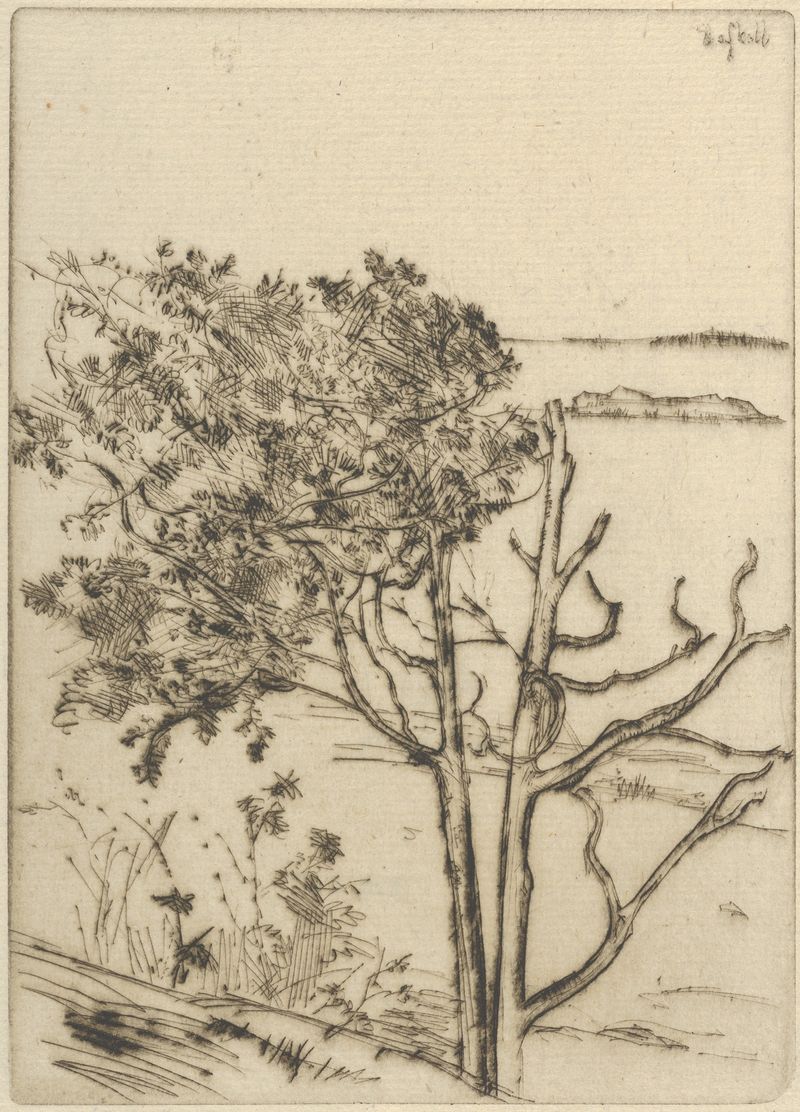
Ragged Tree – Maine
Ernest Haskell

Tide Mill
Ernest Haskell

Ship Building
Ernest Haskell
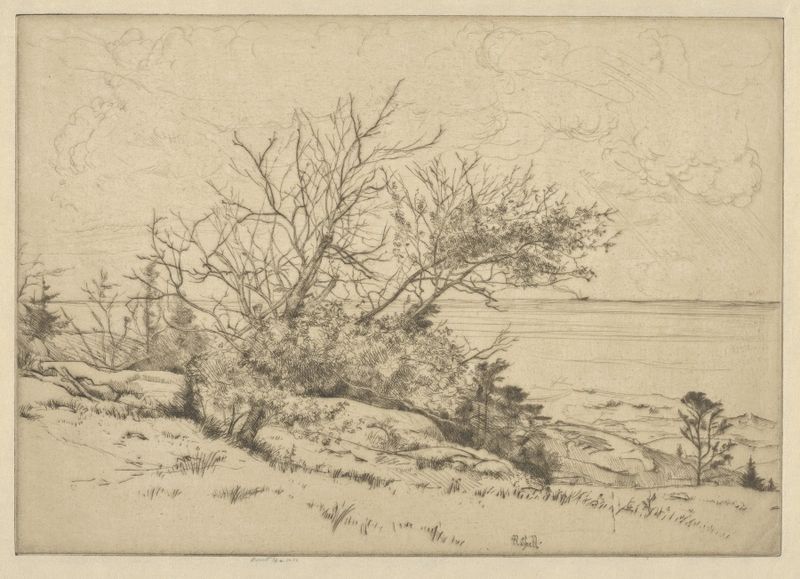
To the Southward – Ragged Island, Me.
Ernest Haskell
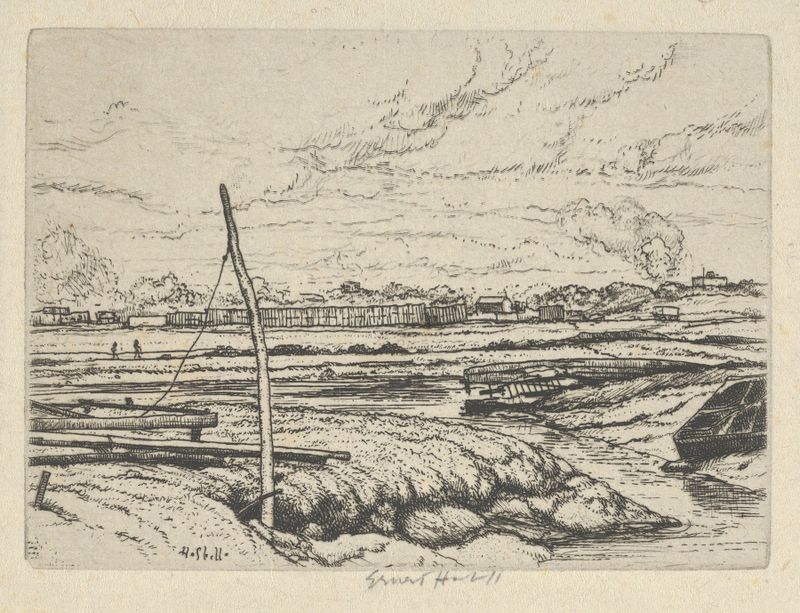
Long Island Marshes
Ernest Haskell





