Poppies — História e Análise
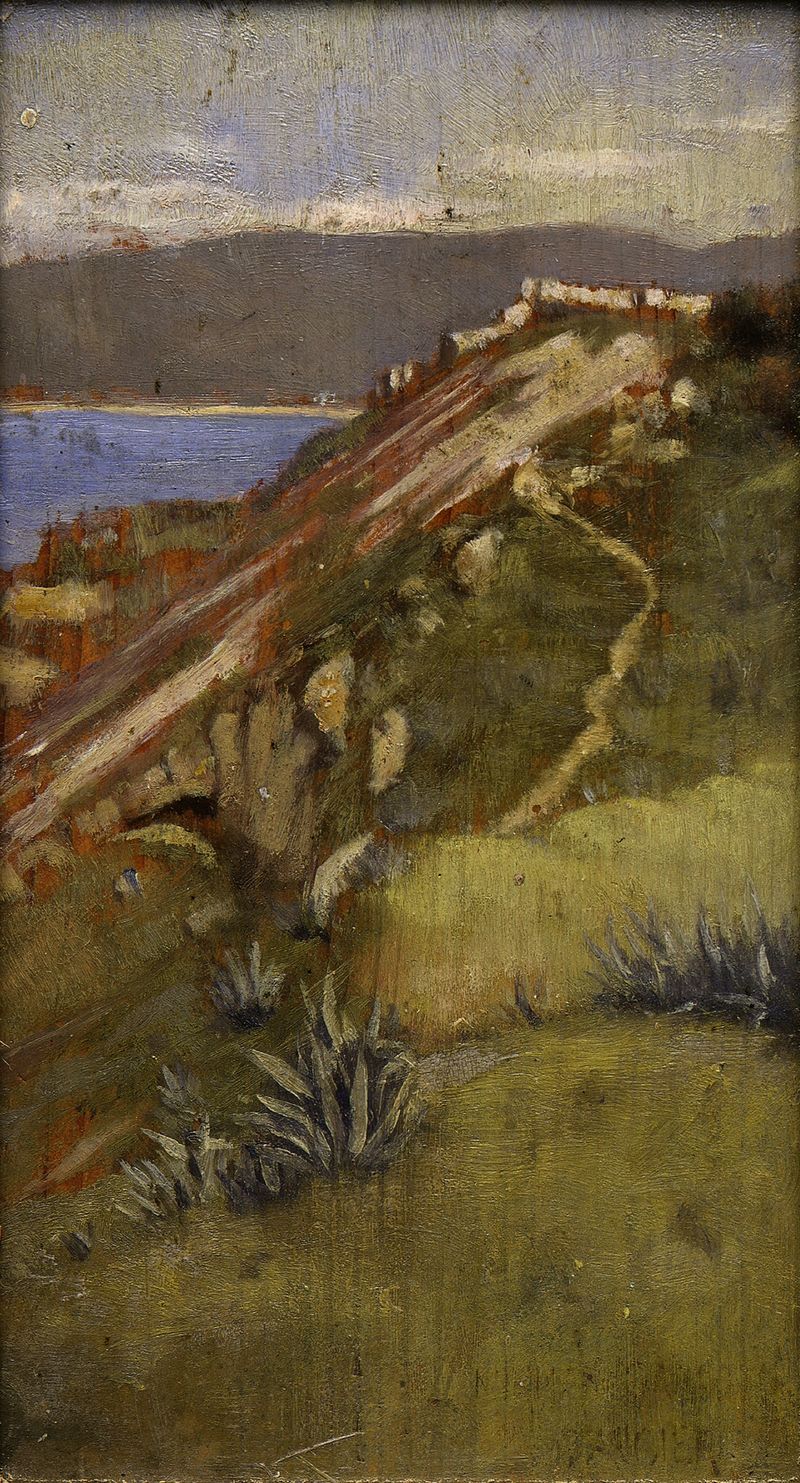
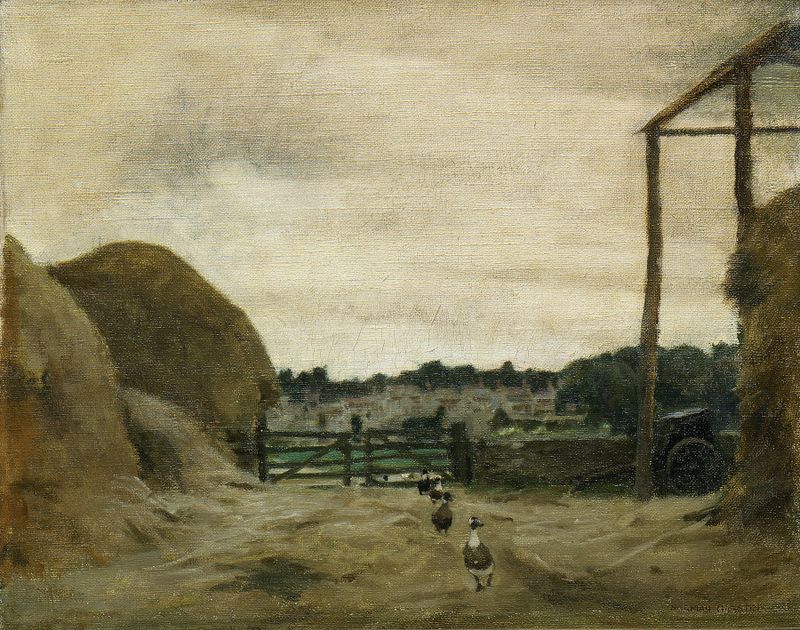
Could beauty survive in a century of chaos? Look to the center of the canvas at the vibrant field of poppies, their crimson petals bursting forth with life against a backdrop of soft greens and muted earth tones. The brushstrokes are loose, yet intentional, guiding the viewer’s gaze from the flowers towards the distant horizon, where the sky melts into shades of deep azure. This interplay of color and form creates an atmosphere that is both tranquil and uplifting, inviting contemplation. As the eye wanders, subtle details emerge, revealing the contrast between the delicate flowers and the rugged terrain surrounding them.
Notice how the sun illuminates the poppies, casting playful shadows that dance across the ground, suggesting a fleeting moment of serenity in an otherwise tumultuous world. Each flower stands as a symbol of resilience, thriving against all odds and whispering stories of survival and beauty amid adversity. In this work, Garstin captures a moment where nature asserts its quiet dominance, an assertion that was particularly poignant during a period marked by social upheaval and change. Painted in the late 19th century, the artist was deeply influenced by the Impressionist movement, which sought to convey emotions and experiences through color and light.
This period was a time of exploration and experimentation in art, as traditional boundaries began to dissolve, allowing for a more personal expression of beauty and stillness.