Possibly, On the waste of Cumberland — História e Análise
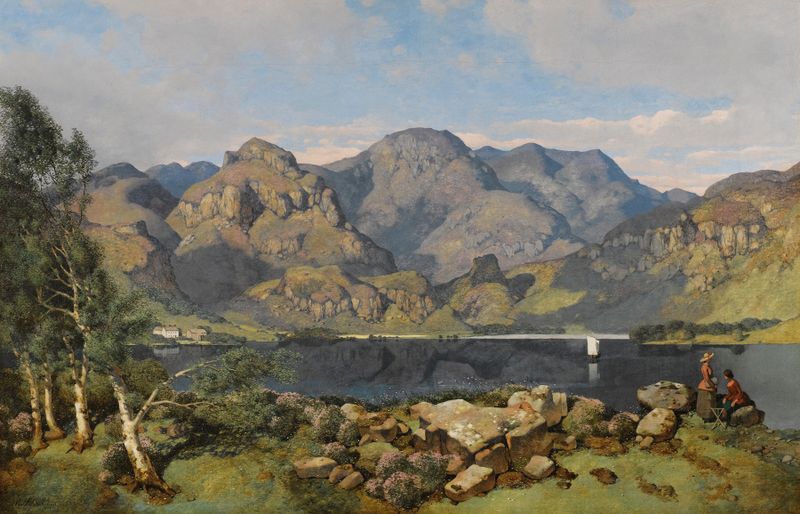
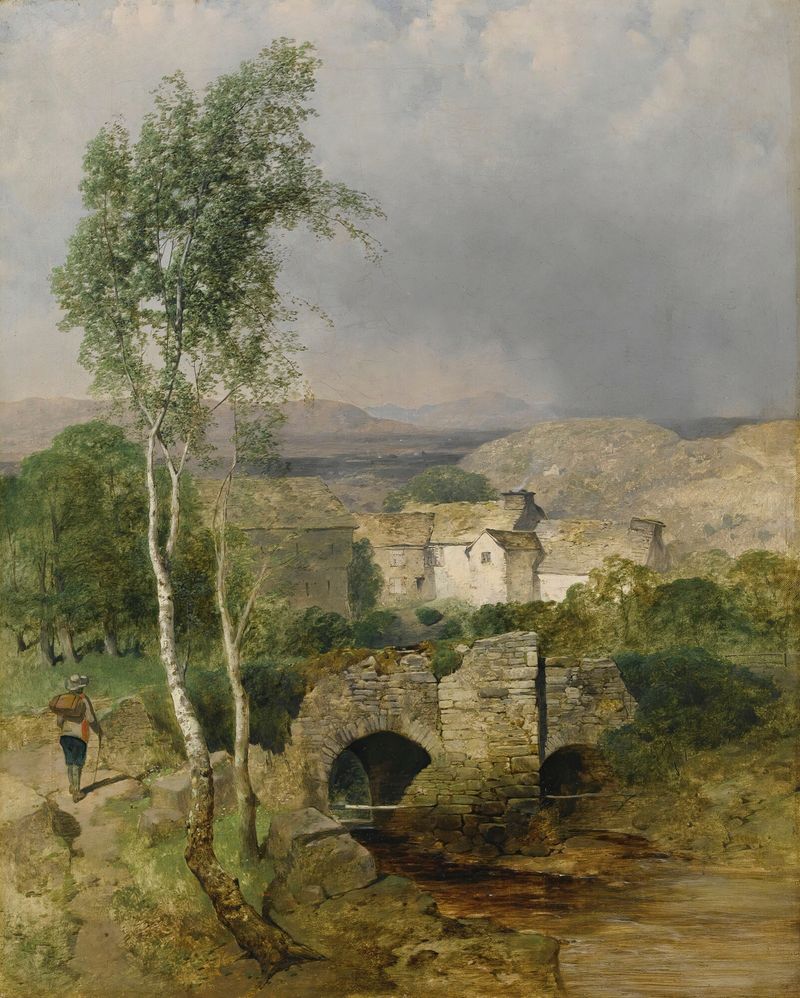
The essence of mortality lingers in the spaces we inhabit, often unnoticed yet profoundly felt. Look to the center, where a desolate landscape unfolds—a poignant reminder of nature’s quiet surrender. The muted palette evokes a sense of somber beauty, with gentle browns and grays blending seamlessly. Notice how the brushwork captures fleeting light filtering through heavy clouds, illuminating patches of undergrowth that seem to fight for life.
The stark horizon line grounds the composition, while the distant hills fade away in soft focus, inviting contemplation about what lies beyond. Hidden within the expansive emptiness is a tension between decay and resilience. The sparse vegetation represents both the harshness of nature and the tenacity of life, suggesting a dialogue between existence and oblivion. Each stroke carries the weight of a story, echoing the fragility of life in the face of an indifferent world.
This duality in the scene compels viewers to reflect on their own mortality and the inevitable passage of time. In 1851, Blacklock was painting in Cumberland, a region that influenced his connection to the surrounding landscapes. At this time, the art world was experiencing a shift towards realism and a deeper exploration of nature’s authenticity. The artist’s life was marked by personal challenges, yet Possibly, On the waste of Cumberland stands as an introspection of both his surroundings and his own existential musings, capturing a moment that resonates across ages.