Promenade in the Gardens of the Leuchtenberg Palace, Peterhof — História e Análise
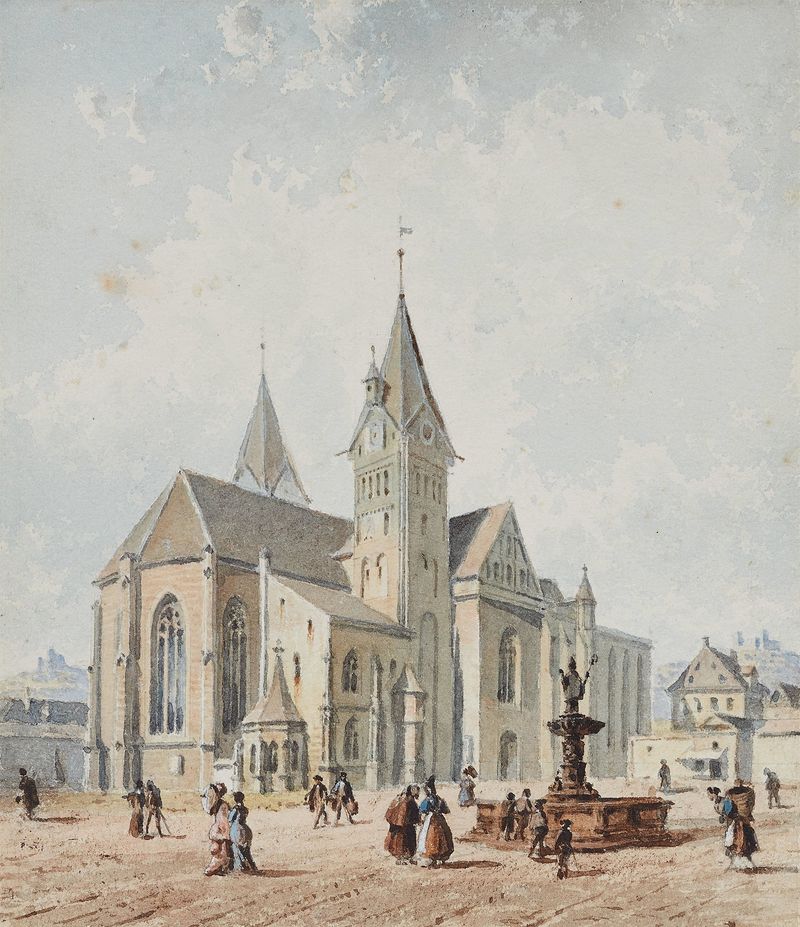
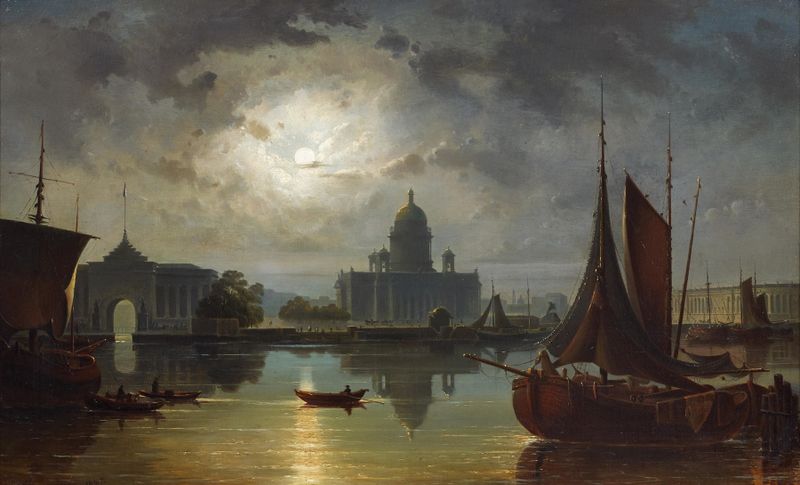
A gentle breeze stirs the lush greenery as elegantly attired figures stroll through the manicured gardens of the Leuchtenberg Palace. Sunlight dapples the pathways, casting playful shadows that dance in harmony with the laughter and whispers of the visitors. Amidst the vibrant flowers and meticulously trimmed hedges, a sense of tranquil leisure envelops the scene, drawing us into a perfect moment of beauty and balance. Look to the center of the composition, where a couple pauses near a fountain, their posture a graceful embodiment of connection.
Notice how the soft brushwork suggests the texture of their garments, accentuating the delicate interplay between light and shadow. The artist employs a palette of serene pastel tones, with bursts of color from the surrounding flora, guiding the viewer’s gaze throughout the idyllic setting. The meticulous detail in the architecture of the palace in the background anchors the scene, emphasizing the grandeur that frames their leisurely stroll. The contrast between the vibrant life of the gardens and the stillness of the palace reveals a deeper narrative of balance between nature and human creation.
The figures, though engaged in their own moments, seem to embody a unity that transcends their individuality, suggesting an ideal of coexistence. The fountain's gentle flow mirrors the essence of time, inviting reflection on the transient yet eternal beauty of shared experiences. In 1873, while living in the artistic hub of St. Petersburg, Joseph Andreas Weiss captured this serene scene.
The period was marked by a growing interest in plein air painting, as artists sought to depict nature directly from observation. Amidst the cultural vibrancy of Imperial Russia, Weiss’s work reflects a commitment to portraying harmony and beauty, encapsulating the spirit of an era devoted to both natural and architectural splendor.