
Reichenbach Chûte du milieu — História e Análise
Who listens when art speaks of silence? In a world where voices drown one another out, the quiet whispers of betrayal linger in the background, waiting to be heard. Focus on the delicate interplay of shadows and light that dances across the canvas. Look closely at the nuanced strokes that define the water's edge, where turbulent currents meet the stillness of a reflective surface. Notice how the hues blend seamlessly—rich blues and soft greens envelop the scene, evoking a sense of both beauty and foreboding, as if nature itself is holding its breath. The painting encapsulates a poignant tension between tranquility and unrest.
Hidden within the serene landscape are hints of conflict—the jagged rocks that disrupt the water’s flow symbolize the underlying betrayals that disrupt harmony. The silence of the scene amplifies this tension, suggesting that what is left unsaid can often be more powerful than spoken words. Each brushstroke tells a story of duality, capturing the essence of beauty intertwined with a sense of loss. Jean Jacottet created this work during a time when he was grappling with both personal introspection and the broader artistic movements of his era.
Little is known about the exact date, but the painting reflects a period of exploration in the late 19th century, when artists were beginning to embrace emotional depth and subtle narratives. This piece stands as a testament to the artist's desire to convey complex human experiences through the lens of nature.
Mais obras de Jean Jacottet
Ver tudo →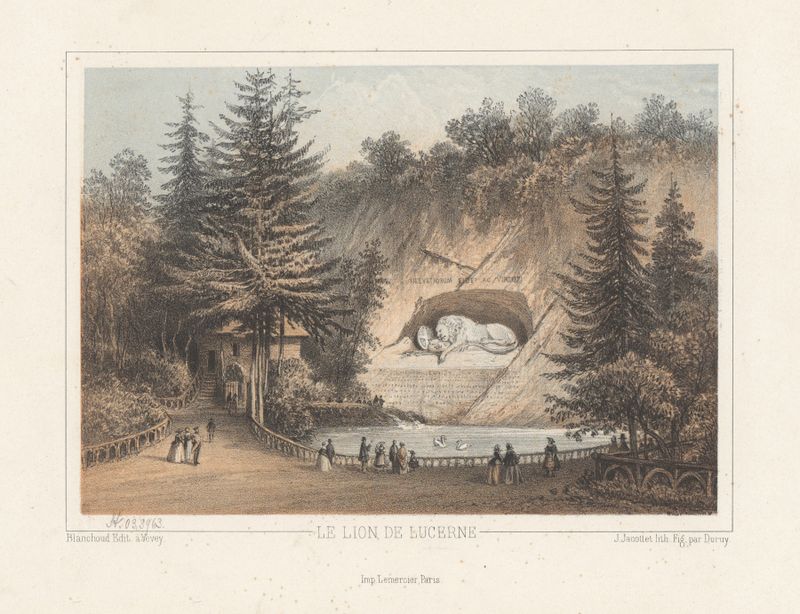
Le lion de Lucerne
Jean Jacottet
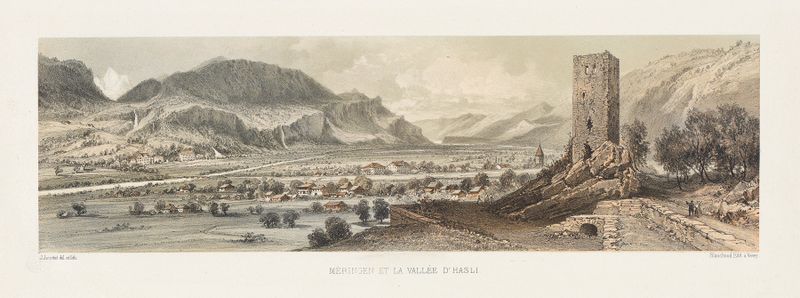
Méringen et la vallée d’Hasli
Jean Jacottet
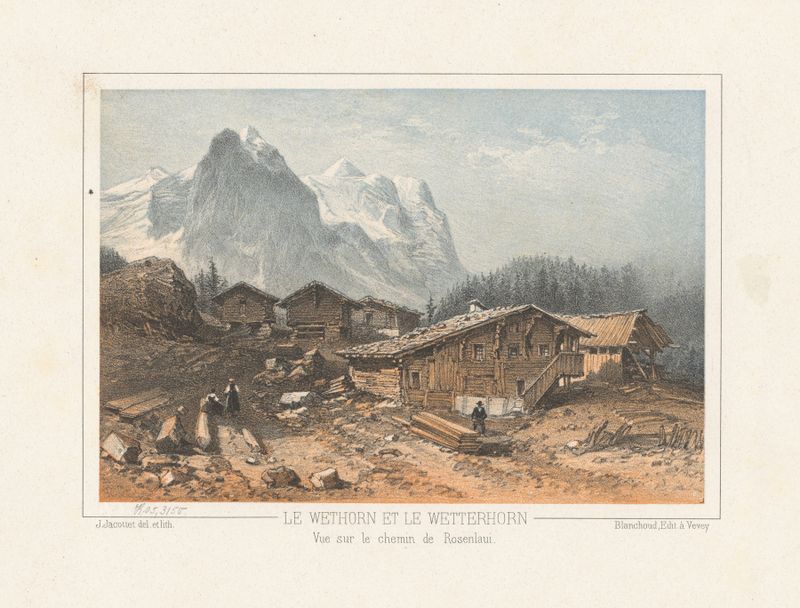
Le Wethorn et le Wetterhorn Vue sur le chemin de Rosenlaui
Jean Jacottet
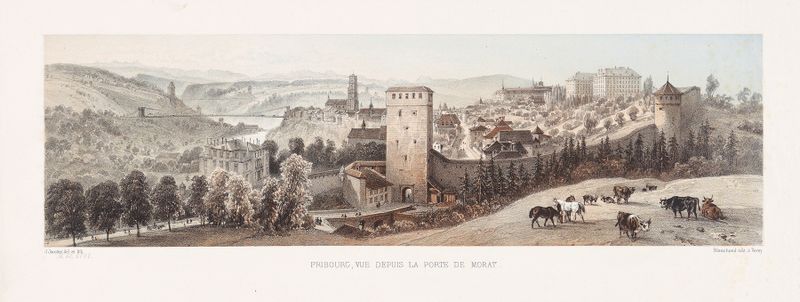
Fribourg, vue depuis la porte de Morat
Jean Jacottet
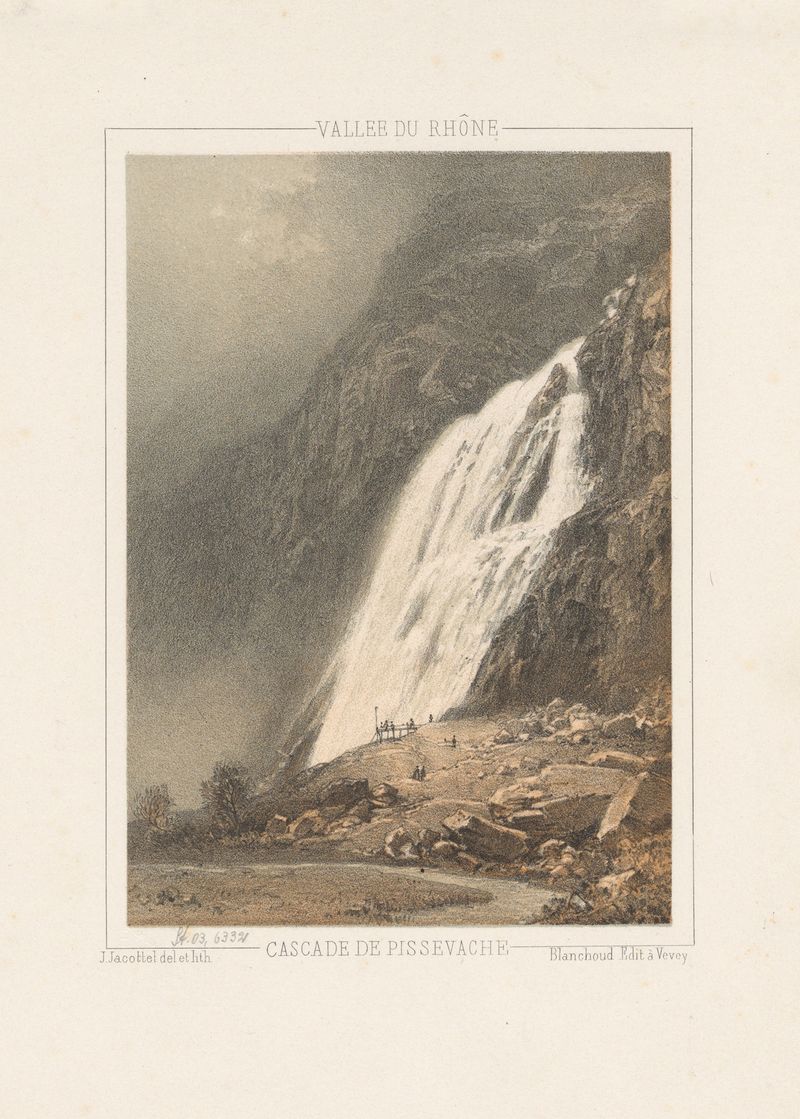
Cascade de Pissevache
Jean Jacottet
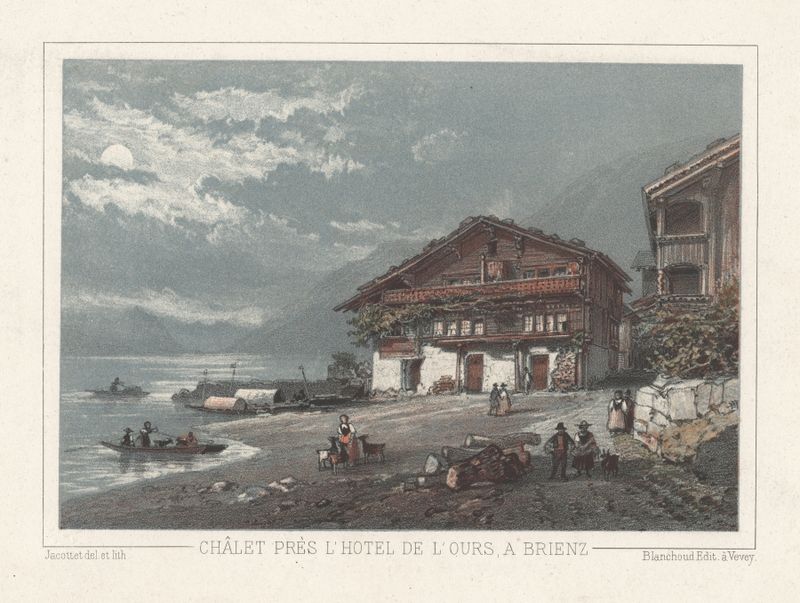
Châlet près l’Hotel de l’Ours, a Brienz
Jean Jacottet
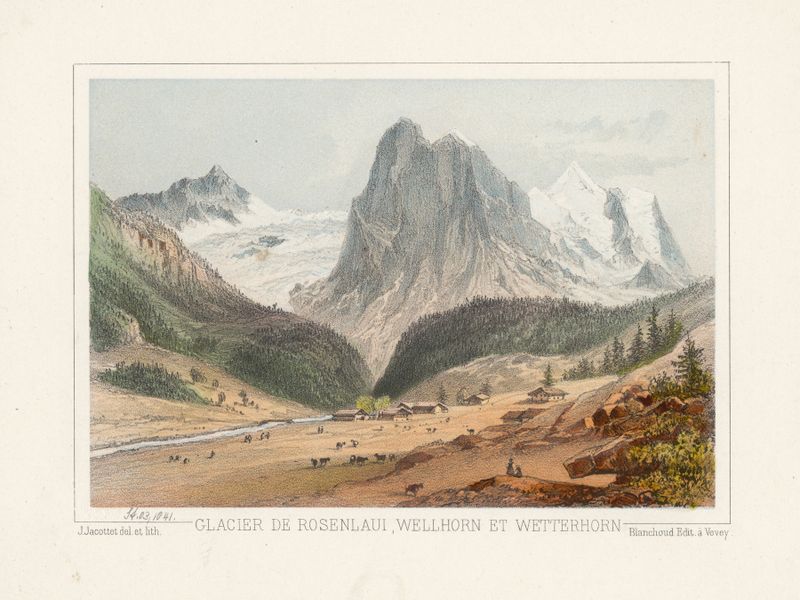
Glacier de Rosenlaui, Wellhorn et Wetterhorn
Jean Jacottet
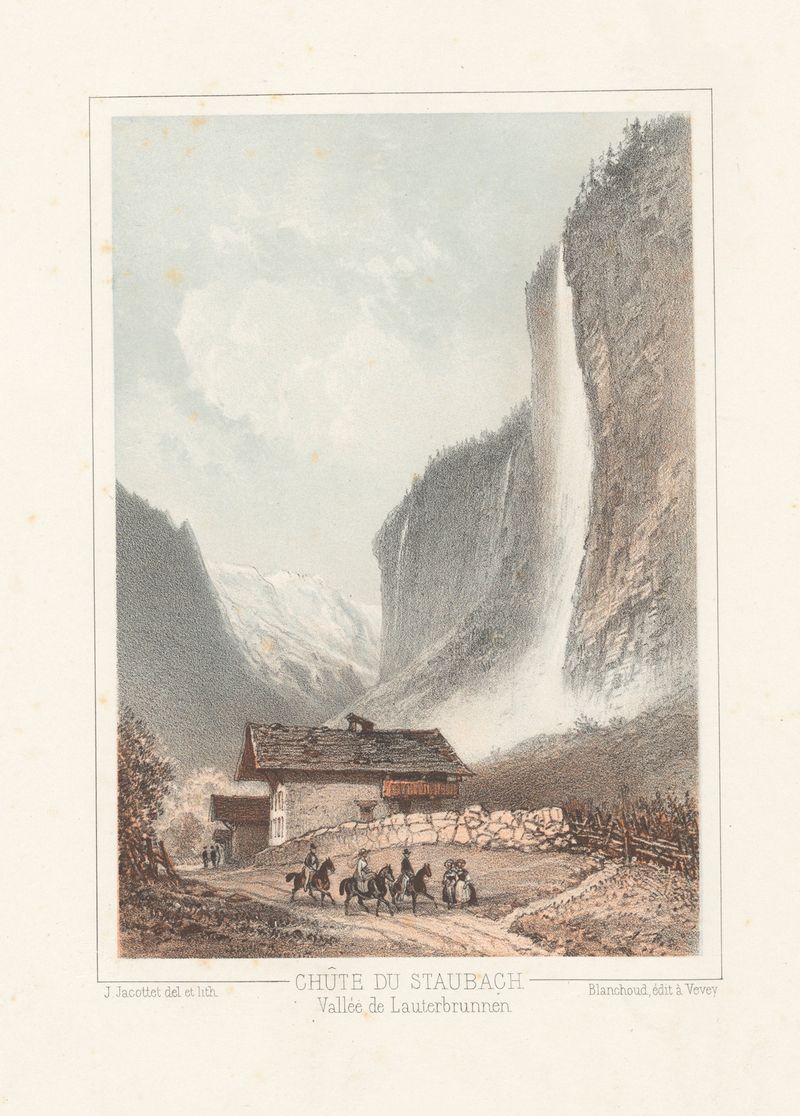
Chûte du Staubach Vallée de Lauterbrunnen
Jean Jacottet
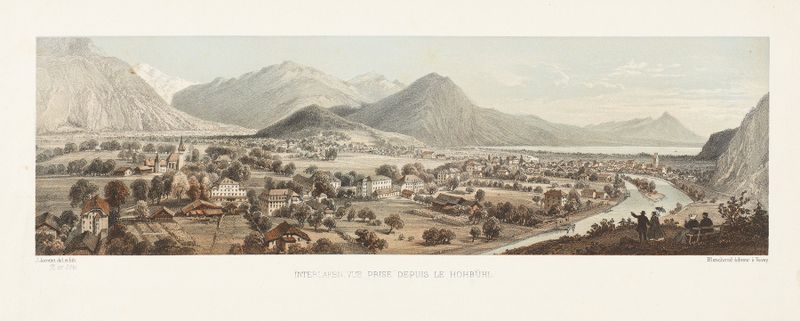
Interlaken, vue prise depuis le Hohbühl
Jean Jacottet
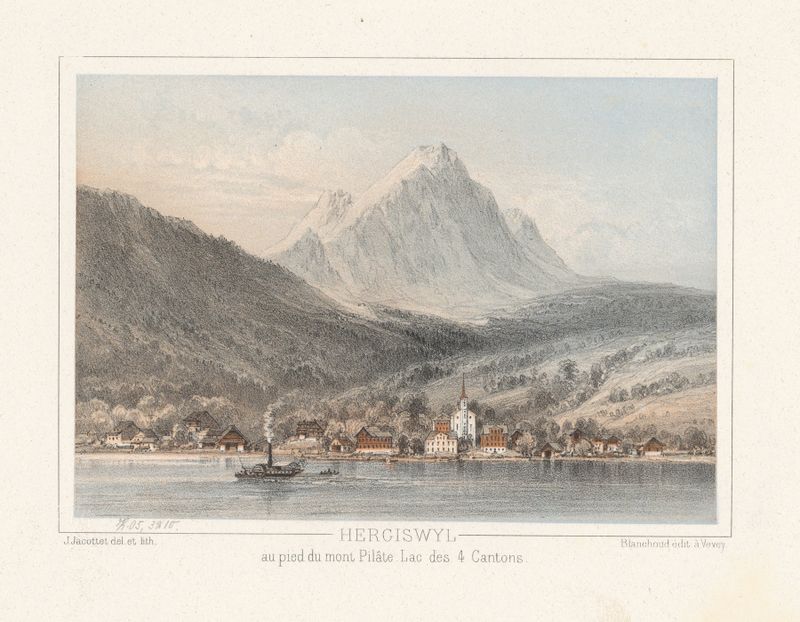
Hergiswyl au pied du mont Pilâte. Lac des 4 Cantons
Jean Jacottet





