
Schönbrunn — História e Análise
In the delicate strokes of this artwork, fragility emerges as both a theme and a technique, revealing a world shaped by the passage of time. Look closely at the foreground: the ornate details of the architectural elements beckon your gaze, drawing attention to an intricate interplay of light and shadow. Notice how the soft palette, with its subtle greens and warm browns, invites a sense of nostalgia while the architectural symmetry offers a balance that feels both inviting and haunting. The artist’s careful brushwork captures not only the physicality of the palace but also echoes a historical grace that feels deeply personal. The juxtaposition of grandeur and decay becomes apparent as you explore the corners of the canvas.
Elements seemingly untouched by time coexist with hints of wear, suggesting a silent dialogue between beauty and impermanence. Wisps of cloud suggest the transient nature of days gone by, while the carefully chosen details evoke a sense of yearning for a past that is both cherished and elusive. Created in 1840, this piece comes from an era of shifting cultural paradigms in Europe. The identity of the artist remains unknown, yet their work reflects the broader Romantic movement's preoccupation with memory, nature, and the fleeting aspects of existence.
In a time when industrial progress began to reshape landscapes, this painting serves as a poignant reminder of the fragility inherent in human achievements and natural beauty alike.
Mais obras de Unknown Artist
Ver tudo →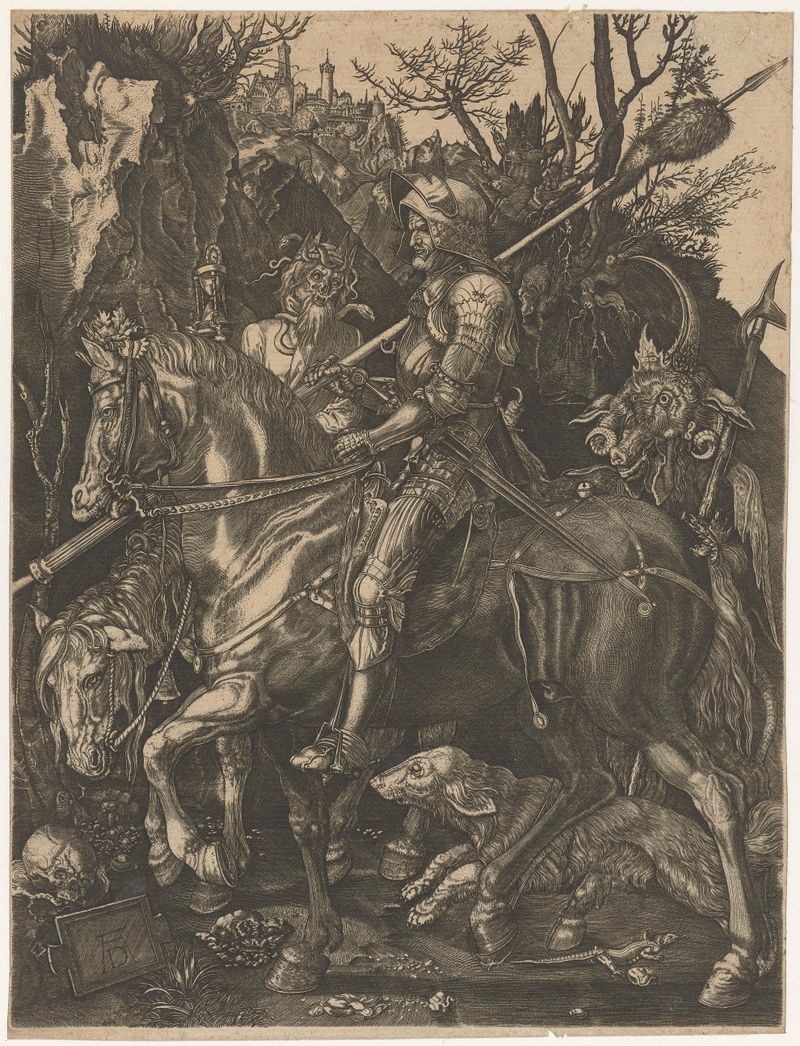
Ridder, Dood en Duivel
Unknown Artist
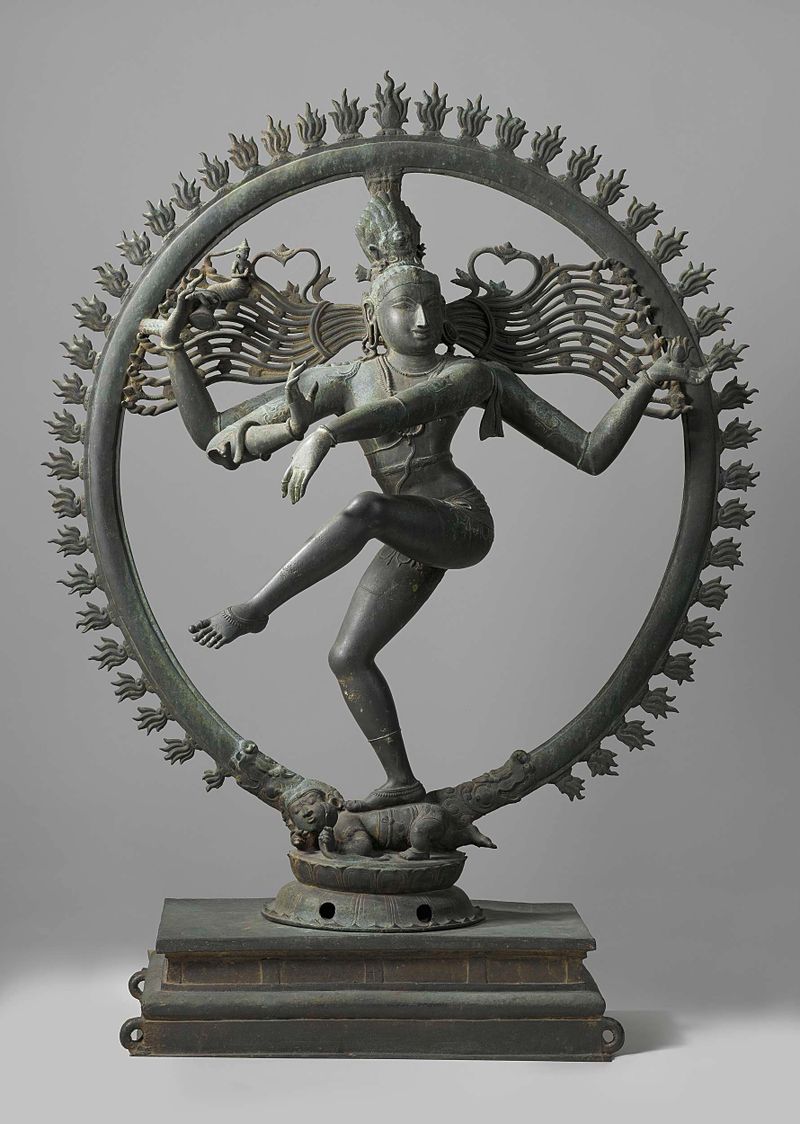
Shiva Nataraja
Unknown Artist
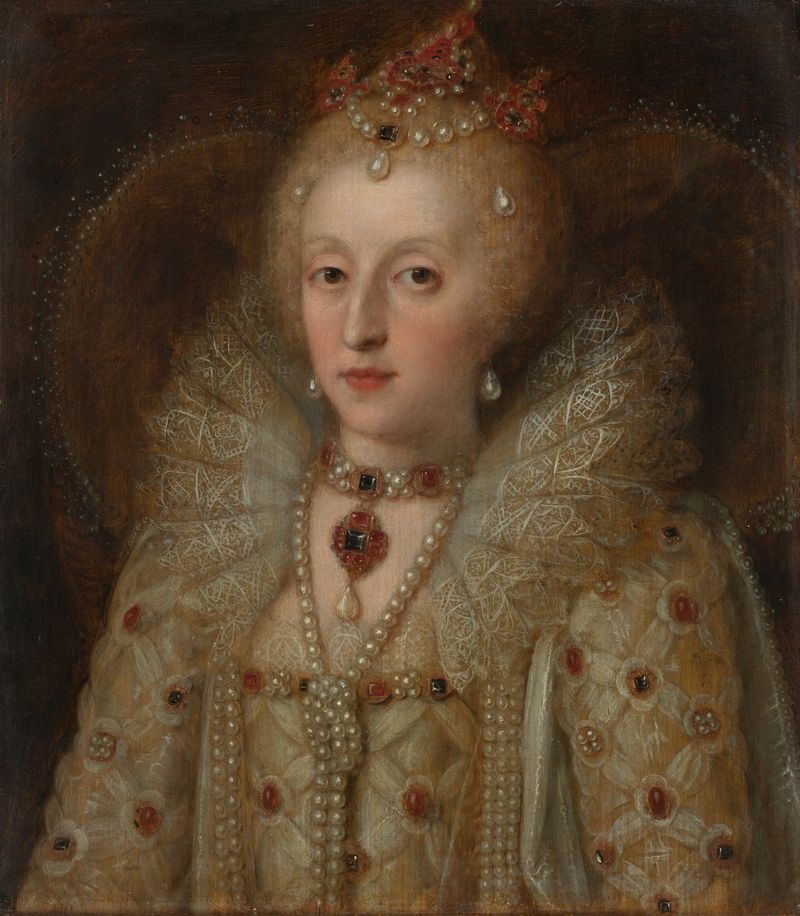
Portrait of Elizabeth I, Queen of England
Unknown Artist
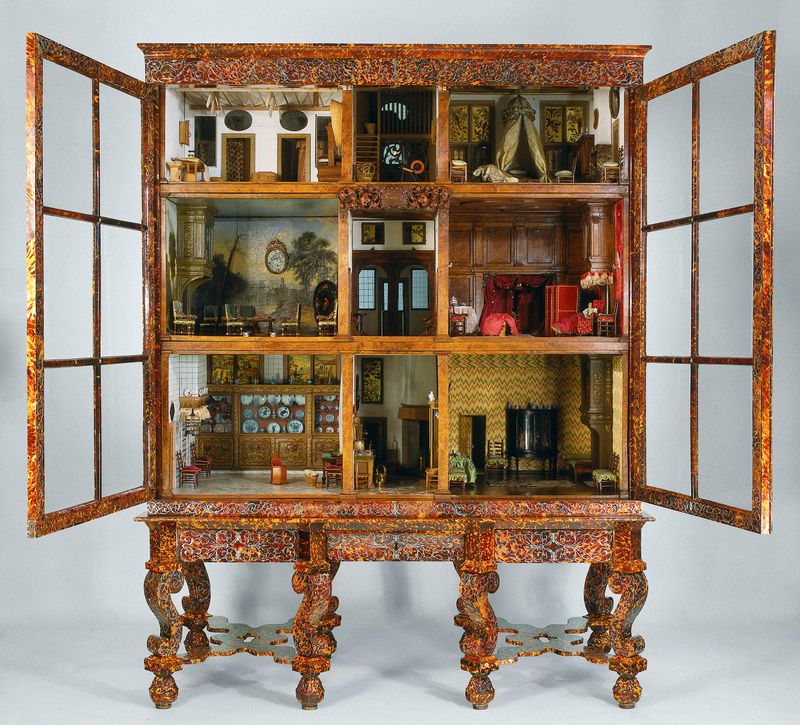
Dolls’ house of Petronella Oortman
Unknown Artist
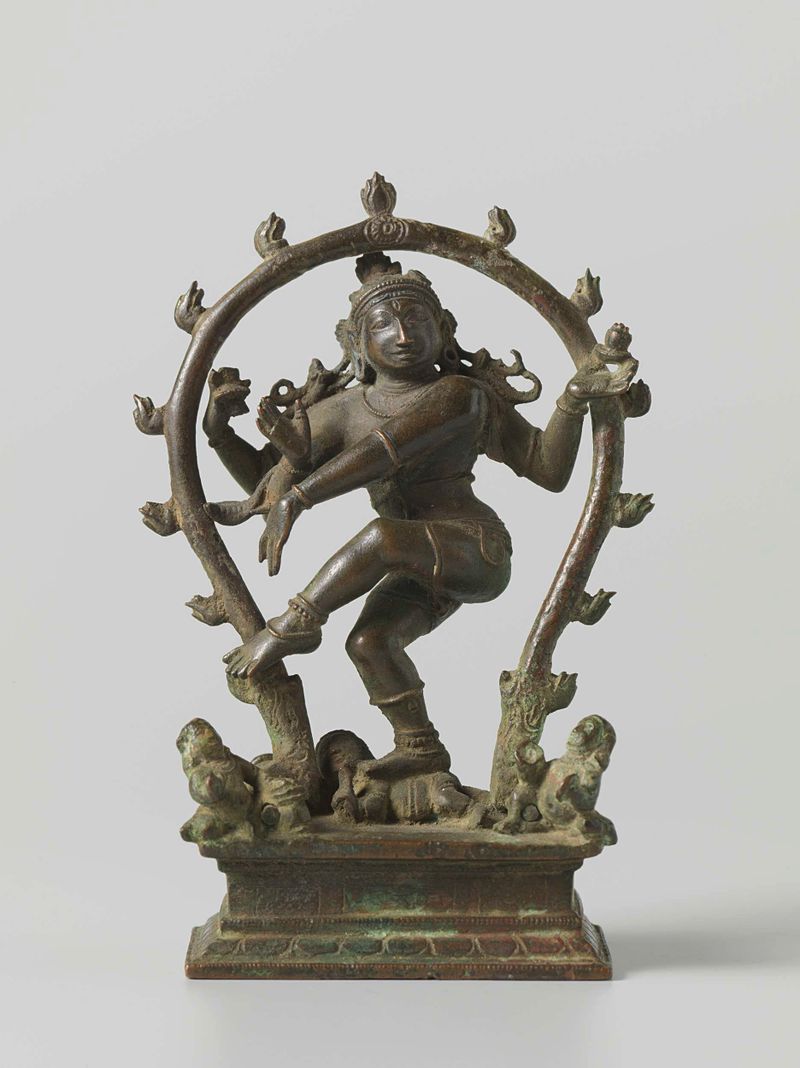
Shiva Nataraja
Unknown Artist

The Tale of Genji
Unknown Artist

The Tale of Genji
Unknown Artist
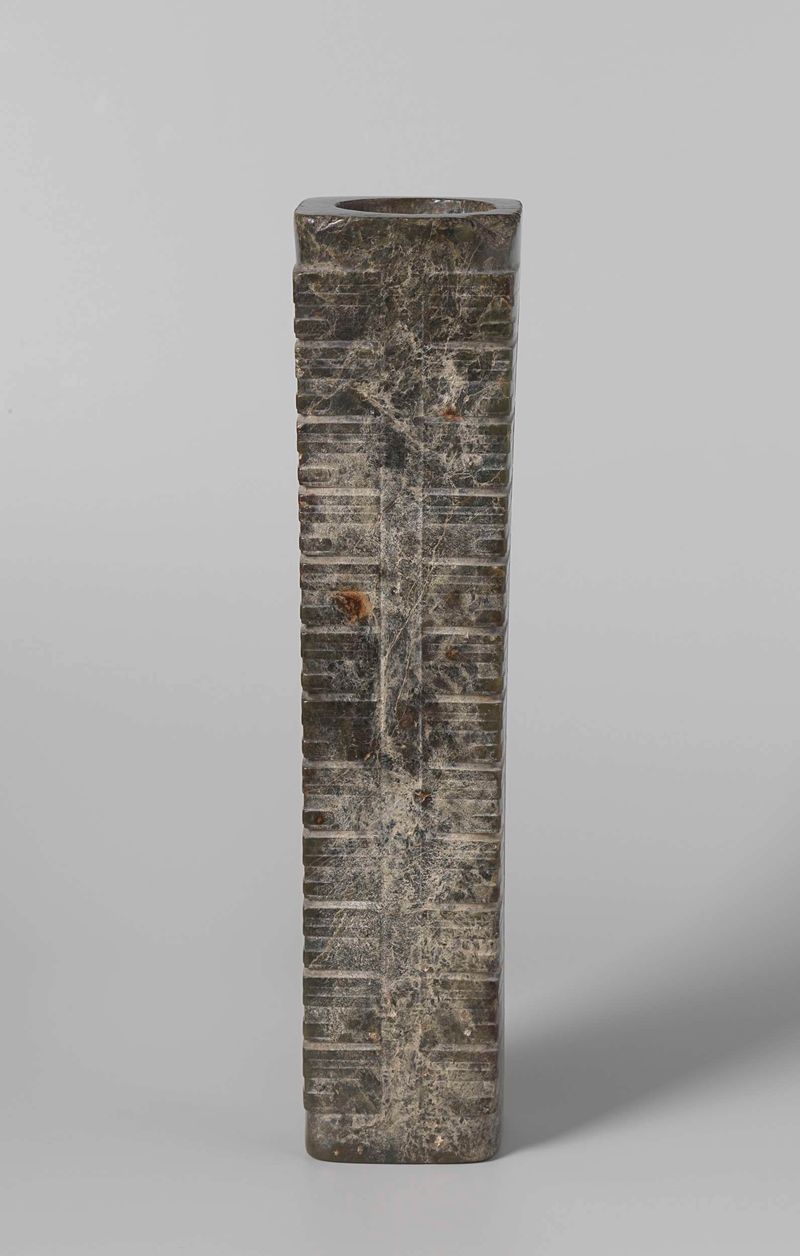
Cong
Unknown Artist
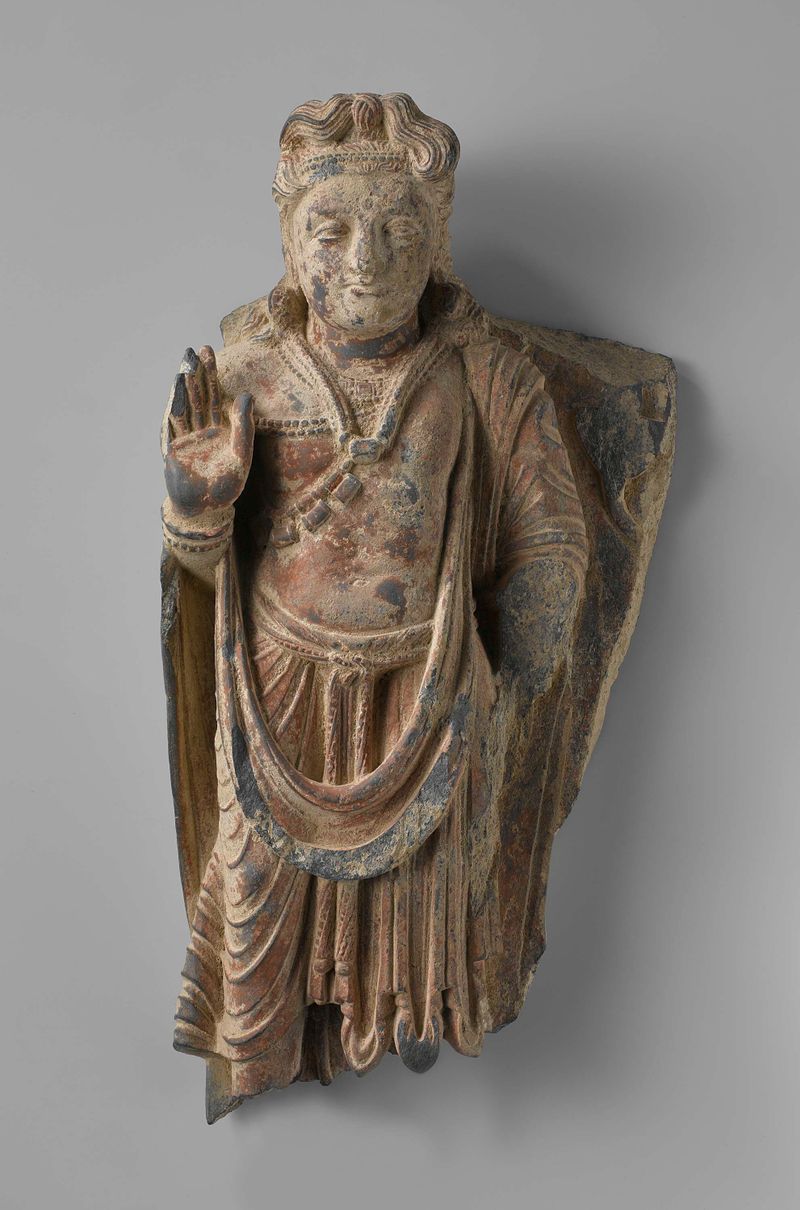
The bodhisattva Maitreya
Unknown Artist
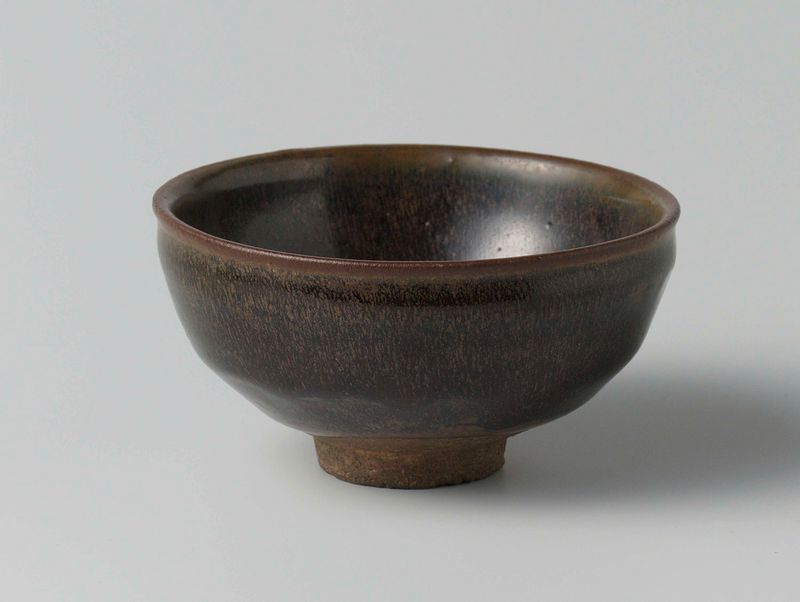
Teabowl with a 'hare's fur' glaze
Unknown Artist
Mais arte de Arquitetura
Ver tudo →
The statue of Liberty
Frédéric Auguste Bartholdi

View of Houses in Delft, Known as ‘The Little Street’
Johannes Vermeer

View of Houses in Delft, Known as ‘The Little Street’
Johannes Vermeer

The Cathedral in Rouen. The portal, Grey Weather
Claude Monet

The yellow house
Vincent van Gogh

The Church in Auvers-sur-Oise, View from the Chevet
Vincent van Gogh