
Ship Aground Brighton — História e Análise
Could beauty survive in a century of chaos? In Ship Aground Brighton, the tumultuous dance of movement captures the very essence of nature's fury and humanity's frailty. Look closely at the swirling waves that dominate the canvas, inviting your gaze to explore their wild, frothy crests and deep, menacing troughs. Notice how Turner uses vivid blues and whites to contrast against the more subdued earth tones of the stranded ship, creating an almost palpable tension. The light, diffused yet vibrant, seems to break through the turmoil, shedding illumination upon the figures struggling against the elements in the foreground.
It's as if the tumult itself is alive, urging the viewer to engage with the chaos rendered on canvas. Within this powerful scene lies an exploration of vulnerability amidst grandeur. The ship, grounded and helpless, serves as a metaphor for human ambition thwarted by nature's overwhelming force. The figures toiling nearby, their gestures a blend of desperation and resolve, reflect the eternal struggle against adversity.
Each brushstroke conveys not just movement but also the emotional resonance of a moment caught between despair and hope, highlighting the fragility of life against the backdrop of relentless nature. In 1830, Turner painted this work during a period of dramatic change in both art and society. The Industrial Revolution was rapidly transforming England, bringing about both progress and disruption. The artist, known for his innovative use of light and color, was exploring new techniques that would define the Romantic movement, capturing the sublime in an age where the forces of nature and human endeavor collided spectacularly.
Mais obras de Joseph Mallord William Turner
Ver tudo →
Dort or Dordrecht- The Dort Packet-Boat from Rotterdam Becalmed
Joseph Mallord William Turner
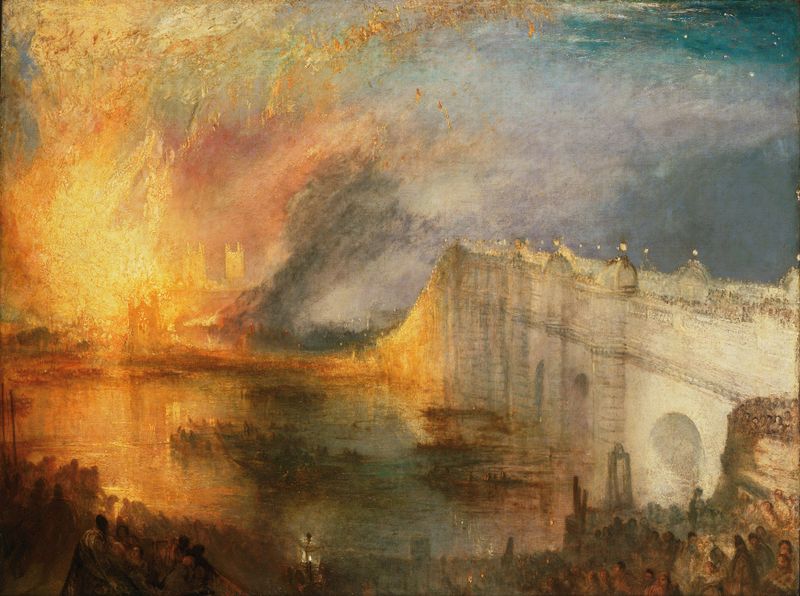
The Burning of the Houses of Lords and Commons, October 16, 1834
Joseph Mallord William Turner
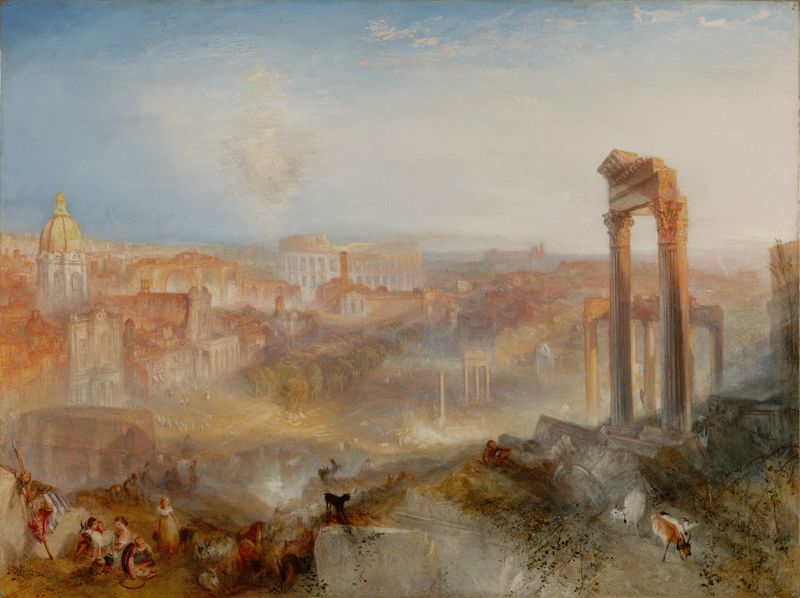
Modern Rome – Campo Vaccino
Joseph Mallord William Turner
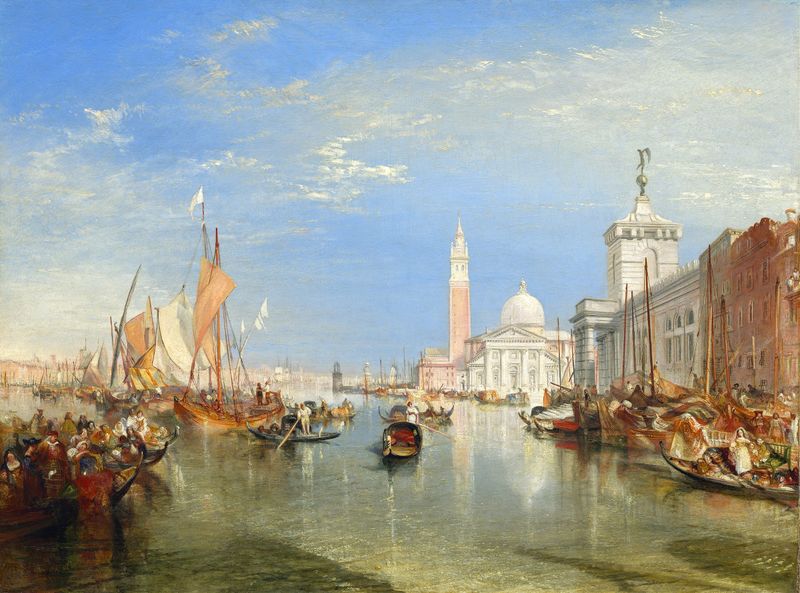
Venice – The Dogana and San Giorgio Maggiore
Joseph Mallord William Turner

The Burning of the Houses of Lords and Commons, 16 October 1834
Joseph Mallord William Turner
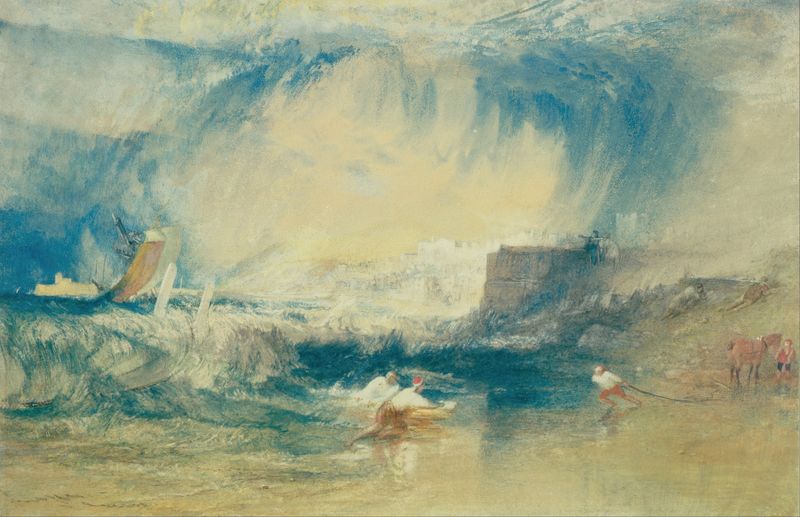
Lyme Regis, Dorsetshire, England
Joseph Mallord William Turner
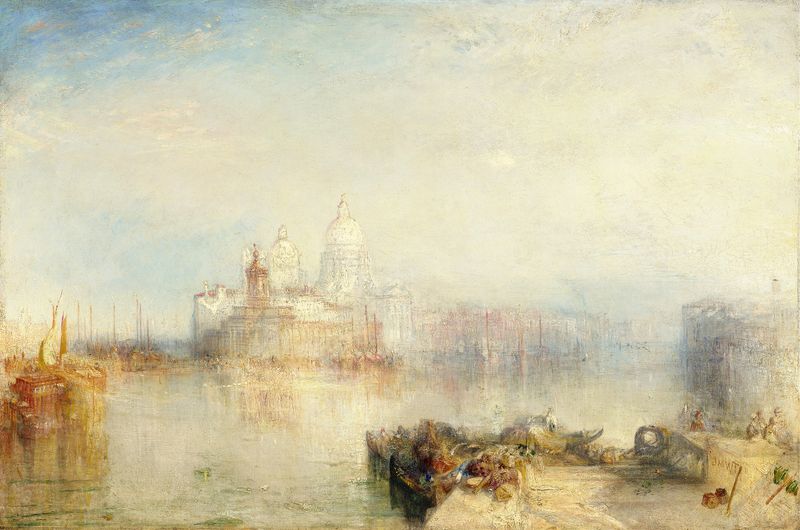
The Dogana and Santa Maria della Salute, Venice
Joseph Mallord William Turner
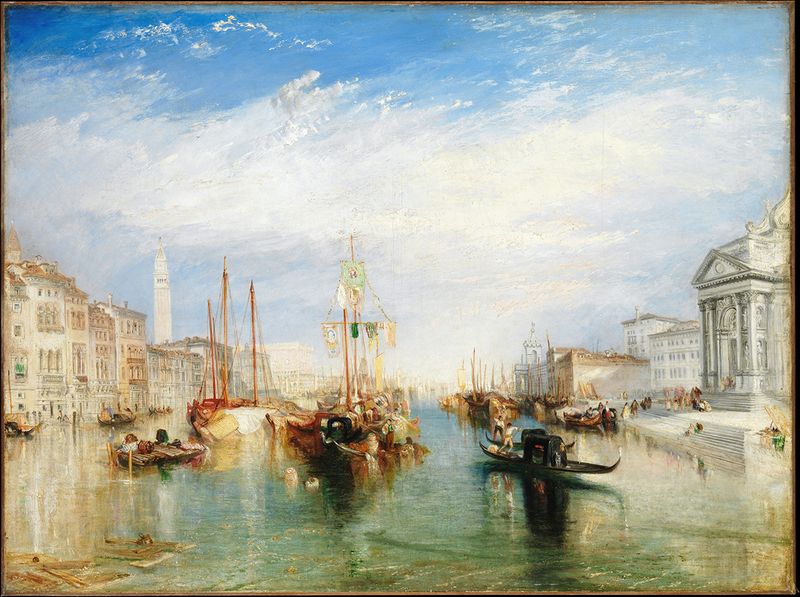
Venice, from the Porch of Madonna della Salute
Joseph Mallord William Turner
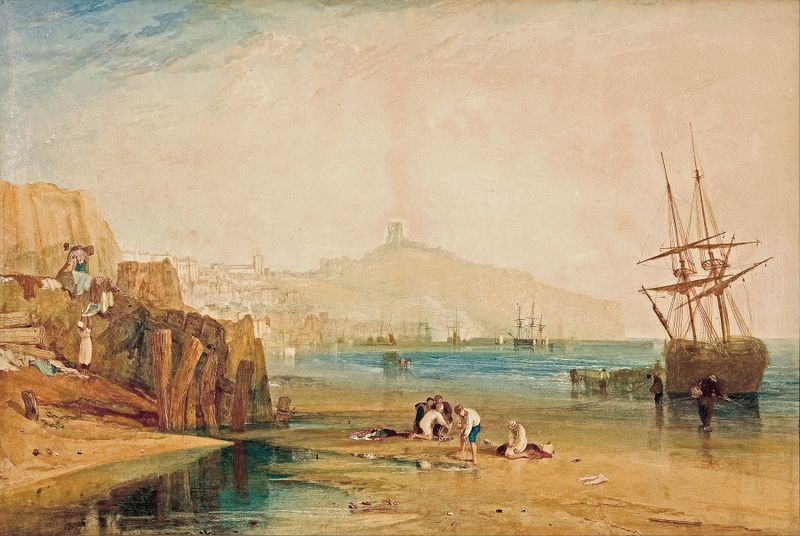
Scarborough town and castle; morning; boys catching crabs
Joseph Mallord William Turner
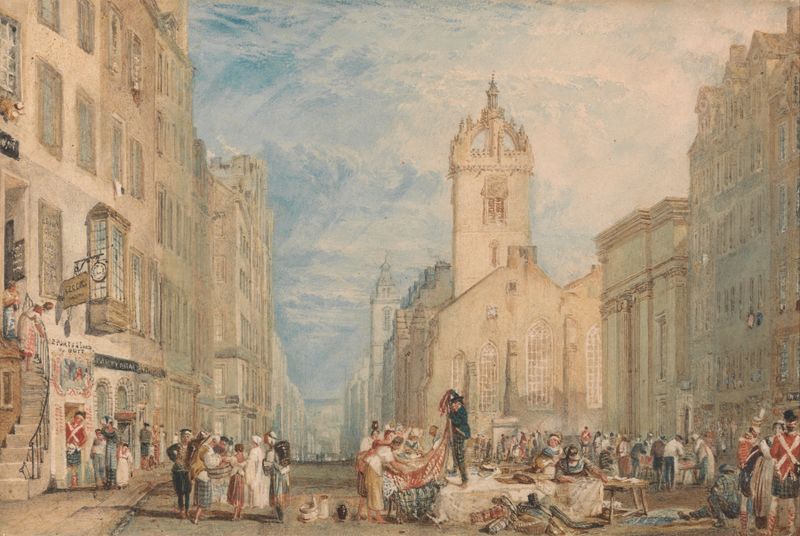
High Street, Edinburgh
Joseph Mallord William Turner




