
Snow Field, Morning, Roxbury — História e Análise
In the quiet of dawn, light transforms the world, turning the ordinary into the extraordinary. Focus on the luminous white of the snow that spreads across the canvas like an untouched silence. On the left, the delicate shift from white to pale blue draws the eye toward the gentle undulation of a distant hill, while the horizon bleeds into soft hues of peach and lavender. Notice how the brushstrokes curl and flow, creating a sense of movement that breathes life into the stillness of the morning. Beneath the surface of this tranquil scene lies a deeper commentary on the fleeting nature of beauty and time.
The interplay between the light and shadow evokes a quiet nostalgia, hinting at both the serenity and the isolation of winter landscapes. The soft gradient of colors captures the moment just before day breaks fully, a reminder that each day holds the promise of renewal, yet also the inevitability of change. John La Farge painted Snow Field, Morning in 1864 during a period marked by personal transformation and broader artistic innovation in America. He was immersed in the exploration of color and light, influenced by the evolving techniques of the Impressionists, and was becoming known for his pioneering work in stained glass.
This painting reflects his search for a new visual language that encapsulated both beauty and emotional resonance in the American landscape.
Mais obras de John La Farge
Ver tudo →
Red Pagoda, Nikko
John La Farge
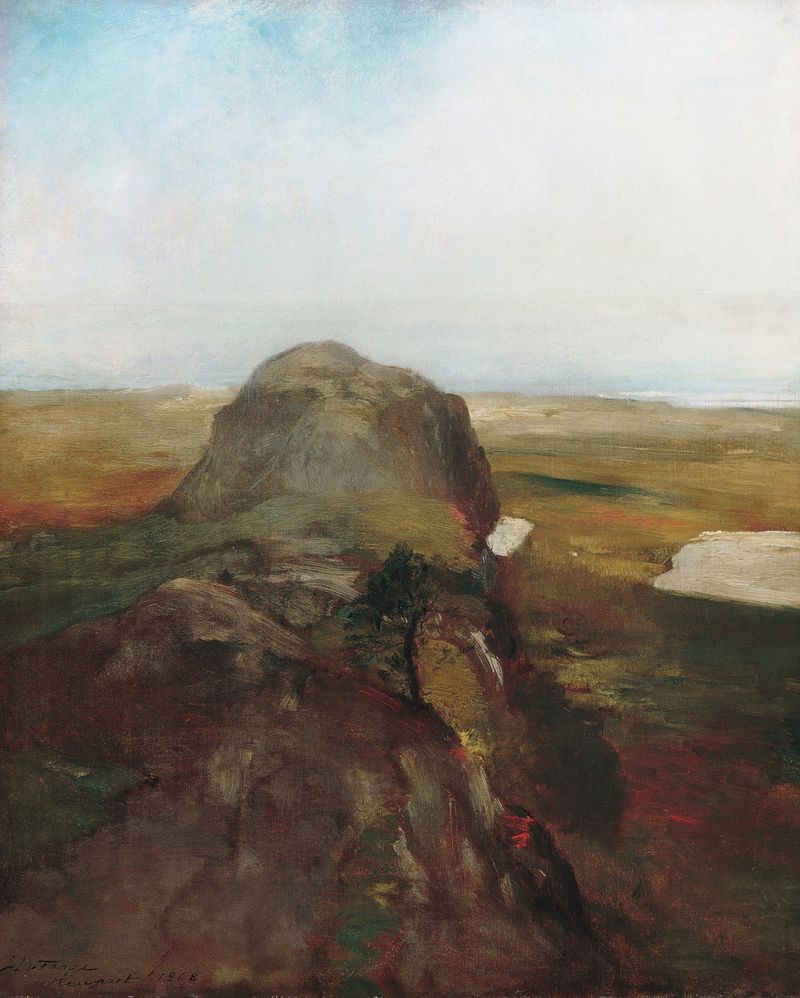
Autumn Study, View over Hanging Rock, Newport, R.I.
John La Farge
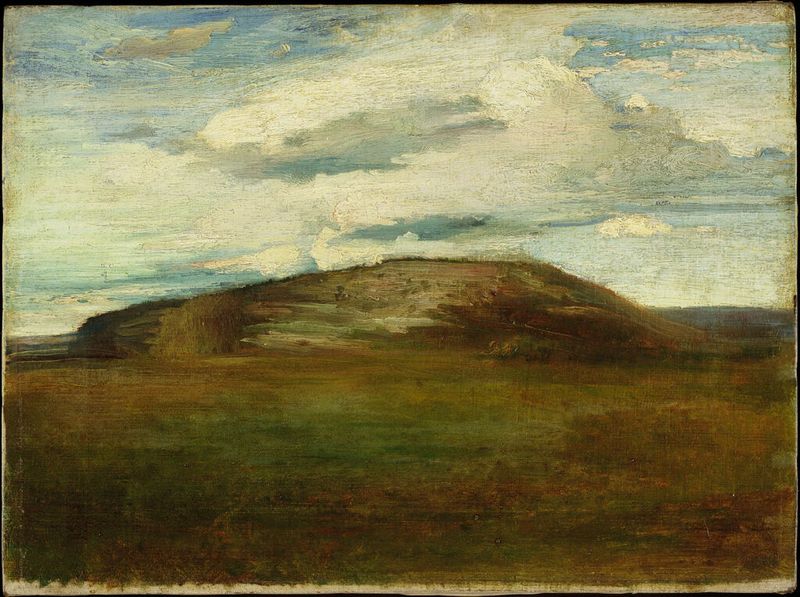
Autumn: Mid-Day, Looking North, Table-Rock Hill, Peekskill, New York
John La Farge
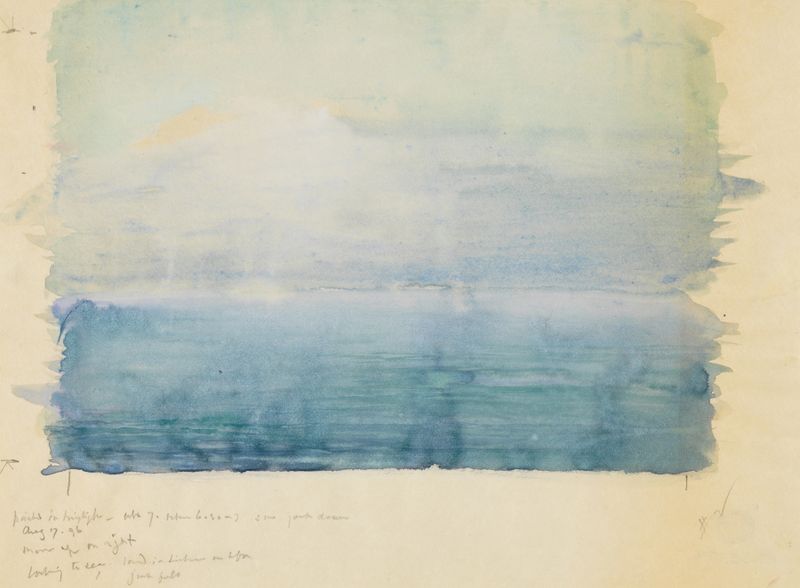
Bar Harbor, Twilight
John La Farge
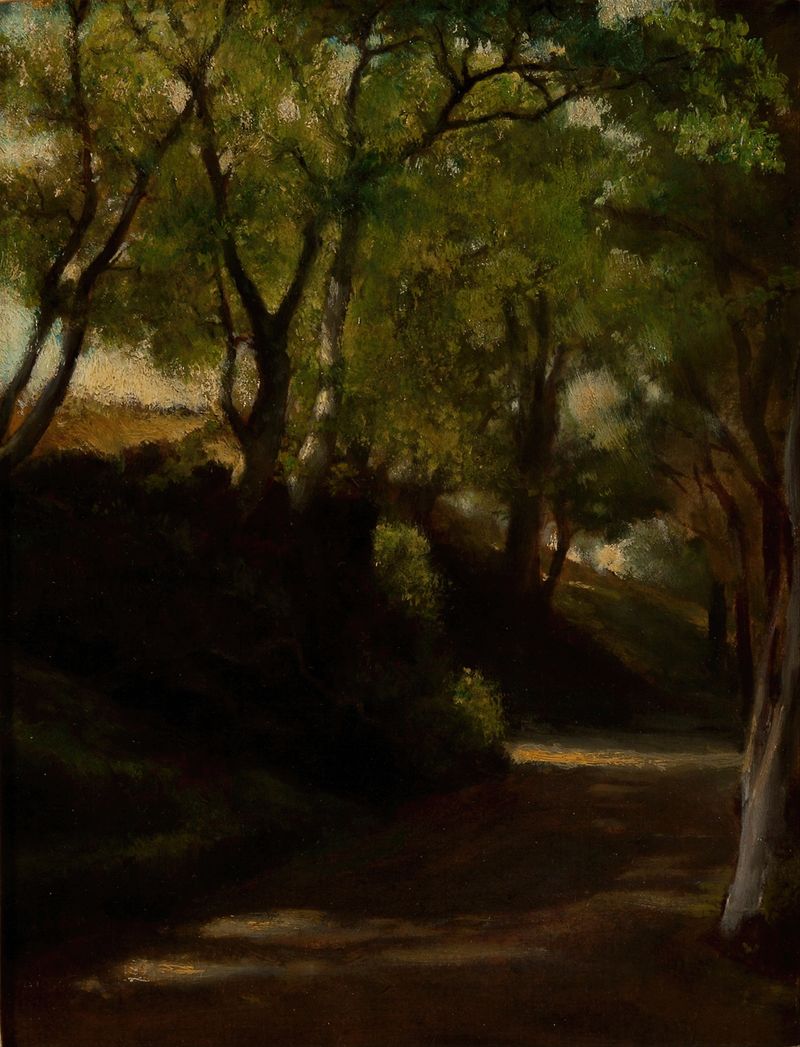
In ‘The Glen,’ Portsmouth, Rhode Island
John La Farge

The Island of Moorea Looking across the Strait from Tahiti, January 1891
John La Farge
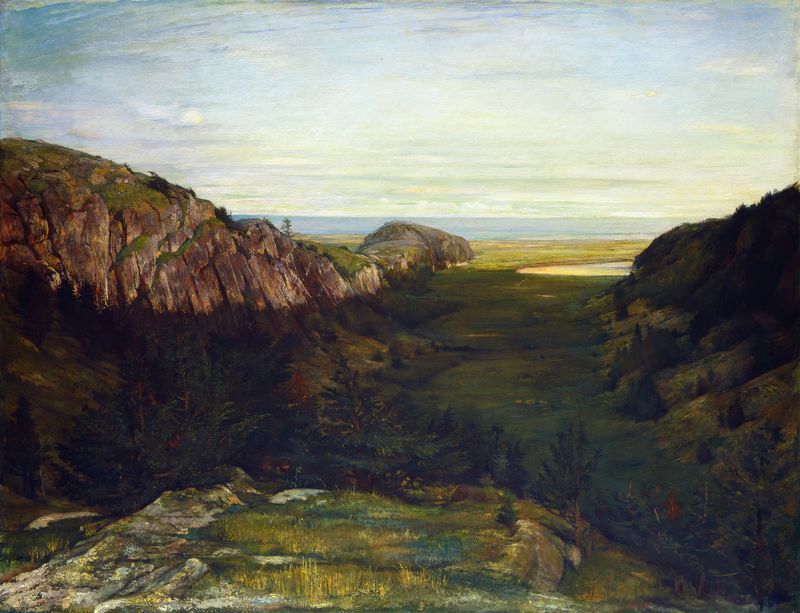
The Last Valley – Paradise Rocks
John La Farge
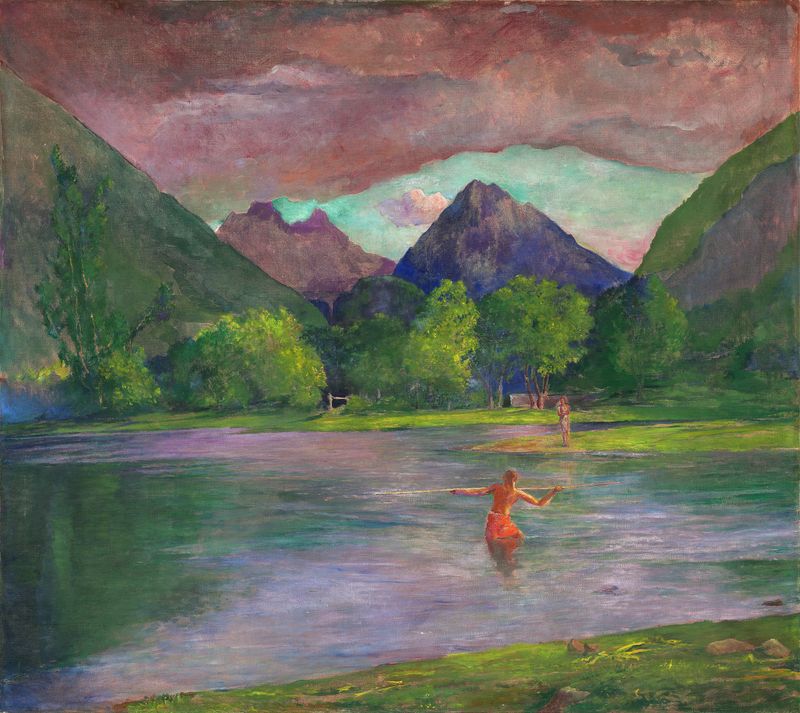
The Entrance to the Tautira River,Tahiti. Fisherman Spearing a Fish
John La Farge
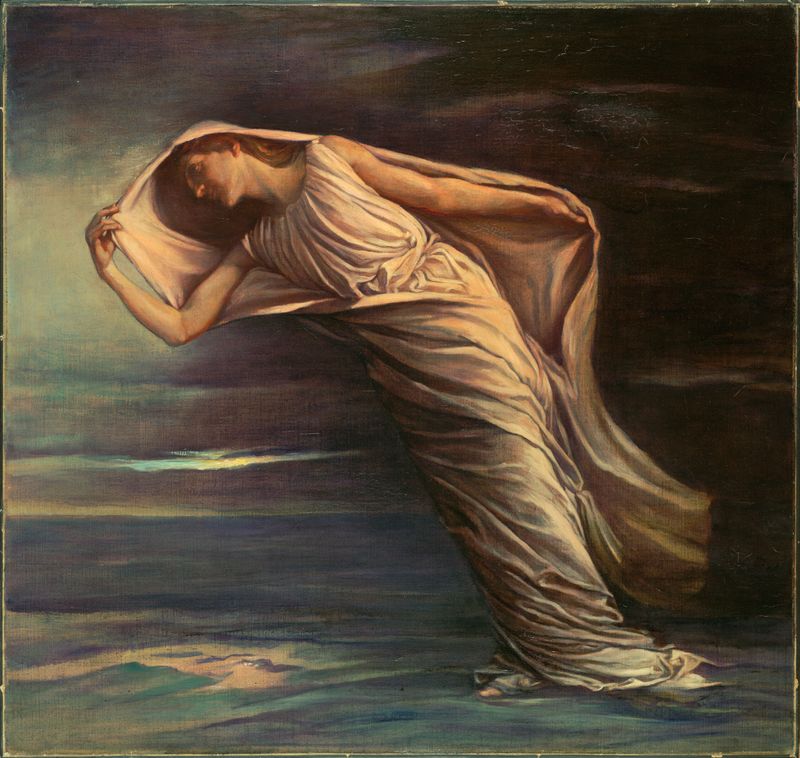
The Dawn
John La Farge

Old Boathouse Beach, Newport
John La Farge





