
Sous-bois — História e Análise
Could a single brushstroke hold eternity? In the quiet depths of a forest, where sunlight dances through the canopy, truth reveals itself in layers of green and brown. Look to the left of the canvas, where the intricate detailing of foliage invites your eyes to wander. Notice how the dappled light breaks through the leaves, illuminating patches of the forest floor. The subtle blending of earthy tones creates a sense of depth and texture, allowing the viewer to feel the cool, still air of the underbrush.
Each stroke, deliberate yet fluid, captures a moment of nature's embrace, inviting reflection rather than action. Rousseau’s work embodies the tension between the ephemeral and the eternal. The interplay of light and shadow not only highlights the beauty of the landscape but also evokes a profound sense of melancholy, as if the scene holds secrets of time passed. The thick trunks, resilient yet weary, stand in stoic silence, echoing the endurance of nature against the relentless march of time.
In this serene woodland, one can sense the pulse of life mingling with the inevitability of decay. Created in the mid-19th century, Sous-bois reflects Rousseau's deep connection to the natural world during an era of growing industrialization. Working predominantly in the Barbizon School, he sought to portray landscapes that spoke to the truth of the human experience, contrasting with the rapid changes in society. This painting represents not only his mastery of capturing light and form but also a poignant reminder of what is often overlooked in the rush of modern life.
Mais obras de Théodore Rousseau
Ver tudo →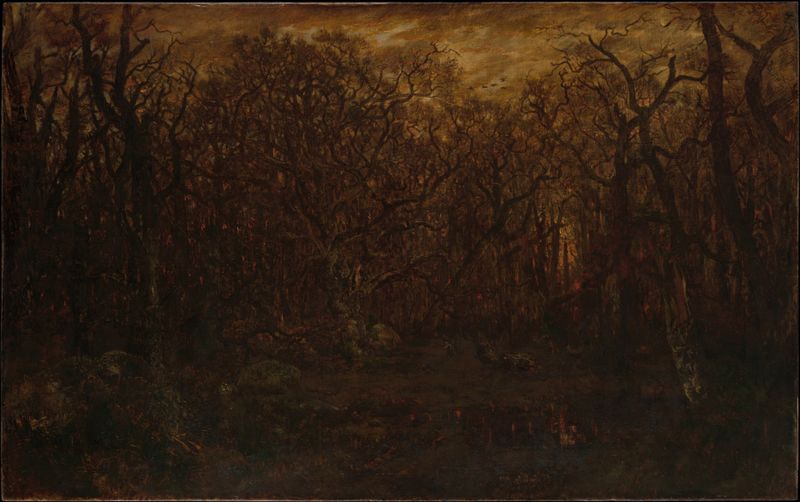
The Forest in Winter at Sunset
Théodore Rousseau
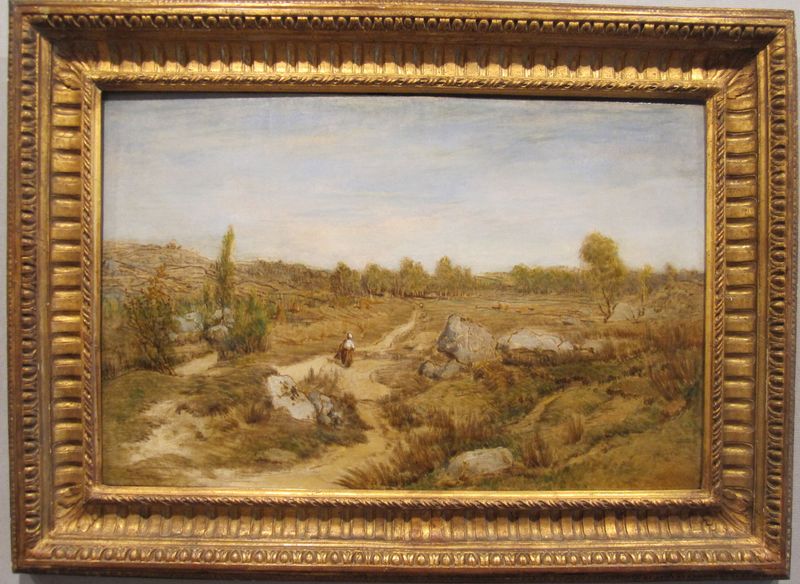
Valley of the Rouars in the Gorges d’Apremont
Théodore Rousseau
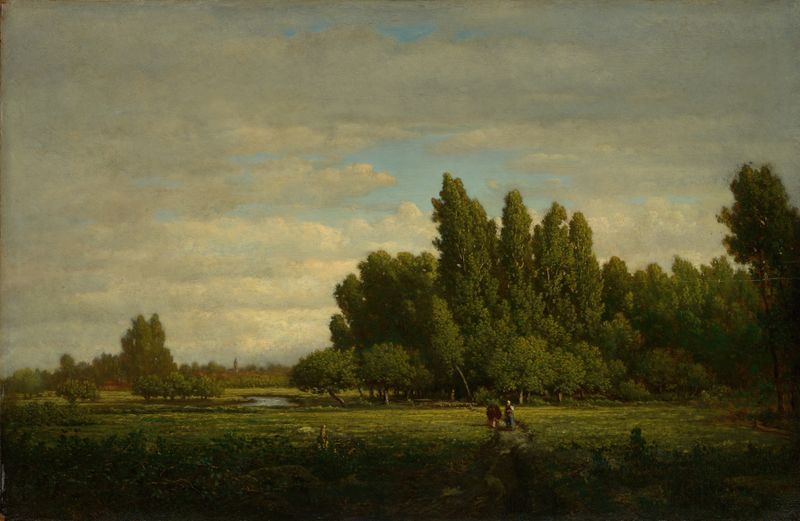
A Meadow Bordered by Trees
Théodore Rousseau
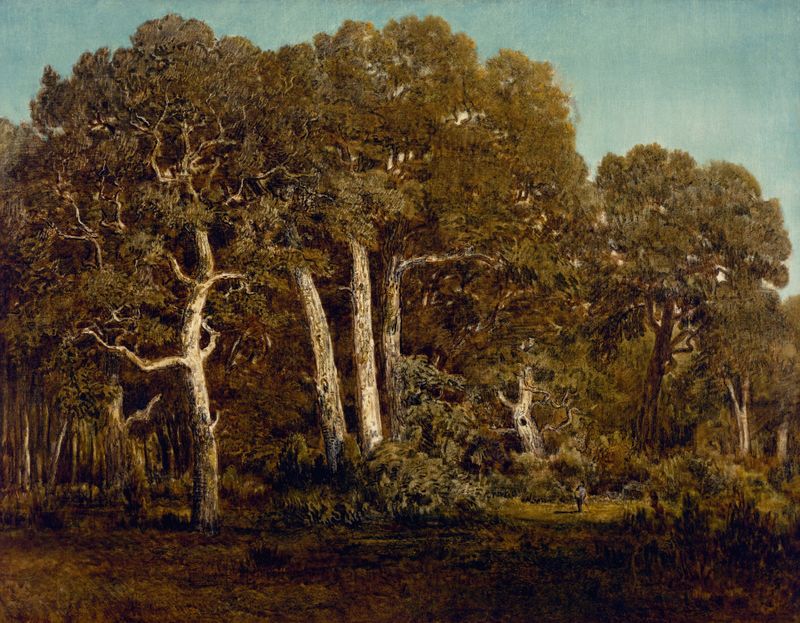
The Great Oaks of Old Bas-Bréau
Théodore Rousseau
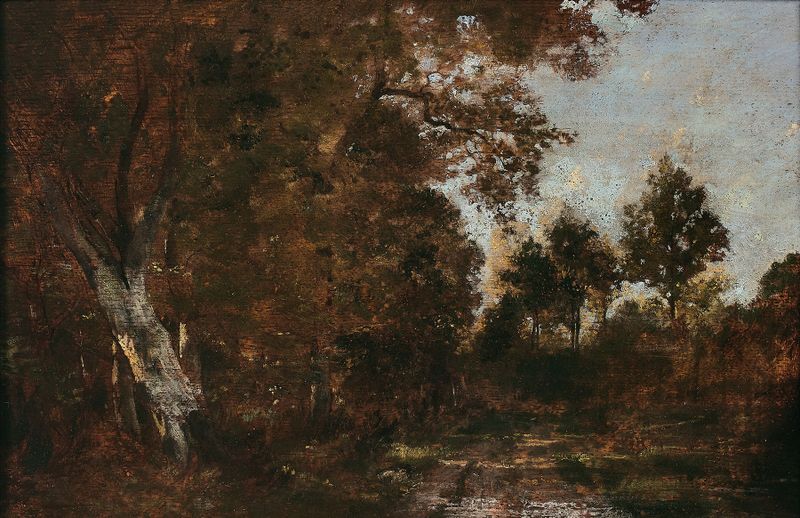
Paysage de sous-bois
Théodore Rousseau
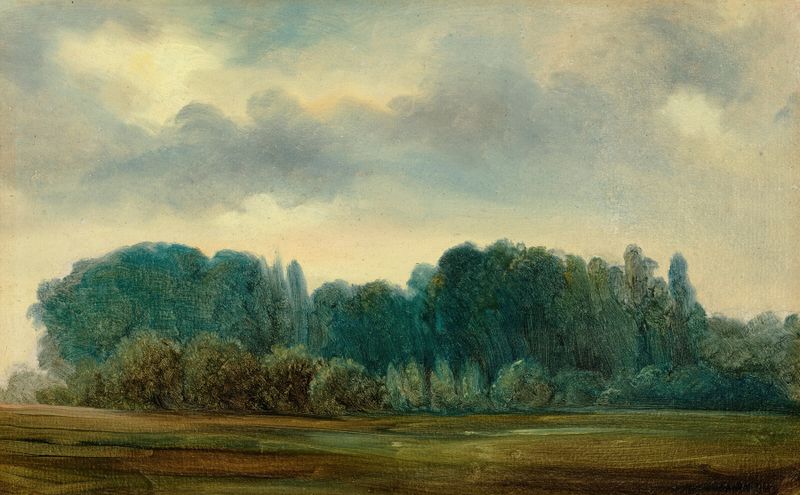
Paysage
Théodore Rousseau
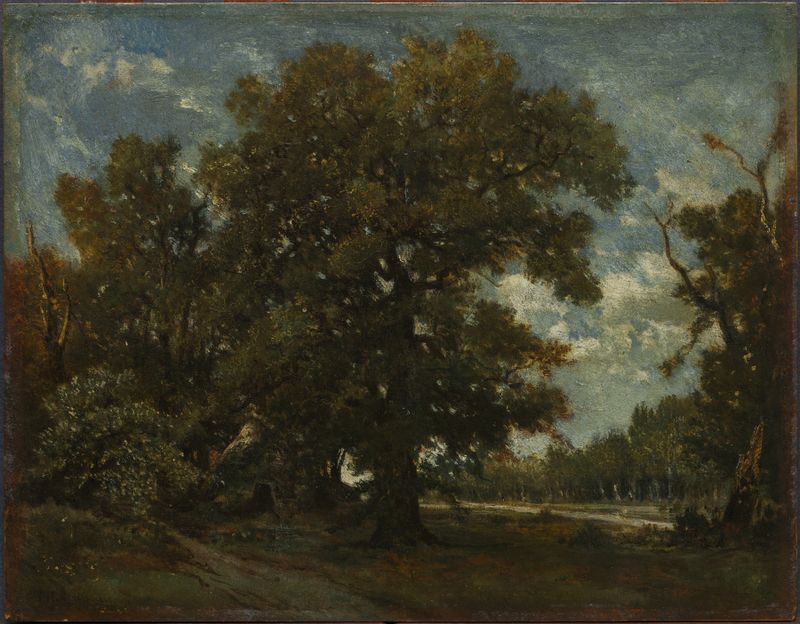
The Oak Tree
Théodore Rousseau
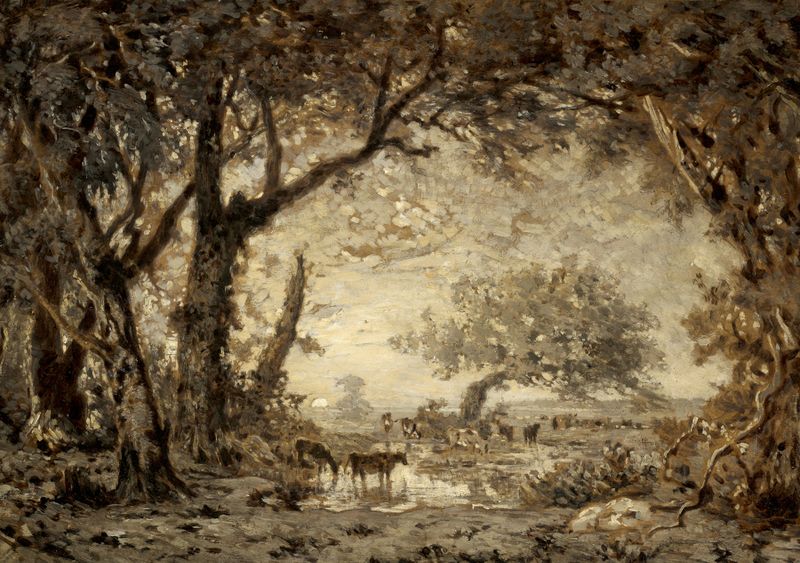
Sunset from the Forest of Fontainebleau
Théodore Rousseau
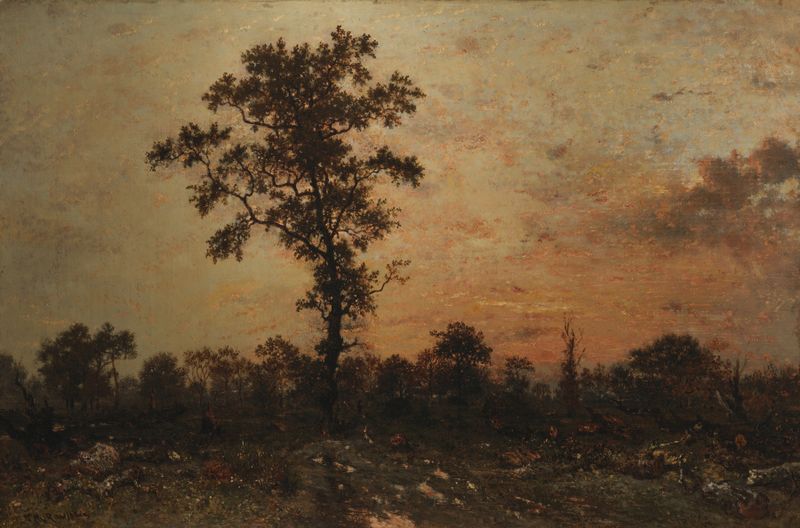
Edge of the Forest, Sun Setting
Théodore Rousseau
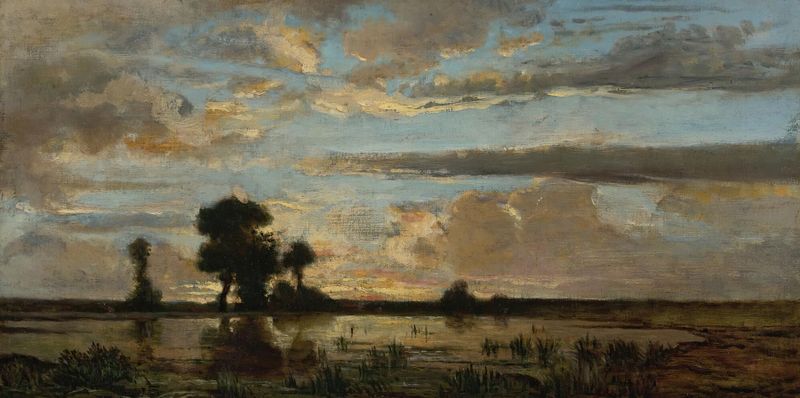
Soleil Couchant
Théodore Rousseau





