Spijskaart voor Charles Vos — História e Análise
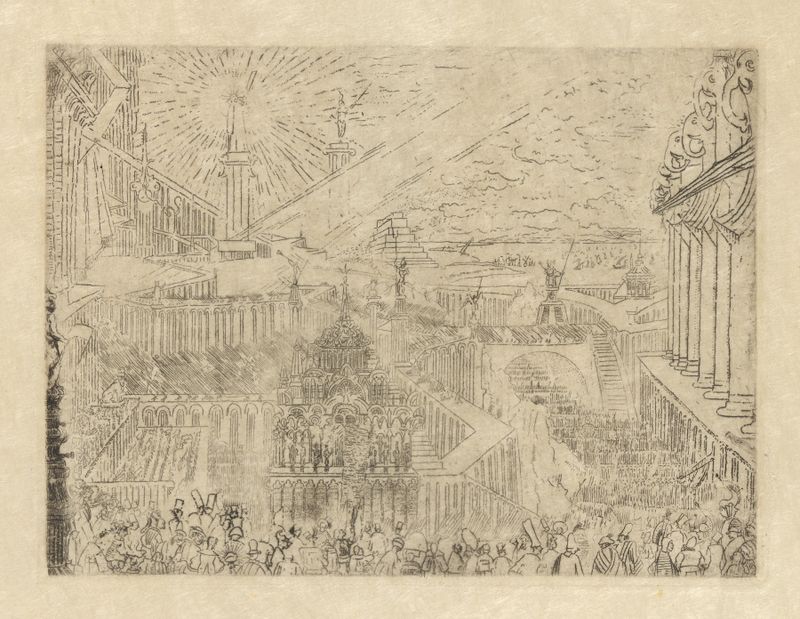
In a world awash with noise, beauty waits patiently to be discovered, often in the most unexpected places. Look to the center of the canvas, where an elegantly designed menu unfurls, adorned with vibrant hues and whimsical illustrations. Notice how the artist employs bold outlines and a playful palette, contrasting with the more muted tones surrounding it. The intricate details invite the viewer’s eye to dance across the page, celebrating the fusion of culinary delight and artistic expression that blurs the lines between nourishment and aesthetic pleasure. Yet, beneath the surface, a deeper commentary emerges.
The juxtaposition of frivolous imagery with the solemnity of the menu’s purpose hints at the transient nature of beauty. A subtle tension lies in the contrast between the joyful colors and the underlying seriousness of consumption and choice, prompting reflections on indulgence and the passage of time. The playful elements convey a sense of celebration, while the menu itself serves as a reminder of mortality and the impermanence of life’s pleasures. Created in 1896, this work reflects Ensor's exploration of visual and thematic innovation during a time of personal and artistic transformation.
Living in Belgium, he was part of a burgeoning movement that sought to challenge conventional aesthetics, fusing satire and beauty in ways that would resonate throughout the art world. It was a moment of introspection for the artist, as he navigated the complexities of his identity and the evolving landscape of European art.
Mais obras de James Ensor
Ver tudo →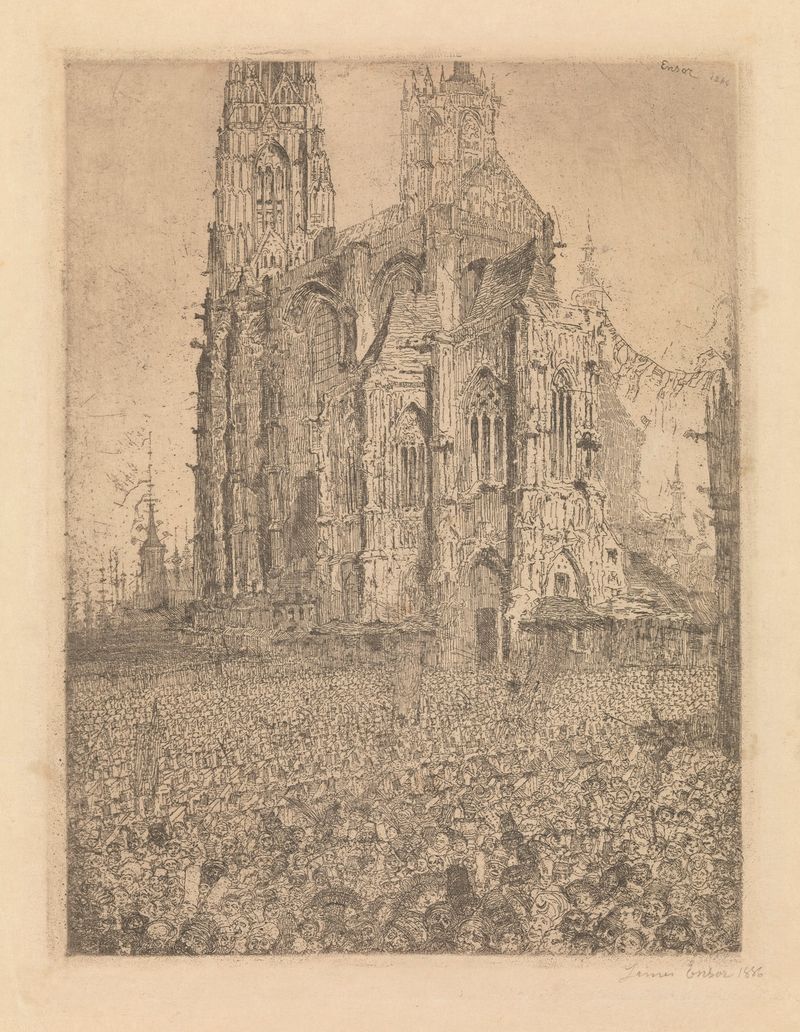
The Cathedral
James Ensor
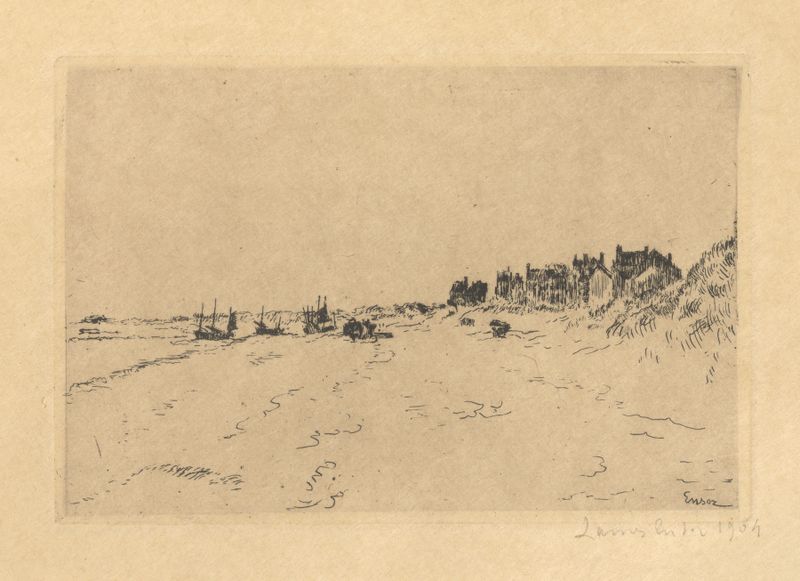
Het strand van De Panne
James Ensor
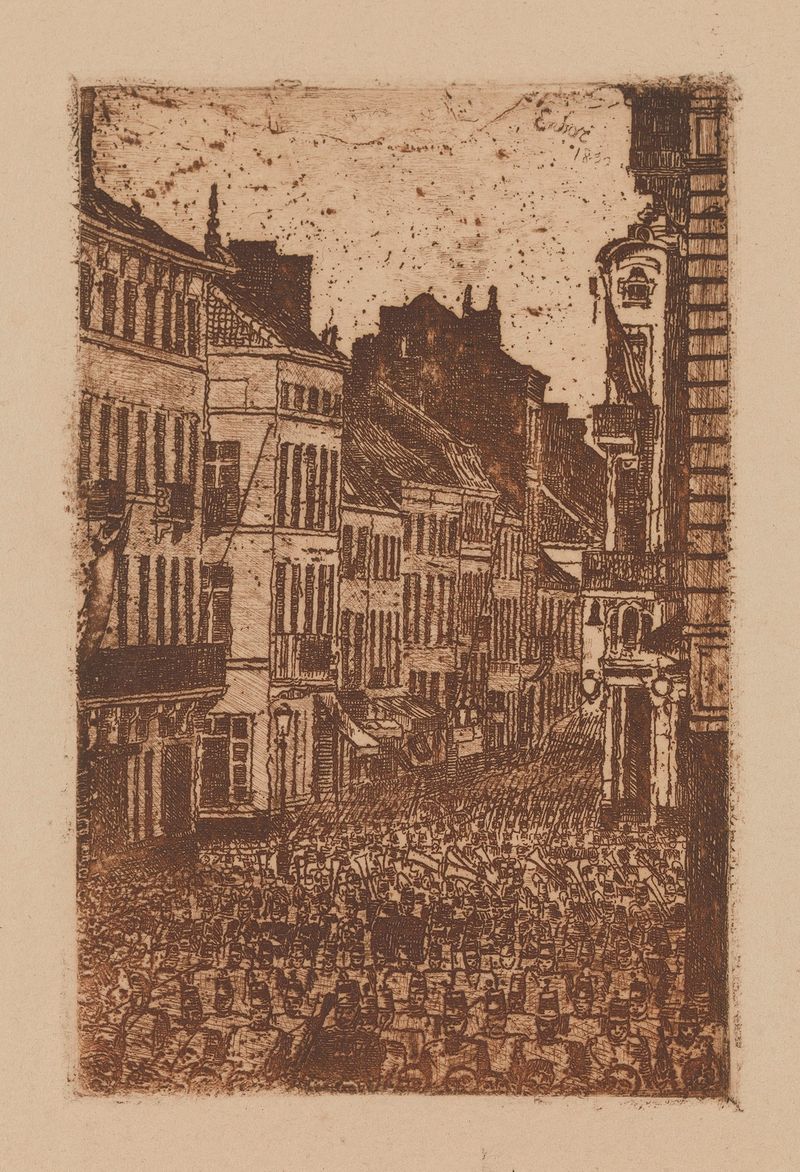
The Music in the rue de Flandre, Ostend
James Ensor
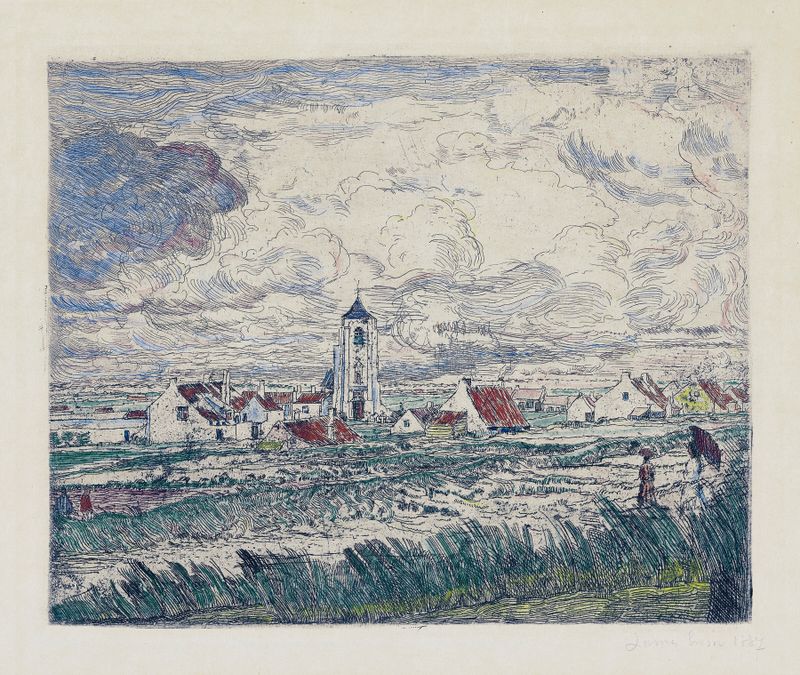
Grande vue de Mariakerke
James Ensor
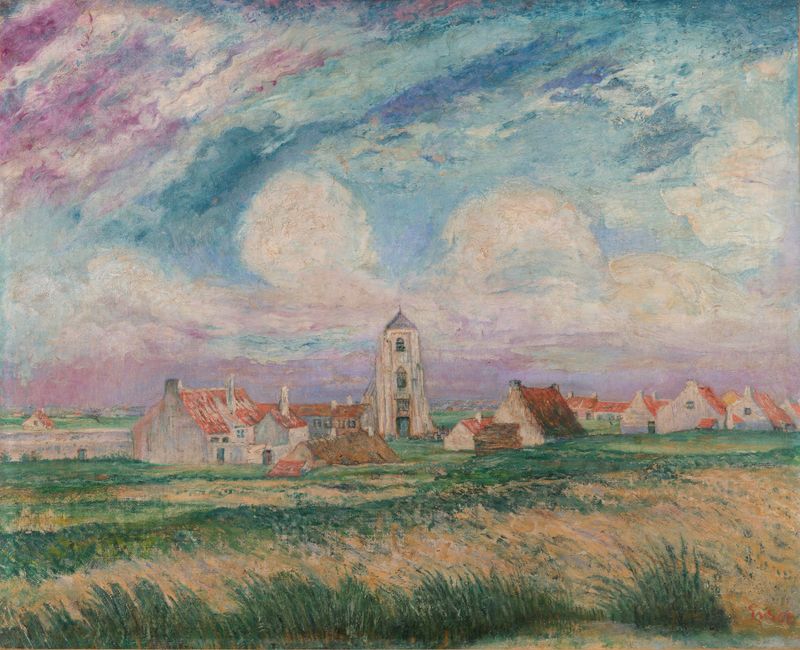
View of Mariakerke
James Ensor
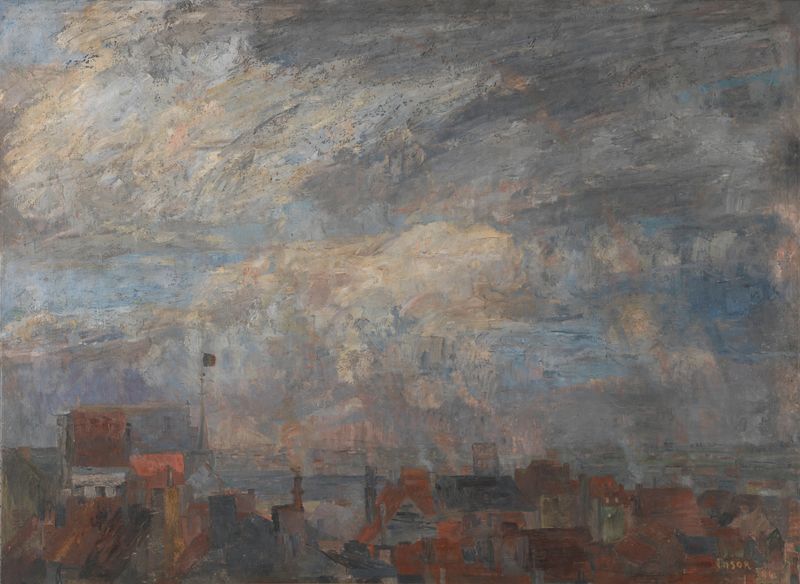
The Rooftops of Ostend
James Ensor
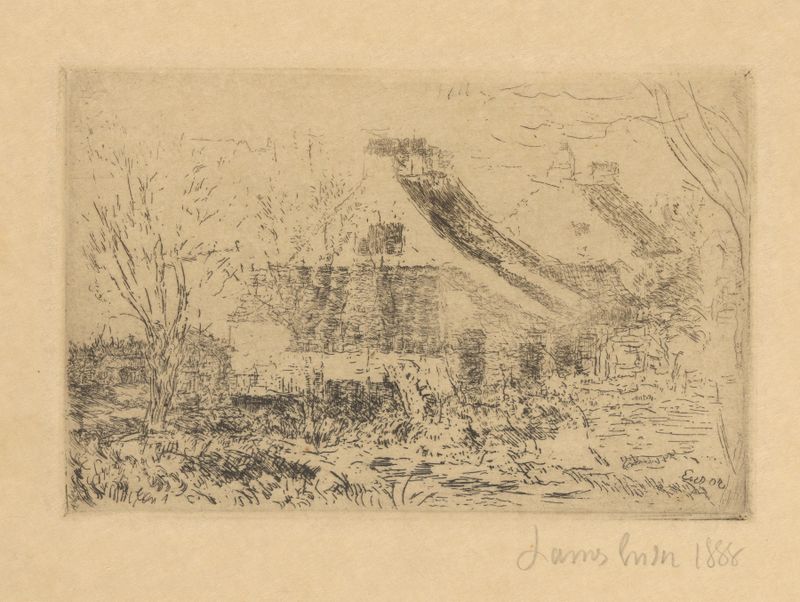
Huisjes in Mariakerke
James Ensor
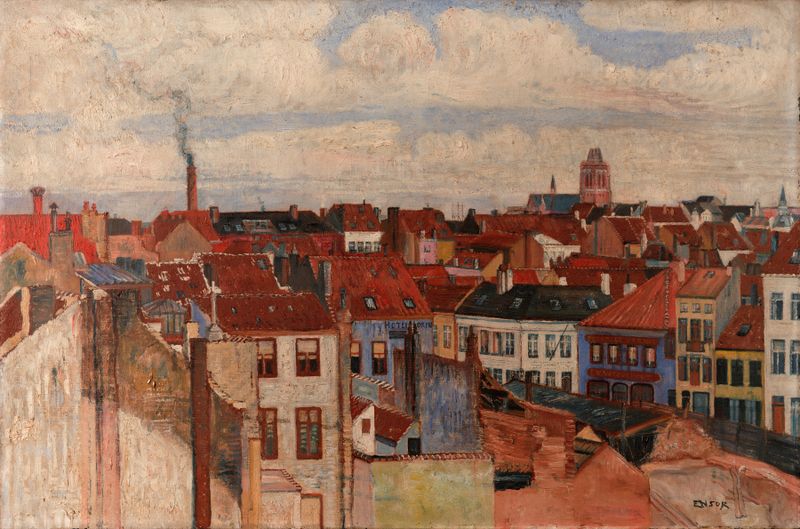
The rooftops of Ostend
James Ensor
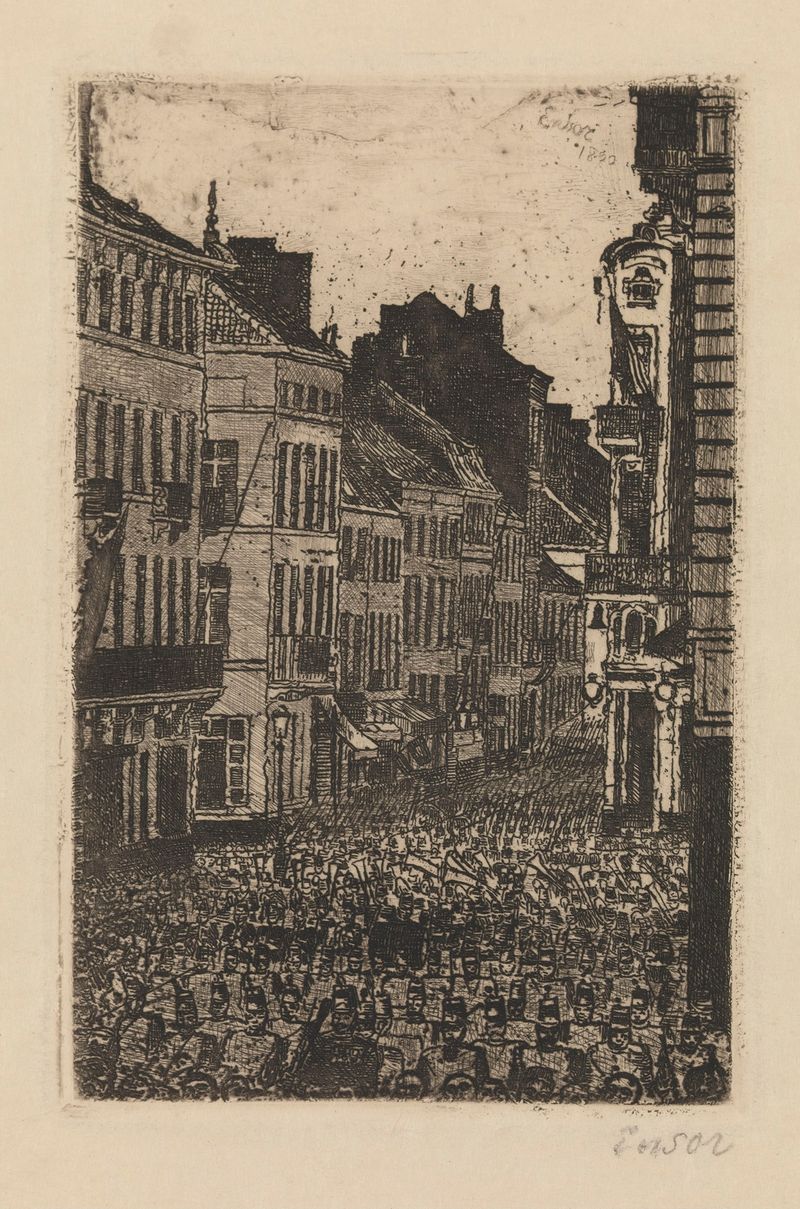
The Music in the rue de Flandre, Ostend
James Ensor
Verovering van een vreemde stad
James Ensor