
Spring — História e Análise
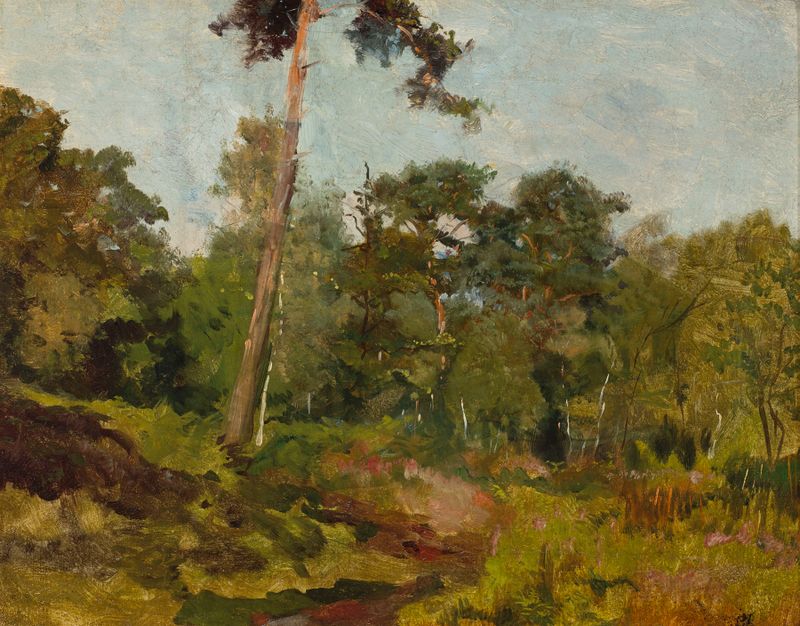
In a world that often rushes by, capturing fleeting moments of beauty offers a profound revelation about life’s fragility and persistence. Focus on the vibrant greens and yellows of the meadow, where wildflowers bloom in a riot of colors, heralding the arrival of spring. Notice how the soft light filters through the branches above, casting dappled shadows that dance on the ground. The artist's brushwork brings a tactile quality to the blossoms, inviting you to reach out and feel their delicate petals against your skin.
The overall composition conveys a serene harmony, a celebration of renewal and the gentle awakening of nature. Yet, beneath the surface lies a deeper narrative of rebirth and resilience. The interplay of light and shadow reflects the duality of life: joy intertwined with the inevitability of change. The flowers, while vibrant and alive, will soon fade, reminding viewers of nature's cyclical nature.
The careful arrangement of elements evokes a sense of balance, portraying not just the beauty of spring, but the transient moments that define existence itself. Jozef Chelmonski painted this work in 1908, amidst a flourishing period for impressionism and post-impressionism. Living in Poland, he was influenced by the natural landscapes of his homeland, and this painting exemplifies his commitment to capturing the essence of rural life. During this time, artistic movements were shifting toward a focus on color and emotion, and Chelmonski’s work reflects his desire to engage with the viewer’s senses and emotions, forever marking the beauty of spring in our memories.
Mais obras de Jozef Chelmonski
Ver tudo →
Landscape; Meadow with Marsh-Marigolds
Jozef Chelmonski
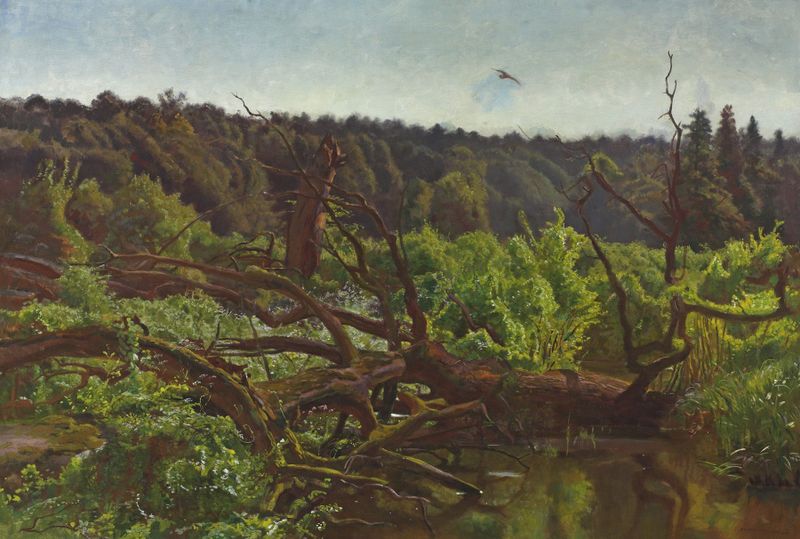
Deep forest – Windthrows
Jozef Chelmonski

Winter Sunset
Jozef Chelmonski
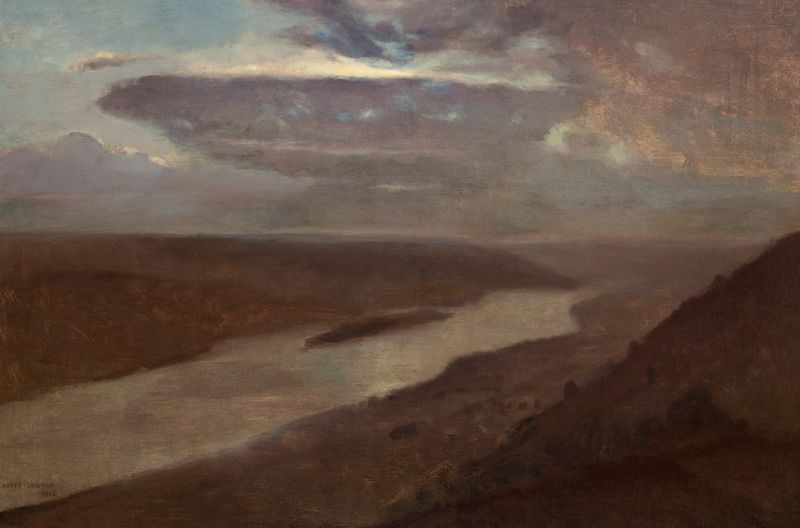
The Dniester River at Night
Jozef Chelmonski
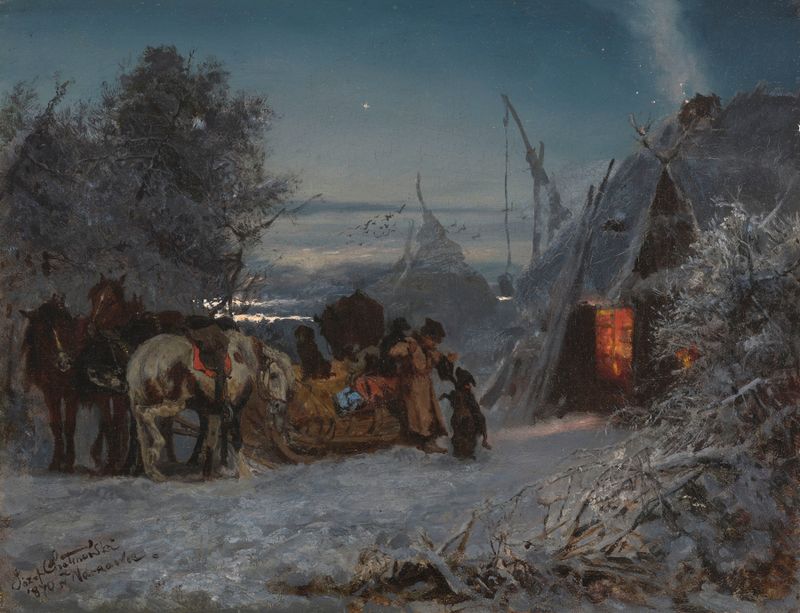
Morning in the Forest
Jozef Chelmonski
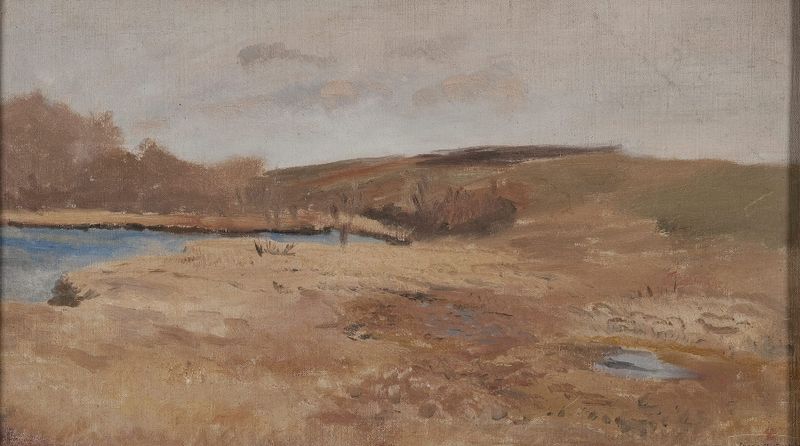
Autumn landscape
Jozef Chelmonski
Lasek Buloński
Jozef Chelmonski

Episode from the Uprising of 1863
Jozef Chelmonski

Dawn
Jozef Chelmonski

Village by the Water
Jozef Chelmonski





