
Springtime — História e Análise
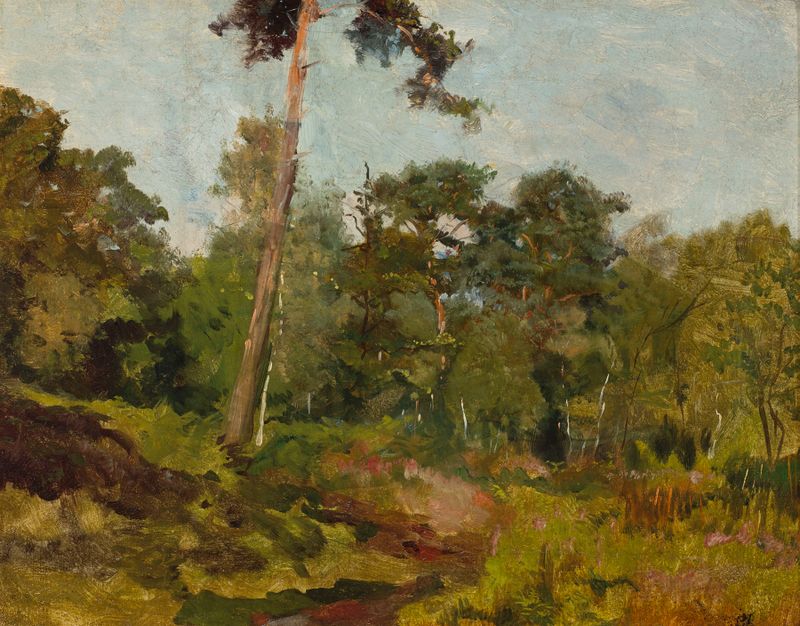
Can beauty exist without sorrow? In the delicate play of spring’s light, Jozef Chelmonski captures the transient beauty of nature, a moment that hints at both joy and the inevitable passage of time. Look to the right at the lush green grass that dances softly in the breeze, illuminated by the gentle sunlight filtering through the trees. Notice how the vivid colors blend—a rich palette of emerald, gold, and sapphire—that create a symphony of life awakening. The composition draws your eye across the canvas, from the vibrant foreground of blossoming flowers to the serene horizon, where the sky meets the earth in a whisper of blue and white. Yet within this charm, there lies a deeper narrative.
The flowers, in their full bloom, symbolize the fleeting nature of beauty, reminiscent of youth and vitality that will soon fade. The muted shadows beneath the trees hint at the passage of time, a silent reminder of what lies beneath the surface of this idyllic scene. Each brushstroke conveys a sense of longing, weaving together themes of renewal and ephemeral existence. In 1892, Chelmonski created this work while living in Poland, during a period when artists were increasingly drawn to natural landscapes, seeking to capture the changing seasons.
The Impressionist movement was thriving, influencing his approach with an emphasis on light and color. Facing personal challenges, he immersed himself in the beauty of his homeland, reflecting both his artistic vision and the complexities of life.
Mais obras de Jozef Chelmonski
Ver tudo →
Landscape; Meadow with Marsh-Marigolds
Jozef Chelmonski
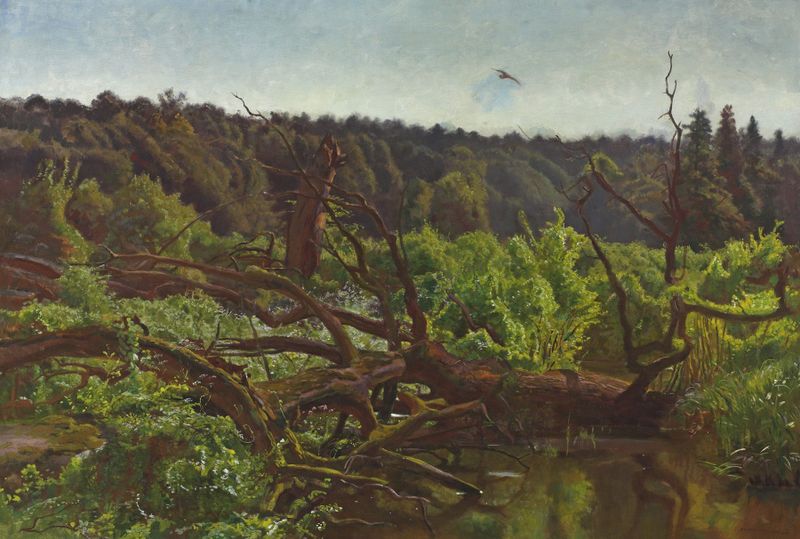
Deep forest – Windthrows
Jozef Chelmonski

Winter Sunset
Jozef Chelmonski
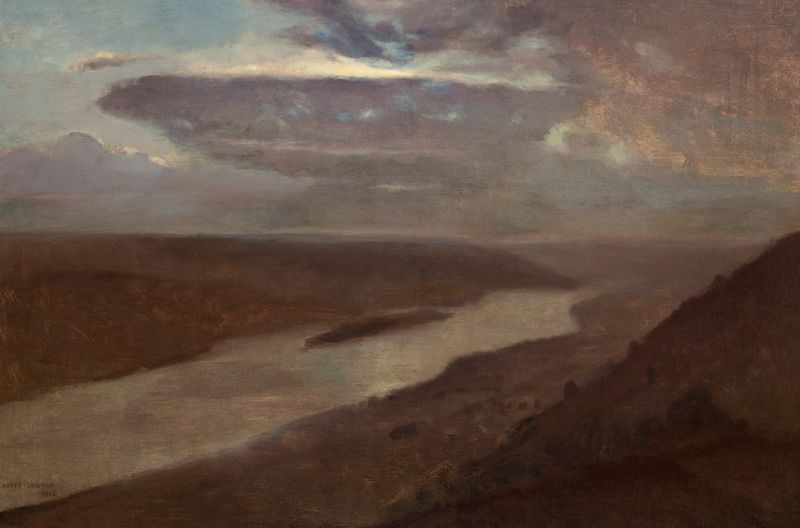
The Dniester River at Night
Jozef Chelmonski
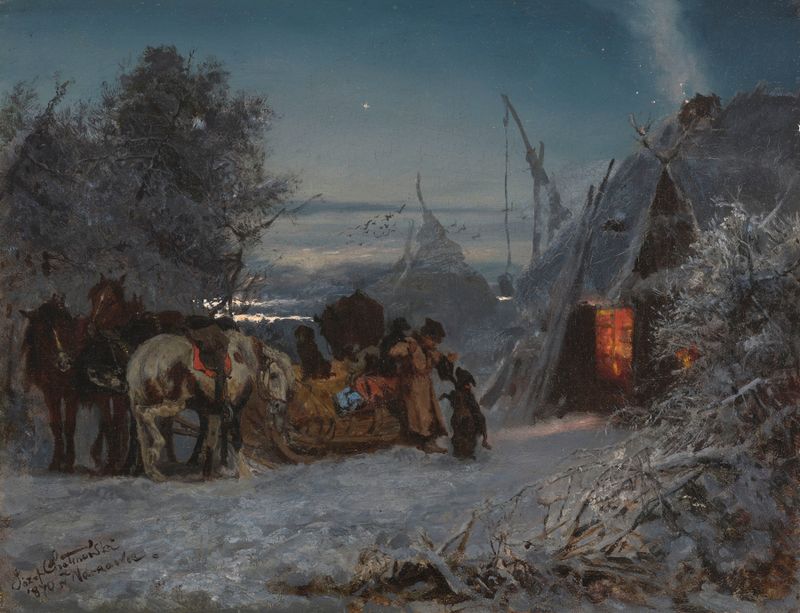
Morning in the Forest
Jozef Chelmonski
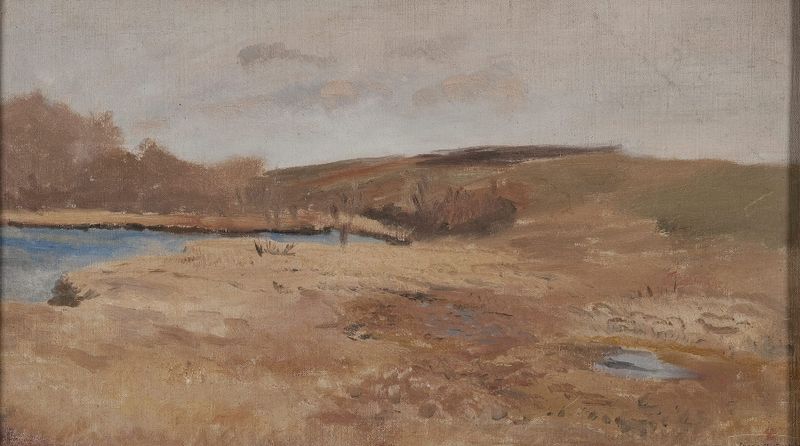
Autumn landscape
Jozef Chelmonski
Lasek Buloński
Jozef Chelmonski

Episode from the Uprising of 1863
Jozef Chelmonski

Dawn
Jozef Chelmonski

Village by the Water
Jozef Chelmonski





