
Springtime — História e Análise
When did color learn to lie? In the stillness of a spring afternoon, nature holds its breath, wrapped in a tender embrace of vibrant hues and muted whispers. Look to the left at the gentle interplay of greens and yellows that breathe life into the landscape. Notice how the light falls upon the delicate blossoms, illuminating their petals with a warmth that invites the viewer into this serene moment. The composition draws you in, with a winding path leading your eye deeper into the lush thicket, where shadows dance playfully beneath the towering trees.
Each brushstroke reveals the artist's mastery over texture, capturing not just the visual, but the very essence of spring. Yet, beneath the tranquil facade lies a poignant tension. The robust greens hint at renewal, while the shadows cast by the trees suggest an underlying sorrow, a reminder of the inevitable passage of time. The silent harmony of the scene evokes a yearning; the vibrant colors almost scream in contrast to the stillness of the moment.
Here, spring is not merely a season, but a metaphor for fleeting beauty—a juxtaposition of life’s exuberance and its ephemeral nature. Rousseau created this work around 1860, a time when he was deeply immersed in the burgeoning movements of the Barbizon School. Living in France, he sought to capture the essence of nature away from the constraints of academic art. His focus on realism and the emotive power of landscapes was part of an artistic rebellion against formalism, reflecting the changing tides in both his personal life and the broader art world.
Mais obras de Théodore Rousseau
Ver tudo →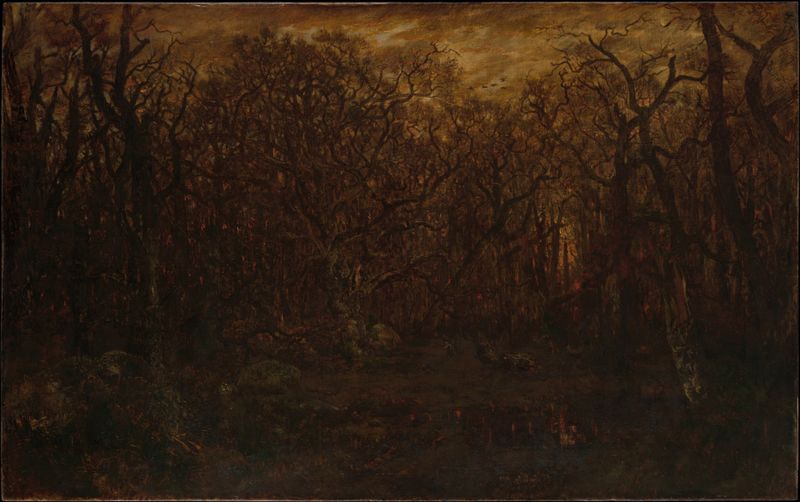
The Forest in Winter at Sunset
Théodore Rousseau
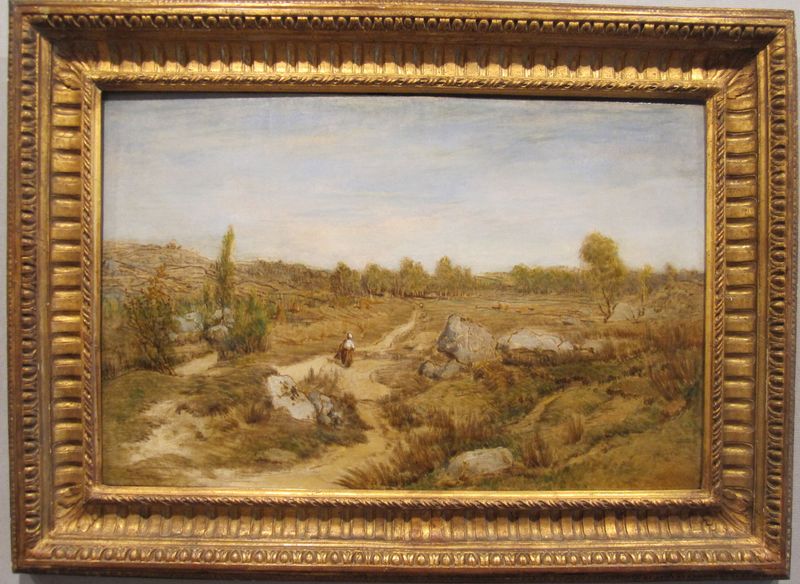
Valley of the Rouars in the Gorges d’Apremont
Théodore Rousseau
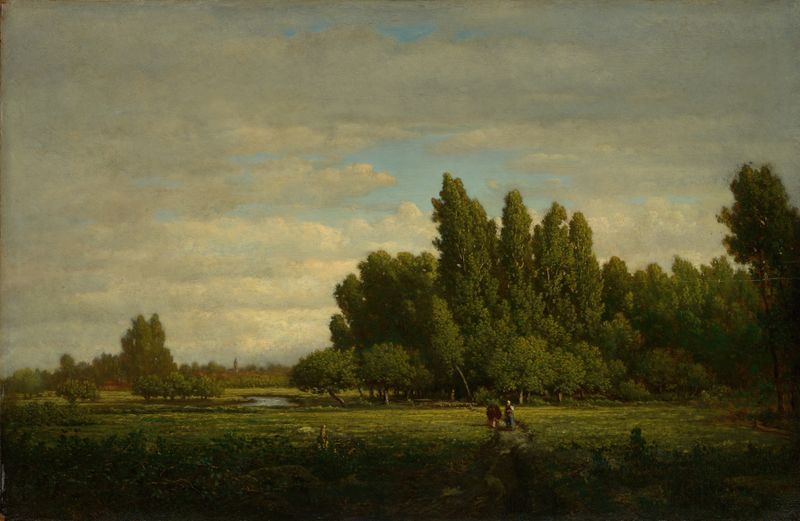
A Meadow Bordered by Trees
Théodore Rousseau
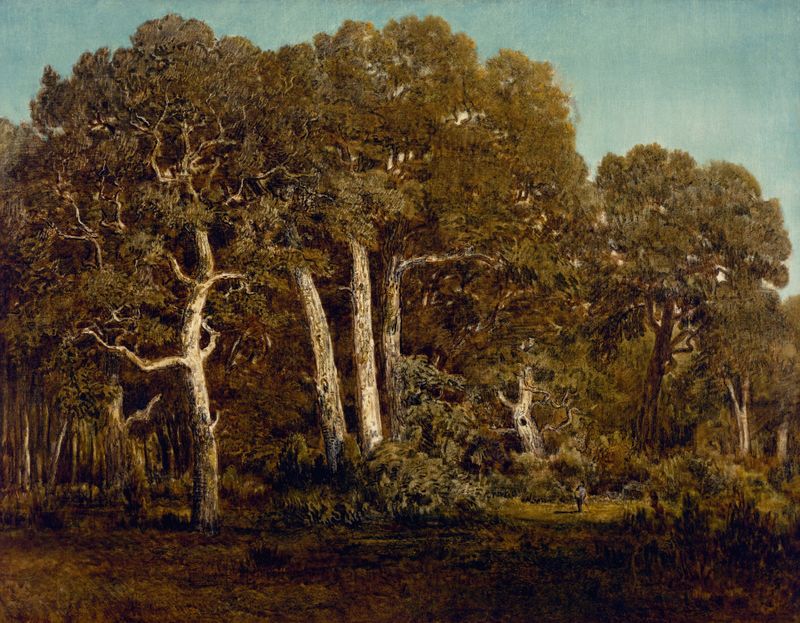
The Great Oaks of Old Bas-Bréau
Théodore Rousseau
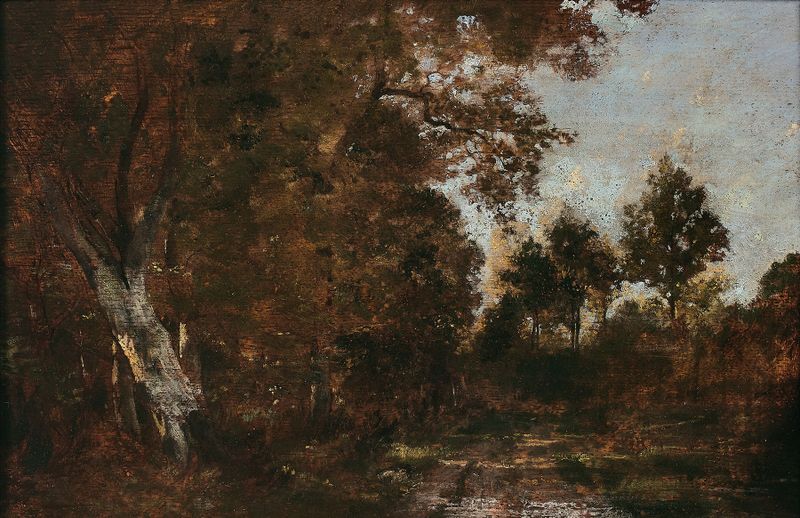
Paysage de sous-bois
Théodore Rousseau
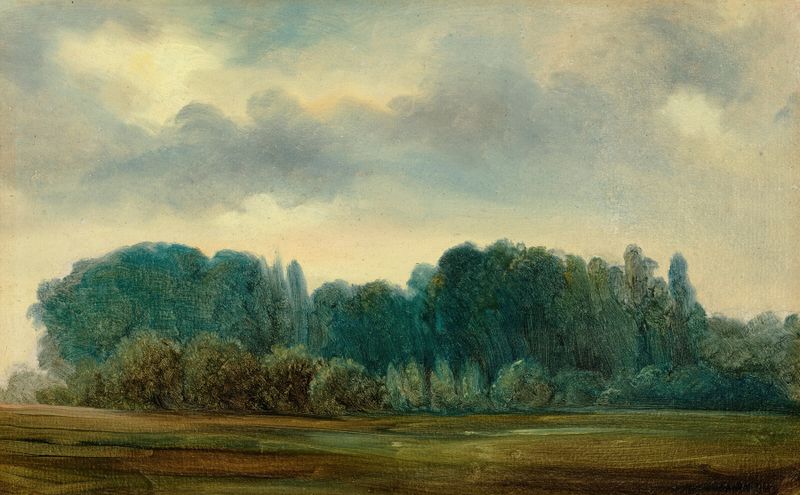
Paysage
Théodore Rousseau
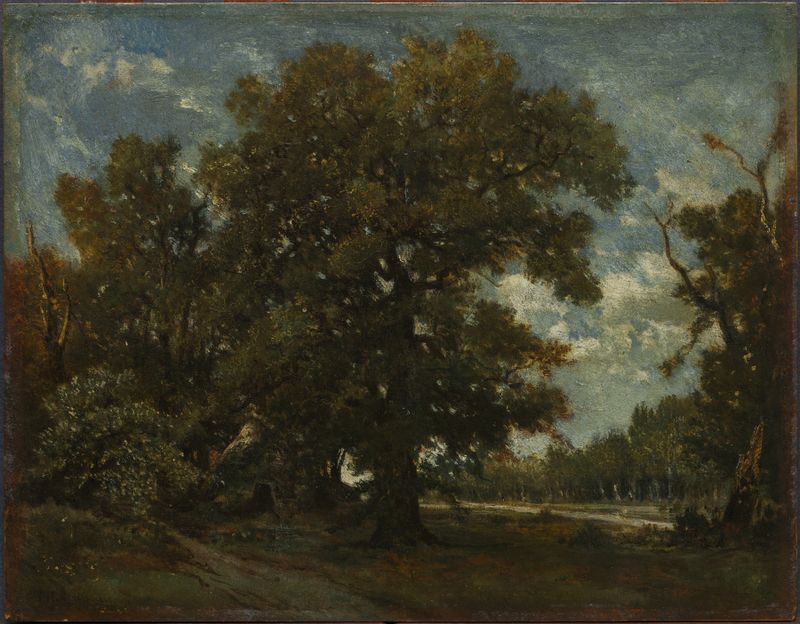
The Oak Tree
Théodore Rousseau
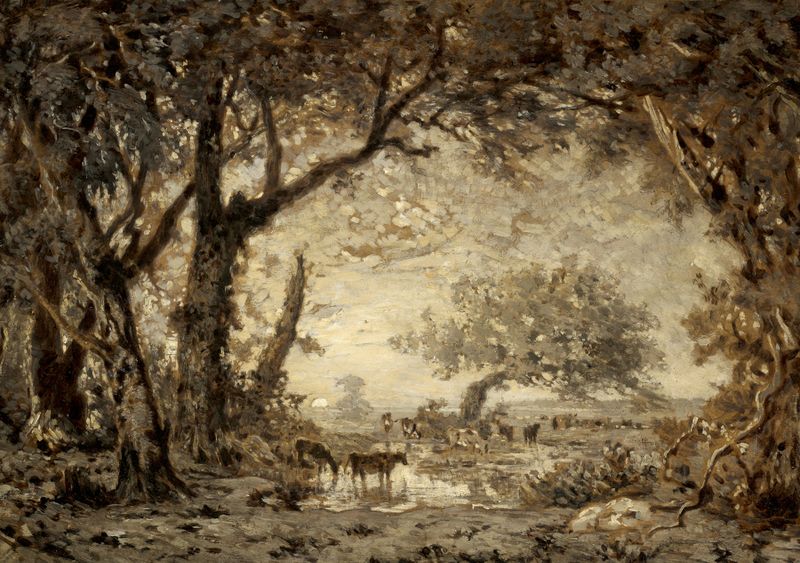
Sunset from the Forest of Fontainebleau
Théodore Rousseau
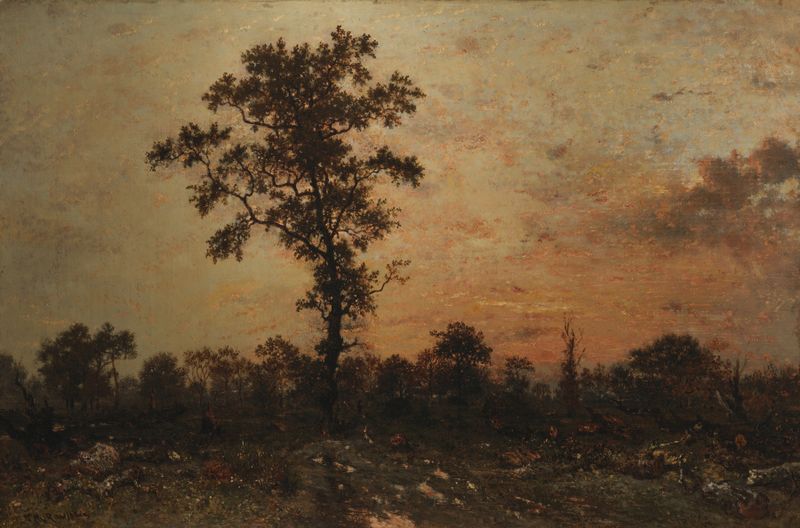
Edge of the Forest, Sun Setting
Théodore Rousseau
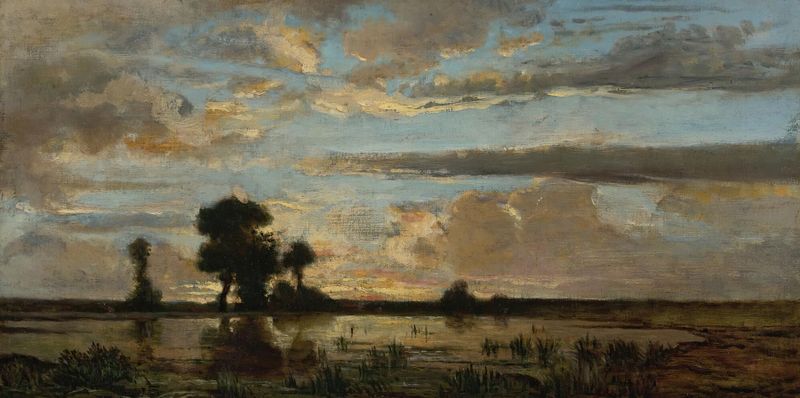
Soleil Couchant
Théodore Rousseau





