Springtime in Rome — História e Análise
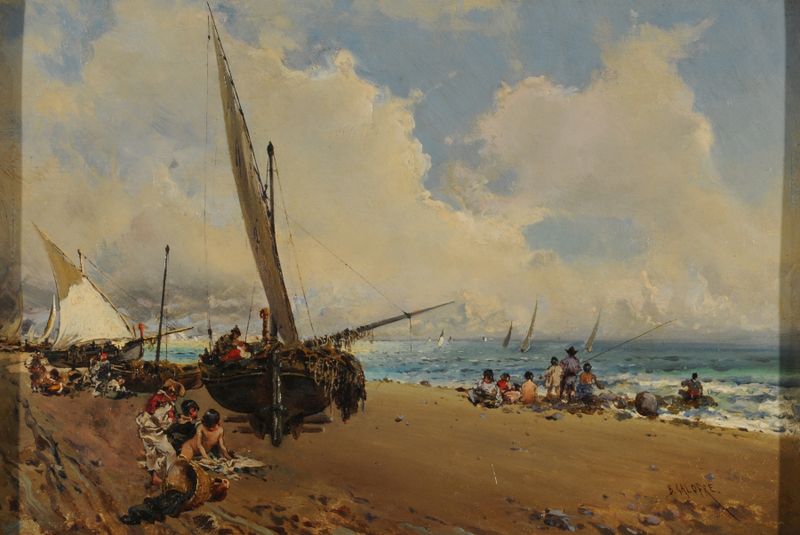
In the delicate interplay of light and color, truth unravels in layers, revealing the heart beneath the surface. Look to the center of the canvas, where a radiant expanse of blossoming trees bursts forth against a vivid blue sky. The artist employs soft brushstrokes, creating a sense of movement and life, as the vibrant hues of green and gold mingle together, embodying the spirit of spring. Notice how the gentle light dances across the landscape, illuminating not only the flowers but also the hidden corners, hinting at the stories that lie within this picturesque setting. Yet, beneath this idyllic scene, a tension simmers.
The bright blossoms contrast sharply with the shadows they cast, suggesting a duality of joy and sorrow. The viewer may catch a glimpse of a solitary figure at the edge of the composition, an embodiment of solitude amidst the abundance—a reminder that beauty often coexists with longing. This profound juxtaposition urges us to ponder the unsung narratives of those who experience the bloom of life from the periphery. During the years 1874 to 1884, the artist crafted this piece amid a vibrant cultural renaissance in Europe, where the Impressionist movement was redefining how artists perceived light and color.
Living in Barcelona, Galofre was influenced by both Spanish traditions and the emerging styles of his contemporaries. His works from this period reflect a desire to capture not just the beauty of the moment but also the elusive truths that lie within.